
Vintage Iron Bench
A vintage iron bench brings solid structure and enduring character to an outdoor space, offering practical seating shaped by decades of weathering.
Vintage Iron Bench
A vintage iron bench combines robust metalwork with garden seating, drawing from nineteenth and twentieth-century designs found across English and French domestic landscapes.
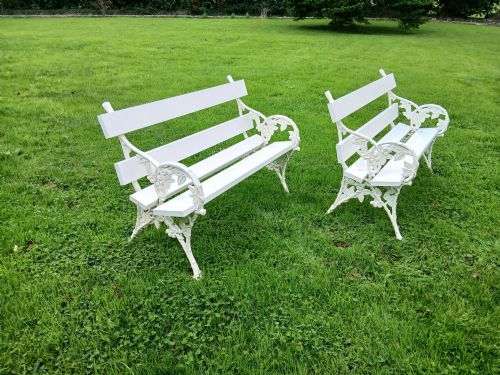
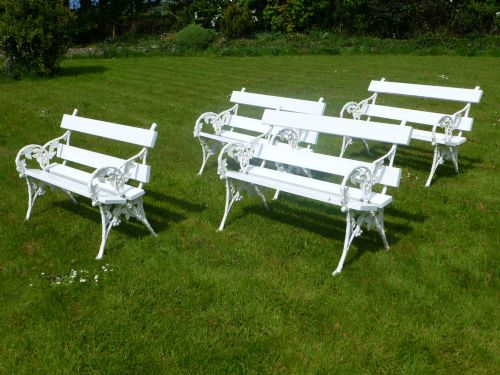
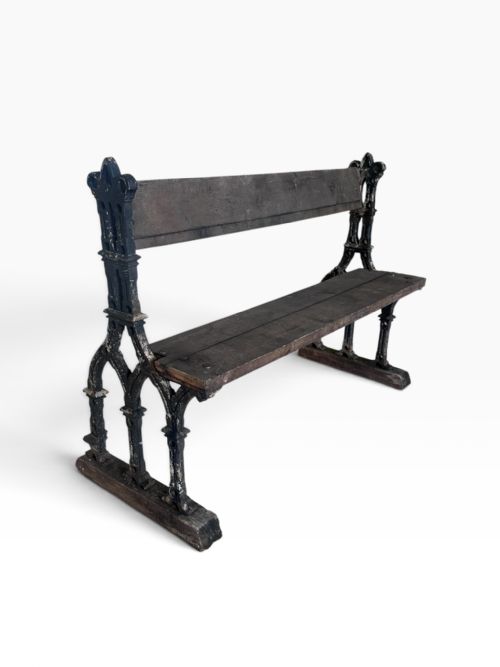
Buyers encounter forms ranging from ornate Victorian strapwork and Gothic patterns to rustic faux bois textures that mimic natural timber.
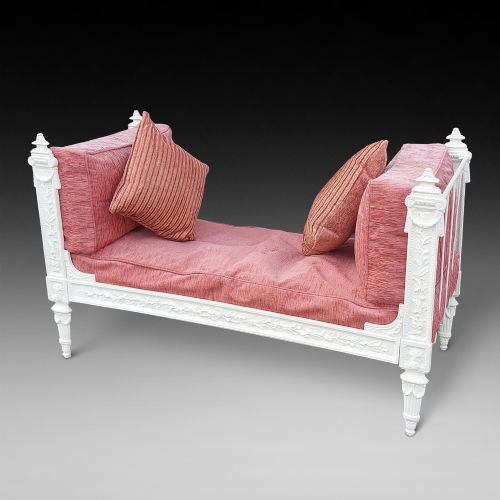
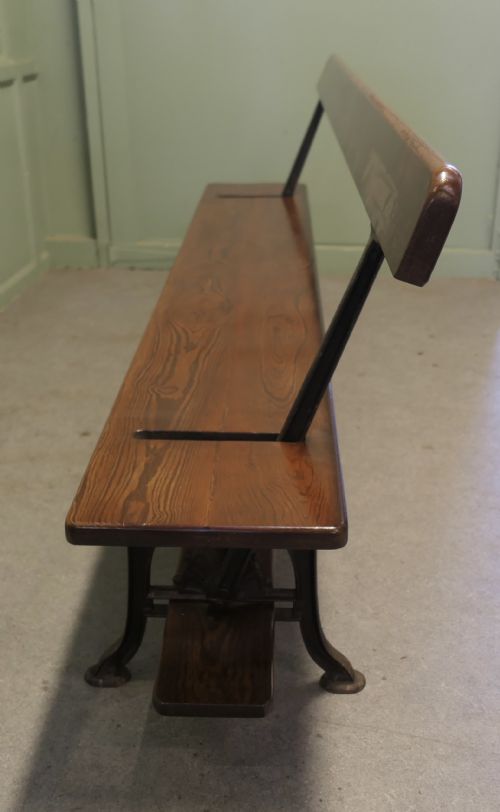
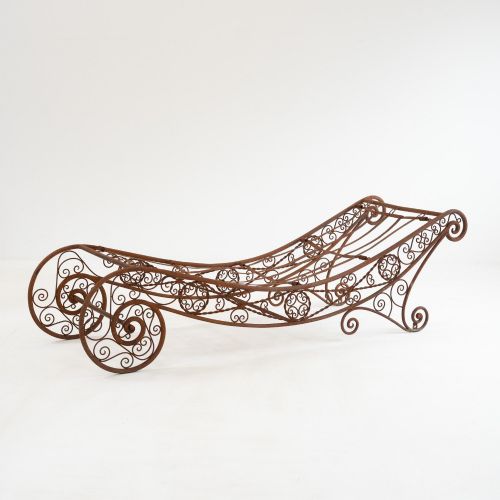
While many examples serve as traditional garden seats, variations include daybeds, tram reversible seats, and railway station benches.
How they were made
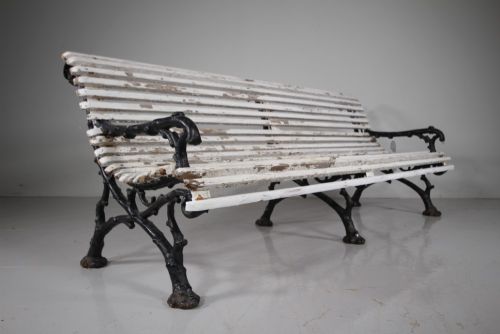
Foundries utilised cast iron for intricate decorative ends and structural frames, pouring molten metal into detailed moulds to create motifs such as leaves and blackberries.
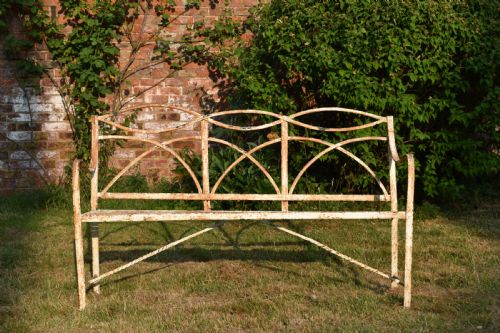
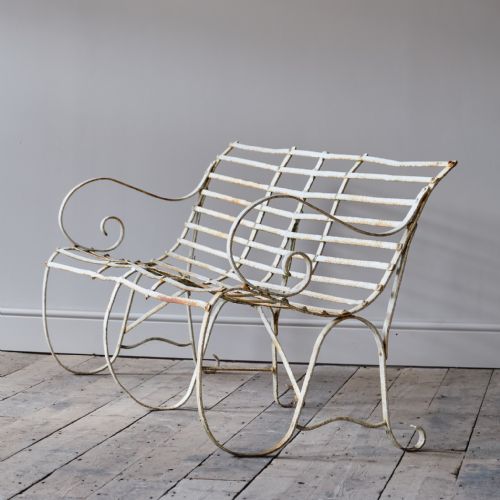
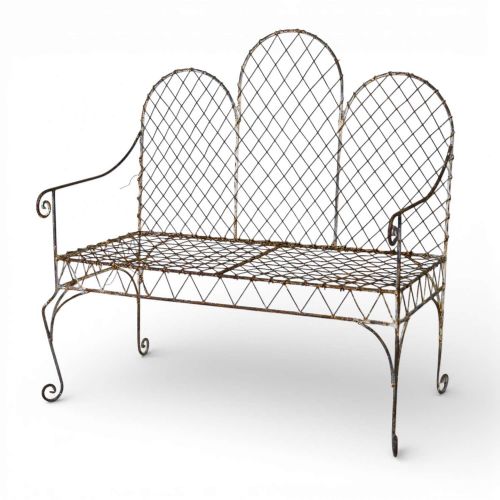
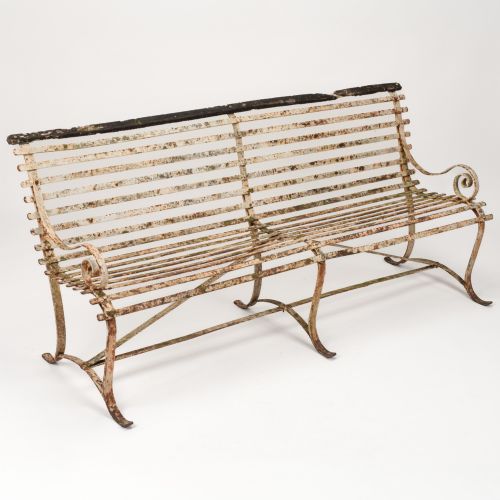
Wrought iron and steel provided the pliable strength needed for strapwork patterns, wirework arbours, and supportive braces.
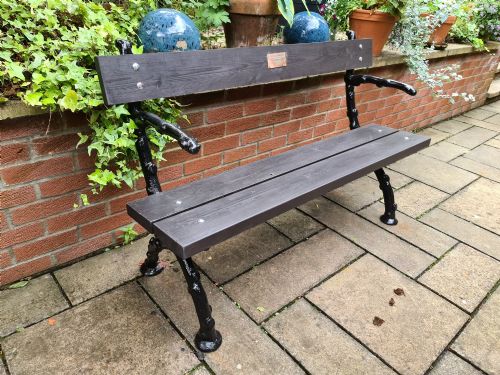
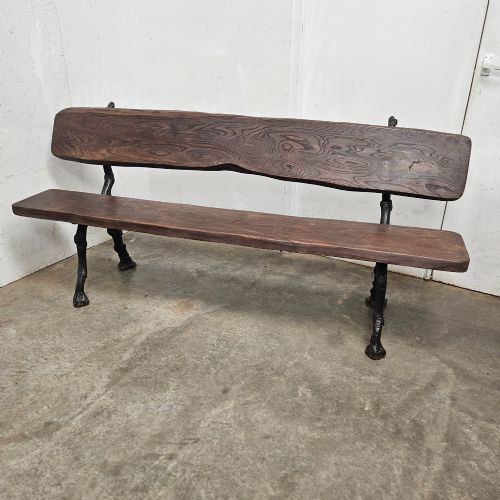
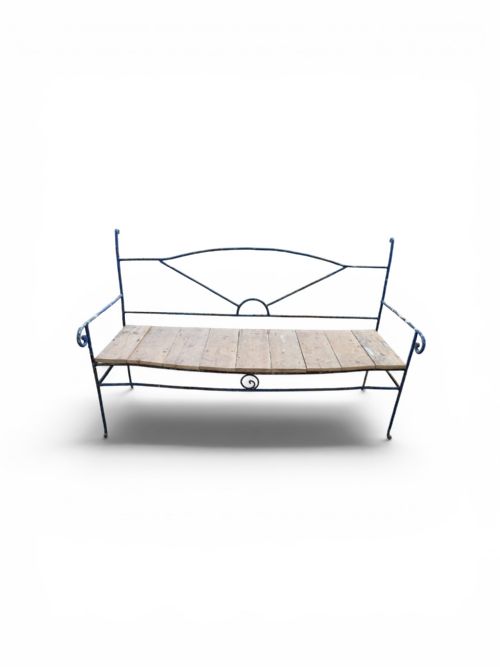
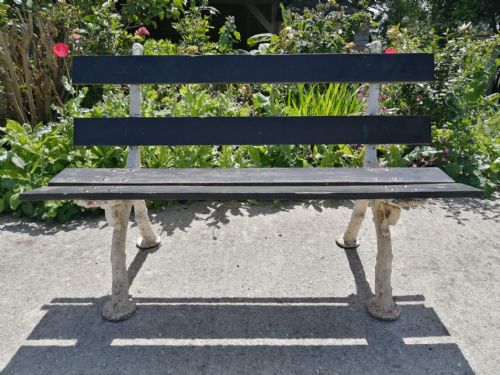
Many designs incorporated timber, oak, pine, or elm slats fixed to iron frames, balancing rigid metal support with wooden seating surfaces.
Listings feature pieces spanning the nineteenth and twentieth centuries, utilising cast iron, wrought iron, pine, oak, and elm.
What varies in quality
The sophistication of the foundry work dictates the refinement of the piece, with crisp, deeply cast botanical details and named foundry signatures distinguishing superior examples.
The structural integrity of the frame depends on the preservation of the original ironwork and the correct pairing of metal components with timber slats.
Surface finish and patina reflect the history of exposure, where layers of weathered paint or natural oxidation reveal the age and authenticity of the metal.
Falkirk Carron Foundry·Norris London·Coalbrookdale·Arras
The Vintage Iron Bench Glossary
- Cast iron
- Iron poured into a mould while molten to create complex decorative patterns and rigid structural frames. This technique allowed Victorian foundries to produce intricate motifs like leaves and animal masks.
- Wrought iron
- Iron heated and hammered into shape by hand, valued for its fibrous texture and flexibility. It is commonly found in linear strapwork garden benches.
- Faux bois
- A decorative technique imitating wood grain, applied to cast iron to give metal furniture the rustic appearance of natural branches and timber.
- Strapwork
- A pattern of flat, interlaced metal bands forming geometric or scroll designs. This style appears frequently on Regency and Victorian garden seats.
- Daybed
- An extended seating form adapted for outdoor use, providing a lounge space supported by iron frames and daybed ends.
Vintage Iron Bench: Frequently Asked Questions
How do I identify a Victorian iron bench?
Victorian examples often feature heavy cast iron ends decorated with naturalistic motifs such as blackberries, leaves, or Gothic arches. They frequently incorporate wooden slats fixed between ornate armrests.
Closer inspection of the casting marks and bolt construction helps differentiate these nineteenth-century pieces from later twentieth-century reproductions.
Are these benches suitable for year-round outdoor use?
Iron benches are designed to withstand outdoor environments, weathering naturally over decades of exposure to the elements. Protective coatings of paint help manage oxidation.
Combining iron frames with timber elements means checking the wood periodically to ensure the seating remains stable and secure in garden settings.
What is the difference between cast and wrought iron?
Cast iron is poured into moulds, resulting in rigid, highly decorative components with intricate surface details. Wrought iron is beaten and forged by hand, producing flexible, durable bars used for straps and frames.
Recognising these methods explains the structural differences between ornate garden seat ends and linear strapwork frames.
How should I maintain the finish on an old iron bench?
Preserving the surface involves gently cleaning accumulated dirt and applying appropriate metal primers or paints where necessary to halt active corrosion. Maintaining historical paint layers retains the character of the piece.
Keeping timber slats treated and dry prevents moisture damage where the wood meets the iron frame.