


Green Garden Bench
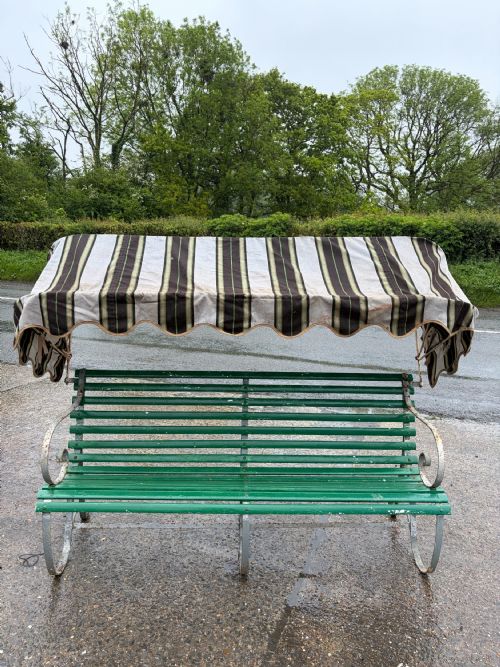
These green garden benches are enduring metal and timber seats designed for outdoor repose, offering period character and a practical focal point for any lawn.
Green Garden Bench
A green garden bench is an outdoor seat constructed from robust materials such as cast iron, wrought iron, and timber, designed to weather the elements while providing a settled place to sit. When you search for a green garden bench, you encounter forms that range from heavy nineteenth-century ironwork to lighter twentieth-century metal frames and slatted wooden designs.
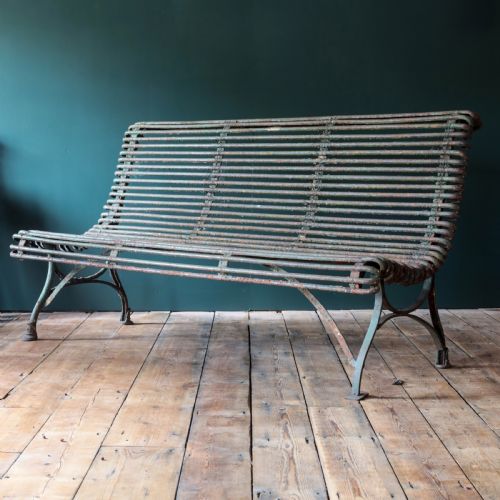
The versions most commonly met on this page include Victorian and Arras examples alongside French rustic styles and painted iron pieces. Many retain traces of original green paint or weathered verdigris finishes that tell of decades spent on lawns, in potting sheds, or along garden paths.
How they were made
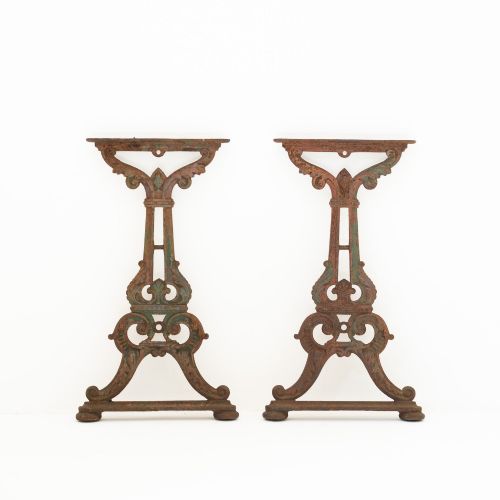
Makers constructed these garden seats using cast iron for decorative frames and ends, alongside wrought iron and strapwork for structural support. Timber slats provided the seating surface on many designs, secured to heavy metal frameworks that could withstand constant outdoor exposure.
Surfaces received layers of protective paint, often in shades of green, which has aged through decades of weathering to create the characteristic patinated finishes seen today.
Listings feature Victorian, Edwardian, and nineteenth-century pieces alongside French rustic styles, utilising wrought iron, cast iron, timber, and painted metal.
What varies in quality
Quality in a green garden bench lies in the crispness of the iron casting, the complexity of the scrollwork or strapwork, and the integrity of the original construction. Finer examples display balanced proportions, substantial weight, and well-executed joinery that marks them out from more utilitarian utility pieces.
The survival of original painted surfaces significantly elevates a piece, as genuine layers of aged green paint provide an authentic visual depth that later repainting simply cannot replicate.
The Green Garden Bench Glossary
- Wrought iron
- Iron beaten into shape by hand, known for its fibrous structure and resilience. It allows for slender, curved components like scrollwork and strapwork.
- Cast iron
- Molten iron poured into a mould to create decorative bench ends and rigid supports. This technique permitted intricate Victorian patterns and structural mass.
- Arras
- A distinct style of French metal garden furniture featuring folded sheet iron and slatted construction. These pieces often bear makers' plaques and possess a specific industrial elegance.
- Strapwork
- Flat strips of metal interlaced or applied in geometric patterns to form the backrests or seats of garden benches. It provides both structural rigidity and decorative lightness.
- Verdigris
- The green patina that forms naturally on copper and brass surfaces through atmospheric oxidation. On garden pieces, it indicates long exposure to the elements.
Green Garden Bench: Frequently Asked Questions
Are these benches suitable for year-round outdoor use?
These metal and timber garden seats are built to withstand the elements, having already survived decades outdoors. Their robust iron and treated wooden construction makes them well-suited for continued placement in gardens.
However, exposing antique timber slats and historic painted surfaces to harsh winter conditions can accelerate wear. Many owners choose to place them in sheltered spots or under canopies during the coldest months.
How do I care for original paint on a garden bench?
Preserving historic paint finishes requires a gentle approach that avoids harsh chemical strippers or aggressive scrubbing. Light cleaning with a soft brush and water removes surface dirt without disturbing the underlying layers of history.
Applying a microcrystalline wax can help protect fragile painted surfaces from moisture without altering their appearance. It seals the historic finish while allowing the natural character of the age to show through.
How can I tell a Victorian bench from a later twentieth-century piece?
Victorian benches typically feature heavier cast iron components, more elaborate strapwork, and construction methods characteristic of nineteenth-century foundry work. The weight of the metal and the depth of the casting detail offer reliable clues to their earlier date.
Twentieth-century examples often employ simpler steel frames, lighter welded joints, or distinct French rustic forms. Comparing the assembly methods and the nature of the wear helps distinguish between the different eras.
Can these garden benches be used indoors?
These pieces transition easily into interior spaces, serving as striking seating in boot rooms, hallways, or conservatories. Their weathered green paint and architectural ironwork complement both rustic and contemporary indoor settings.
Using them inside protects the historic materials from further weather damage while bringing a strong decorative element into the home.