

Vintage Iron Bed
A vintage iron bed brings solid nineteenth-century structure and decorative metalwork into a bedroom.
Vintage Iron Bed
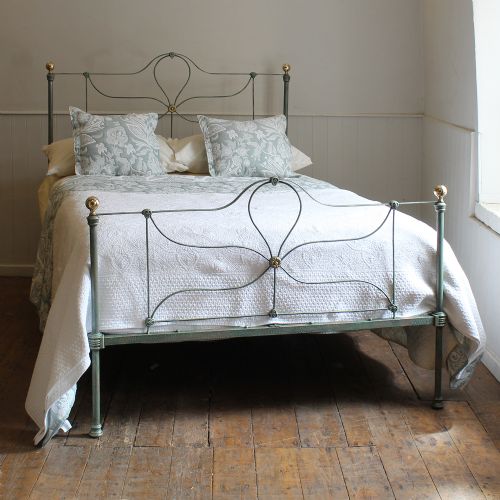
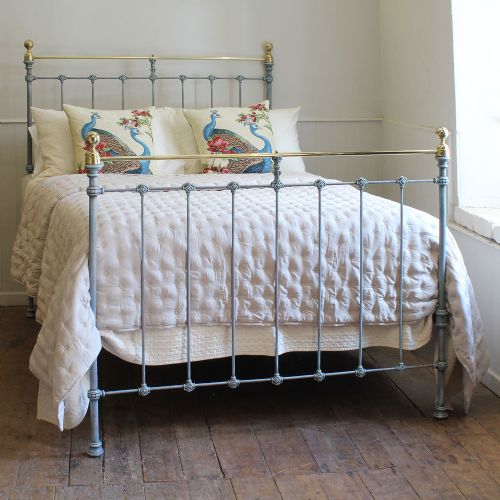
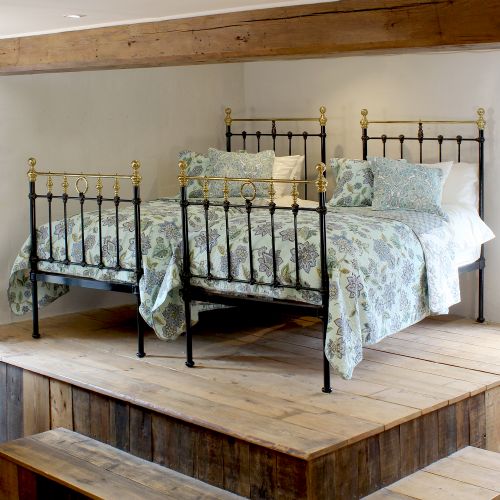
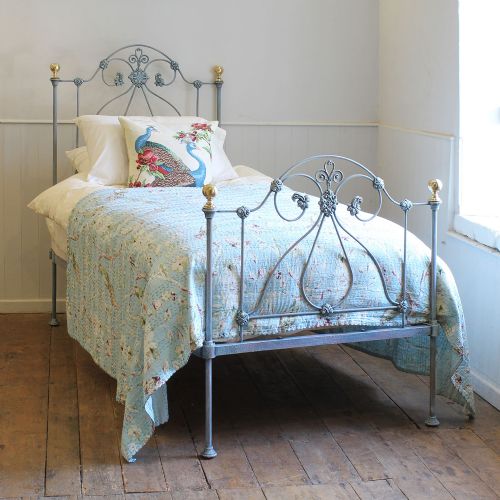
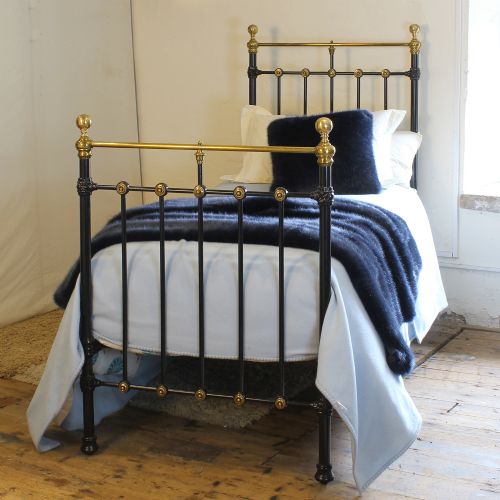
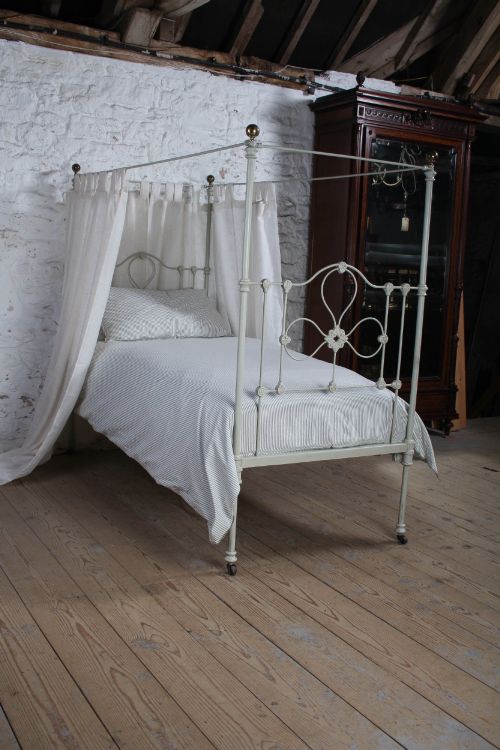
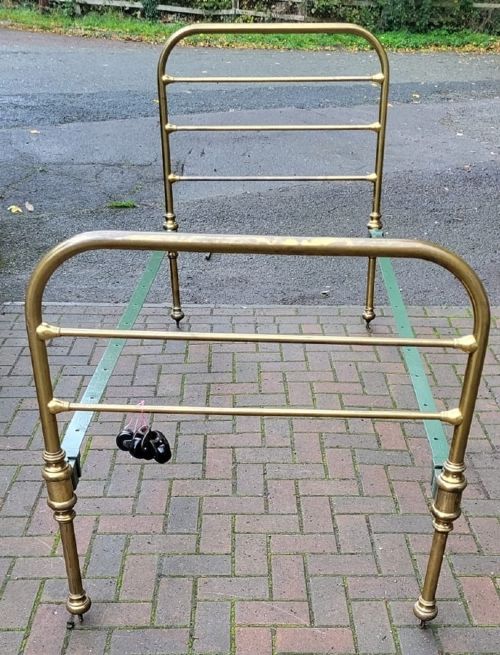
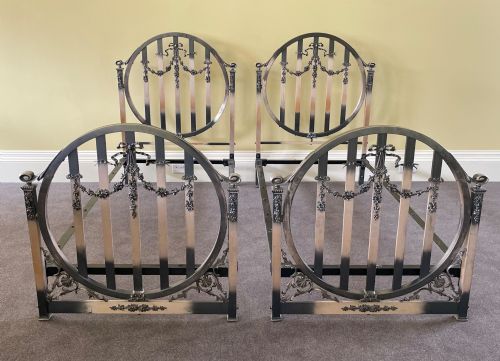
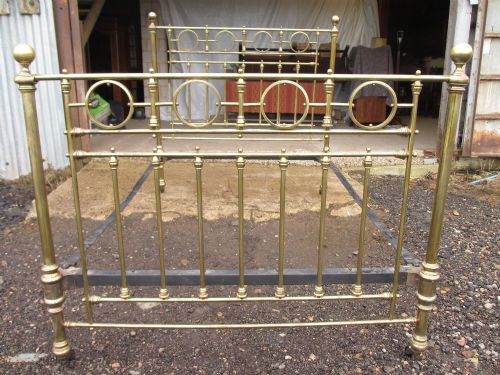
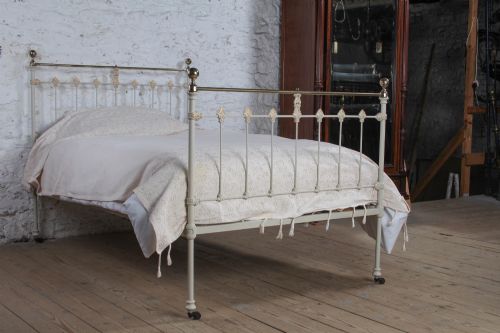
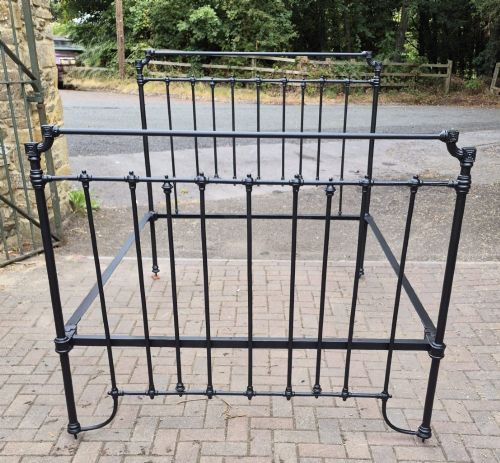
A vintage iron bed encompasses sturdy bedframes, daybeds, and bedsteads built primarily during the Victorian and Edwardian eras, stretching from the mid-nineteenth century into the early twentieth century. You will frequently encounter double and king-size versions combining dark cast or wrought iron frames with polished brass details, alongside single daybeds suited for smaller spaces.
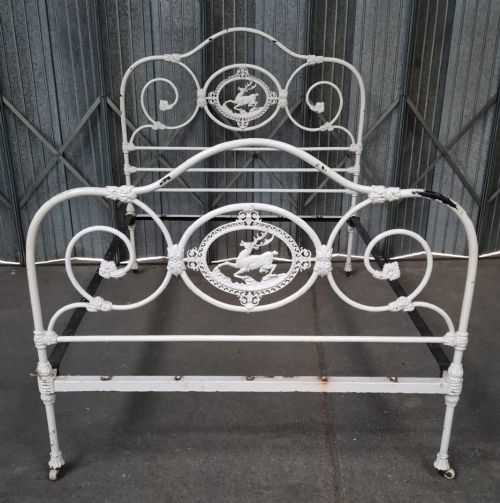
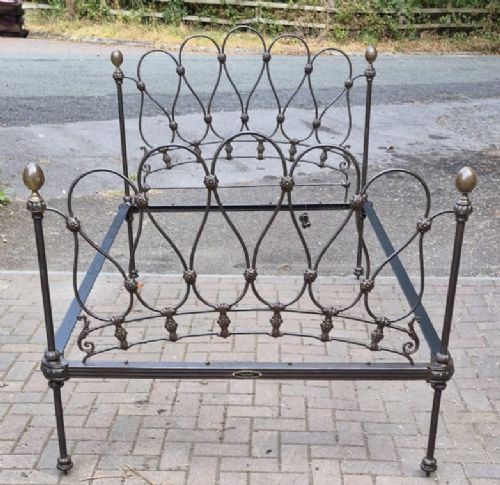
Makers utilised resilient metals to construct heavy-duty frames designed to last generations, often incorporating ceramic castors or wooden components for ease of movement and stability. Styles range from plain utilitarian frames to ornate French provincial designs, Celtic revival patterns, and sweeping Art Nouveau curves.
The pieces on offer span standard single proportions up to expansive super king sizes, accommodating modern mattress dimensions while retaining their original period character. Many retain their original painted finishes, ranging from aged grey and green to deep black.
How they were made
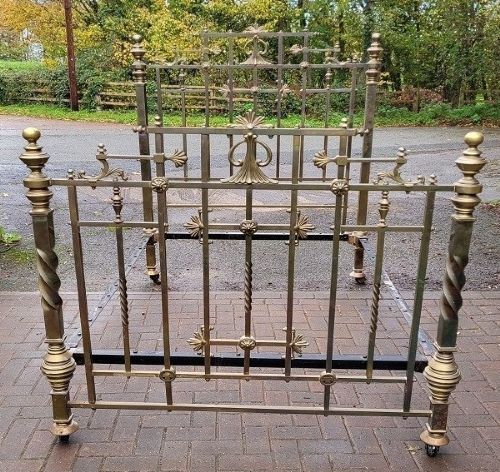
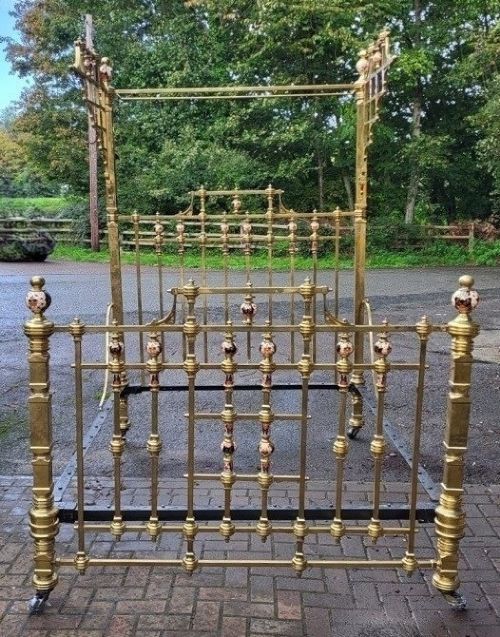
Blacksmiths and manufacturers forged structural elements from cast iron and wrought iron, forming rigid headboards and footboards joined by slot-in side rails. These metal components were frequently paired with spun or cast brass fittings, decorative metal castings, and occasionally nickel plating or mother-of-pearl insets.
Surface decoration relied on applied lead-based or oil paints, sometimes finished with verdigris or hand-painted details over iron and toleware surfaces. Frames utilised mechanical joints, iron keys, and integrated castors to allow straightforward assembly in domestic chambers.
Listings feature iron beds spanning the Victorian, Edwardian, and nineteenth-century periods, utilising cast iron, wrought iron, brass, and toleware.
What varies in quality
Quality rests in the crispness of the brass castings, the complexity of the iron scrollwork, and the structural integrity of the joints and side rails. Simpler utilitarian frames offer honest domestic utility, whereas exhibition-quality pieces feature tapered posts, intricate ribbon reed motifs, and substantial brass mounts.
The preservation of original painted surfaces and authentic manufacturer marks distinguishes superior survivals from later restorations. Heavier gauge iron and substantial brass thickness dictate the rigidity and overall substance of the bedstead.
Winfield
The Vintage Iron Bed Glossary
- Bedstead
- A framework of wood or metal supporting a bed. It forms the structural skeleton holding the mattress and bedding off the floor.
- Daybed
- A couch that can be used as a seat during the day and a bed for sleeping at night. These often feature low backs and matching or missing foot ends.
- Toleware
- Enamelled or lacquered metalware, typically tin or iron. It provides a smooth, painted surface found on specific regional bed frames.
- Half Tester
- A bed with a canopy projecting from the headboard over the upper half of the bed. This style offers a commanding vertical presence in larger rooms.
- Castor
- A small wheel mounted on a swivel attached to the legs of furniture. These allow heavy iron frames to roll smoothly across floorboards.
Vintage Iron Bed: Frequently Asked Questions
Will a standard modern mattress fit these beds?
Many vintage iron beds were constructed to nineteenth-century dimensions, which can differ slightly from contemporary standard sizes. Adjustments or custom mattresses may be required for a flush fit within the original side rails.
Checking the internal width and length dimensions before purchase ensures modern bed bases or slats integrate properly with the antique frame.
How do I assemble an iron bed frame?
These beds typically rely on a straightforward slot-in system where the side rails wedge into brackets on the headboard and footboard posts. Gravity and the weight of the mattress lock the joints firmly into place without needing complex tools.
Applying a light lubricant to stubborn iron slots helps older joints slide together smoothly during initial setup.
Can I paint an antique iron bed?
While original painted or patinated surfaces preserve the historical character of the piece, some owners choose to repaint them to suit modern interiors. Preparing the metal properly ensures new paint adheres securely over the existing finish.
Preserving original aged paint colours and verdigris is generally recommended by collectors to maintain authenticity and value.
How do I date a Victorian iron bed?
Dating relies on stylistic clues, such as the flowing organic lines of Art Nouveau designs pointing toward the turn of the twentieth century. Earlier Victorian pieces often display heavier cast iron construction with simpler geometric or gothic revival elements.
Manufacturer stamps, brass components, and the presence of makers marks provide definitive evidence of production periods.