
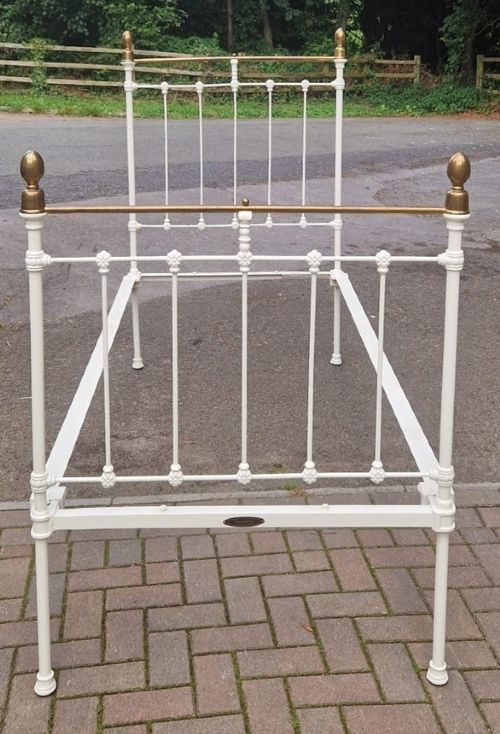
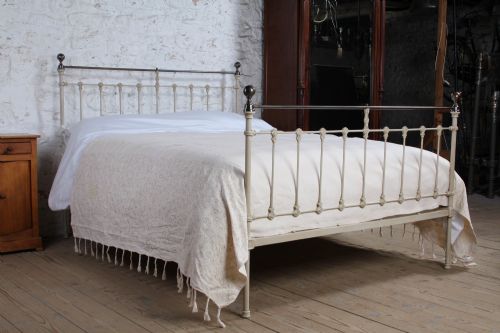


Cream Brass Bed
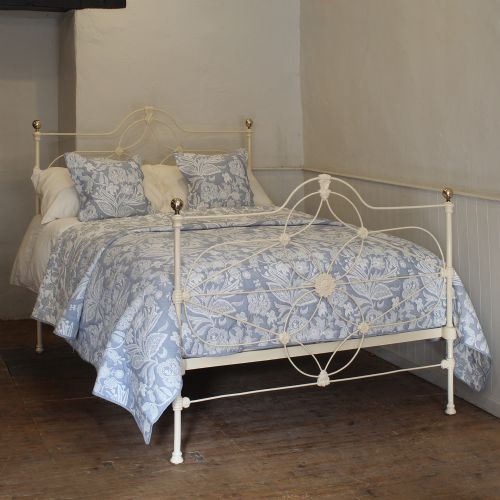
A cream brass bed brings together cast iron, painted wood or iron frames and polished brass highlights to anchor a bedroom with period character.
Cream Brass Bed
A cream brass bed combines a painted iron or wooden frame with polished brass detailing, creating a distinctive aesthetic found across Victorian, Edwardian and early twentieth-century examples. These pieces range from single sizes and small doubles up to king size, super king and extra wide formats, often incorporating cast iron or wrought iron components alongside traditional cream or ivory paintwork.
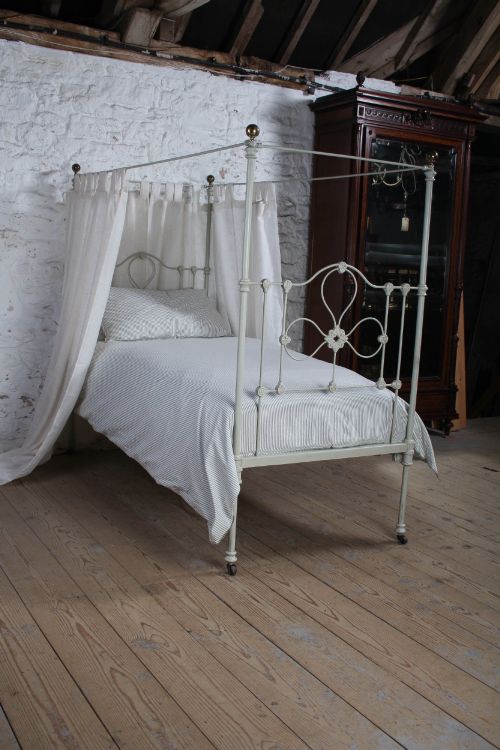
Most examples you encounter on this page date from the Victorian period through to 1920, with styles spanning classic Victorian proportions, French Neoclassical, and French Empire influences. You will find various formats including four poster designs, half tester double beds, and no end bed configurations that suit both compact guest rooms and generous principal bedrooms.
Materials and construction methods
These beds are constructed primarily from cast iron and wrought iron frames finished with paint in cream or ivory shades, paired with substantial brass components and brass caps. The combination of durable metalwork and applied paint surfaces allowed makers to produce robust bedsteads with decorative structural elements.
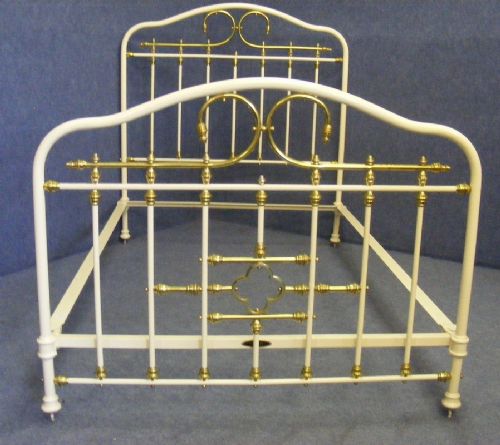
Makers utilised decorative brass detailing, such as polished caps and rails, to contrast against the painted iron body. Wood also appears in specific French bed designs, combining painted wooden structures with metal detailing to achieve distinct stylistic profiles.
Some beds arrive with such generous proportions that they demand their own postcode.
Distinguishing quality in period beds
Quality reveals itself in the substance of the metalwork, where heavier cast iron frames and substantial brass tubing provide greater structural integrity than lighter alternatives. The refinement of the casting and the precision of the joints determine how well a bedstead retains its stability over decades of use.
The finish of the painted surfaces and the state of the brass elements also dictate the overall standard. Original or sympathetic paintwork in cream or ivory, combined with well-preserved polished brass, distinguishes superior examples from those with lesser finish preservation.
R W Winfield
The Cream Brass Bed Glossary
- Cast iron
- A strong, rigid iron alloy poured into moulds to create decorative and structural bed components. It forms the heavy main frames of many Victorian bedsteads.
- Half tester
- A bed style featuring a partial canopy or tester projecting from the headboard over the upper portion of the mattress. This form adds architectural presence without enclosing the entire bed.
- No end bed
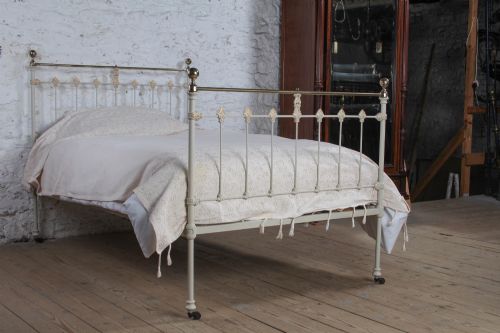
- A bedstead designed without a high footboard, providing an open aspect that suits smaller rooms. This configuration is particularly common in certain nineteenth-century Irish iron and brass models.
- Dip rail
- A headboard or footboard top rail curving downwards towards the centre. This profile appears frequently on Edwardian iron bedsteads.
- Bedstead
- A framework of a bed supporting the springs and mattresses. The term encompasses both the structural metal elements and decorative end panels.
Cream Brass Bed: Frequently Asked Questions
What sizes do these beds come in?
The selection spans single, small double, double, three quarter queen size, king size, and super king formats. Widths also include extra wide five foot six inch platform options.
These varied dimensions accommodate modern mattress standards while retaining original nineteenth and early twentieth-century proportions.
How do I identify a Victorian bed?
Victorian examples typically feature heavy cast iron or iron and brass construction, characteristic proportions, and period specific design motifs. Dating is often indicated by the combination of robust metal casting techniques and specific styles seen between 1870 and the end of the nineteenth century.
Examination of the structural joints and the composition of the brass components further helps confirm the era of manufacture.
How do I care for the painted finish?
Painted iron and wooden surfaces require gentle dusting with a dry or slightly damp cloth to prevent accumulation of grit. Avoid harsh chemical cleaners that might compromise the cream or ivory paint layers.
Preserving the original or aged painted finish maintains the character and aesthetic integrity of the bedstead.
Are these beds compatible with modern mattresses?
Many period bed frames accommodate standard modern mattress sizes, though exact dimensions can vary slightly from contemporary manufacturing standards. Checking the specific internal length and width of the bedstead ensures a proper fit for your chosen mattress.
Custom base supports or slats are frequently used to adapt these antique frames for contemporary daily use.