
Vintage Inlaid Coffee Table
A vintage inlaid coffee table brings tactile warmth and intricate surface pattern to a room through centuries-old woodworking traditions.
Vintage Inlaid Coffee Table
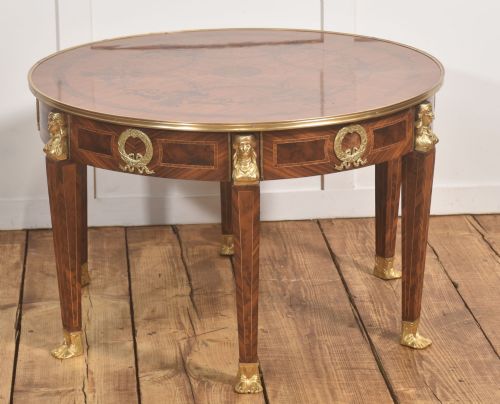
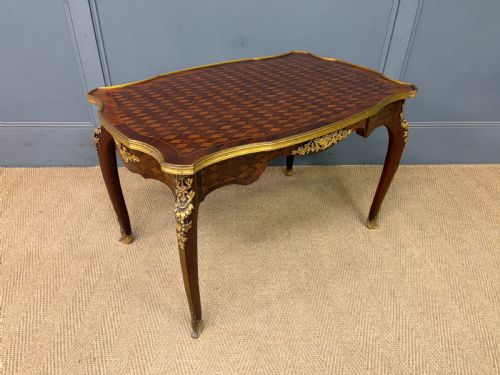
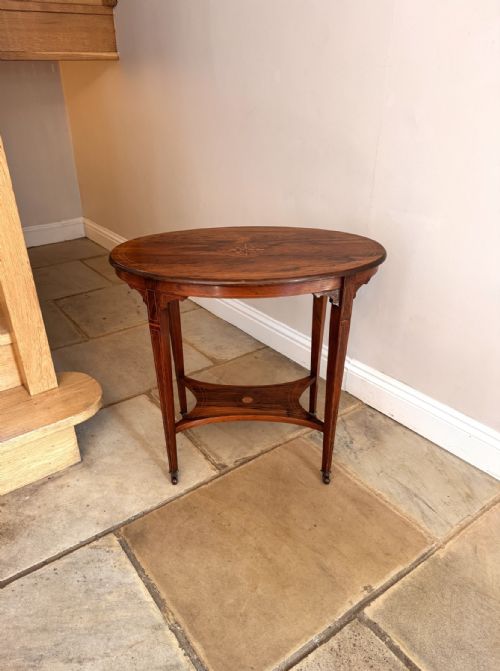
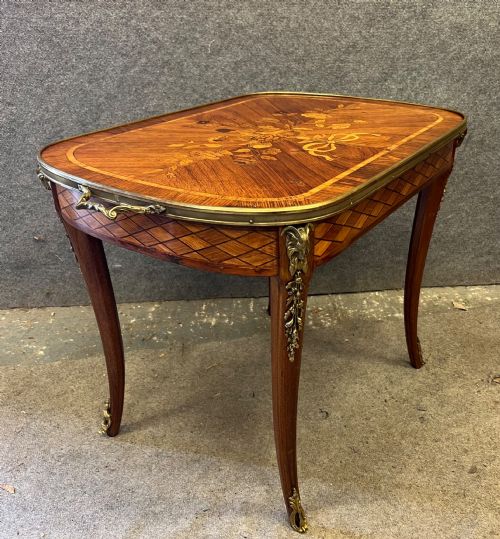
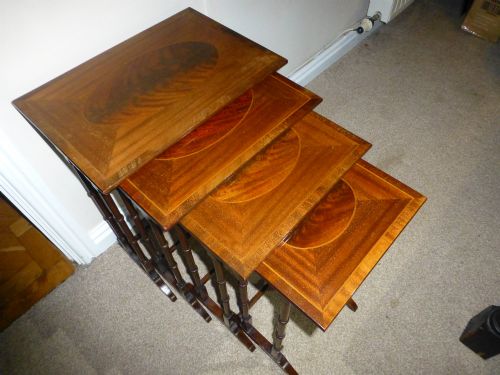
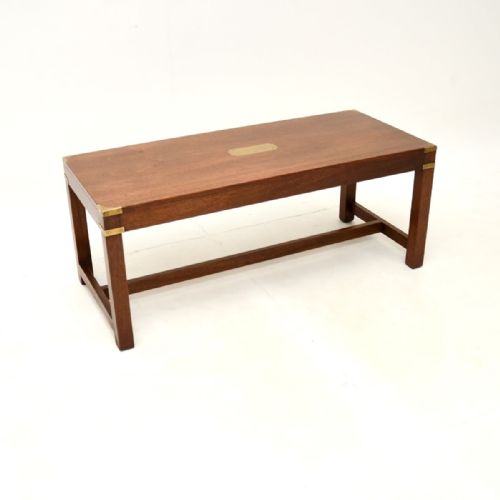
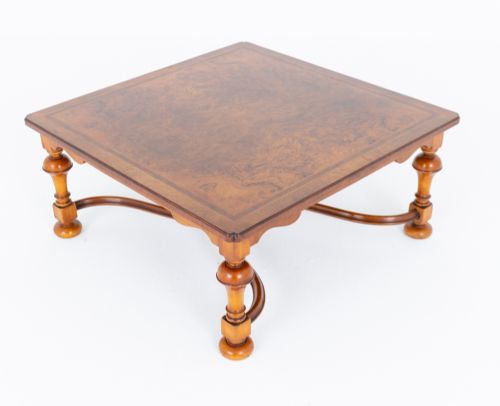
When you search for a vintage inlaid coffee table, you encounter low tables, nests of quartetto tables, and occasional tables adapted from earlier forms. The pieces span periods from the nineteenth century through the 1930s, encompassing Edwardian, Art Deco, and revivalist movements.
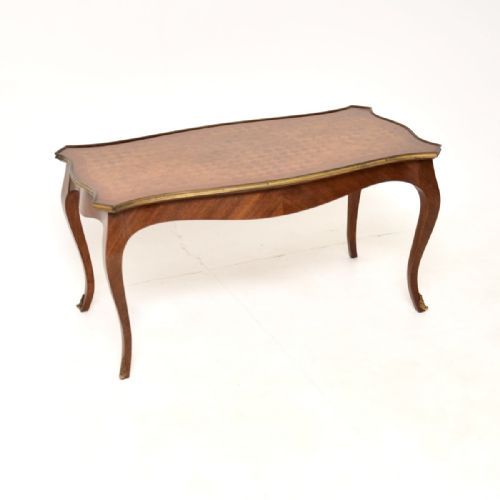
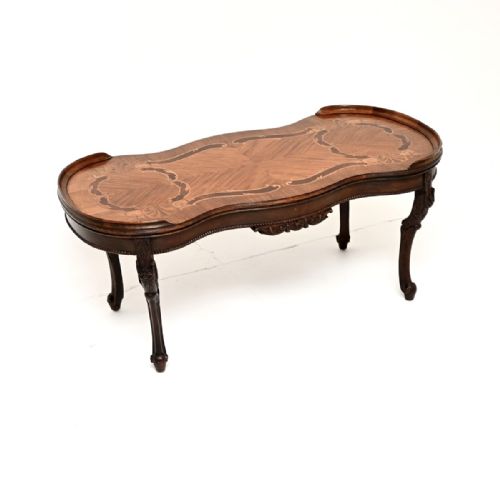
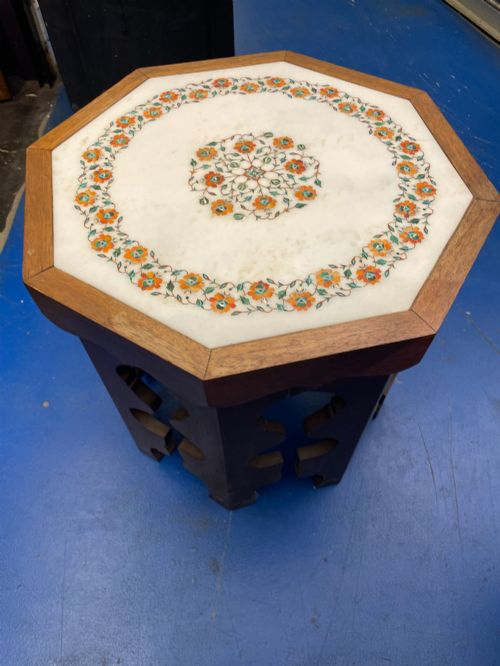
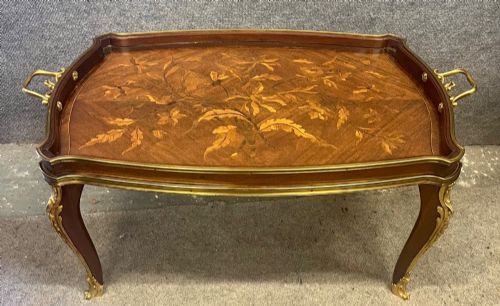
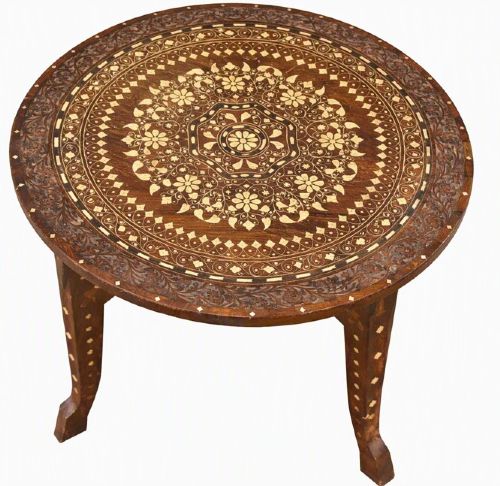
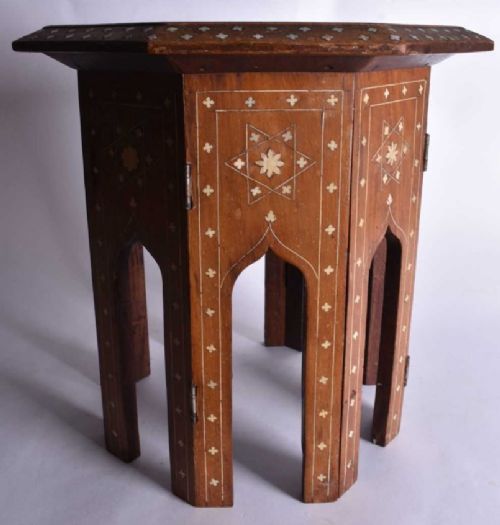
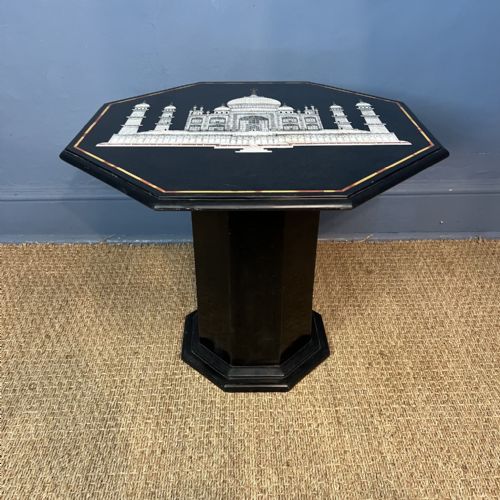
The selection ranges from French parquetry and marquetry designs with ormolu mounts to Anglo-Indian, Moorish, and Hoshiarpur tables featuring bone, mother-of-pearl, and intricate wood inlays.
Lower tables on this page frequently originate as side tables, tea trays on stands, or nesting sets lowered for modern living, bringing distinct regional craftsmanship into the domestic space.
How they were made
Cabinetmakers utilised dense timbers including mahogany, walnut, satinwood, and rosewood as grounds for intricate surface decoration. Woods such as boxwood provided pale contrasts for linear stringing and geometric motifs.
Inlayers embedded contrasting materials directly into the primary wood, incorporating brass stringing, mother-of-pearl, and carved bone. Regional workshops also constructed folding frames and octagonal structures secured with traditional joinery.
Listings feature walnut, mahogany, and rosewood timbers alongside brass, bone, and mother-of-pearl inlay across Edwardian, Art Deco, and nineteenth-century periods.
What varies in quality
The standard of a vintage inlaid coffee table depends upon the precision of the surface fit and the complexity of the botanical or geometric patterns. Crisp execution in contrasting woods separates standard production from finer cabinet work.
Material selection dictates the tier of the piece, with burr veneers, finely cast ormolu mounts, and specialised regional bone or brass work marking out the more ambitious examples.
Liberty & Co
The Vintage Inlaid Coffee Table Glossary
- Marquetry
- A technique where pieces of veneer are assembled to form decorative pictures or pictorial patterns on a wooden surface. It requires precise cutting and fitting of various woods.
- Parquetry
- Geometric wood inlay forming regular patterns such as cubes or chequered designs. This method creates durable, decorative flooring and table tops.
- Quartetto
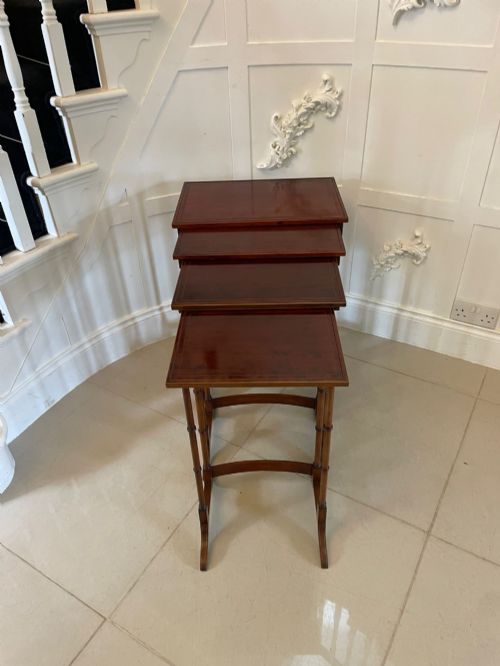
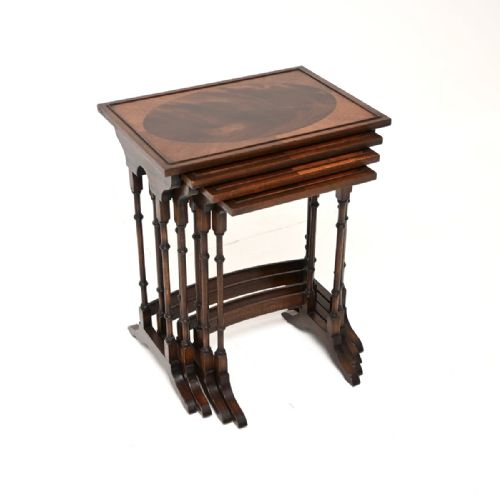
- A nested set of four tables designed to slide neatly beneath one another. They became particularly popular during the Edwardian period in mahogany and satinwood.
- Ormolu
- Gilded bronze mounts applied to furniture for decorative accent. It appears frequently on French tables from the late nineteenth and early twentieth centuries.
- Stringing
- Thin lines of contrasting wood or brass inlaid into channels cut into the surface of furniture. It defines borders and highlights table edges.
Vintage Inlaid Coffee Table: Frequently Asked Questions
How do I use a nest of tables?
Nesting tables, or quartetto sets, offer flexible surface space when entertaining guests. You can separate the graduated tables around a room for drinks or books.
When not in use, the smaller tables slide underneath the largest one to save floor space in smaller sitting rooms.
How do I identify Edwardian inlay?
Edwardian inlaid furniture often utilises light timbers like satinwood or mahogany with delicate boxwood stringing and floral motifs. The aesthetic favors refined elegance inspired by eighteenth-century Sheraton revival designs.
Construction details usually reveal lighter framing and cleaner internal secondary woods compared to earlier nineteenth-century pieces.
Where were Hoshiarpur tables made?
Hoshiarpur tables originated in the Punjab region of India, renowned for intricate woodwork and detailed inlay. Artisans carved dense hardwood structures and inlaid them with pieces of bone or shesham wood.
These tables reached Western markets in significant numbers during the late nineteenth and early twentieth centuries through retailers like Liberty & Co.