

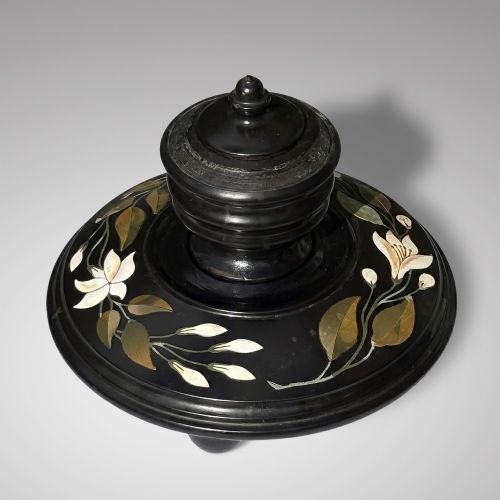


Vintage Inkstand Pot
A vintage inkstand pot sits heavy on the desktop, holding the ink and the pen ready for the page.
Vintage Inkstand Pot
A vintage inkstand pot encompasses desk accessories designed to hold liquid ink alongside dedicated stands and pounce pots for writing. These objects emerge from the nineteenth century through the Art Deco and Edwardian eras, reflecting the daily correspondence of past offices and homes.
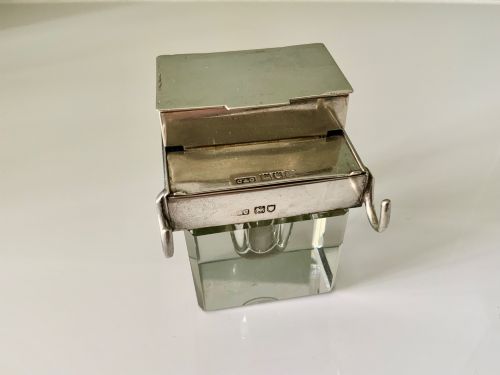
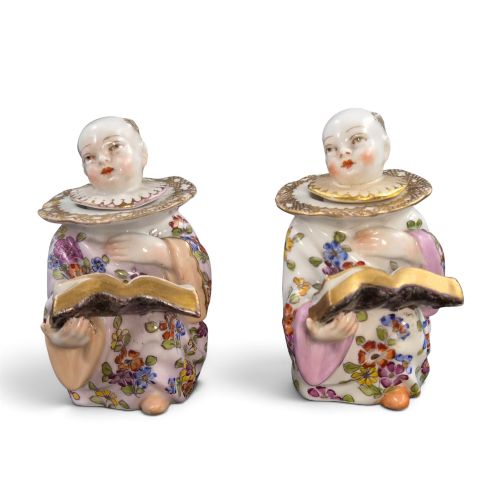
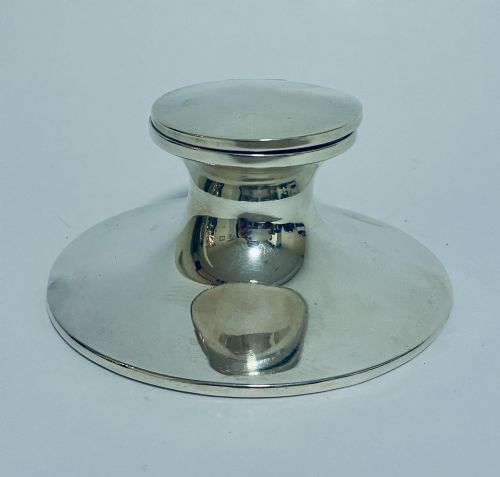
The versions met most frequently on this page include sterling silver capstan shapes, cut glass reservoirs with hinged metal lids, and ceramic or porcelain figural designs. Makers shaped these pieces to anchor a desk while keeping ink accessible for steel nibs and fountain pens.
Materials and construction
Silversmiths and bronze workers cast and hammered precious metals into capstan forms and decorative stands, often mounting them with glass liners to contain the fluid. Cut glass and crystal components underwent heavy facet cutting and polishing to catch the light on the desktop.
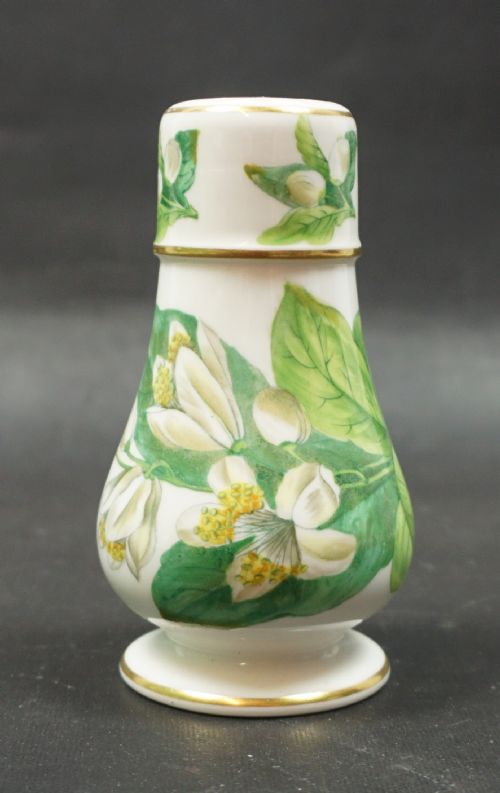
Potters moulded porcelain, pearl ware, stoneware and Staffordshire earthenware into novelty figures and floral motifs, finishing them with hand-painted details. Brass and gilt bronze foundations provided sturdy bases for delicate ceramic bodies and heavy glass inkwells.
Vintage Inkstand Pot Retail Price Guide 2026
Typical asking prices for vintage inkstand pot among the pieces listed under this phrase on Sellingantiques today, from the lower quarter to the upper quarter. They describe what is for sale here now, not the wider market.
The evidence records diverse forms including capstan inkwells, desk stands, pounce pots, and figural novelty pieces.
Judging quality and execution
Quality rests in the weight of the metal and the precision of the cut glass facets, where thick walls and crisp edges separate finer pieces from lighter production. Hallmarks on silver mounts provide clear attribution to specific makers and assay offices.
The artistic ambition of the modelling dictates the upper tier, seen in figural novelty designs and distinct Art Nouveau or Art Deco lines rather than standard utilitarian shapes. Original glass inserts and intact ceramic glazes preserve the integrity of the piece.
Edmé Samson·Tiffany & Co·Kralik or Loetz·Maurice Dufrene
The Vintage Inkstand Pot Glossary
- Capstan inkwell
- A desk inkwell shaped like a ship's capstan, featuring a wide circular base tapering up to a smaller top with a hinged lid. This form kept the ink pot stable and prevented tipping across rolling ship desks.
- Pounce pot
- A small perforated shaker used to sprinkle sand or powdered resin over freshly written ink to speed drying and prevent blotting. It forms an essential counterpart to the ink pot on a complete desk stand.
- Novelty inkwell
- An ink reservoir modelled as an animal, figure, or unusual object such as a rugby ball or bulldog. These pieces combined whimsical decoration with functional daily writing use.
- Sterling silver
- A silver alloy containing ninety-two point five percent pure silver by mass, widely utilised for the lids and collars of glass inkwells. Hallmarks stamped into the metal indicate the standard and origin.
- Cut glass
- Glassware shaped and patterned by holding it against a revolving abrasive wheel to cut deep facets and geometric designs. It adds substantial weight and brilliance to desktop ink vessels.
Vintage Inkstand Pot: Frequently Asked Questions
How do I clean a vintage ink pot?
Warm water and a soft bottle brush remove dried ink residue safely from glass and ceramic inserts without damaging old surfaces. Metal mounts require careful cleaning with appropriate polish, avoiding any contact with porous ceramic bodies.
Harsh chemical solvents or abrasive pads scratch soft metals and cut glass, permanently dulling the finish. Keeping moisture away from the underside of paper labels or felt bases preserves the original mounting.
Were these pots used with fountain pens?
Most of these ink pots served dip pens and steel nibs, which required frequent replenishment from the open well during writing. Fountain pens gained popularity later but shared desk space with traditional inkstands for decades.
The wide apertures of capstan and double inkwells accommodated multiple writers dipping different nib sizes simultaneously. Pounce pots sat alongside them to dry the wet ink lines before folding the paper.
How can I date an inkstand?
Hallmarks on silver collars and lids provide the most reliable date markers, matching specific assay office symbols and date letters. Stylistic clues like Art Nouveau whiplash curves or Art Deco geometric facets narrow the manufacturing period further.
The weight and composition of the glass, alongside the method of ceramic firing, distinguish nineteenth-century examples from later twentieth-century productions. Original ink bottles and stoppers remaining inside the stand often confirm the primary era of use.
What is the difference between an inkwell and an inkstand?
An inkwell is a single vessel designed specifically to hold a quantity of liquid writing ink, usually with a fitted lid. It can stand alone on a desk or fit inside a larger housing.
An inkstand is a broader desk accessory that incorporates one or more inkwells upon a fixed tray or base, often including space for pens, stamps, and pounce pots. This larger assembly organised the entire writing apparatus in one decorative station.