




Chinoiserie Porcelain Figure
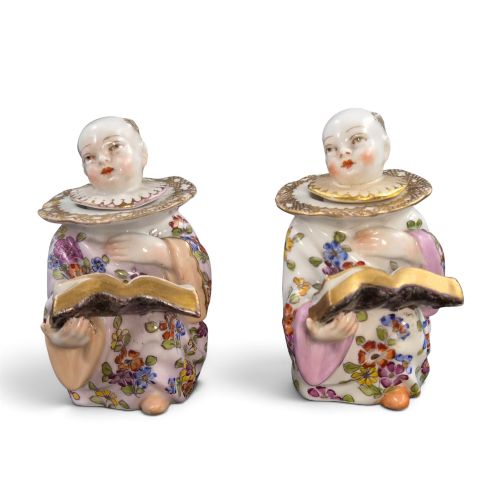
These chinoiserie porcelain figure pieces bring European interpretations of East Asian forms into domestic spaces.
Chinoiserie Porcelain Figure
When searching for a chinoiserie porcelain figure, collectors encounter diverse forms including decorative sculptures, table lamps, inkwells, and tableware spanning the eighteenth century to the early twentieth century.
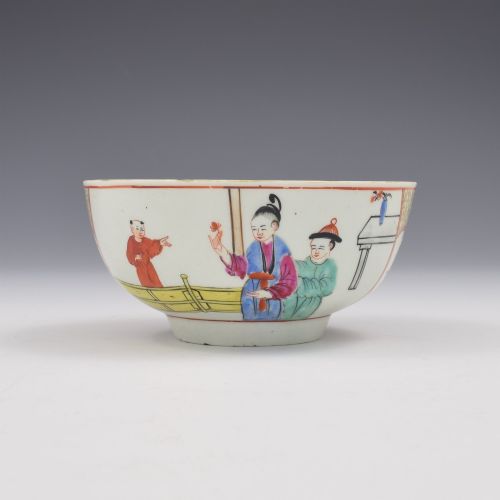
The pieces on this page range from eighteenth-century soft-paste porcelain sauce boats and slop bowls adorned with mandarin patterns to nineteenth-century French figures and nodding pagodas.
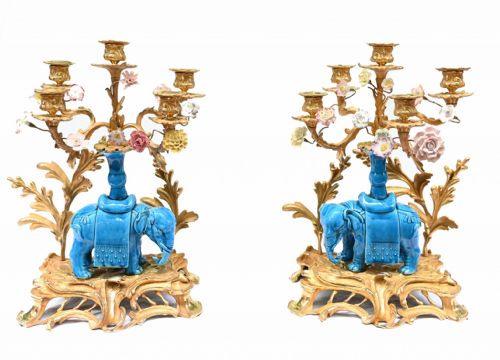
Early examples feature intricate hand-painted Chinese figures within rococo and Georgian contexts, while later interpretations often incorporate lamps and gilt bronze mounts.
Materials and Manufacture
Potters utilised hard-paste and soft-paste porcelain bodies, shaping them into figural sculptures and utilitarian vessels before applying cobalt blue glaze and enamel decoration.
Many items incorporate supplementary materials such as brass, gilt bronze, fabric, and gold leaf, particularly when figures were adapted into candelabras and lamps during later periods.
Chinoiserie Porcelain Figure Retail Price Guide 2026
Typical asking prices for chinoiserie porcelain figure among the pieces listed under this phrase on Sellingantiques today, from the lower quarter to the upper quarter. They describe what is for sale here now, not the wider market.
Listings span the eighteenth, nineteenth, and early twentieth centuries, featuring porcelain, enamel, brass, and gold leaf.
Assessing Quality
Quality depends upon the crispness of the porcelain modelling and the precision of the hand-painted enamel details across the figures and garments.
Earlier eighteenth-century productions display finer baseline artistic execution in their mandarin patterns, whereas later nineteenth and twentieth-century adaptations rely more heavily on integrated metalwork and electrification.
Edmé Samson·Dr Wall Worcester·Bow Porcelain·Meissen·Royal Worcester·Gwendoline Parnell
The Chinoiserie Porcelain Figure Glossary
- Soft-paste Porcelain
- A ceramic material composed of clay and glass frit, fired at lower temperatures than true hard-paste porcelain. It is frequently found on eighteenth-century European figures and tableware.
- Mandarin Pattern
- A decorative motif depicting Chinese figures in domestic or garden settings, popular on eighteenth-century English and continental ceramics. It reflects European fantasies of Eastern life.
- Rococo Revival
- A nineteenth-century design style drawing on the curved, asymmetrical ornamentation of the mid-eighteenth century. It often frames French porcelain figures and candelabras.
- Famille Rose
- A palette of opaque enamel colours dominated by rose pink, introduced to Chinese porcelain production in the eighteenth century and later imitated in Europe.
- Slop Bowl
- A large bowl used during tea service to hold tea leaves and dregs. Eighteenth-century examples often feature chinoiserie figure decoration.
Chinoiserie Porcelain Figure: Frequently Asked Questions
How do I date a figure?
Dating relies upon examining the porcelain body, glaze characteristics, and painting style against known factory output from the eighteenth to the twentieth century.
Changes in manufacturing techniques, such as the shift from soft-paste to hard-paste bodies, provide reliable chronological markers.
Are these pieces functional?
While early pieces served as tableware, inkwells, or sauce boats, many figures were strictly decorative or have been subsequently adapted into lamps.
Buyers should inspect individual listings to determine whether an object retains its original domestic function or has been converted.
What is chinoiserie?
Chinoiserie is a European artistic style that reflects Chinese aesthetic traditions through Western imagination, prominent in decorative arts from the eighteenth century onwards.
It manifests in porcelain figures, tableware, and furniture featuring fantastical Eastern landscapes and figures.