




Antique Chinese Boy Figure
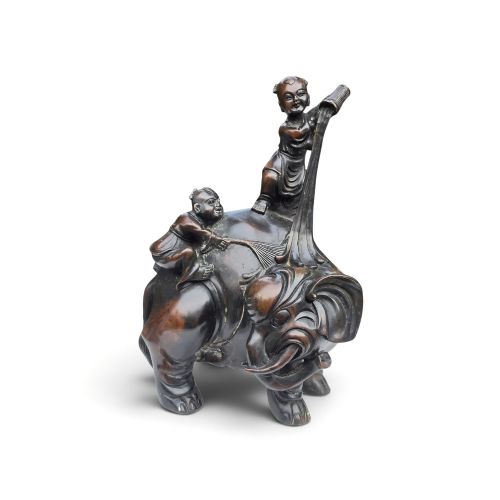
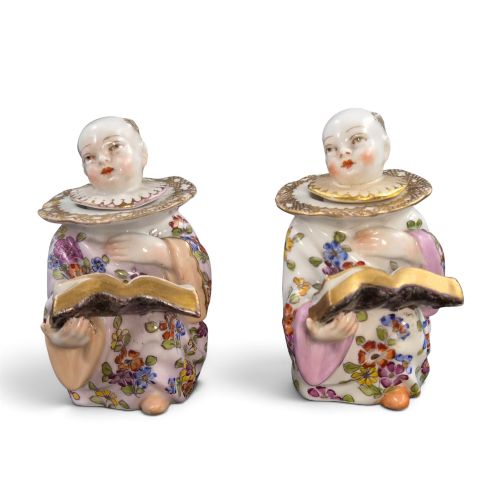
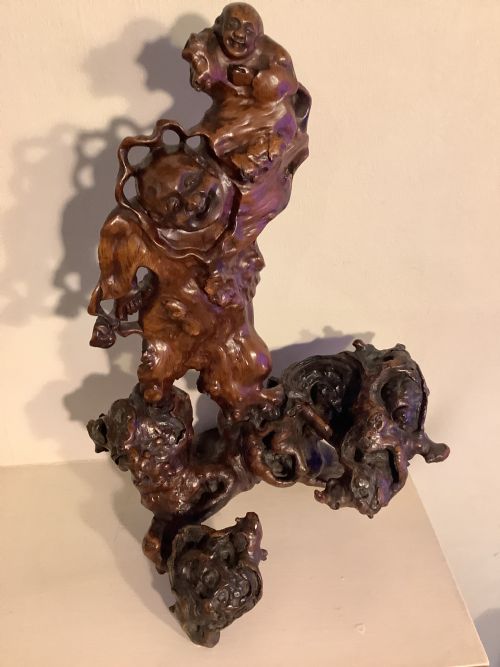
These antique chinese boy figure pieces are sculptural works in porcelain, bronze, and hardwood depicting traditional youths, prized for their expressive carving and rich cultural symbolism.
Antique Chinese Boy Figure
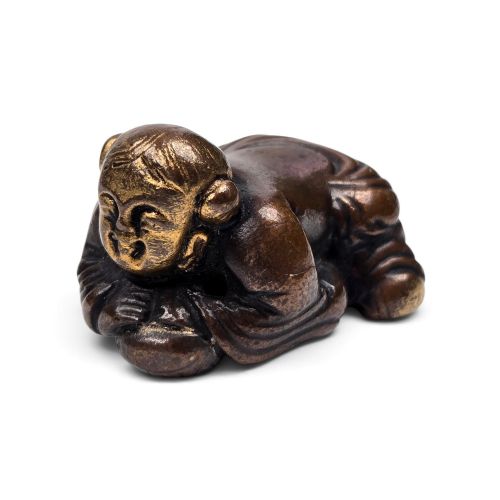
An antique chinese boy figure captures young subjects in various traditional roles, from scholarly paperweights to decorative table sculptures. Buyers searching this phrase encounter figures rendered as recumbent scholars, laughing youths, or companions to water buffaloes.
The objects span multiple centuries, appearing in forms such as bronze desk accessories, earthenware incense holders, and intricate hardwood carvings. Pieces range from Ming Dynasty scholar weights to nineteenth century root wood sculptures.
The selection includes functional items like inkwells and paperweights alongside pure decorative carvings. Collectors often find representations influenced by dynasties like the Ming and Qing, as well as European interpretations such as Chinoiserie.
Materials and construction
Carvers shaped these works from dense materials including hardwood, root wood, jade, and bone, utilising the natural grain and gnarled contours of the timber. Bronze pieces demonstrate solid casting techniques, occasionally enhanced with selective fire gilding.
Ceramic examples employ earthenware and porcelain bodies decorated with enamel palettes such as Famille Rose and Famille Verte. Artisans combined casting, hand carving, and precise ceramic glazing to achieve the varied surface textures seen across the periods.
Antique Chinese Boy Figure Retail Price Guide 2026
Typical asking prices for chinese boy figure among the pieces listed under this phrase on Sellingantiques today, from the lower quarter to the upper quarter. They describe what is for sale here now, not the wider market.
Object types on this page include sculptural inkwells, paperweights, incense holders, and freestanding root wood carvings.
Evaluating craftsmanship
Material selection dictates the upper tier of pieces, where unblemished jade, heavy cast bronze, or expertly patinated hardwoods demonstrate superior artisan skill. Condition of the original enamel work or fire gilding also separates standard examples from exceptional ones.
Edmé Samson
The Antique Chinese Boy Figure Glossary
- Famille Rose
- A palette of opaque enamels introduced in Chinese porcelain during the Qing dynasty, dominated by pink or rose colours.
- Famille Verte
- A classification of Chinese porcelain decorated primarily in green enamel alongside other colours, prominent in earlier periods.
- Fire Gilding
- An old technique where an amalgam of gold and mercury is applied to bronze and heated to bond the gold.
- Chinoiserie
- European artistic styles reflecting Chinese motifs and decorative arts, popular across various centuries.
- Wucai
- A type of polychrome porcelain decoration combining underglaze blue with overglaze enamels in multiple hues.
Antique Chinese Boy Figure: Frequently Asked Questions
What materials were used for these figures?
Makers utilised a wide array of materials, including bronze, porcelain, earthenware, jade, bone, glass, and various hardwoods like root wood.
Selection depended on the intended function, ranging from scholar's desk paperweights to decorative wooden carvings.
How do I identify the period of a figure?
Dating relies on stylistic markers associated with specific dynasties, such as Ming or Qing aesthetics, alongside the handling of materials like Famille Rose enamel.
Examining the casting quality of bronze or the natural wear on hardwood surfaces also helps determine age.
What subjects do these figures depict?
The sculptures typically portray young boys in traditional settings, sometimes shown laughing, riding water buffaloes, or holding birds' nests.
They often symbolise joy, auspicious blessings, and scholarly pursuits in Chinese culture.