
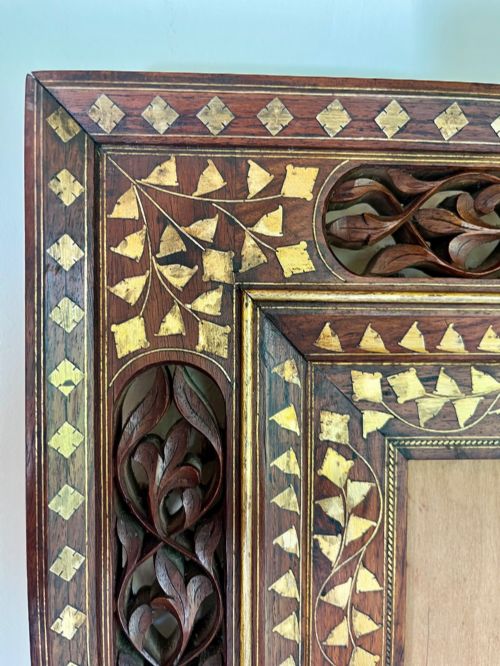


Vintage Indian Wall Mirror
A vintage indian wall mirror brings deep carved timber and intricate inlay into a room, offering both history and practical reflection.
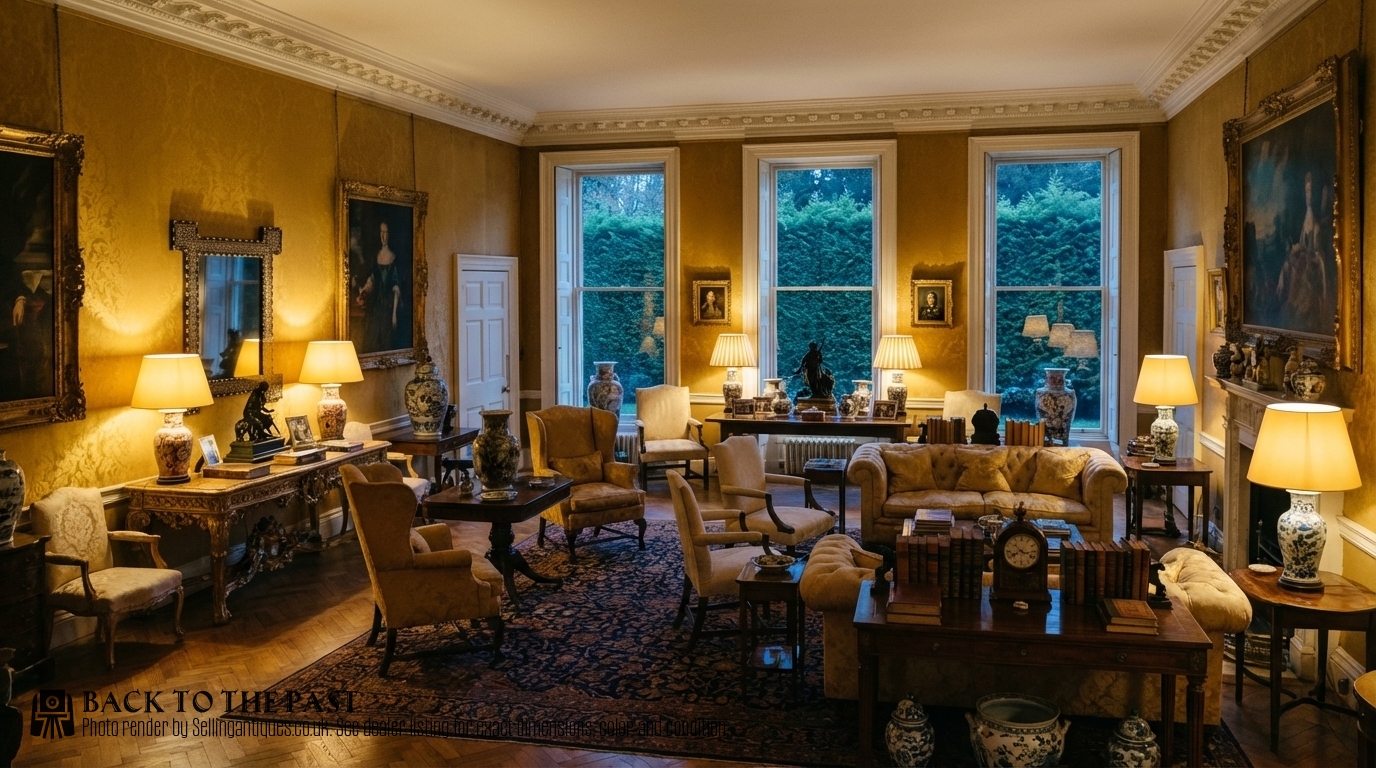
Vintage Indian Wall Mirror
When you search for a vintage indian wall mirror, you encounter pieces originating from distinct periods spanning the late nineteenth and early twentieth centuries, notably eighteen eighty through to nineteen twenty. These items typically manifest as wall mirrors, wall sconces, or large mirror frames intended for domestic display.
The objects on this page showcase notable geographical diversity, featuring regional items from Northern India alongside distinctive Hoshiarpur examples. Stylistic influences include Anglo-Indian design, Ottoman Revival motifs, and Victorian proportions.
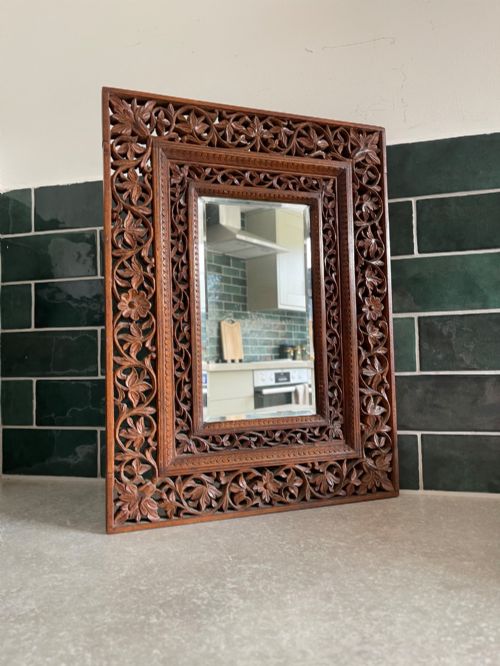
Forms vary from standard wall mirrors to pairs of mirrored sconces and fretwork frames. Buyers frequently meet items fashioned from dense hardwoods adorned with contrasting decorative details.
How they were made
Maker-craftsmen constructed these frames using solid timbers such as teak, rosewood, shisham, walnut, and general hardwoods. Artisans shaped these robust woods through extensive carving and joinery techniques suited to supporting reflective glass.
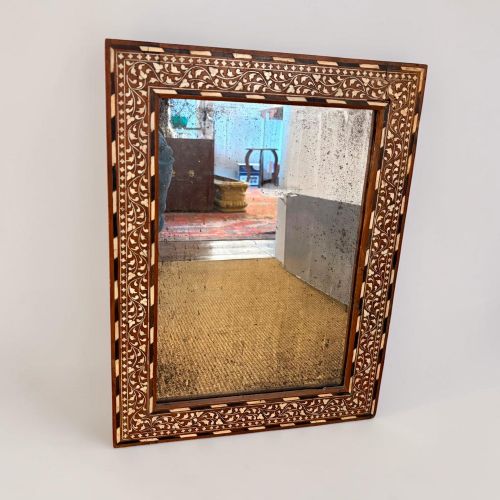
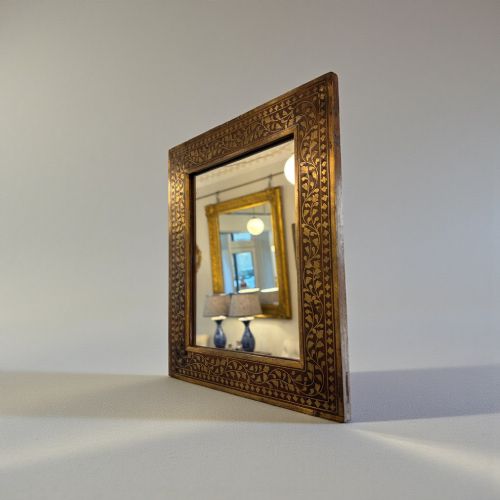
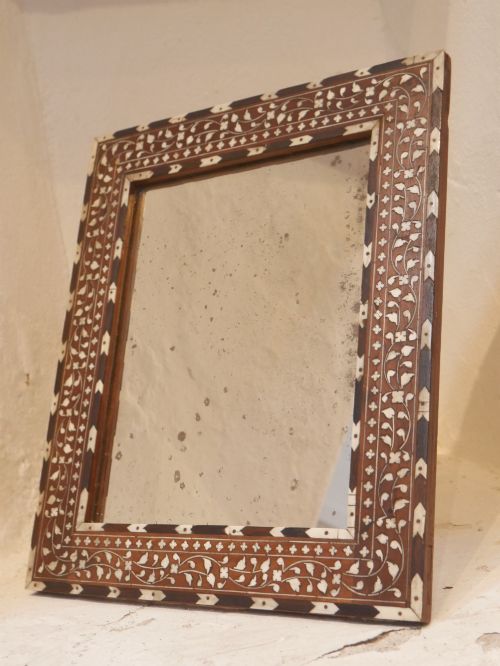
Surface ornamentation relied on meticulous inlay work utilising brass, bone, and ivory elements embedded directly into the timber base. Carved relief patterns frequently cover the entire visible wooden surface of the frame.
Listings span four distinct decades from eighteen eighty to nineteen twenty, featuring materials such as brass, bone, ivory, and multiple hardwood varieties.
What varies in quality
Quality separates ordinary production from superior work through the density and precision of the surface carving. Deeply undercut foliage and geometric motifs demand greater skill from the artisan than shallow surface scoring.
The finesse of the inlay work further defines the upper tier of these pieces. Fine bone, ivory, or brass sections fitted tightly into carved channels demonstrate superior craftsmanship compared to simpler arrangements.
The Vintage Indian Wall Mirror Glossary
- Hoshiarpur
- A town in Punjab renowned for its traditional wood carving and inlay work. Pieces from this centre often feature dense floral patterns.
- Shisham
- A durable Indian rosewood utilised frequently for carved furniture and frames. Its rich grain accepts intricate hand-chiselling well.
- Anglo-Indian
- A descriptive term for items produced in India during the British period for domestic or export markets. These objects combine local craft traditions with European furniture forms.
Vintage Indian Wall Mirror: Frequently Asked Questions
Where were these mirrors made?
These items originated in India during the nineteenth and early twentieth centuries, with several specific examples attributed to Hoshiarpur.
Craftsmen in these regions produced carved wooden wares for both local use and export to British buyers.
What materials are used?
Construction relies predominantly on dense hardwoods including teak, rosewood, walnut, and shisham.
Surfaces feature decorative inlay work executed in brass, bone, and ivory alongside traditional mirror glass.
How do I hang them?
Due to the substantial weight of solid hardwood frames, secure wall fixings are essential.
Ensure appropriate brackets or screws support the specific weight of the timber and glass combination.
What styles are available?
The selection includes Anglo-Indian designs, Ottoman Revival influences, and Victorian fretwork proportions.
Carved floral motifs and geometric inlay patterns dominate the decorative repertoire across these various styles.