


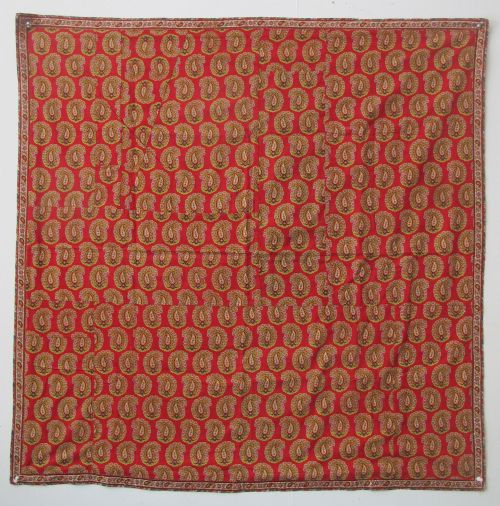


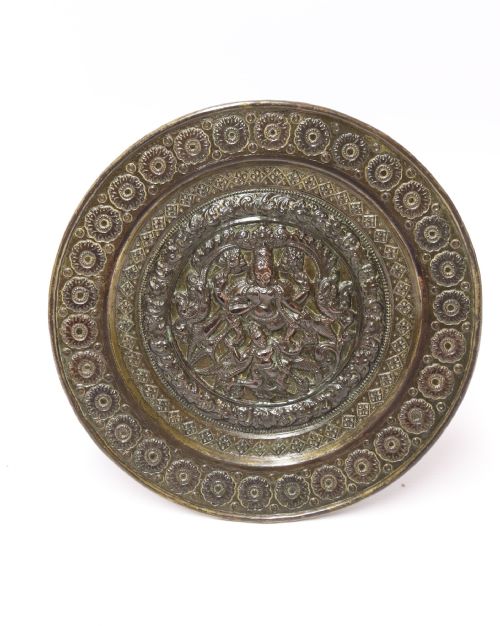


Vintage Indian Wall Hanging
A vintage indian wall hanging brings rich textiles, intricate embroidery and carved panels straight from South Asian traditions into your interior.
Vintage Indian Wall Hanging
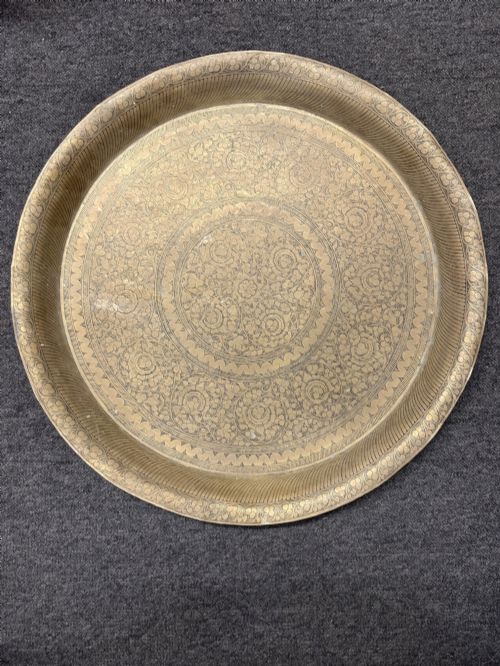
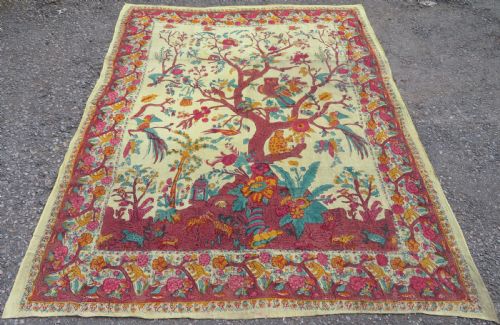
When you search for a vintage indian wall hanging, you find a diverse range of textiles, carved wood panels and wall mirrors originating from the nineteenth and early twentieth centuries. These decorative works encompass traditional kalamkari temple paintings, blockprint cloths and embroidered silk panels that showcase centuries of regional craftsmanship.
You are most likely to meet framed textile art, textile wall hangings and specimen wood panels dating from periods like the Edwardian era and the late nineteenth century. These objects function primarily as wall art, bringing historic patterns and rich coloration into domestic spaces.
The selection includes specific regional items such as Kashmiri chain stitch rugs, Sindh embroidered shawls and Banjara textiles. Each piece reflects the distinct aesthetic of its origin, spanning Anglo-Indian designs to traditional South Asian folk traditions.
How they were made
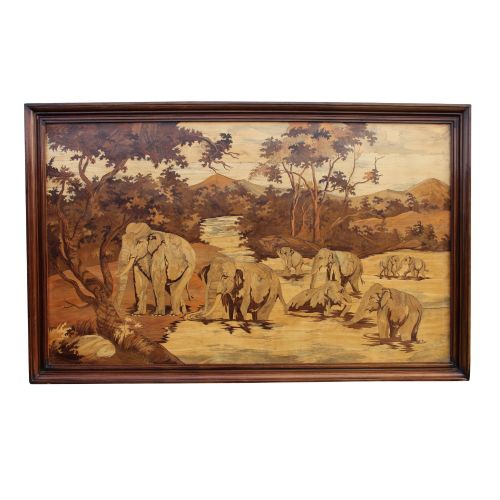
Maker workshops utilised natural materials including cotton, silk, wool and velvet as foundations for intricate needlework and block printing. Artisans employed natural dyes to achieve deep colour palettes on textiles, while others carved detailed marquetry and fretwork into rosewood, teak and mahogany.
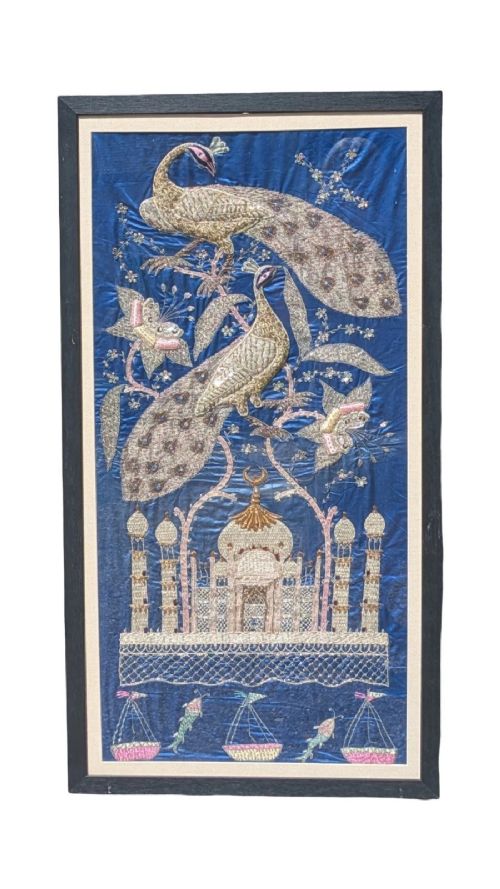
Embroidery techniques range from fine silk thread work depicting figures like the Taj Mahal and peacocks to heavy crewelwork and chain stitch rug weaving. Woodworkers combined complex inlay methods with mirrored glass to create decorative wall mirrors and large relief panels.
Vintage Indian Wall Hanging Retail Price Guide 2026
Typical asking prices for vintage indian wall hanging among the pieces listed under this phrase on Sellingantiques today, from the lower quarter to the upper quarter. They describe what is for sale here now, not the wider market.
Listings feature items dated from the nineteenth century through the 1930s, incorporating cotton, silk, wool, rosewood and teak.
What varies in quality
Quality rests upon the density of the hand embroidery, the intricacy of the block printing and the preservation of natural dyes across the fabric ground. Finer examples display meticulous needle control and precise pictorial narratives, particularly in figurative silk and velvet works.
In wooden panels and mirrors, the standard depends on the depth of the carving, the precision of the marquetry inlay and the stability of the timber frame. Pieces that retain their original structural integrity and vibrant coloration stand clearly apart from lesser items.
The Vintage Indian Wall Hanging Glossary
- Kalamkari
- A traditional type of hand-painted or block-printed cotton textile produced in India. These pieces often depict Hindu stories and temple scenes using natural dyes.
- Marquetry
- The art and craft of applying pieces of veneer to a structure to form decorative patterns. In these listings, it appears on large wooden panels depicting figures and animals.
- Crewelwork
- A type of surface embroidery using wool on a fabric ground. This technique creates textured wall hangings and carpets with dense, tactile designs.
- Palampore
- A type of hand-painted or printed bed cover or hanging produced for export. They typically feature elaborate tree of life or floral motifs.
- Fretwork
- Ornamental work consisting of interlaced or perforated designs created in wood. It appears on mirrors and decorative plaques from the nineteenth century.
Vintage Indian Wall Hanging: Frequently Asked Questions
How do I hang a textile wall piece?
Heavy textiles and carpets often require a custom wooden batten or sleeve sewn to the top edge for secure wall mounting. Lighter panels can sometimes be displayed inside custom frames behind glass to protect fragile silk and embroidery threads.
Ensure the hanging method distributes the weight evenly across the entire width of the textile to prevent stretching or tearing over time. Avoid direct sunlight to keep natural dyes from fading.
What is an Anglo-Indian panel?
An Anglo-Indian panel is a decorative wooden or textile item made in India during the British colonial period, often combining local motifs with European furniture forms. These pieces frequently showcase detailed marquetry, carving or inlay work.
They reflect an exchange of styles between local artisans and British commissioners, resulting in distinct decorative objects tailored for export and domestic use.
Are these textiles fragile?
Older fabrics containing silk, velvet or metal threads require careful handling to preserve their structural integrity. Dust them gently with a soft brush and keep them away from excessive moisture and direct heat.
Displaying them out of harsh light helps maintain the stability of natural fibres and the vibrancy of the original dyes.
How do I identify a nineteenth-century piece?
Nineteenth-century items often display hand-spun cotton or silk grounds, natural dye variations, and traditional hand-embroidery methods that differ from later machine production. Examining the reverse side of textiles reveals hand-knotted stitches and uneven weave patterns.
Wood panels from this era typically show period timber types like rosewood and teak, alongside traditional joinery and deep hand-carved relief work.