




Vintage Impressionist Sea Painting
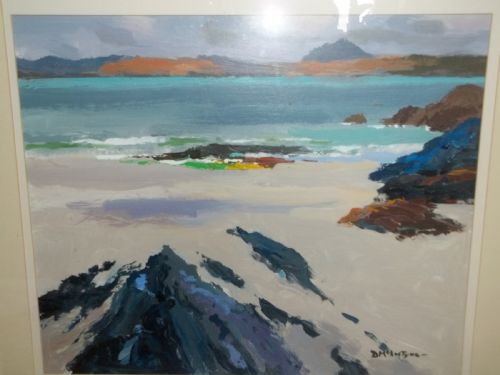
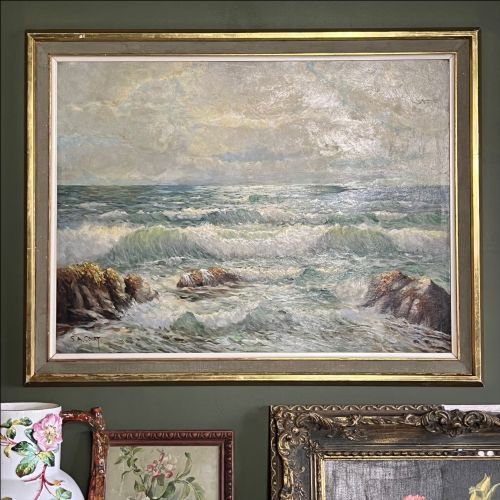
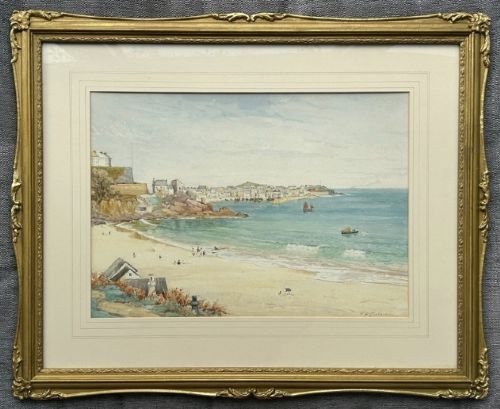
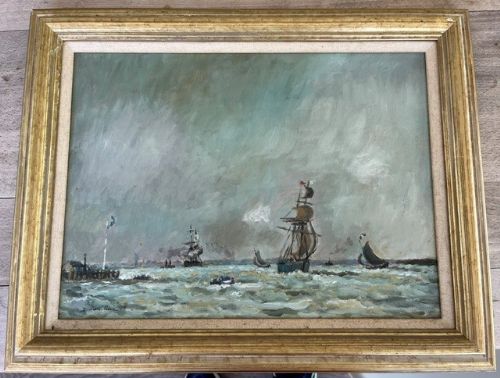
A vintage impressionist sea painting captures coastal light and water through loose brushwork, bringing the movement of the tides directly into a room.
Vintage Impressionist Sea Painting
A vintage impressionist sea painting typically depicts harbours, cliffs, and coastal scenes through expressive brushwork and atmospheric colour. These works focus on the play of light upon water rather than strict topographical detail.
The selections available here range from Cornish harbours to the sunlit shores of the French Riviera and the Mediterranean. Most examples date from the early decades of the twentieth century, alongside select late nineteenth-century watercolours and mid-century oils.
Buyers will encounter various formats, including oil on canvas, oil on board, and watercolour on paper. Many are housed in period gilt frames that complement the luminous palette of the artwork.
How they were made
Artists usually worked en plein air directly on the coast, applying oil paint or watercolour to canvas, board, or paper to capture fleeting atmospheric conditions. This direct method demanded speed and confidence before the light changed.
Brushstrokes range from thin, fluid washes in watercolours to thick, textured impasto in oils that gives physical body to crashing waves and rocky cliffs. Pigments were often mixed to reflect the specific blues, greens, and golden tones of southern and British waters.
Vintage Impressionist Sea Painting Retail Price Guide 2026
Typical asking prices for vintage impressionist sea painting among the pieces listed under this phrase on Sellingantiques today, from the lower quarter to the upper quarter. They describe what is for sale here now, not the wider market.
Several canvases retain faint grains of actual coastal sand trapped within the thick impasto paint applied beside windy shores.
What varies in quality
Quality rests upon the artist's ability to render light and movement with economy of mark, distinguishing confident works from stiff or formulaic compositions. The most accomplished paintings capture the genuine shimmer of coastal air and the heavy swell of the sea.
The integration of the frame also influences the overall standard, as period gilt mouldings designed specifically for the canvas enhance the presence of the artwork. Surface preservation, including the stability of the paint layer and the absence of heavy overpainting, ensures the integrity of the piece.
Sidney A. Court·William Banks Fortescue·Raymond Moritz·Jean-Baptiste Olive·William Lee Hankey·Roger de la Corbiere·Frederick Stuart Richardson·James Torrington Bell·Alastair Flatterly·J De Breanski·John William Gilroy·Harry John Pearson
The Vintage Impressionist Sea Painting Glossary
- Impasto
- Paint applied thickly to a canvas or board, standing out in relief to give texture to water or rock surfaces.
- En plein air
- Painting outdoors in natural light, allowing artists to observe coastal weather and shifting tides directly.
- Gilt frame
- A wooden picture frame coated with gold leaf or metallic paint, frequently found enclosing period marine oils.
- Provenance
- The documented history of a painting's previous ownership and origin, which helps verify attribution.
Vintage Impressionist Sea Painting: Frequently Asked Questions
How do I clean an oil painting?
Surface dust should be removed gently with a soft, dry brush by someone experienced with delicate canvases. Chemical cleaners or moisture must be avoided to prevent damage to the pigment.
Professional conservators should handle deeper cleaning or varnish removal. Attempting home remedies often harms the fragile paint layers beneath.
Where should I hang a seascape?
Choose a wall with indirect natural light to prevent glare on the glass or varnished canvas surface. Direct sunlight will fade watercolours and oils over prolonged periods.
Keep paintings away from heat sources like radiators and damp walls such as exterior corners. Stable indoor humidity protects both the canvas and the original frame.
Are these paintings signed?
Many works bear the artist's signature, sometimes indistinctly marked within the lower corner of the composition. Signatures provide a direct link to the painter and assist in research.
Unsigned paintings still appear from the period, often attributed through style, technique, or inscriptions on the reverse. The quality of the brushwork remains the primary indicator of merit.
How do I know the date?
Dates are gathered from artist biographies, exhibition records, and stylistic markers typical of early twentieth-century movements. Canvas stamps and frame construction also offer clues to the approximate decade of creation.
Inscriptions on the reverse of boards or stretchers frequently note locations and years. Comparative analysis with dated works by the same hand confirms the timeline.