

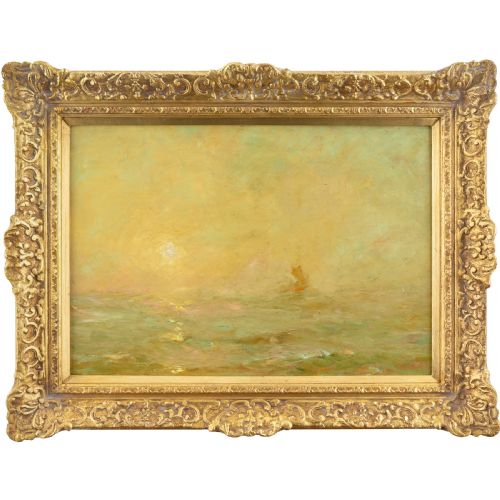
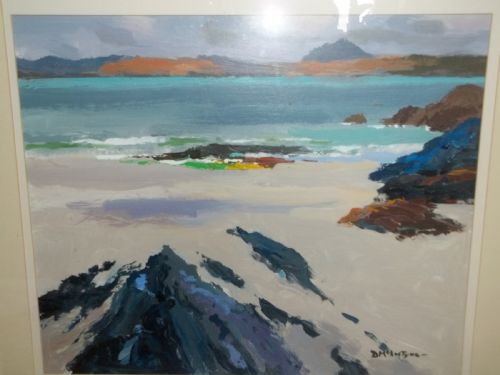

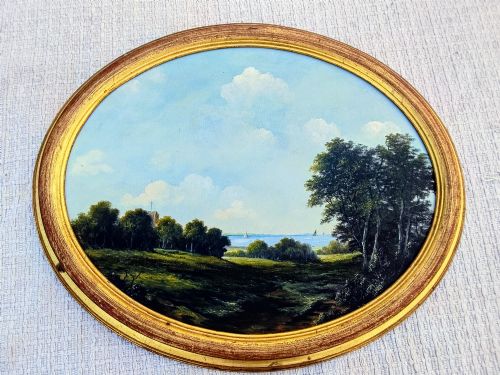
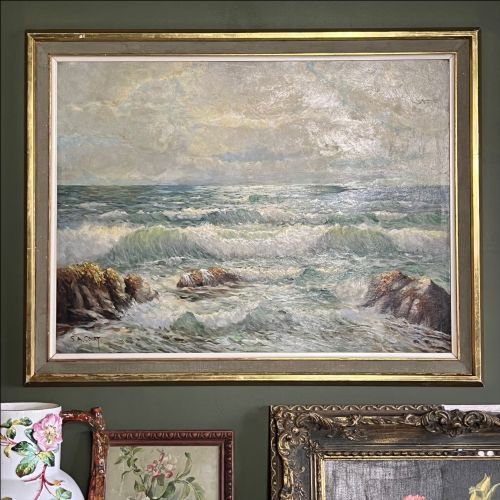


Original Sea Oil Painting
An original sea oil painting captures the restless movement of water, offering a timeless window into historic maritime life and coastal vistas.
Original Sea Oil Painting
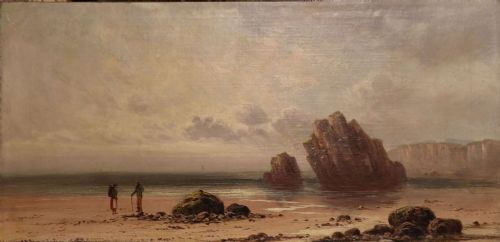
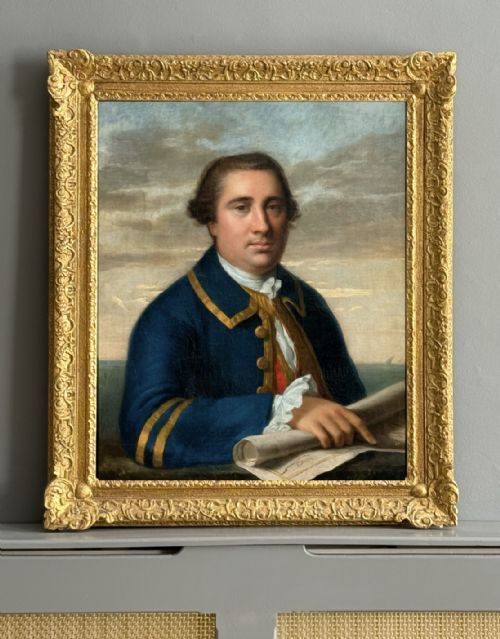
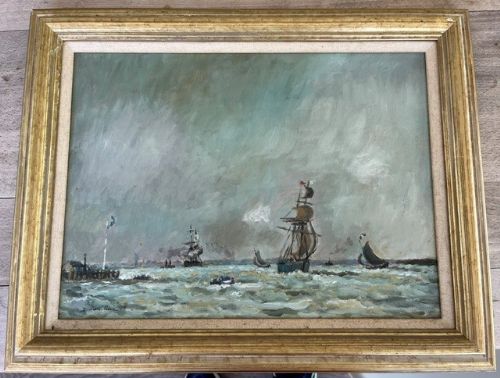
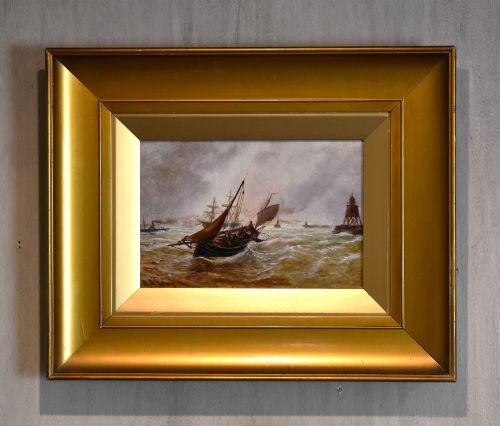
An original sea oil painting encompasses historic maritime scenes, dramatic coastal storms, and tranquil harbour views executed by hand. These works document centuries of seafaring heritage, naval engagements, and quiet shores through expressive brushwork.
Buyers frequently encounter nineteenth-century British and French school canvases depicting sailing ships, fishing trawlers, and rocky cliffs. Pieces range from detailed Victorian maritime accounts to looser twentieth-century impressionist studies of light and water.
The selection bridges romantic depictions of clipper ships battling rough seas with sunlit Mediterranean ports and quiet beach scenes. Each canvas preserves a specific coastal atmosphere dictated by the prevailing artistic style of its era.
How They Were Made
Artists applied oil paint using traditional bristle brushes and palette knives onto prepared woven canvas, sturdy wooden panels, or heavy artist board. The slow-drying nature of oil medium allowed painters to blend luminous skies seamlessly into churning waves.
Many works were painted en plein air directly on the shoreline to capture fleeting atmospheric conditions like sea mist and changing tides. Ground layers and varnishes protected the organic pigments from moisture and environmental degradation over the decades.
Original Sea Oil Painting Retail Price Guide 2026
Typical asking prices for original sea oil painting among the pieces listed under this phrase on Sellingantiques today, from the lower quarter to the upper quarter. They describe what is for sale here now, not the wider market.
The listings span from the eighteenth to the mid-twentieth century, featuring British and French coastal scenes rendered in oil on canvas, board, and wood panel.
What Varies in Quality
Quality rests upon the artist's command of perspective, anatomy of water, and handling of natural light across the sea surface. Superior examples demonstrate confident brushwork that conveys the heavy weight of waves and the transparent depth of coastal shallows.
The sophistication of the composition and the subtlety of colour mixing distinguish master works from standard school pieces. Original framing, particularly period gilt wood moulding, further enhances the historical integrity and presentation of the artwork.
Lemuel Francis Abbott·Bernard Benedict Hemy·Raymond Moritz·Charles Napier Hemy·Jean-Baptiste Olive·Charles Malfroy·Thomas Rose Miles·Daniel Sherrin·John William Gilroy
The Original Sea Oil Painting Glossary
- Impasto
- Thick application of oil paint that stands proud of the canvas surface. This technique creates physical texture, often utilised to emphasise the frothy crest of a breaking wave.
- En plein air
- The practice of painting outdoors to capture direct observation of light and weather. Painters working by the shore used this method to record authentic coastal conditions.
- Gilt frame
- A wooden picture frame coated with gold leaf or metallic paint. These ornate borders were designed to complement maritime canvases and protect their edges.
- Provenance
- The documented history of ownership and origin for an artwork. Clear records help verify the attribution and age of historic marine paintings.
- Marine art
- Artistic representation of the sea, ships, and coastal environments. This genre encompasses everything from naval battle scenes to quiet fishing harbours.
Original Sea Oil Painting: Frequently Asked Questions
How do I date an old sea painting?
Dating relies on examining the stretcher frames, canvas preparation, and the specific attire of any figures depicted within the scene. Stylistic clues such as the design of shipping vessels or prevailing artistic movements also point to a specific decade.
Signatures, exhibition labels, and inscriptions on the reverse provide definitive chronological markers. Comparing the technique to known dated works by regional schools narrows the timeframe further.
Where should I hang a marine oil painting?
These works suit traditional studies, living rooms, and hallways where adequate wall space allows for proper viewing distances. Select locations away from direct sunlight and damp environments to protect the canvas and oil pigments.
Pairing the canvas with traditional furniture enhances the historic character of the room. Adequate ambient lighting brings out the subtle tonal variations in the water and sky.
What is the difference between board and canvas?
Canvas is a flexible woven fabric stretched over a wooden frame, offering slight give and a traditional textured surface. Board provides a rigid, solid support made from wood or compressed pulp, often utilised for smaller plein air studies.
Canvas works were generally favoured for larger formal commissions intended for grand interior display. Board paintings frequently represent spontaneous outdoor captures made directly on location by travelling artists.
How do I care for an antique oil painting?
Maintain stable indoor humidity and temperature levels to prevent the canvas from slackening or the wooden panel from warping. Avoid touching the paint surface with bare hands to protect the delicate topmost layers of varnish.
Dust the frame and canvas gently using a soft, dry brush without applying pressure. Professional conservationists should handle any deeper cleaning or structural repairs required over time.