



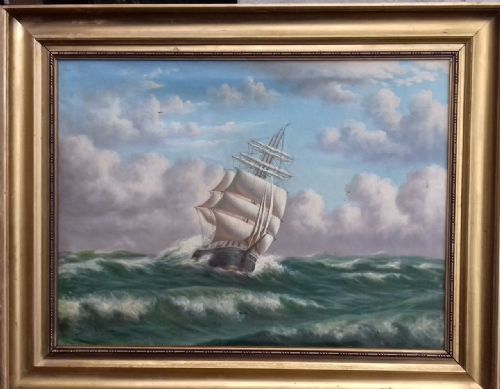

Green Ocean Oil Painting
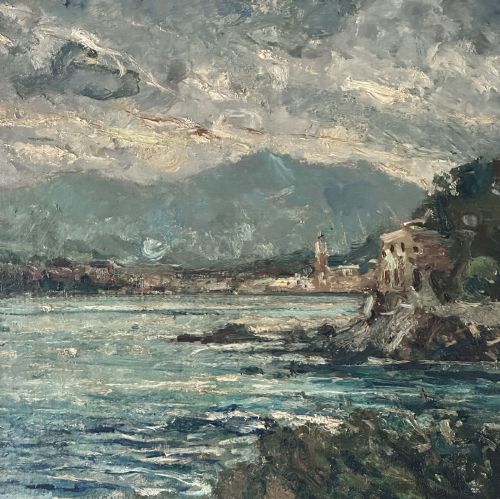
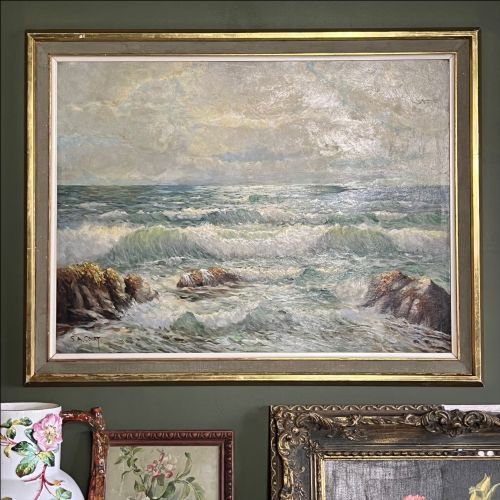
These green ocean oil painting examples capture coastal waters across the nineteenth and twentieth centuries in oil and canvas.
Green Ocean Oil Painting
A green ocean oil painting depicts maritime scenes, coastal views and open seas through oil paint applied to canvas, board or wood panels. Buyers seeking a green ocean oil painting encounter works ranging from mid-nineteenth century Dutch school depictions to mid-century French and British impressionist pieces.
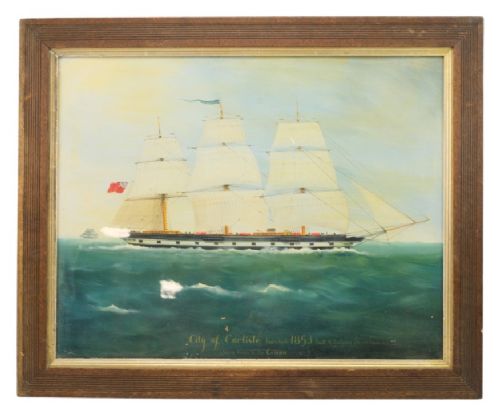
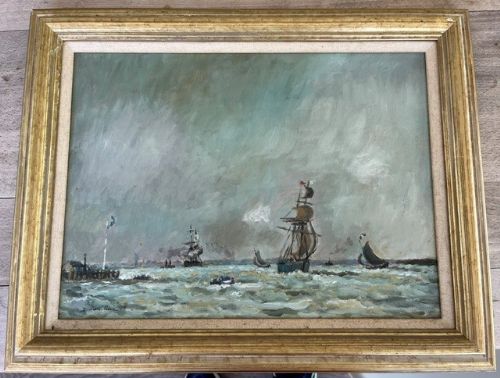
The selections span Victorian marine art, modern British works and specific coastal locations such as Cornwall, Wales, the Isle of Man and the Cantabrian Coast. These paintings record shipping vessels, fishing boats, liners and rocky coastal seascapes rendered by various European and British artists.
How They Were Made
Artists painted these works using oil paint on supports including stretched canvas, wooden boards and panels, sometimes framed with gold leaf or gilt moulding. Certain pieces utilise en plein air techniques to capture natural light directly on location.
Impasto application builds thick texture on the surface to suggest crashing waves and sea spray, while other works employ smoother brushwork for calmer open waters.
Green Ocean Oil Painting Retail Price Guide 2026
Typical asking prices for green ocean oil painting among the pieces listed under this phrase on Sellingantiques today, from the lower quarter to the upper quarter. They describe what is for sale here now, not the wider market.
Geographic subjects across the selection include Welsh bays, Cornish shores, Dutch coastal waters and liners on the Dempster Line.
What Varies in Quality
Quality rests in the handling of light, atmospheric depth and the convincing movement of water across the canvas. Superior examples demonstrate confident brushwork and precise tonal control in rendering the shifting colours of the sea.
The distinction between standard decorative works and master creations lies in the artist's ability to capture the specific weight and transparency of ocean waves.
Sidney A. Court·Marie-Edouard Adam·Charles Cameron Baillie·James Watson·Donald McIntyre·Charles Martin Powell·Alastair Flatterly
The Green Ocean Oil Painting Glossary
- Impasto
- Paint applied thickly to a canvas so that it stands out from the surface. This technique creates a tactile quality that mimics the texture of foam and waves.
- En plein air
- The practice of painting outdoors directly from the subject. Artists using this method record transient effects of natural light on water.
- Gilt
- A thin layer of gold applied to wood framing. This finish enhances the presentation of antique marine canvases.
- Marine art
- Artwork that depicts or draws its main inspiration from the sea. Such pieces include depictions of shipping, coastal views and maritime engagements.
- Provenance
- The chronology of the ownership of a work of art. Documented history establishes authenticity and previous collections.
Green Ocean Oil Painting: Frequently Asked Questions
How do I date an ocean oil painting?
Dating relies on stylistic evidence, canvas preparation, stretcher construction and artist signatures recorded in the inventory. Framing style and written inscriptions on the reverse also provide clues to the period.
Comparative analysis with documented works from the same school helps narrow down the decade of creation.
Where should I hang a marine painting?
Display these works away from direct sunlight and fluctuating heat sources to protect the oil paint and canvas. Stable room temperatures prevent warping of wooden panels and stretcher frames.
Consider eye-level placement on neutral walls where adequate natural or picture lighting can illuminate the darker green and blue pigment tones.
What is the difference between canvas and board?
Canvas is fabric stretched over a wooden frame, offering flexibility and traditional texture. Board provides a rigid wooden support that resists punctures but requires careful handling to prevent edge chipping.
Both materials were used across different periods depending on the artist's preference for working en plein air or in a studio.