



Vintage Imari Porcelain
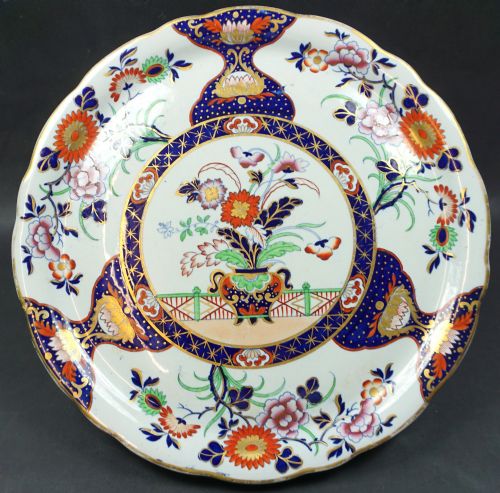
These vintage imari porcelain pieces bring rich iron-red and cobalt-blue palettes to domestic interiors, combining centuries-old Japanese traditions with English interpretations.
Vintage Imari Porcelain
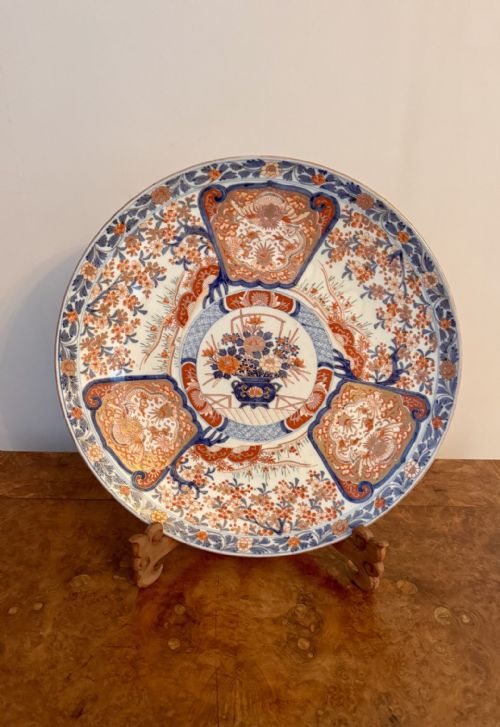
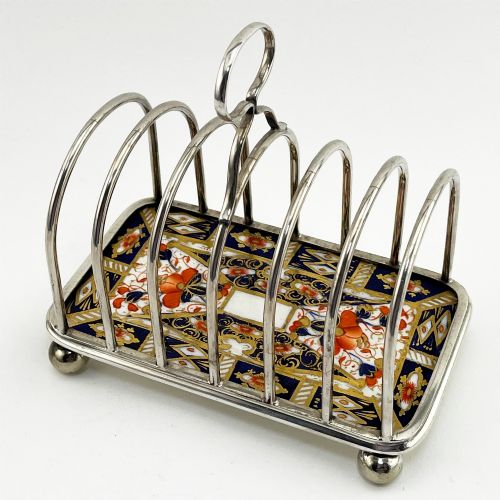
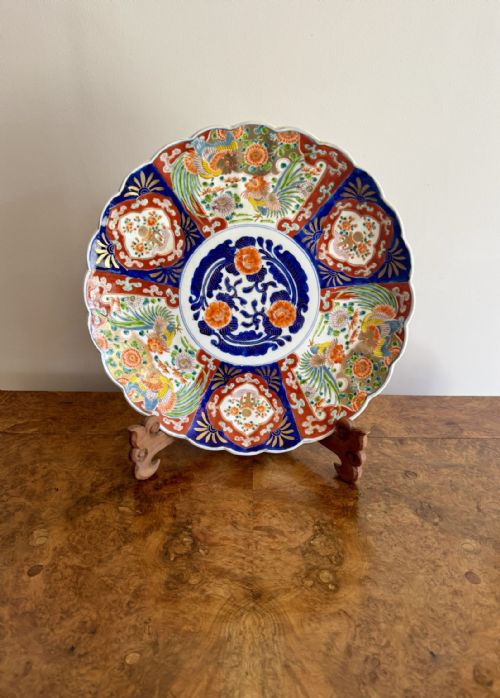
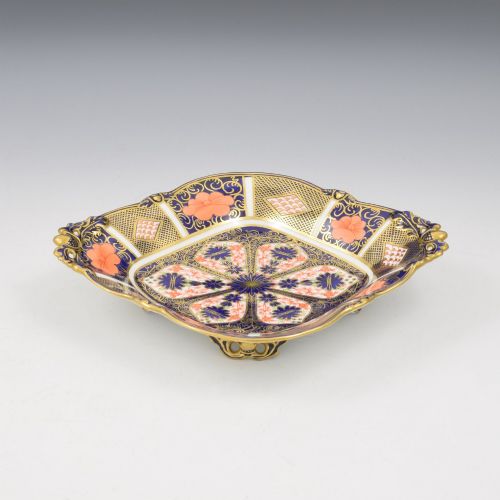
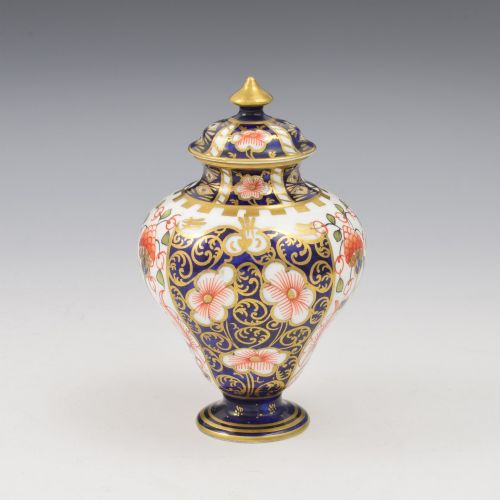
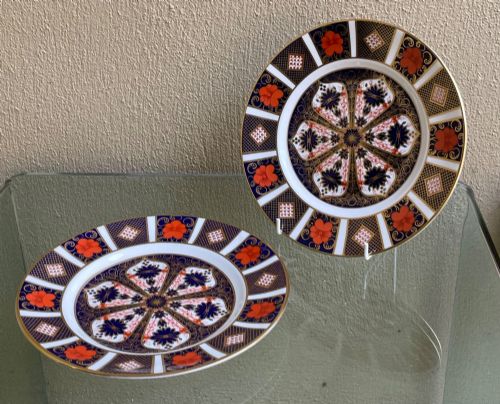
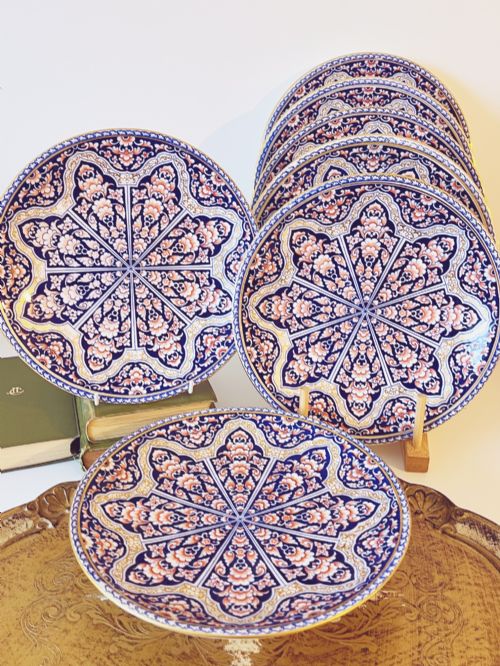
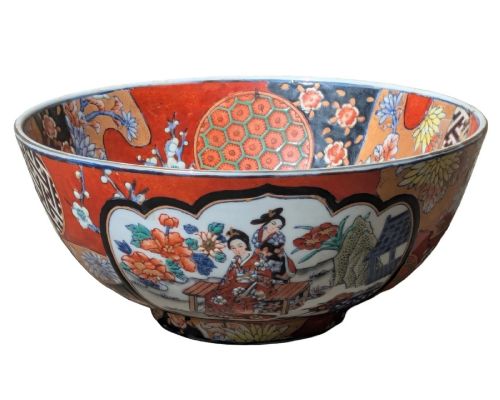
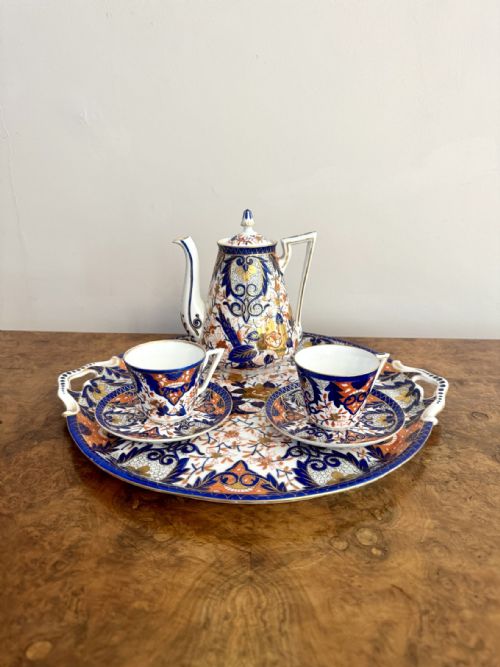
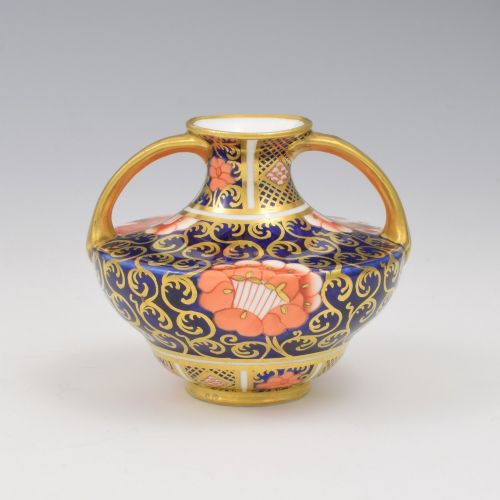
Vintage imari porcelain comprises both Japanese imports from periods such as the Meiji and Edo eras and English adaptations produced by factories like Royal Crown Derby. Buyers encounter forms ranging from decorative plates, chargers, and scalloped bowls to miniature vases and biscuit barrels.
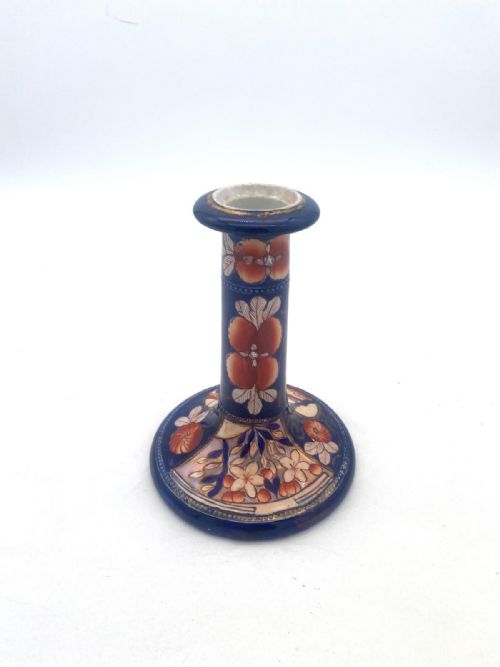
The aesthetic relies on a distinct decorative scheme featuring underglaze cobalt blue and overglaze iron red, frequently augmented with gold leaf and enamel details. Pieces span the seventeenth century through to the mid-twentieth century, showing diverse regional influences.
Japanese examples often present traditional motifs on porcelain or ceramic bodies, whilst English interpretations utilise bone china or ironstone to achieve a similar visual weight. These variations define the range of objects available to collectors on this page.
Judging quality in imari porcelain
Quality rests upon the precision of the hand painting and the crispness of the enamel and gold leaf application. Finer pieces display meticulous brushwork and balanced compositions across complex forms such as shaped vases and large chargers.
The weight and refinement of the underlying porcelain or ironstone also distinguish superior examples. Potteries known for high-standard execution maintain clear definition in moulded elements, such as pierced serving trays or scalloped bowls.
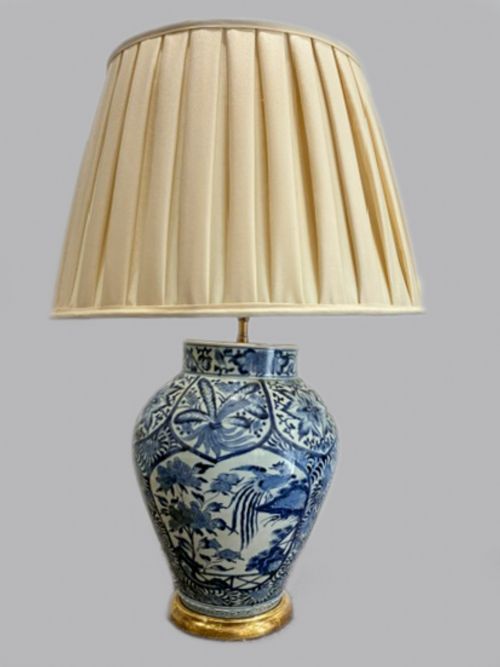
A seventeenth-century Japanese vase found new life in a domestic setting after being converted into a lamp.
Royal Crown Derby·Davenport China·Masons Ironstone·Hicks & Meigh
The Vintage Imari Porcelain Glossary
- Imari
- A style of ceramic decoration originating in Japan, characterised by a palette of cobalt blue, iron red, and gold. English potteries later adopted this visual scheme.
- Charger
- A large decorative plate intended for display rather than service. These pieces frequently feature intricate hand-painted central medallions.
- Meiji Period
- A Japanese historical era lasting from 1868 to 1912, associated with detailed export porcelain. Pieces from this time often exhibit refined enamel work.
- Ironstone
- A heavy, durable type of ceramic patented in the nineteenth century. It served as a robust body for English imari-patterned dinner and dessert services.
- Edo Period
- The period of Japanese history running from 1603 to 1867. Early imari porcelain originated during this era.
Vintage Imari Porcelain: Frequently Asked Questions
How do I care for vintage imari porcelain?
Wash these items by hand using warm water and a mild detergent, avoiding abrasive sponges that might damage the overglaze enamel or gold leaf.
Display them away from direct sunlight to preserve the vibrancy of the iron-red pigments and painted details over time.
Are imari pieces Japanese or English?
They can be either, as the style encompasses authentic Japanese exports from periods such as the Meiji and Edo eras alongside English adaptations by makers like Royal Crown Derby.
Examining the paste, weight, and any factory marks helps determine the specific origin of each object.
What were decorative chargers used for?
Chargers function primarily as large display plates rather than functional tableware, often showcased on walls or sideboards to highlight the bold imari palette.
Their substantial size allows the detailed cobalt blue and iron-red patterns to command visual attention within a room.
How do I identify a Meiji period piece?
Meiji period items often display refined porcelain bodies combined with dense, intricate hand-painted enamel decoration and gold leaf accents.
Historical context and specific stylistic markers help distinguish these Japanese exports from later twentieth-century productions.