




Vintage Ikat Hanging
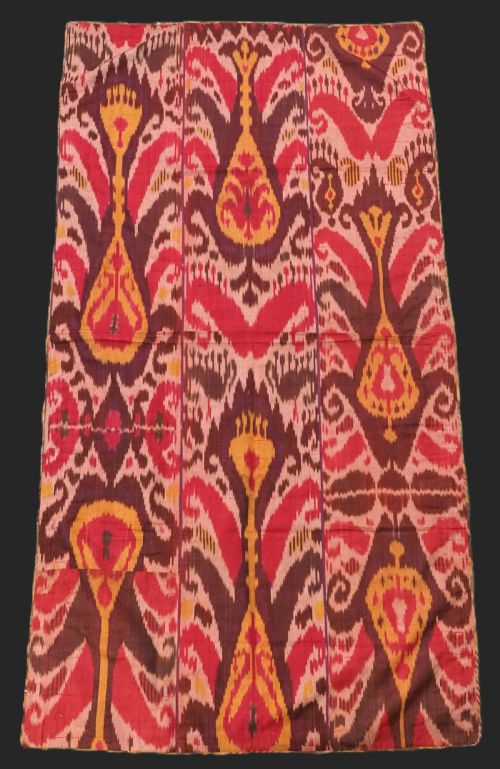
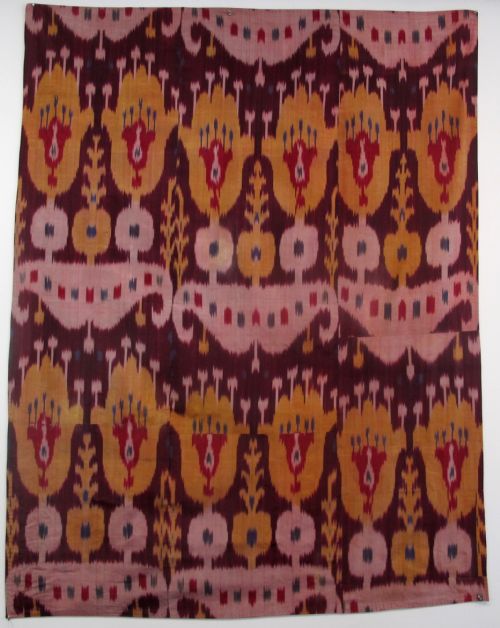
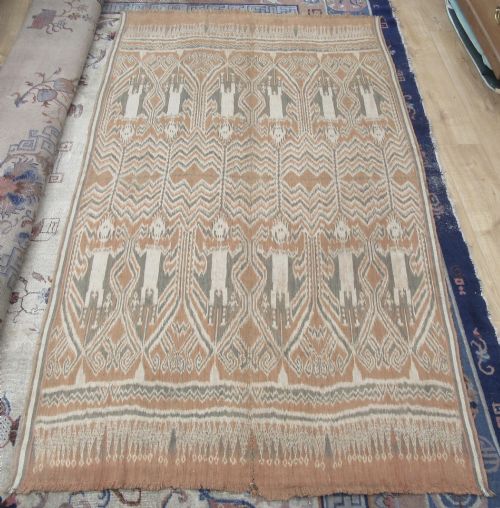
These vintage ikat hanging pieces are striking Central Asian and Indonesian textiles designed to bring bold colour and pattern directly to an interior wall.
Vintage Ikat Hanging
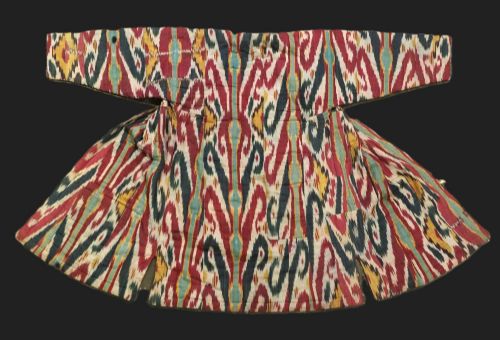
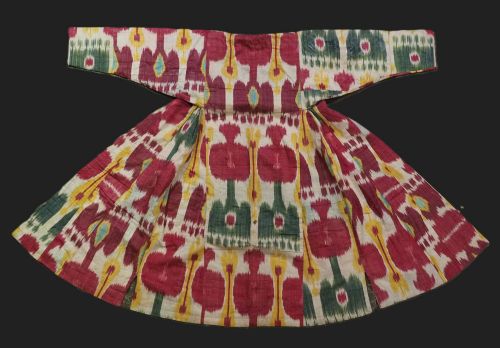
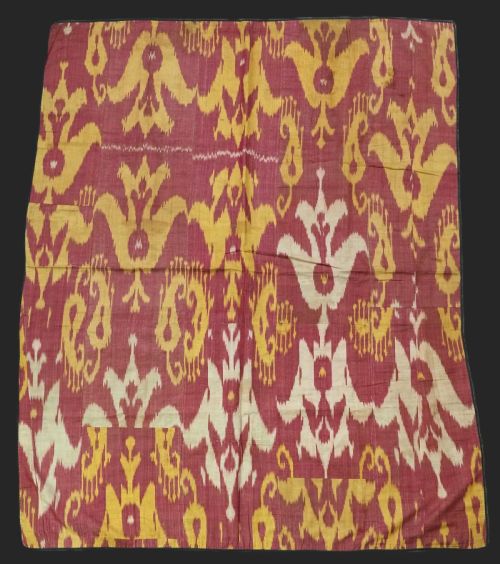
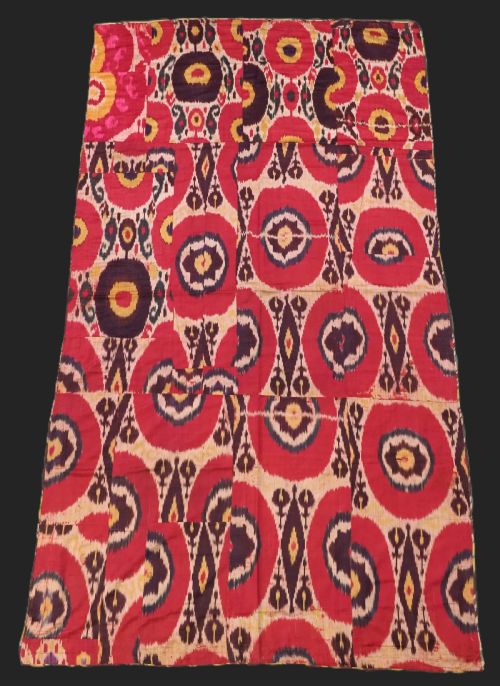
A vintage ikat hanging encompasses woven textile panels, fabric panels, and traditional garments repurposed for display, originating primarily from Central Asian regions such as Uzbekistan and Bukhara. When exploring this selection, buyers frequently encounter large silk ikat panels alongside tailored coats like the chapan or khalat, which translate effectively from traditional wear into wall art.
The origin of these textiles spans diverse cultural traditions, including traditional Uzbek and Turkmen tribal work, as well as Indonesian tribal pieces from Borneo. Such hangings deliver complex geometric and fluid dye patterns that anchor a room with distinct historic weight.
How they were made
The production relies on resist-dyeing techniques applied to warp threads before weaving, creating the characteristic blurred outlines along the pattern edges. Artisans utilised natural fibres including silk, cotton, wool, and handspun cotton, often combining silk and cotton in semi-silk adras weaves.
Construction methods range from simple flat panels to complex garments like quilted and padded winter coats designed for insulation. These textiles demonstrate meticulous hand-weaving traditions passed down through generations in workshops across Central Asia and the Indonesian Archipelago.
Vintage Ikat Hanging Retail Price Guide 2026
Typical asking prices for vintage ikat hanging among the pieces listed under this phrase on Sellingantiques today, from the lower quarter to the upper quarter. They describe what is for sale here now, not the wider market.
Current listings feature textiles spanning the decades from eighteen eighty to nineteen hundred, originating from Central Asian and Indonesian traditions.
What varies in quality
Quality differences emerge in the complexity of the resist-dyeing and the precision of the pattern alignment across the woven surface. Panels displaying deeply saturated natural dyes and intricate, multi-tiered motifs represent the upper tier of execution.
The choice and integrity of the textile foundation also influence the piece, with dense silk and fine handspun cotton providing a superior drape and visual depth compared to simpler utility fabrics.
The Vintage Ikat Hanging Glossary
- Ikat
- A dyeing technique where yarn threads are tie-dyed prior to weaving to create intricate patterned fabrics. This method produces the characteristic feathered edges seen on traditional panels.
- Adras
- A traditional semi-silk fabric woven with a silk warp and a cotton weft. It offers a substantial weight and a subtle sheen.
- Khalat
- A traditional long, loose-fitting gentleman's coat worn across Central Asia. These garments are frequently mounted and displayed as textile art.
- Chapan
- A quilted and padded coat utilised for winter wear in regions like Uzbekistan. Their thick construction provides a structured appearance when hung.
- Torba
- A small Turkmen tribal bag or hanging often featuring traditional tribal motifs. These pieces showcase regional weaving identities.
Vintage Ikat Hanging: Frequently Asked Questions
How do I hang a vintage ikat textile?
These panels can be mounted using a concealed wooden dowel slipped through a fabric sleeve or attached carefully via archival-grade Velcro to a backing board. This distributes the weight evenly across the textile without causing stress to the fibres.
Alternatively, a professional framer can mount the textile behind glass with conservation-grade spacing to protect the delicate silk and cotton threads from dust and environmental wear.
Where were these textiles originally made?
The pieces originate primarily from Central Asian cultural centres including Bukhara, Samarkand, and the broader Uzbekistan region. Additional examples hail from Turkmen tribal areas and the Indonesian Archipelago.
Each region developed distinct chromatic palettes and pattern languages that reflect local weaving heritage and trade routes.
What materials are used in these hangings?
The construction typically involves silk, cotton, wool, and handspun cotton fibres. Many panels utilise a semi-silk adras weave, combining silk warp threads with cotton weft.
Some garments incorporate internal quilting and padding materials to provide structure and warmth for winter use.
How do I date an antique ikat panel?
Dating relies on stylistic analysis, material assessment, and dye characteristics observed in pieces originating from the nineteenth century. Records place these specific examples across the decades from eighteen eighty to nineteen hundred.
Examining the weave density and the specific type of natural or early synthetic dyes helps establish the likely period of creation.