


Vintage Horse Portrait Art
Vintage horse portrait art captures the character and muscle of individual animals through centuries of painting traditions.
Vintage Horse Portrait Art
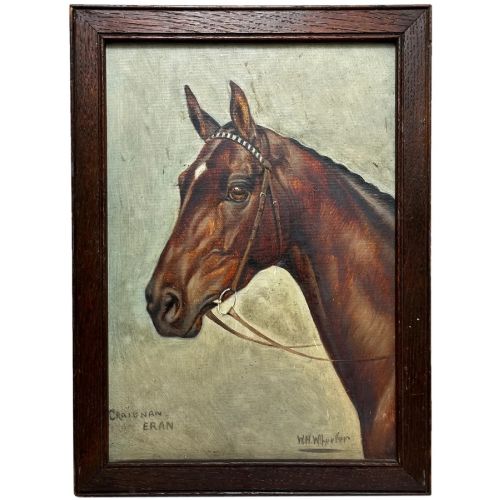
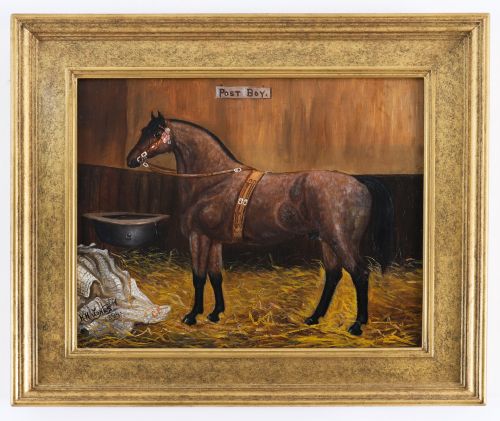
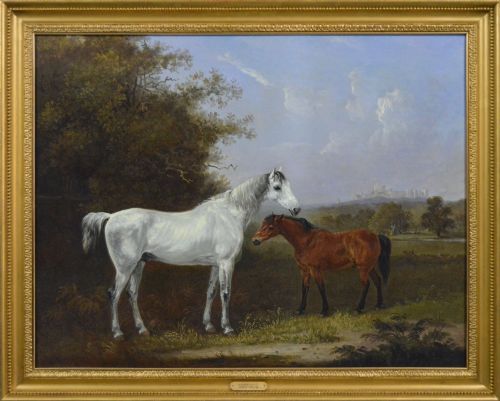
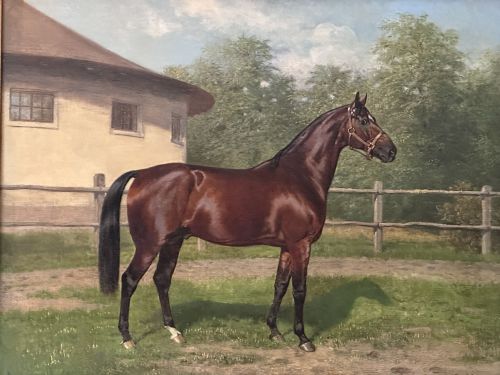
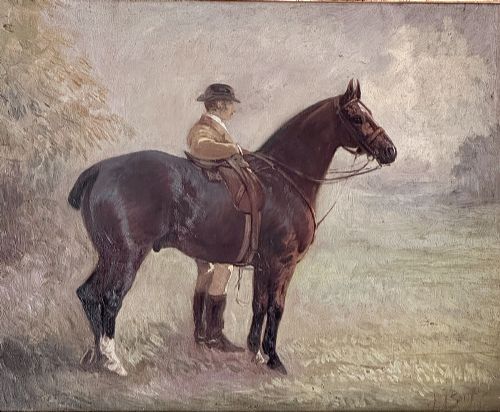
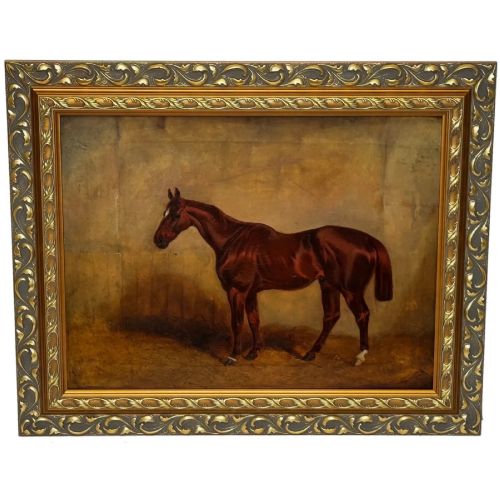
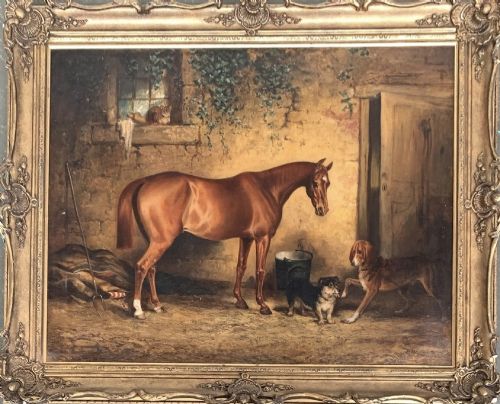
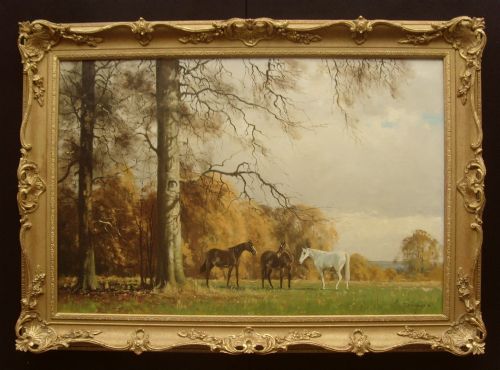
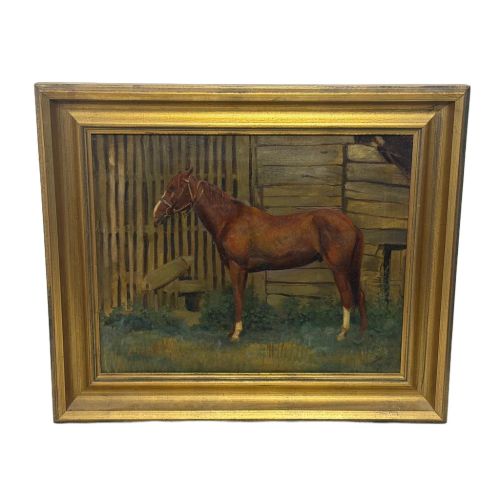
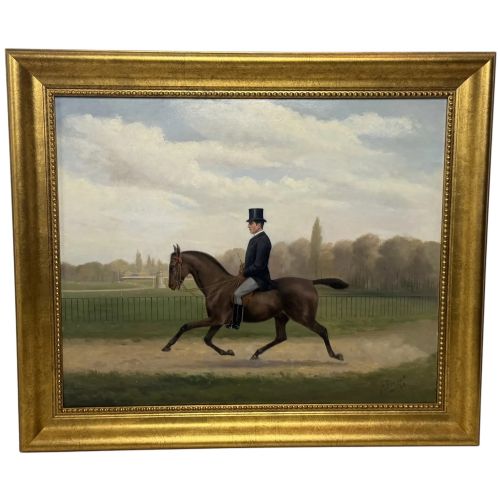
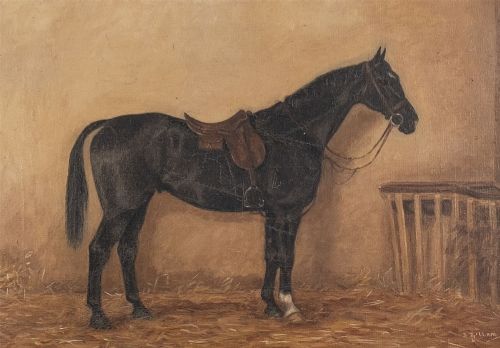
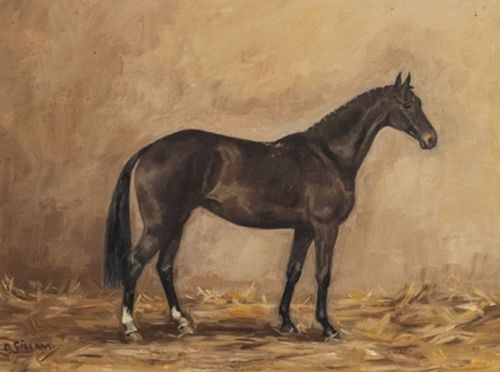
Buyers seeking vintage horse portrait art encounter works ranging from Victorian studies of hunters in stables to mid-century depictions of racehorses and rural scenes. These pieces focus directly on the individual animal, capturing the specific conformation of a bay, chestnut, or grey horse.
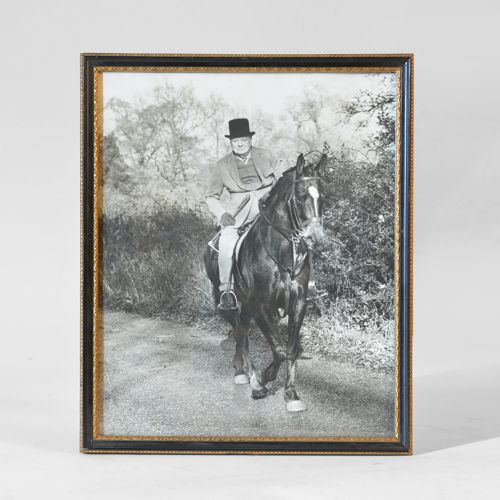
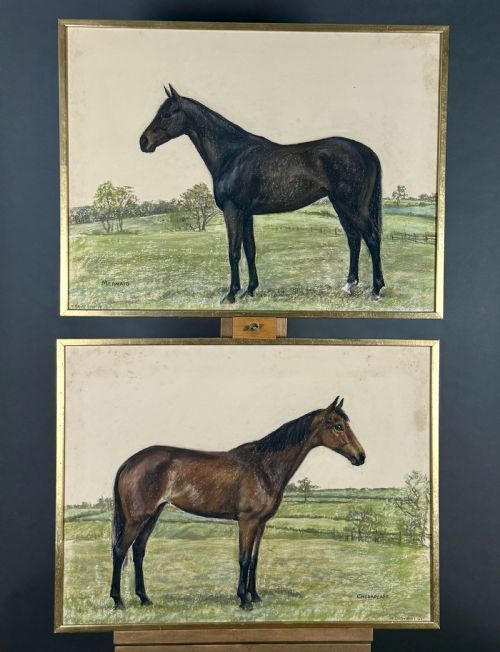
The selections on this page draw heavily from the nineteenth and twentieth centuries, offering framed oil paintings, pastels, and prints. Subjects span named champions from the turf, working animals in farmyards, and intimate portraits of family mounts.
Materials and construction
Artists working within this genre relied primarily on oil paint applied to canvas or wood panels, building up layers to render the sheen of a coat and the tension of muscle. Pastels on paper appear alongside these oils, offering a softer texture for detailed studies of mares and foals.
Many of these works remain housed in their period frames, often constructed from giltwood or wood, which provide the structural context for pieces originating from the Victorian era onward.
Vintage Horse Portrait Art Retail Price Guide 2026
Typical asking prices for vintage horse portrait art among the pieces listed under this phrase on Sellingantiques today, from the lower quarter to the upper quarter. They describe what is for sale here now, not the wider market.
Listings feature works spanning the 18th, 19th, and 20th centuries, executed in oil, pastel, and print formats.
Factors that distinguish individual works
Quality in these portraits rests upon the artist's command of equine anatomy, proper proportions, and the subtle play of light across a horse's musculature. Works by accomplished painters convey personality and alertness in the animal's eye and ear set, moving beyond a stiff record.
The handling of the surrounding environment, whether a detailed stable interior or an expansive meadow, also separates competent records from finer artistic achievements. Original framing that suits the period of the canvas adds historical integrity to the piece.
Charles Bilger Spalding·Henry Barraud·Walter Robin Jennings·Edmund Bristow·Edward Fisher·Kurt Meyer-Eberhardt·Frederick Albert Clark·Albert Clark·Jean-Gabriel Domergue·George Wright·William Albert Clarke·Fred Fitzpatrick·Ernest Payne·Thomas Walker Bretland·C R Breytle
The Vintage Horse Portrait Art Glossary
- Equestrian
- Pertaining to horses, horse riding, or the representation of horses in art. This term groups together hunting scenes, stable portraits, and racing records.
- Oil on canvas
- A painting medium where pigments are suspended in drying oils and applied to a stretched woven fabric support. This combination dominates the historical works in this category.
- Mezzotint
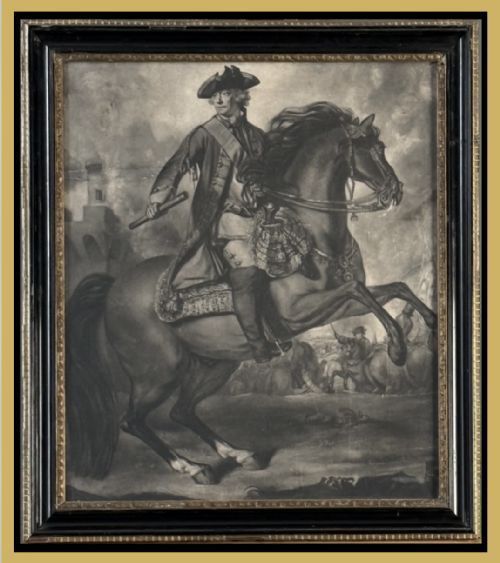
- A printmaking process of the intaglio family where a copper plate is roughened to produce dark tones and scraped to produce lighter areas. This technique translates tonal portraiture onto paper.
- Drypoint
- A printmaking technique in which an image is scratched directly onto a metal plate with a sharp needle. It produces characteristically soft, velvety lines in works on paper.
Vintage Horse Portrait Art: Frequently Asked Questions
How do I identify the period of a horse painting?
Examine the materials, stretcher bars, and canvas type, alongside any visible artist signatures or framing clues.
Stylistic conventions in equine anatomy and rider attire also shift noticeably between the Georgian, Victorian, and mid-century periods.
What is the difference between a study and a portrait?
A study typically focuses on capturing a specific anatomical feature, movement, or quick observation of an animal, often in pastel or pencil.
A portrait usually represents a named individual horse, commissioned to record a specific animal, champion racehorse, or family hunter.
Are these artworks usually signed by the artist?
Many pieces carry visible signatures or monograms, frequently placed in the lower corners of the canvas or paper.
Others remain anonymous or attribution-based, relying on stylistic evidence and historical records to suggest the hand of origin.
How should I care for antique oil paintings?
Keep paintings away from direct sunlight, high humidity, and rapid temperature fluctuations to protect the canvas and paint layers.
Dust gently with a soft, dry brush and avoid using chemical cleaners or water on the surface of the oil.