


Vintage Horse Picture Framed
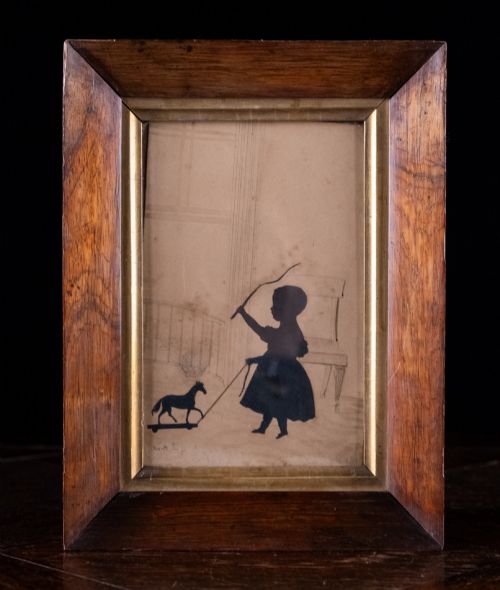
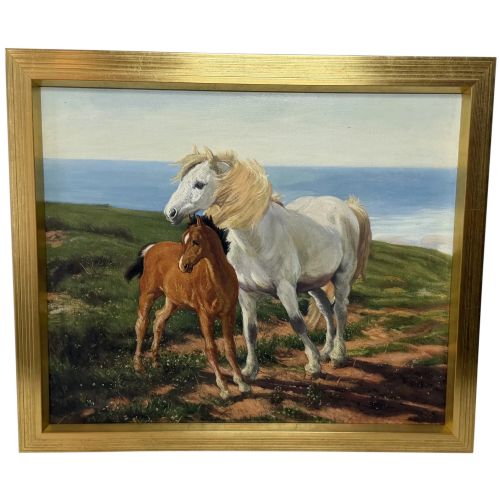
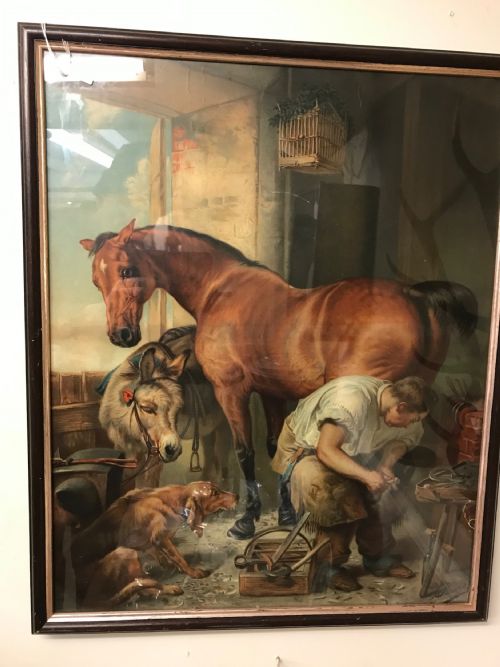
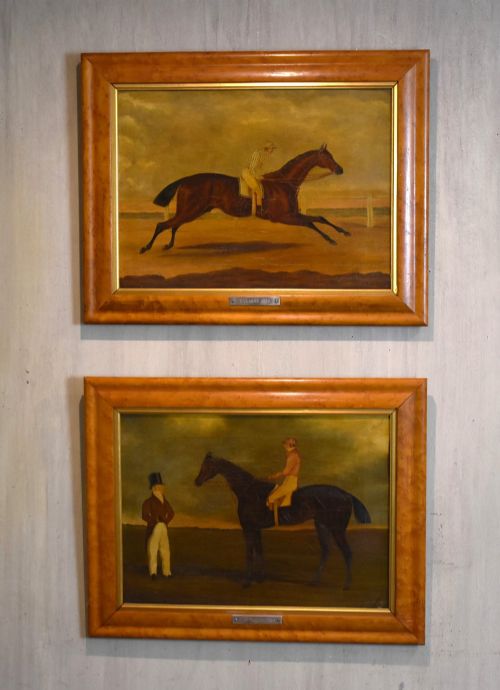
Vintage horse picture framed works bring the energy and power of the stable and the turf straight onto the living room wall.
Vintage Horse Picture Framed
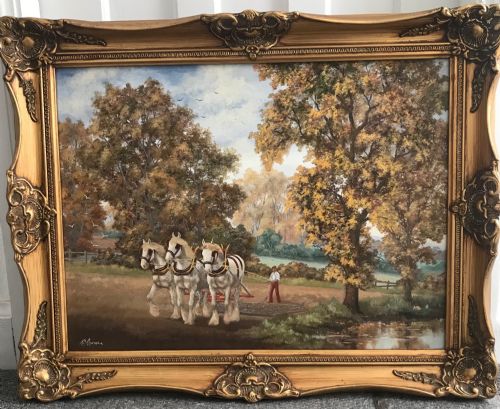
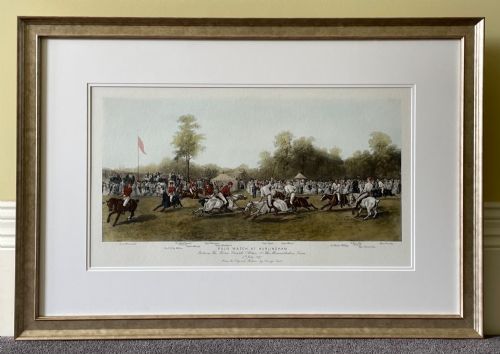
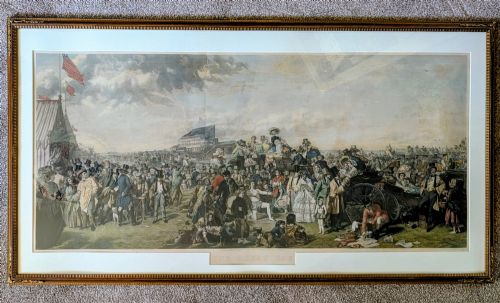
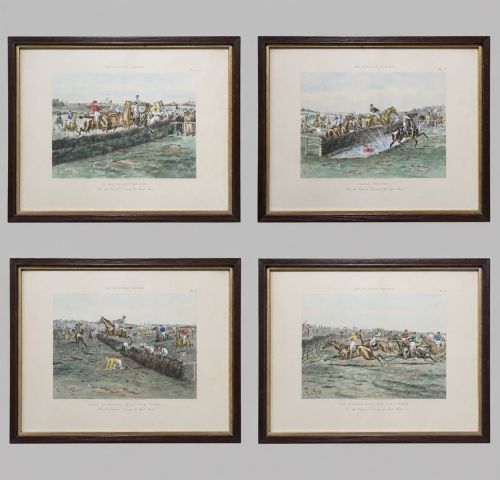
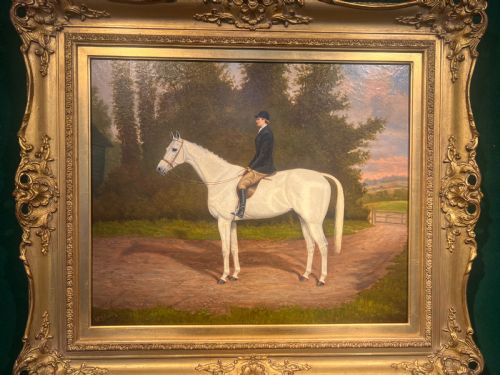
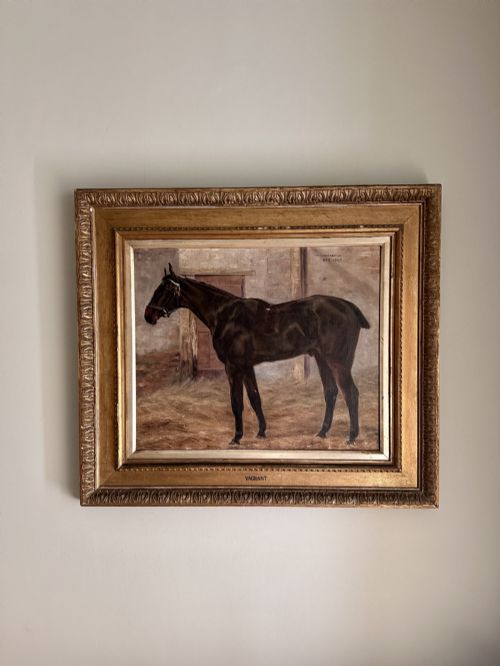
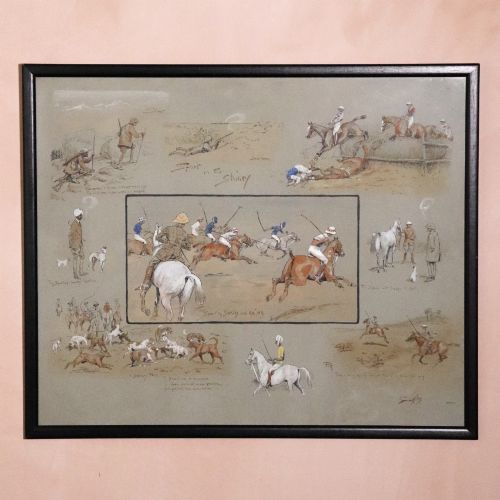
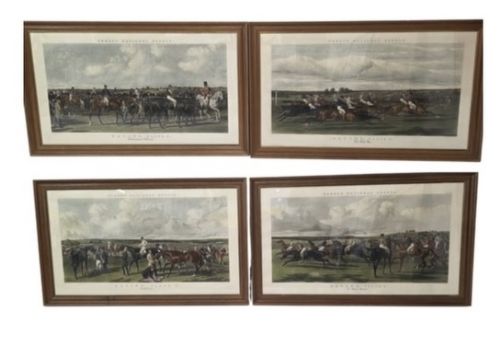
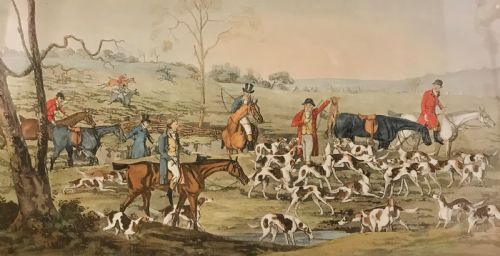
A vintage horse picture framed selection encompasses a broad range of equestrian art, moving from detailed nineteenth-century oil paintings to mid-century pastels and prints. Buyers searching this phrase meet everything from grand portraits of named thoroughbreds to bustling hunting scenes and racing studies.
The materials span oil on canvas, watercolour, pastel, and various forms of print, including lithographs, engravings, and aquatints. These pieces frequently capture distinct facets of British sporting art, rural farm life, and racing culture across different eras.
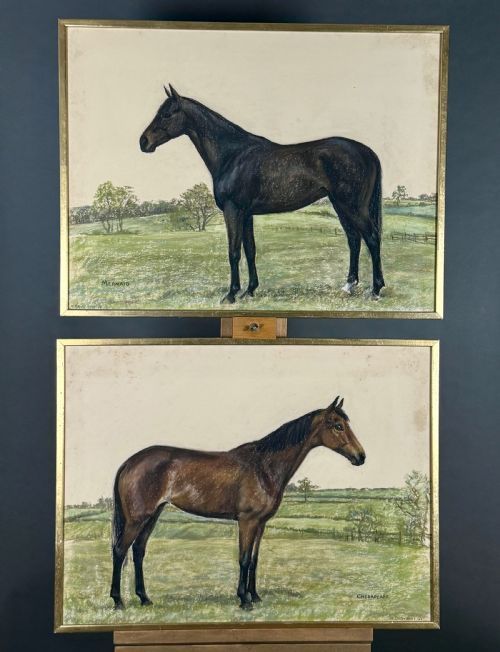
Many works arrive secured behind glass within traditional wooden or gilt frames, preserving paper drawings and watercolours carefully. The subjects range from individual horses like bay mares and grey stallions to complex group compositions involving jockeys, hounds, and riders.
Materials and techniques
Artists on these pieces applied oil paint onto canvas or pine panels, building rich textures for horse coats and rural landscapes. Others relied on watercolours, pastel, chalk, and gouache on paper to achieve softer, immediate lines.
Printmakers utilised engraving, lithography, and aquatint techniques, sometimes hand-colouring the finished sheets to heighten the visual impact of hunting scenes and race days.
Framing methods paired sturdy woods, walnut surrounds, and gilt mouldings with protective glass layers to safeguard delicate works on paper from environmental wear.
Several horses in these frames possess better documented racing records than the humans standing beside them.
Distinctions in quality
Anatomy and movement form the core of superior equine art, separating works by accomplished specialists from generic studio output. The convincing rendering of muscle structure, tension, and equine posture requires a practiced hand.
Provenance and attribution elevate certain pieces significantly, particularly when an artwork links to a recorded artist, a named estate, or a documented historical event. Signed studies and works carrying clear historical context hold distinct standing.
The integrity of the medium matters greatly, from the stable preservation of an oil painting on canvas to the clean preservation of a nineteenth-century pastel or hand-coloured engraving beneath glass.
William Powell Frith·George Finch Mason·Fred Fitzpatrick·Edwin Henry Landseer·John Frederick Herring Snr·Albert Ludovici Jnr·Herman S Melville·Alfred Munnings·John Rattenbury Skeaping·Cecil Charles Windsor Aldin·Charles Walter Simpson·John Frederick Herring Jnr·Basil Nightingale·William Williams·Abraham Cooper·Edward Lloyd of Ellesmere·Michael Lyne·John Atkinson
The Vintage Horse Picture Framed Glossary
- Aquatint
- An intaglio printmaking technique that produces tonal areas resembling watercolour washes. It frequently appears in historical horse racing and hunting series.
- Gilt wood
- Wood carved and coated with a thin layer of gold leaf or gold paint. This finish commonly frames formal equestrian portraits and nineteenth-century oils.
- Lithograph
- A planographic printing method using a stone or metal plate. Many antique sporting prints utilise this process to reproduce original drawings.
- Eglomise
- A technique where design and gilding are applied to the rear face of glass. It appears in decorative reproductions of historical racing subjects.
- Pastel
- A dry drawing medium consisting of powdered pigment and a binder. Artists applied it to paper for detailed equine studies and race paddock sketches.
Vintage Horse Picture Framed: Frequently Asked Questions
How do I identify the period of a horse painting?
Look closely at the framing materials, the type of paper or canvas support, and any visible artist signatures or dates. Stylistic cues in human attire and tack also point toward specific decades.
Compare the technique against known periods like Victorian sporting art or mid-century pastels to narrow down the decade of creation.
Where should I hang a framed equestrian print?
These works suit traditional studies, hallways, and living rooms where the timber frames complement existing wooden furniture. Keep them away from direct sunlight to protect watercolours and pastels.
Ensure the hanging height allows comfortable viewing of the fine details within the racing or hunting composition.
How were antique horse drawings preserved in frames?
Works on paper typically sit behind a protective layer of glass, sometimes separated from the surface by a mount to prevent moisture damage. The backing boards often consist of older timbers or card.
Original frames frequently utilise wooden mouldings or gilt surrounds that match the period of the artwork within.