

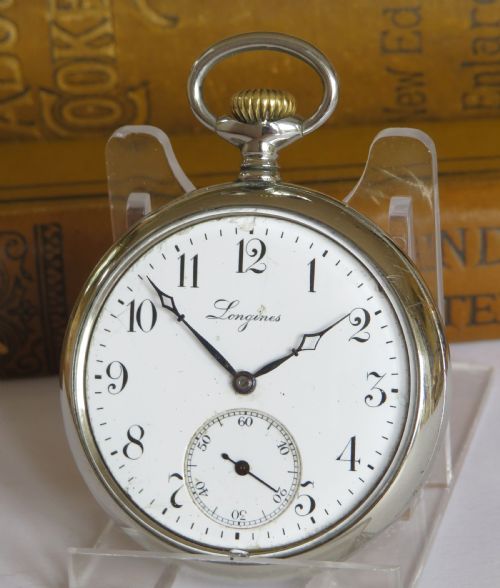
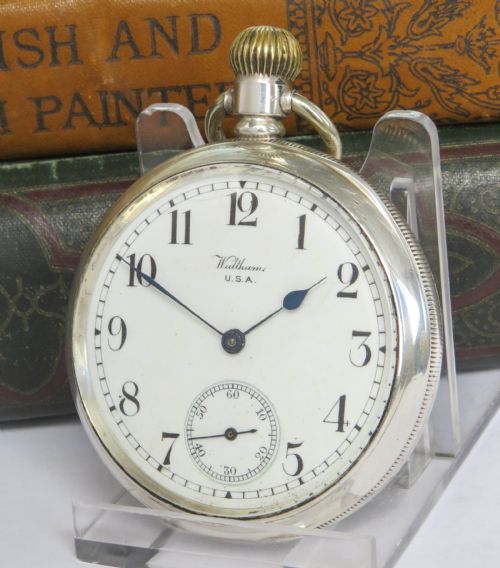
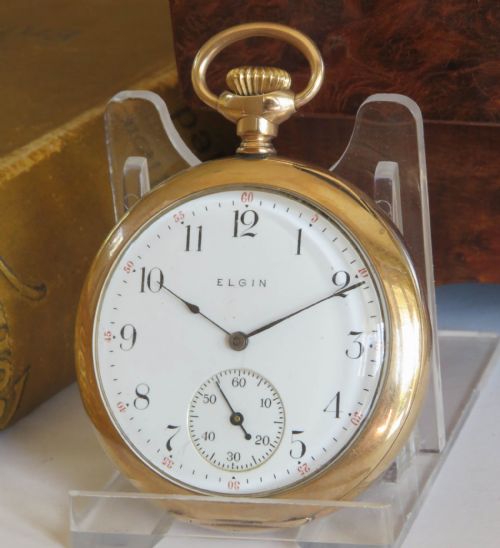
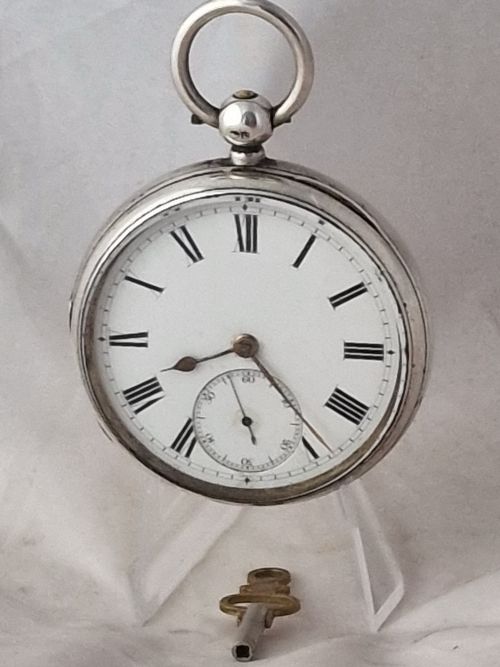
Vintage Horology Pocket Watch
These vintage horology pocket watch pieces span centuries of precision engineering, offering tangible links to historical timekeeping traditions.
Vintage Horology Pocket Watch
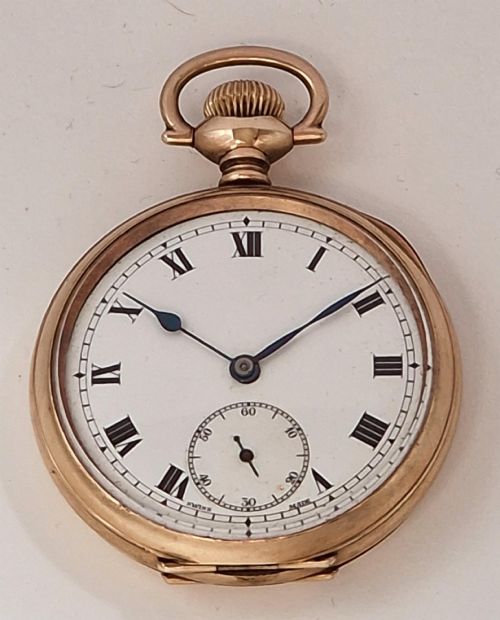
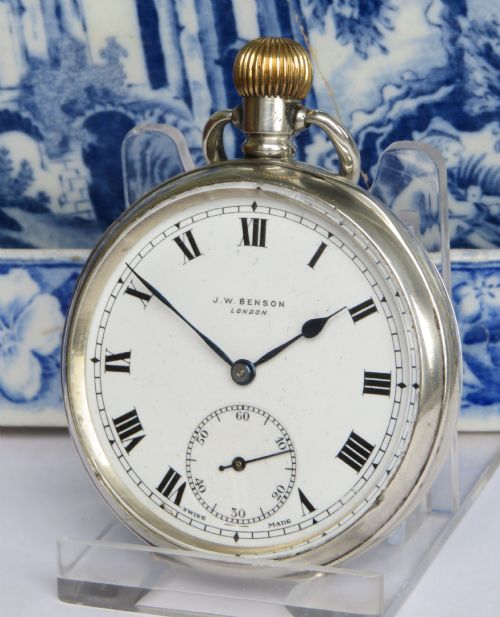
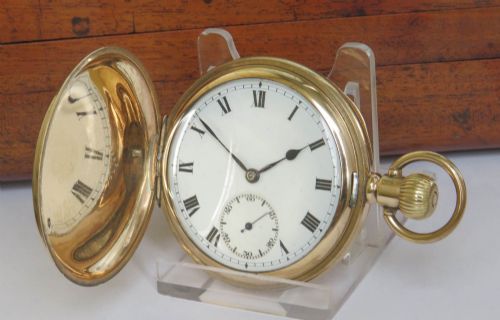
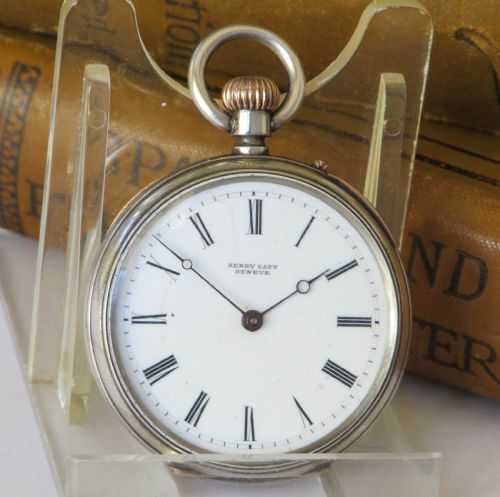
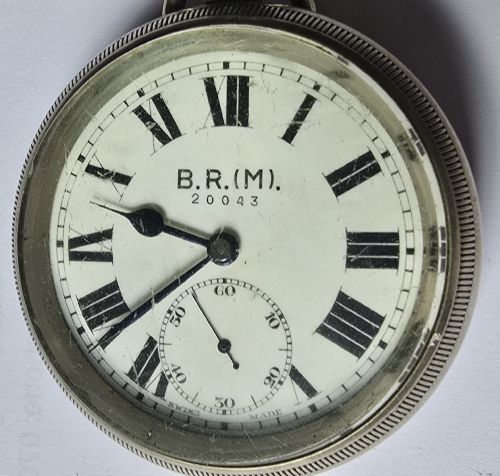
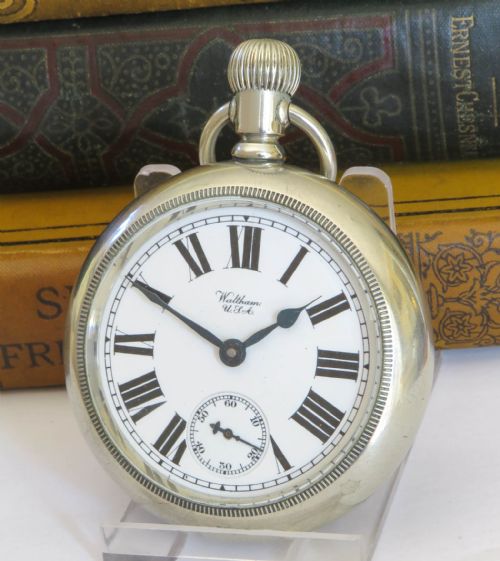
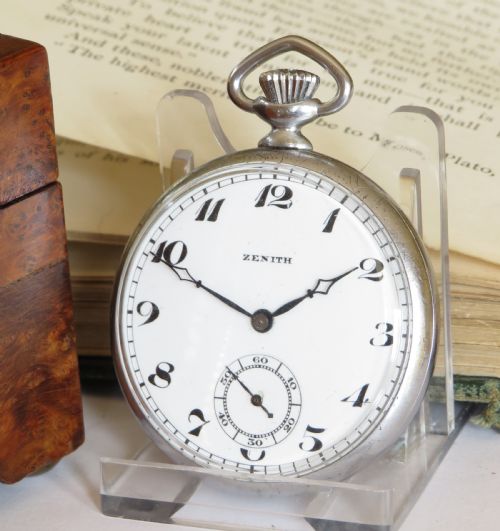
A vintage horology pocket watch represents a portable mechanical timepiece enclosed in a protective metal or horn case, designed to be carried in a waistcoat pocket or secured with a chain. These instruments range from early 18th century pair cased Verge mechanisms to mid-century military issues, railway timekeepers, and elegant Edwardian or Art Deco dress pieces.
Railway and military pieces form a prominent category within these listings, reflecting practical utility alongside domestic and luxury output. Enamel dials, glass crystals, and metal cases of brass, nickel, steel, gold, and silver define the physical scope of the available selection.
Materials and Construction
Cases utilise metals such as solid silver, gold, brass, gunmetal, steel, and nickel, frequently paired with horn outer shells or decorated with enamel dial faces and protective glass covers.
Internal movements rely on traditional mechanical construction methods, encompassing fusee and verge escapements in earlier Georgian and Victorian examples, alongside lever movements in later decades.
Vintage Horology Pocket Watch Retail Price Guide 2026
Typical asking prices for vintage horology pocket watch among the pieces listed under this phrase on Sellingantiques today, from the lower quarter to the upper quarter. They describe what is for sale here now, not the wider market.
A horn back painted case keeps time with a tortoise-shell texture.
Quality and Craftsmanship
The standard of a vintage horology pocket watch rests upon the complexity of its movement, such as fusee mechanisms, chronograph functions, or quarter repeating complications housed within the case.
Execution of the dial work, the clarity of enamel markings, and the integrity of the metal or horn casing distinguish standard production pieces from higher grade horological output.
J W Benson·Camerer Cuss·Lange & Sohne·Waltham·Omega·Zenith·Cyma·Elgin
The Vintage Horology Pocket Watch Glossary
- Fusee
- A conical pulley used in older pocket watches to maintain even tension on the mainspring as it unwinds. This mechanism improves timekeeping consistency throughout the power reserve.
- Verge
- An early type of escapement featuring a crown wheel and a rod with pallets. It represents traditional mechanical watchmaking found in Georgian and 18th-century pieces.
- Half Hunter
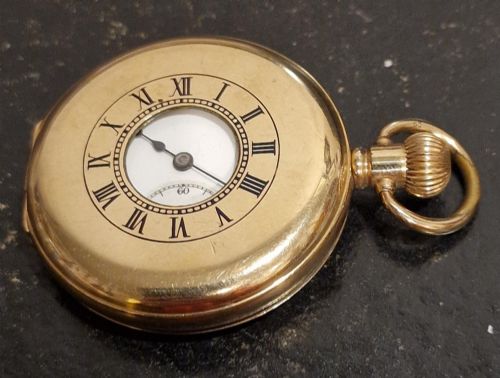
- A pocket watch case featuring a small glass window in the front cover. This design allows the wearer to read the time without opening the outer case.
- Quarter Repeater
- A complication that strikes the hours and quarter hours on gongs when activated by a pusher. These mechanisms demonstrate advanced horological skill.
Vintage Horology Pocket Watch: Frequently Asked Questions
How do I wind a mechanical pocket watch?
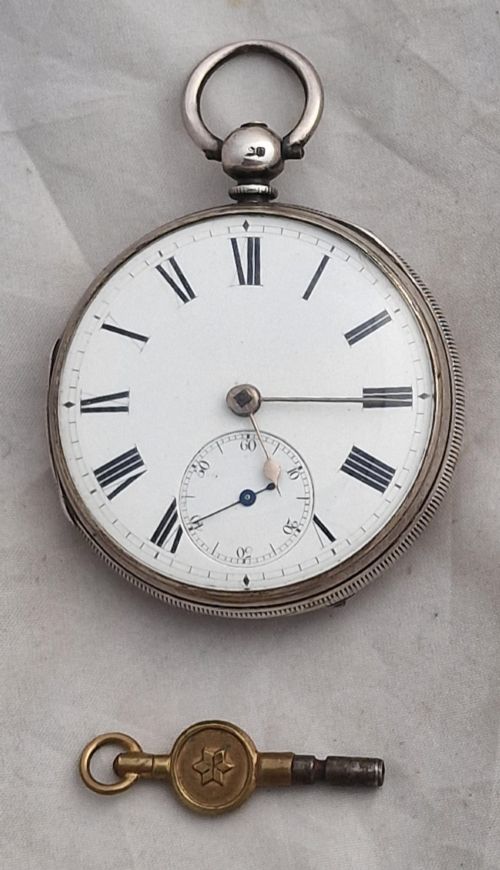
Most pocket watches wind via the crown at the top, or through a small opening in the back plate using a dedicated key for older fusee models.
Care should be taken not to overwind the mainspring, stopping gently as soon as resistance is felt.
How were railway pocket watches used?
Railway employees relied on high-precision timepieces to coordinate train schedules and ensure strict adherence to timetable safety standards.
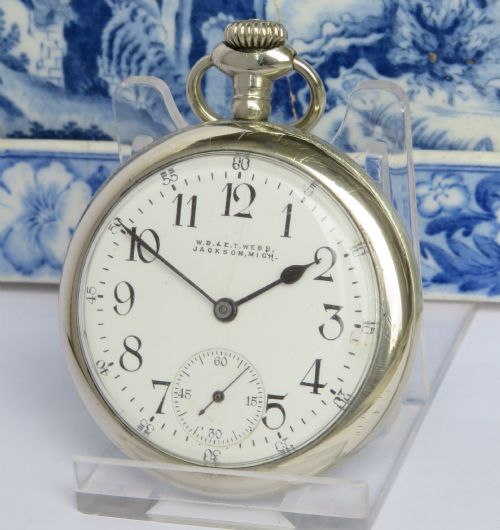
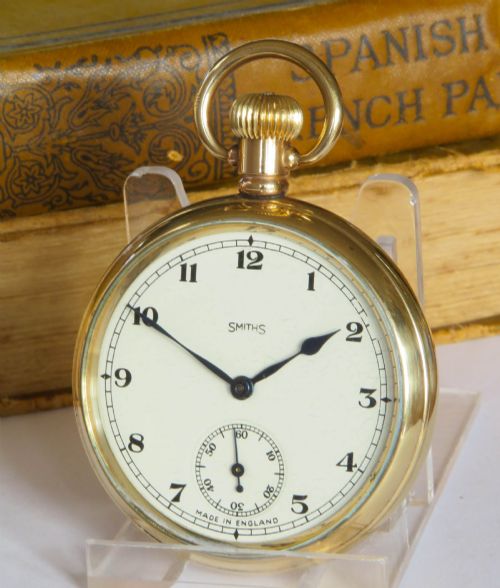
These watches typically featured clear Arabic numerals on white enamel dials for rapid reading in all conditions.
Can I wear a pocket watch daily?
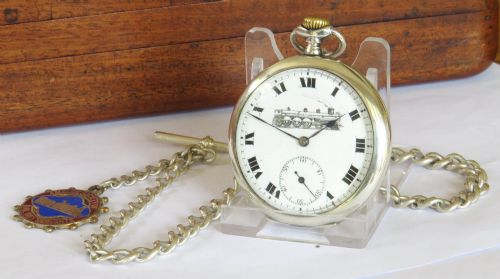
Pocket watches can be carried daily when secured safely in a pocket using an albert chain or fob to prevent accidental drops.
Regular servicing by a professional horologist helps maintain the mechanical health of older movements during routine use.
How do I identify the period of a pocket watch?
Stylistic details such as case shape, dial typography, and hallmark stamps on silver or gold components offer direct clues to the date of manufacture.
Movement design and signature engravings from makers further narrow down the era in which the watch was produced.