



Vintage Horology Collectable
A vintage horology collectable brings timekeeping history to your desk or pocket through brass, silver, and glass.
Vintage Horology Collectable
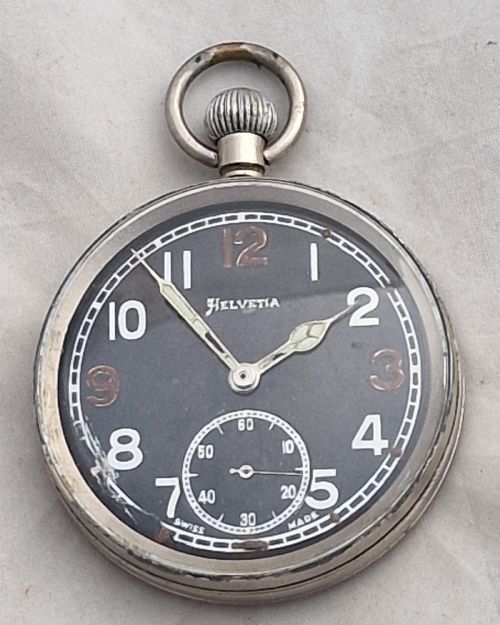
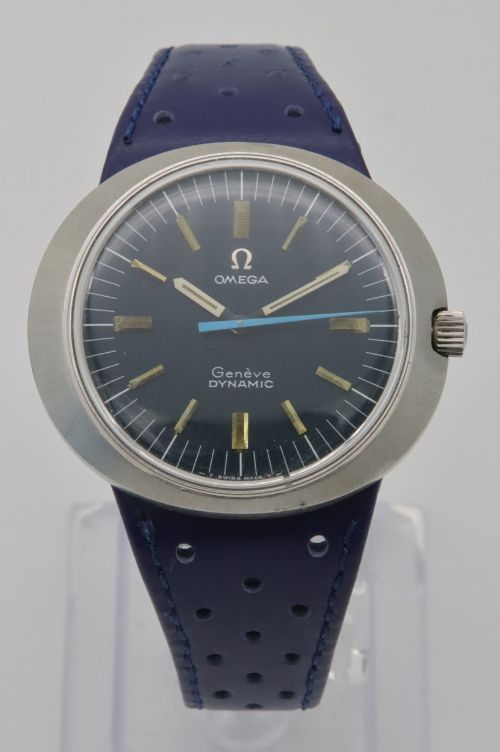
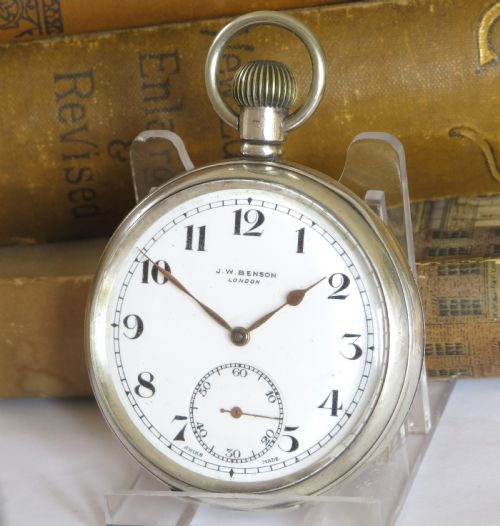
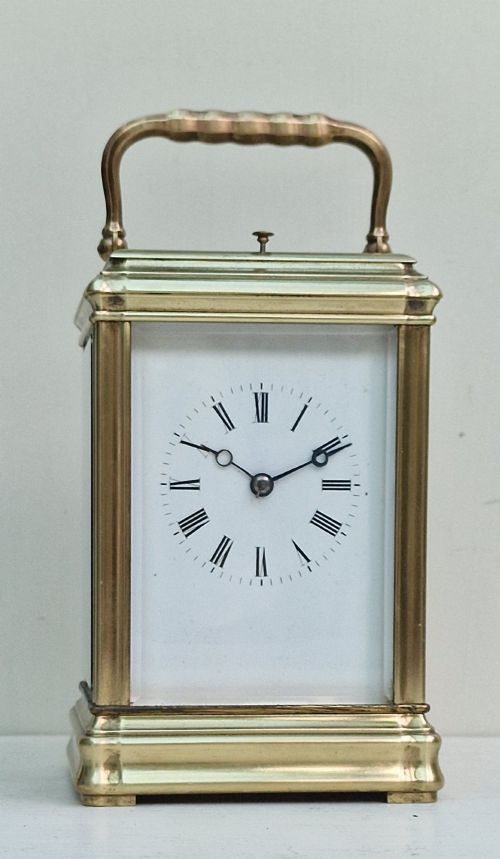
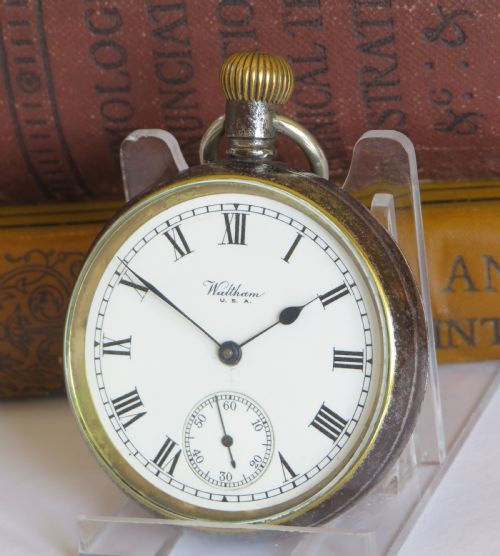
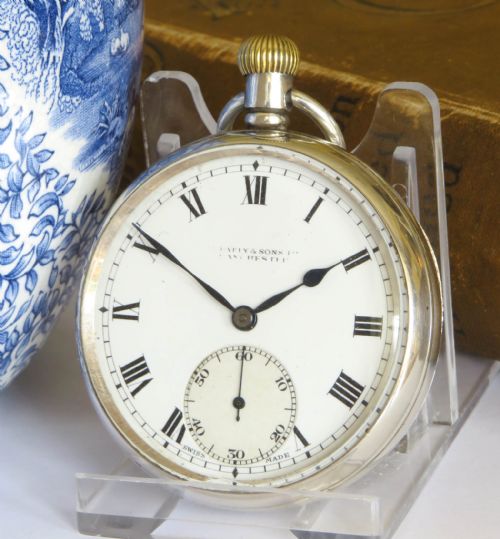
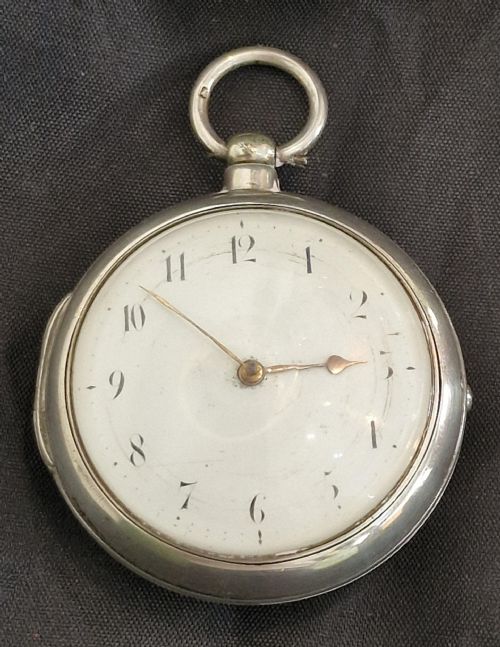
When you search for a vintage horology collectable, you encounter portable timepieces and mechanical clocks spanning several centuries. The selection ranges from Georgian verge pocket watches and 19th-century French carriage clocks to mid-century military wristwatches.
Pocket watches and carriage clocks dominate the available forms, often featuring brass cases, glass crystals, and enamel dials. Examples from the 1930s and 1940s bring steel wristwatches and military issue pieces into the mix.
How they were made
Cases utilise metals such as brass, silver, gun metal, and stainless steel, paired with glass for crystals and enamel for dials. Leather occasionally appears on straps or original boxes accompanying the pieces.
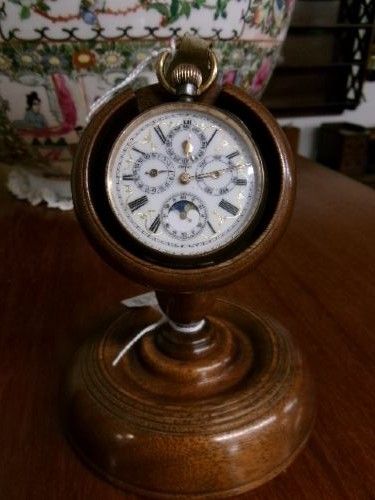
Movements rely on traditional mechanical techniques, incorporating striking and repeating complications, moonphase displays, and calendar functions. Skilled metalwork shapes the intricate pocket watch cases and heavy carriage clock frames.
Materials utilised across the current selection include brass, silver, stainless steel, glass, enamel, chrome, acrylic, and leather.
What varies in quality
The degree of refinement in the case metalwork and dial execution dictates the standing of an item. Hand-painted dials depicting maritime scenes or intricate calendar mechanisms sit at a different level from standard production pieces.
Makers known for precision output, such as those supplying military contracts or luxury houses like Mappin and Webb, demonstrate superior internal engineering and finishing. The presence of original fitted boxes and complex repeating complications further elevates the piece.
Helvetia·Omega·Cyma·Waltham·Vertex·Consul·Zenith·Phoenix Indestructible·Mappin and Webb·Miramar·Tritona·Timor
The Vintage Horology Collectable Glossary
- Carriage clock
- A portable spring-driven clock designed for travelling during the 19th century. These usually feature brass frames with glass panels.
- Verge escapement
- An early mechanical escapement mechanism found in older pocket watches. It regulates the release of power in Georgian and earlier timepieces.
- Carriage
- The housing frame of a clock that encloses the movement and glass panels. Gorge cases are a specific architectural style often seen on French carriage clocks.
- Half hunter
- A pocket watch case with a glass or open centre in the front cover. This allows the wearer to read the time without opening the case.
- Repeater
- A complication that chimes the hours and minutes when a slide or pendant is activated. This mechanism adds significant complexity to pocket watches and carriage clocks.
Vintage Horology Collectable: Frequently Asked Questions
What is a carriage clock?
A carriage clock is a portable spring-driven timepiece developed for travel in the 19th century. They sit in brass and glass frames, often featuring striking or repeating mechanisms.
Many examples include carrying handles on top and come housed in fitted leather cases. Their substantial brass frames allow them to sit firmly on a desk or mantelpiece.
How do I wind a mechanical pocket watch?
Mechanical pocket watches wind via the crown or a dedicated key depending on the period. Georgian and early 19th-century pieces frequently require a small key applied to the back square.
Later models utilise the crown at the top of the pendant. Care must be taken not to overwind the mainspring when resistance is felt.
What makes military watches collectible?
Military watches carry specific issue marks and patterns dictated by government departments. Pieces from the 1940s, such as those marked for army trade patterns, reflect strict utilitarian specifications.
Collectors value these items for their robust stainless steel cases and reliable movements produced for service personnel. Their historical association gives them a distinct identity compared to civilian dress pieces.
How should I clean brass clock cases?
Brass clock cases require gentle dusting with a soft dry cloth to prevent accumulation of debris. Abrasive cleaners strip the aged surface finish and should be avoided.
Polishing should be approached cautiously to preserve any original gilding or patination built up over the centuries. Professional horological cleaning is recommended for internal movements.