


Vintage Highland Art Picture
A vintage highland art picture captures the brooding majesty and wild atmosphere of the northern landscape.
Vintage Highland Art Picture
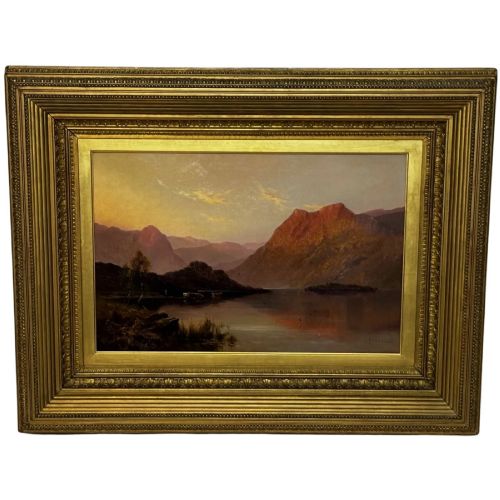
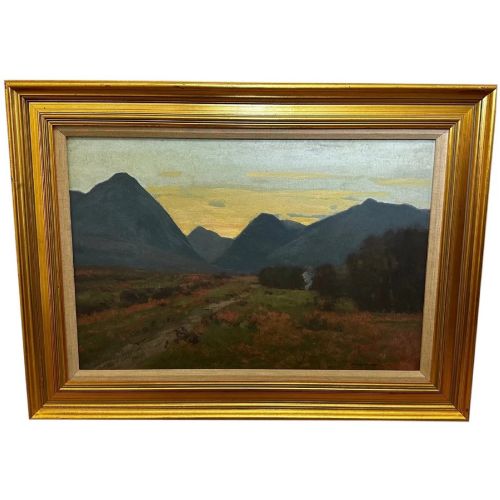
A vintage highland art picture encompasses oil paintings, watercolours, and gouache works depicting northern landscapes, cattle, and rural scenes. These pieces capture the distinctive atmosphere of the terrain through various regional interpretations.
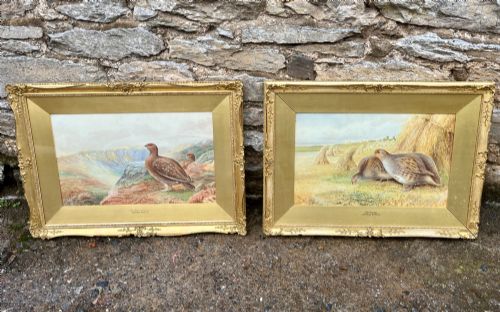
The works span multiple eras, including Victorian, Edwardian, and mid-twentieth-century periods, showing shifts in artistic focus. Landscapes featuring lochs and mountains dominate alongside detailed studies of highland cattle and game birds.
Framed paintings and wall art form the core of the available selection, often preserved in wood or giltwood frames. Collectors encounter works originating from the nineteenth century onward, reflecting changing aesthetic approaches to rural subjects.
How they were made
Artists employed oil on canvas or oil on board to build rich textures and deep tones for dramatic mountain backdrops. Watercolours and gouache offered a lighter medium well-suited to capturing the atmospheric mists and changing light of the terrain.
Many works retain their period framing, utilising wood or giltwood to complement the visual weight of the composition. Paper and canvas serve as the primary supports, framed behind glass where watercolours or prints require protection.
Several artists clearly spent hours negotiating stubborn highland cattle before the beasts deigned to hold still for their portrait.
What varies in quality
The strength of the composition and the handling of light distinguish superior works from standard regional pieces. Masters of the genre achieve a palpable sense of weather and atmosphere through confident brushwork and precise tonal control.
The preservation of the original medium and the suitability of the frame influence the overall integrity of the piece. Works that retain their period framing without excessive restoration command greater attention from discerning collectors.
Alfred Fontville de Breanski Jr·George Houston RSA RSW·George Rankin·Henry Robinson Hall·James Bell Anderson·Stanley Orchart·John Charles Tunnard·George Turner·AJ Thornton·Denys Garle·John B MacDonald·Samuel Fulton·Stephen Elmer·Archibald Thorburn
The Vintage Highland Art Picture Glossary
- Giltwood
- Wood that has been covered with a thin layer of gold leaf or gilt paint. This traditional framing finish enhances the visual depth of historical paintings.
- Gouache
- An opaque watercolour medium characterised by the addition of a white pigment to create heavier, solid colour areas. It allows artists to build rich, matte surfaces.
- Scottish Impressionism
- A painting style that embraces loose brushwork and vibrant colour to capture momentary effects of light. Practitioners of this movement moved away from rigid academic realism.
- Watercolour
- A painting method where paints are made of pigments suspended in a water-based solution. It is typically applied to paper to achieve translucent, luminous effects.
Vintage Highland Art Picture: Frequently Asked Questions
What periods do these paintings date from?
The selection spans from the nineteenth century through the Edwardian era and into the mid-twentieth century.
Works from the Victorian period often feature dramatic romanticism, while later decades show shifts towards impressionistic interpretations of the landscape.
What subjects are most common?
Mountainous landscapes, misty lochs, and highland cattle dominate the traditional visual themes.
Collectors also encounter studies of game birds, hunting scenes, and rural figures navigating the northern terrain.
How should I display a watercolour?
Watercolours require placement away from direct sunlight to prevent the fading of delicate pigments.
Maintaining them behind protective glass in their original frames helps preserve the paper and medium against environmental moisture.
Are original frames important?
Original wood and giltwood frames contribute significantly to the historical context and visual completeness of the artwork.
Many pieces retain their period mountings, which complement the aesthetic style of the painting era.