

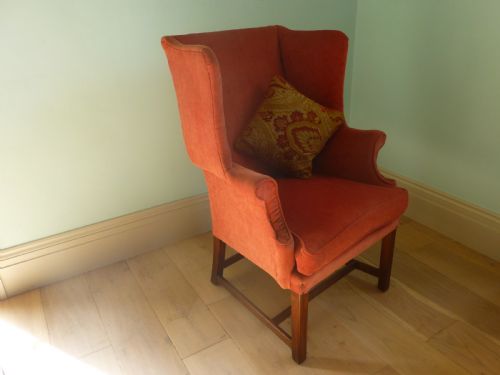


Vintage Highback Chair
A vintage highback chair brings vertical presence and period character to a room, offering tall support through traditional timber frames and upholstery.
Vintage Highback Chair
When you search for a vintage highback chair, you encounter forms ranging from sturdy dining seats to imposing armchairs, each designed to elevate the vertical line of a room. The selection spans distinct eras, including Victorian, Edwardian, and earlier revival styles, reflecting diverse domestic interiors.
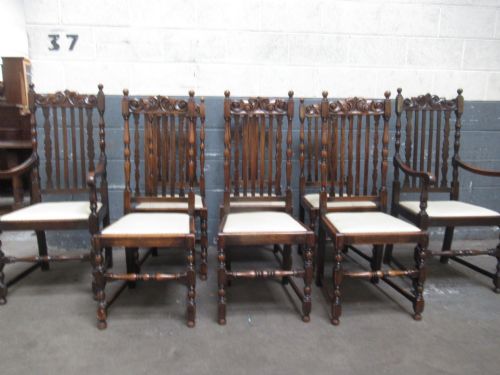
You are most likely to meet oak and mahogany dining chairs alongside walnut and beech armchairs, often featuring tall backs that command attention. These pieces appear in single items, pairs, or matched sets, serving practical seating needs while displaying historical craftsmanship.
The origins stretch across English country houses and urban workshops, encompassing styles from Art Nouveau curves to Jacobean Revival austerity. Selecting the right piece involves noting whether the timber framing displays the robust proportions characteristic of these periods.
Materials and construction methods
Makers utilised solid timbers such as oak, mahogany, walnut, elm, and beech to construct the load-bearing frames, ensuring longevity through traditional joinery. Turned legs and upright stiles support the elevated structures, occasionally reinforced with brass details or caned panels.
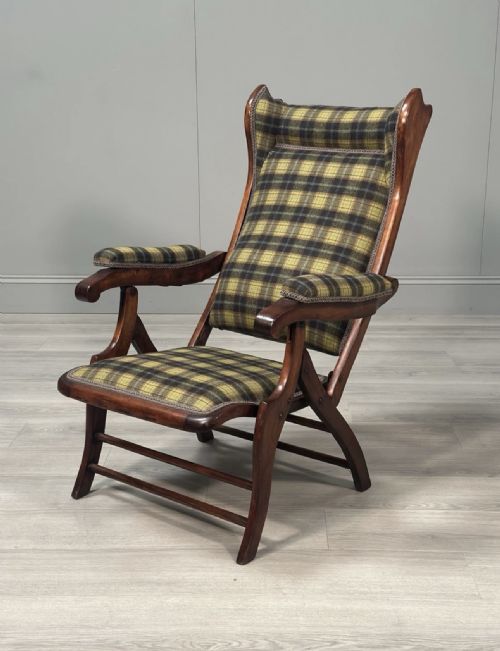
Upholstered versions rely on materials like leather, velvet, fabric, and chenille twill, fixed securely over internal padding to provide comfort. Rush seating also appears on specific regional forms, showcasing traditional hand-weaving techniques across wooden chair seats.
Listings feature items dated from the eighteenth century through to the Edwardian era, constructed primarily in oak, mahogany, walnut, and beech.
Factors that distinguish quality
The standard of timber selection and carving depth separates standard examples from exceptional pieces, particularly in revival styles where crisp detail matters. Grain alignment and the structural integrity of tall back uprights dictate how well a chair withstands daily use.
Upholstery execution and the preservation of original or sympathetic materials influence the overall merit of a seating piece. Fine proportioning in the rake of the back and the solidity of the joints determine the enduring utility of the frame.
Liberty Morris & Co·Gillows
The Vintage Highback Chair Glossary
- Highback
- A chair featuring an elongated backrest designed to provide elevated support and a commanding visual presence in a room.
- Caned
- Woven rattan or cane panels utilised for chair seats and backrests, offering a lightweight yet durable surface.
- Windsor
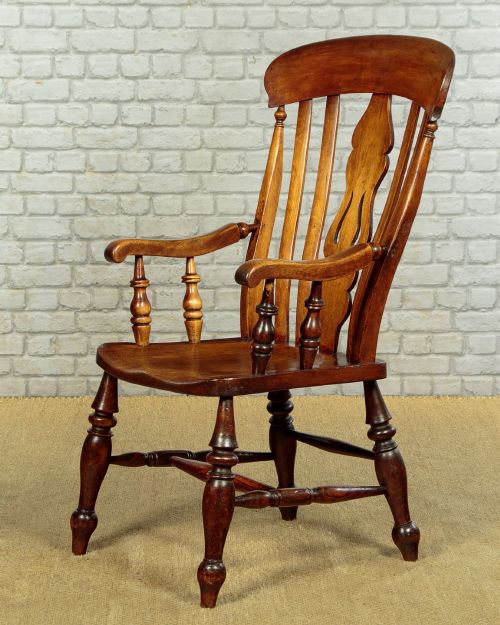
- A traditional wooden chair style featuring pegged legs and spindles fitted into a solid sculpted seat.
- Carolean
- A decorative style from the late seventeenth century characterised by rich carving, scrolling foliage, and tall upholstered backs, often revived in later periods.
- Wingback
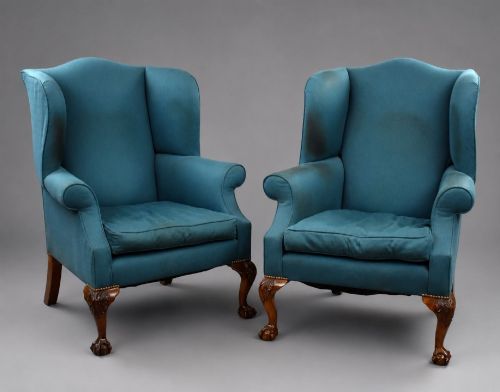
- An armchair featuring protective side panels or wings designed to shield the occupant from draughts.
Vintage Highback Chair: Frequently Asked Questions
How do I identify a Jacobean style highback chair?
Jacobean style highback chairs typically feature rectilinear frames, dark oak timber, and pronounced vertical stiles that echo seventeenth-century designs. Look for carved ornamentation and rigid proportions.
Many examples found today are nineteenth-century revivals rather than original seventeenth-century pieces, identifiable through timber seasoning and construction methods.
Where should I place a highback dining chair?
Highback dining chairs suit formal dining tables where their elevated vertical lines create a striking symmetry around the room. They also function well as solitary accent pieces in hallways or bedrooms.
Ensure there is sufficient clearance above and around the tall backrest so the piece commands the space without crowding surrounding furniture.
What is the difference between an armchair and a side chair?
Armchairs include supportive side rests for the arms, making them suited for relaxation or placement at the heads of a dining table. Side chairs omit arms to allow compact placement around dining settings.
Both variants utilise high backrests in these inventories, but the presence of armrests fundamentally alters the daily utility and placement of the seat.
Are upholstered highbacks comfortable for daily use?
Upholstered highbacks lined with leather, velvet, or fabric provide generous back support and cushioning suited for extended periods of sitting. The tall backrest cushions the head and shoulders effectively.
Comfort depends on the underlying support structure and whether the padding has been restored or maintained to preserve its original resilience.