




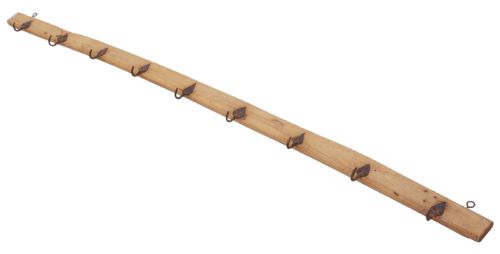
Vintage Hanging Display
Vintage hanging display pieces organise wall space through centuries of timber craftsmanship, offering practical storage alongside historic charm.
Vintage Hanging Display
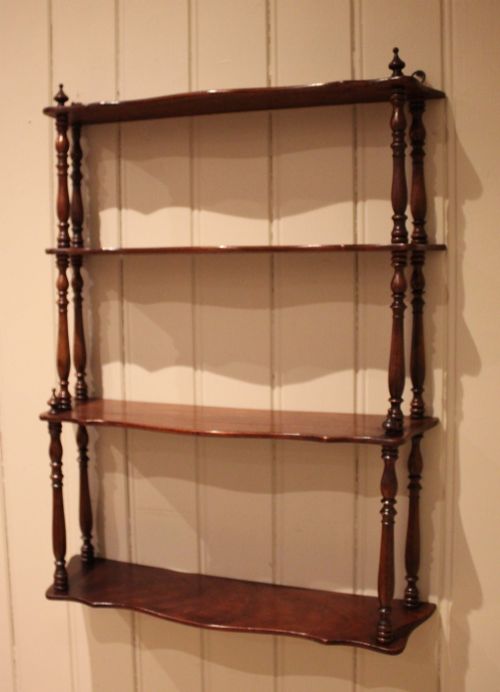
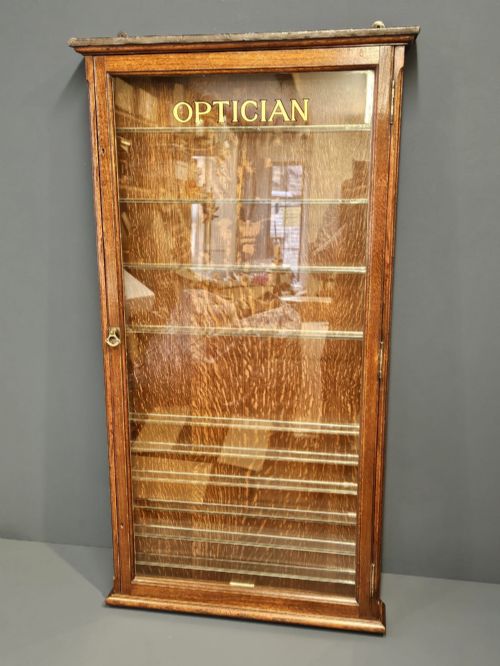
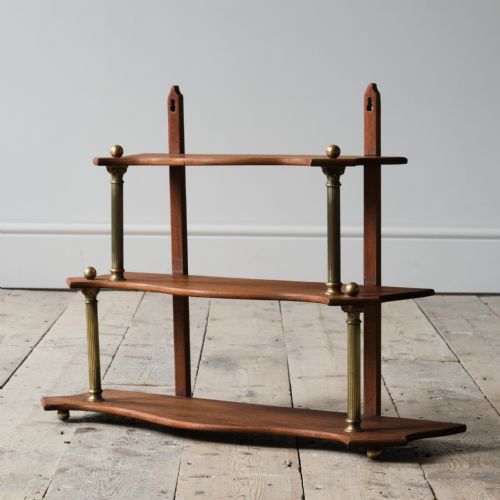
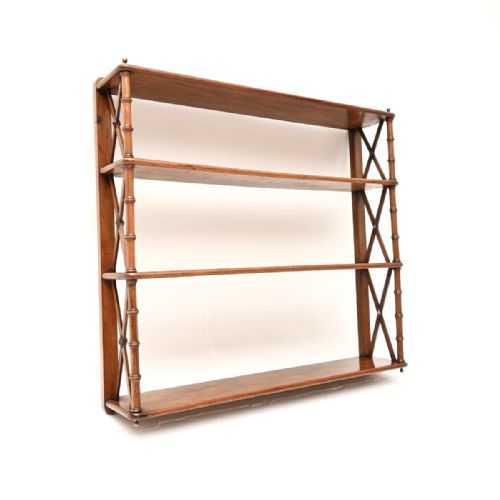
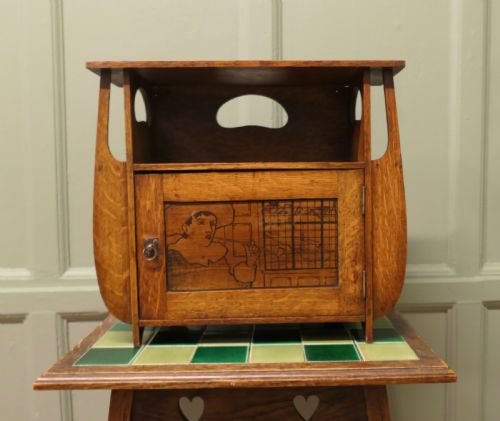
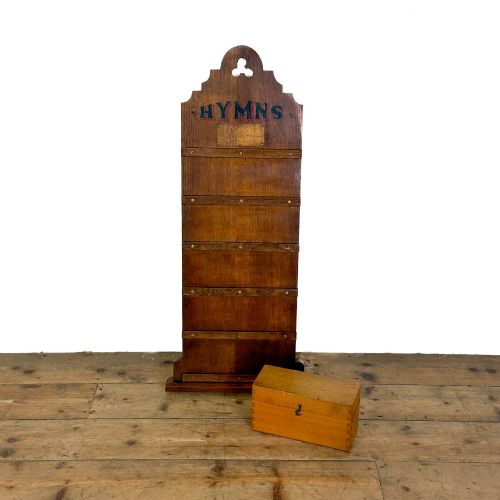
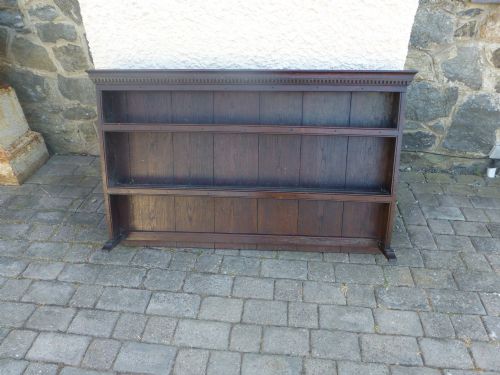
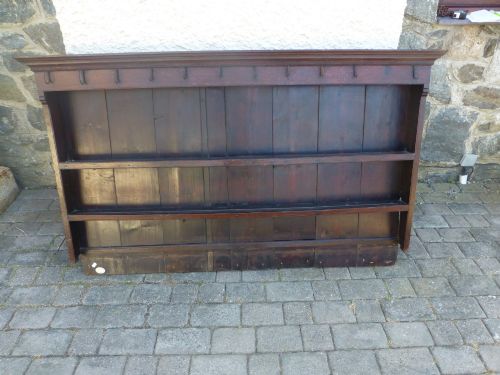
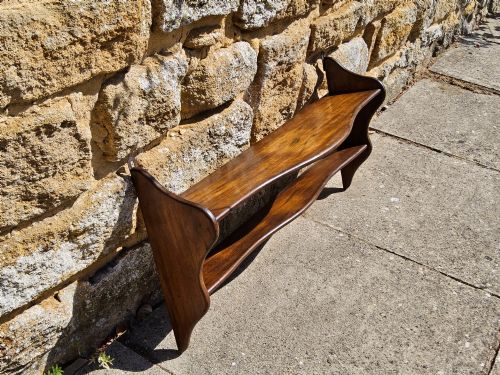
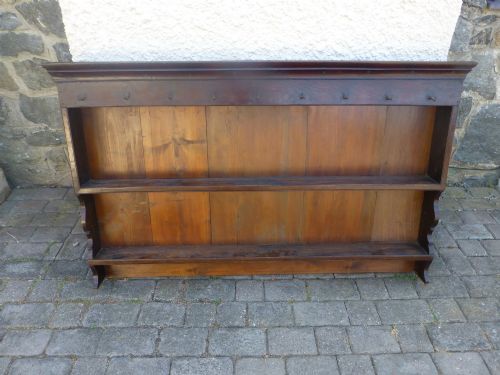
When you search for vintage hanging display, you encounter wall-mounted furniture designed to showcase ceramics, books and ornaments without consuming floor space. The selection spans robust oak plate racks and walnut bookcases alongside delicate glazed cabinets.
Most examples originate from the eighteenth and nineteenth centuries, running from Georgian proportions through Victorian and Edwardian iterations. Mahogany and oak dominate the forms, supplemented by painted pine and walnut variants.
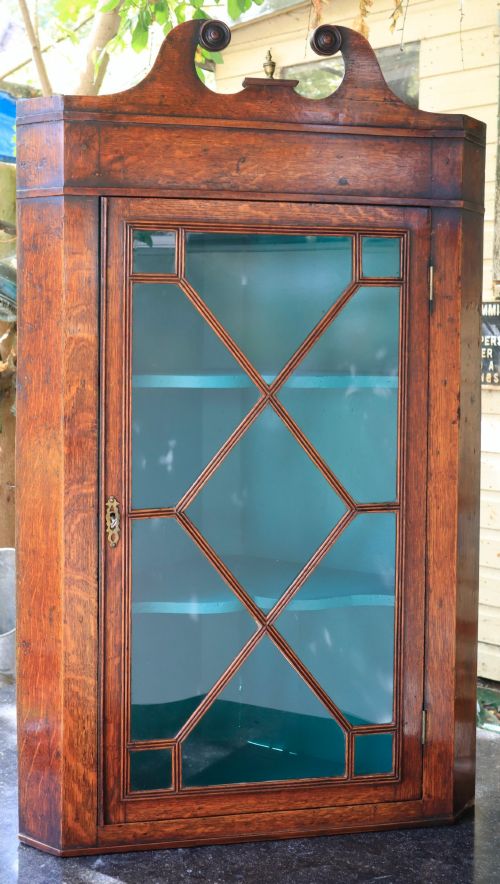
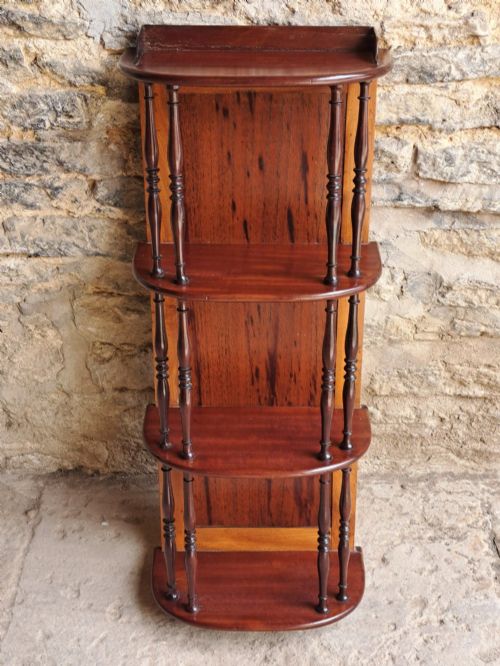
Buyers frequently find smaller wall shelves, corner cabinets and hanging vitrines intended for domestic parlours and kitchens. These compact units translate historical cabinet-making traditions into functional vertical storage for modern rooms.
Materials and construction
Cabinet makers relied predominantly on dense hardwoods like mahogany, oak and walnut, selecting timber with strong grain patterns for visible display surfaces. Secondary woods like pine appear in concealed carcase parts and simpler painted country pieces.
Joinery techniques combined traditional dovetails for drawer and shelf construction with sturdy pegging for structural weight-bearing frames. Glazed doors utilised slender timber glazing bars to maximise light exposure for the items held within.
Vintage Hanging Display Retail Price Guide 2026
Typical asking prices for vintage hanging display among the pieces listed under this phrase on Sellingantiques today, from the lower quarter to the upper quarter. They describe what is for sale here now, not the wider market.
Listings feature oak, mahogany, walnut, pine and painted wood across Georgian, Victorian, Edwardian, Regency and Arts and Crafts periods.
Gradations of quality
The refinement of timber selection and the subtlety of mouldings distinguish superior pieces from utilitarian utility items. Finer examples display carefully matched veneer grains, hand-cut dovetailing and original brass hardware.
Proportion and architectural balance dictate the overall success of hanging shelves and corner cupboards. Well-designed cornices and balanced tier spacing elevate a modest wall shelf into a considered focal point.
The Vintage Hanging Display Glossary
- Plate rack
- A wall-mounted wooden rack featuring narrow slatted shelves and retaining rails designed to display ceramic plates upright. They originate primarily from eighteenth-century kitchens and dining spaces.
- Corner cabinet
- A cupboard constructed with a triangular cross-section specifically engineered to fit tightly into room corners. These units utilise vertical wall space efficiently.
- Glazed door
- A cabinet door fitted with glass panes to protect contents from dust while maintaining visual access. Early examples feature hand-blown cylinder glass with natural surface irregularities.
- Diorama
- A three-dimensional scenic display enclosed within a glazed wall case. Maritime examples present detailed miniature models of sailing vessels set against painted backgrounds.
- Faience
- Tin-glazed earthenware produced across continental Europe during the eighteenth century. These brightly coloured wares frequently appear in display chargers and decorative dishes.
Vintage Hanging Display: Frequently Asked Questions
How do I hang a heavy oak wall cabinet safely?
Heavy wall-mounted cabinets require secure attachment directly into structural wall studs or masonry using appropriate fixings rated for the total weight of the timber and its contents.
Distributing the load across multiple fixing points prevents strain on the original antique backboards and hanging brackets.
Can these antique shelves hold heavy books?
Portable mahogany bookshelves and smaller wall hanging shelves were constructed to support moderate volumes rather than extensive encyclopaedia sets. Assessing the depth of the ledges and the rigidity of the wall fixings ensures safe usage for heavier items.
Lighter display pieces, such as plate racks and glazed vitrines, suit ceramics and decorative objects better than dense print collections.
How do I clean antique polished mahogany?
Maintenance requires gentle dusting with a dry, soft lint-free cloth to remove surface particles without disturbing the underlying polished finish. Avoid modern silicone sprays that can degrade historic wood finishes over time.
Occasional application of pure beeswax preserves the moisture and lustre of eighteenth and nineteenth-century timber.
What is the difference between a corner cupboard and a wall cabinet?
Corner cupboards utilise angled back panels to occupy intersecting wall junctions, maximising room layouts in smaller domestic spaces. Wall cabinets feature flat rear panels designed for placement across standard flat surfaces.
Both forms utilise glazed or solid wooden doors to protect interior displays from dust.