



Vintage Hand Painted Planter
These vintage hand painted planter examples bring floral colour to a room through centuries of ceramic and wooden craftsmanship.
Vintage Hand Painted Planter
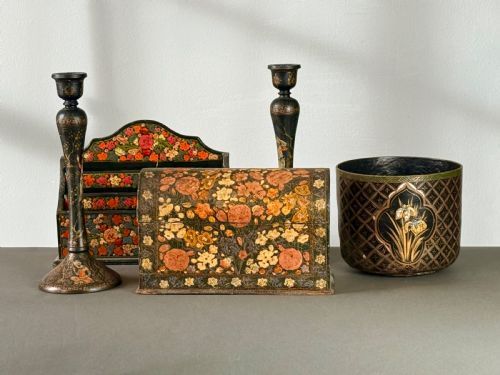
When searching for a vintage hand painted planter, you encounter vessels designed to hold growing plants or house cut stems. The selections span from the nineteenth century into the twentieth century, taking forms such as jardinieres, cachepots, and wall pockets.
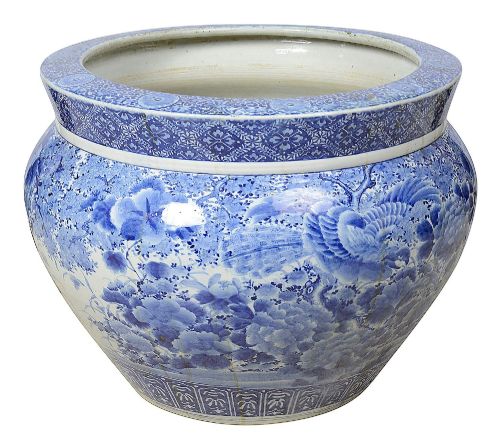
The evidence shows diverse origins, ranging from Japanese Imari and Chinese Chinoiserie styles to European earthenware and wooden containers. You will frequently meet pieces designated as jardinieres or cachepots alongside decorative pots and urns.
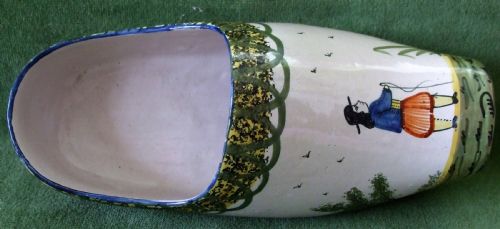
Makers and traditions represented include Quimper French faience, German Dresden porcelain, and English factories such as Royal Worcester Hadley Ware. These objects bridge decorative arts and practical horticulture, serving as focal points on tables, desks, and walls.
How they were made
Makers utilised ceramic, earthenware, and porcelain bodies, shaping them on wheels or moulding them into octagonal and rounded vessels. Artisans applied glazes and hand-painted pigments directly onto the surfaces before firing.
Alternative materials in the record include turned wood, lacquer, and papier-mache, reflecting diverse international workshop traditions. Metal components or enamel finishes occasionally appear on desk accessories and cachepots.
Hand-painted decoration takes the form of floral motifs, oriental scenes, and folkloric figures executed with fine brushes. The combination of thrown clay or carved wood with applied pigments defines the physical character of each piece.
Vintage Hand Painted Planter Retail Price Guide 2026
Typical asking prices for vintage hand painted planter among the pieces listed under this phrase on Sellingantiques today, from the lower quarter to the upper quarter. They describe what is for sale here now, not the wider market.
What varies in quality
The sophistication of the hand-painted brushwork distinguishes simpler rustic items from finer studio and factory pieces. Crisp detailing in floral designs or figurative scenes elevates the visual weight of the vessel.
Material choice and body preparation also create differences across the range, with delicate porcelain and refined earthenware sitting apart from heavier folk wooden containers. The execution of the glaze or lacquer finish determines how well the surface holds its character over time.
Royal Worcester Hadley Ware·Clarice Cliff
The Vintage Hand Painted Planter Glossary
- Cachepot
- A decorative container designed to hide an ordinary flowerpot holding a plant. The term comes from the French for hiding a pot.
- Jardiniere
- A large ornamental pot or stand for plants, usually ceramic or metal. This vessel sits on floors, tables, or plant stands.
- Faience
- Tin-glazed earthenware produced in Europe, particularly associated with French traditions. The white glaze provides a smooth background for painted colours.
- Imari
- A style of Japanese porcelain decorated in underglaze blue and overglaze red, gold, and green. These wares were exported widely to Europe from the Meiji period onwards.
Vintage Hand Painted Planter: Frequently Asked Questions
What is a cachepot?
A cachepot is an ornamental container used to hold and conceal a plain plant pot. It lacks drainage holes in the base to protect furniture surfaces from water.
These vessels sit directly on tables, desks, or mantelpieces, bringing decorative plant life indoors without the mess of direct planting.
How do I clean an antique planter?
Cleaning requires gentle dusting with a soft, dry cloth to protect delicate hand-painted surfaces and glazes. Avoid submerging wooden or lacquer pieces in water.
For glazed ceramics, a damp cloth removes surface dirt without harming the painted pigments or the underlying body.
Where were these planters made?
The pieces originate from diverse international workshops across Europe and Asia. Origins include Japanese kilns, German porcelain houses, French faience potteries, and English factories.
Each region employed distinct materials and painting styles, reflecting the local manufacturing traditions of the nineteenth and twentieth centuries.
Can I plant directly inside them?
Placing soil and plants directly into antique ceramic or wooden vessels risks moisture damage and staining to the interior surfaces. Using a smaller inner pot prevents direct contact with water.
Retaining an inner nursery pot also makes watering and plant maintenance much simpler.