

Vintage Hall Pendant
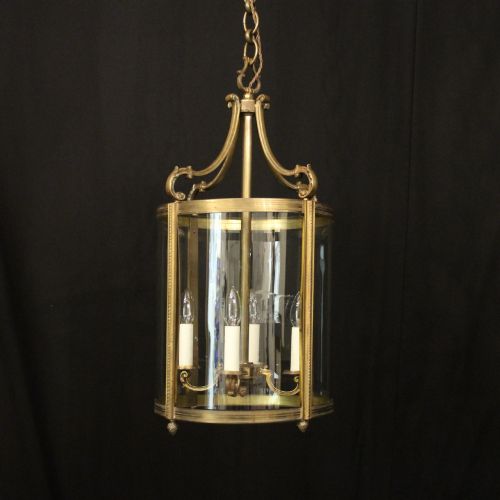
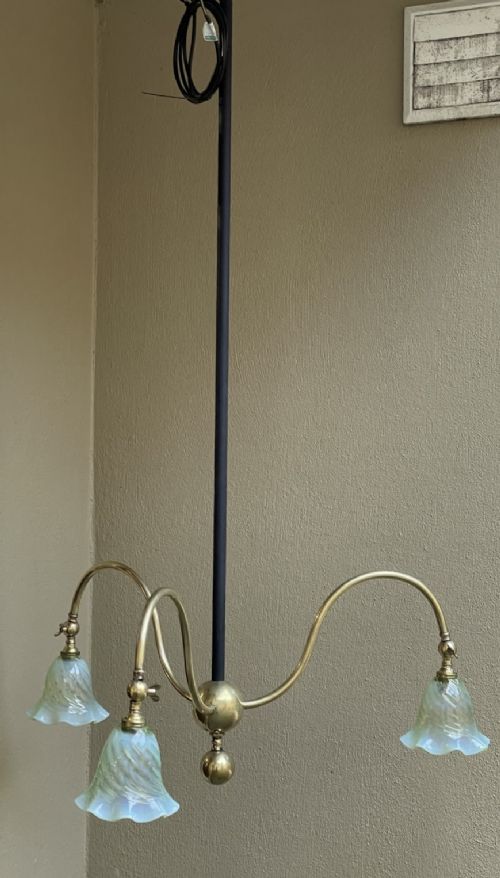
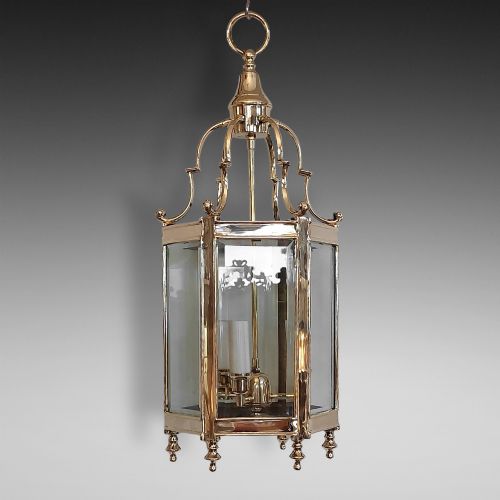
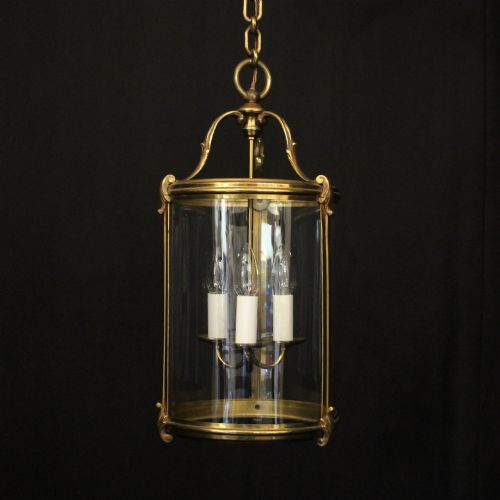
These vintage hall pendant fixtures illuminate entryways with period character, cast in brass, bronze and glass across Victorian to Art Deco eras.
Vintage Hall Pendant
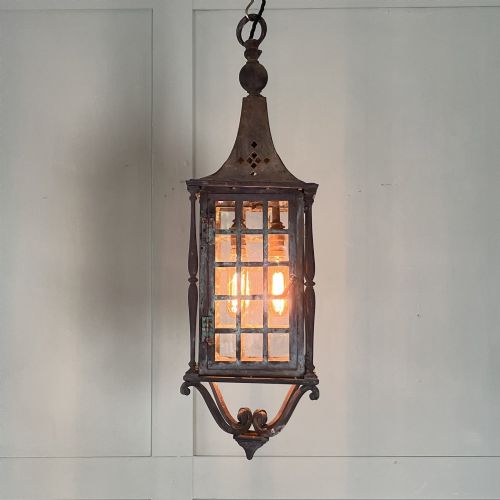
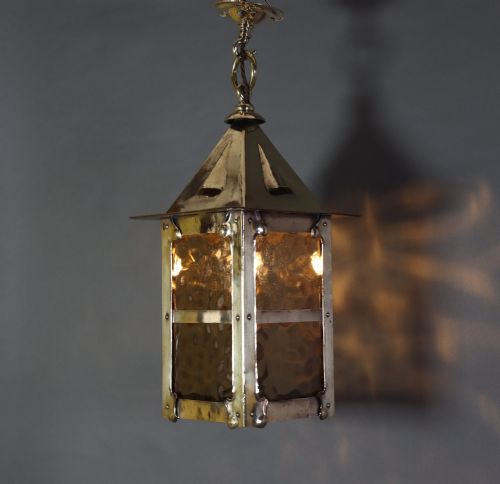
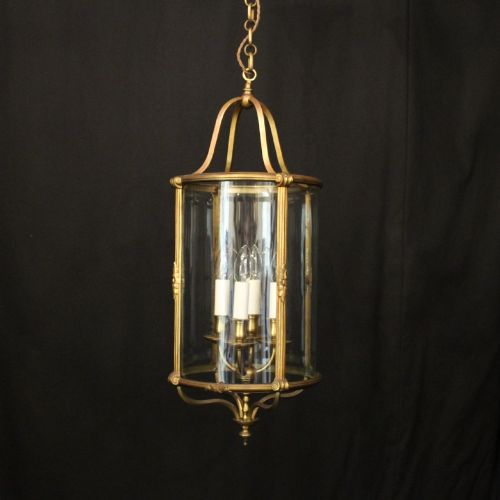
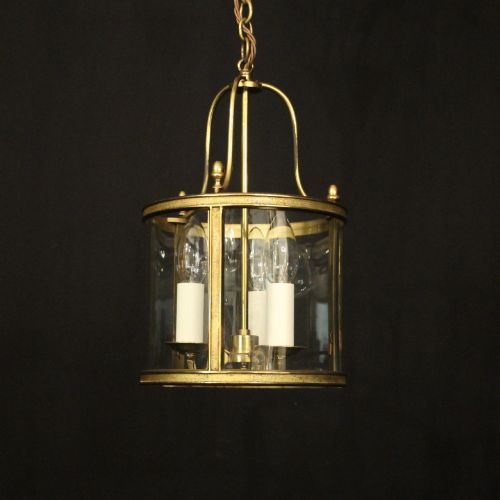
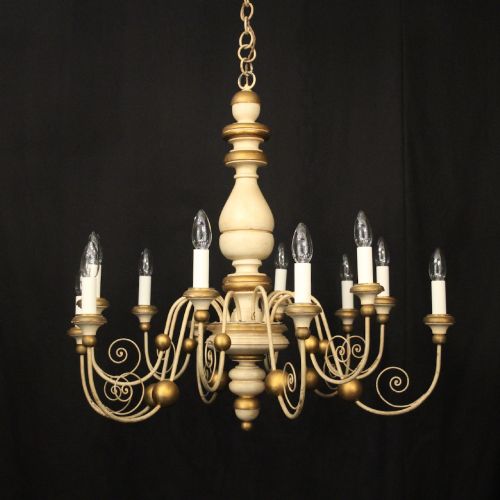
A vintage hall pendant search reveals hanging lanterns, ceiling lights, and chandeliers designed specifically to light narrow corridors and entrance spaces. These fixtures arrive from diverse periods including the Victorian, Edwardian, and early twentieth century eras.
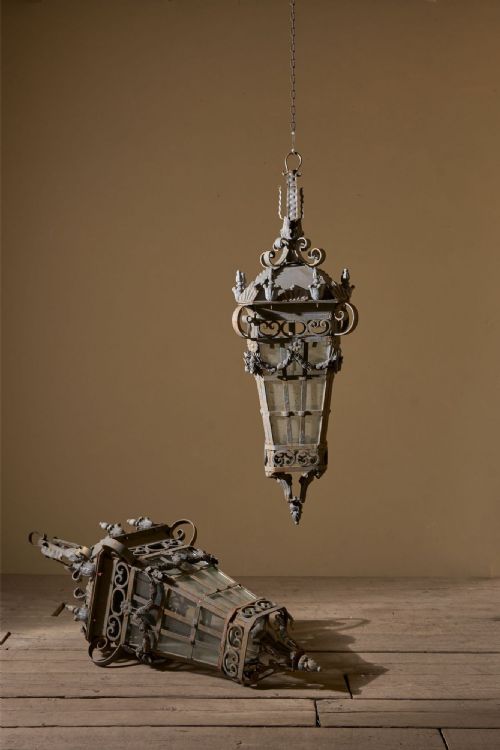
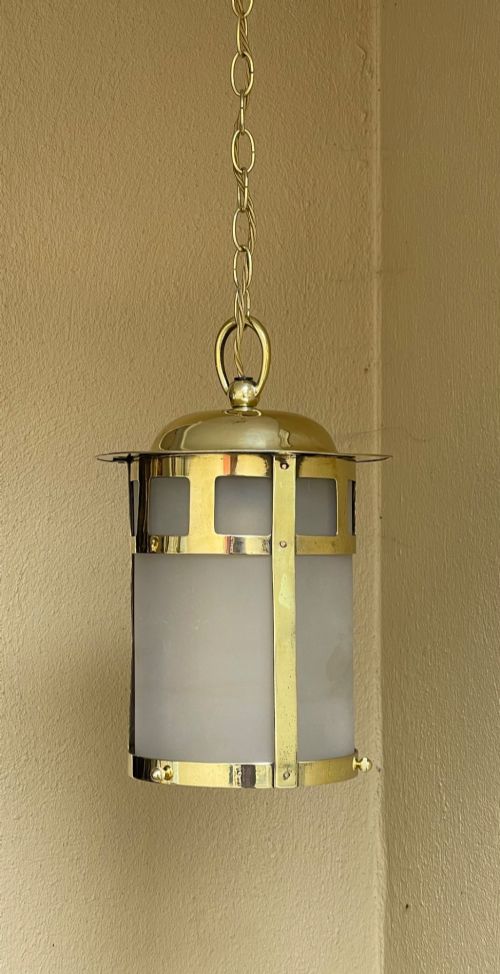
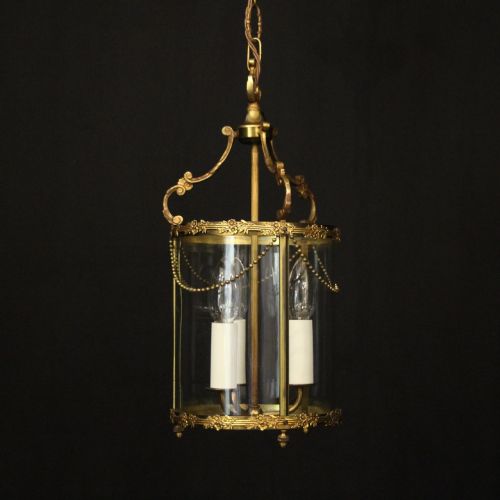
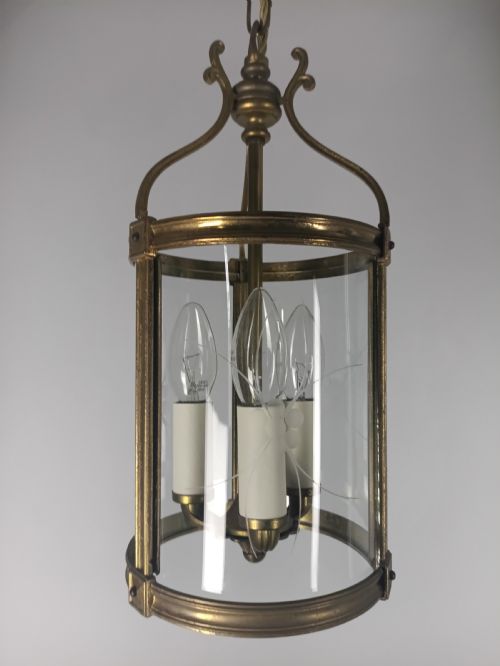
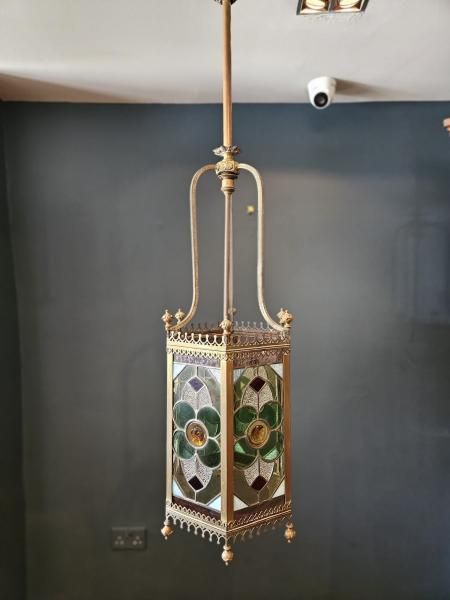
The most common forms on this page take shape as hexagonal or square brass lanterns, alongside French gilded bronze and iron hanging lights. Many incorporate glazed glass panels, convex glass lenses, or hand blown bullseye glass.
Pieces span distinct design movements such as Arts and Crafts, Art Nouveau, and French Neoclassical styles. Buyers find both simple utilitarian hanging lights and large multi light fixtures with notable civic provenances.
Materials and construction methods
Metalwork forms the skeletal frame of these pendants, utilising cast brass, wrought iron, and gilded bronze. Artisans shaped structural elements by hand, often incorporating hinged doors and decorative mounts into the metal frames.
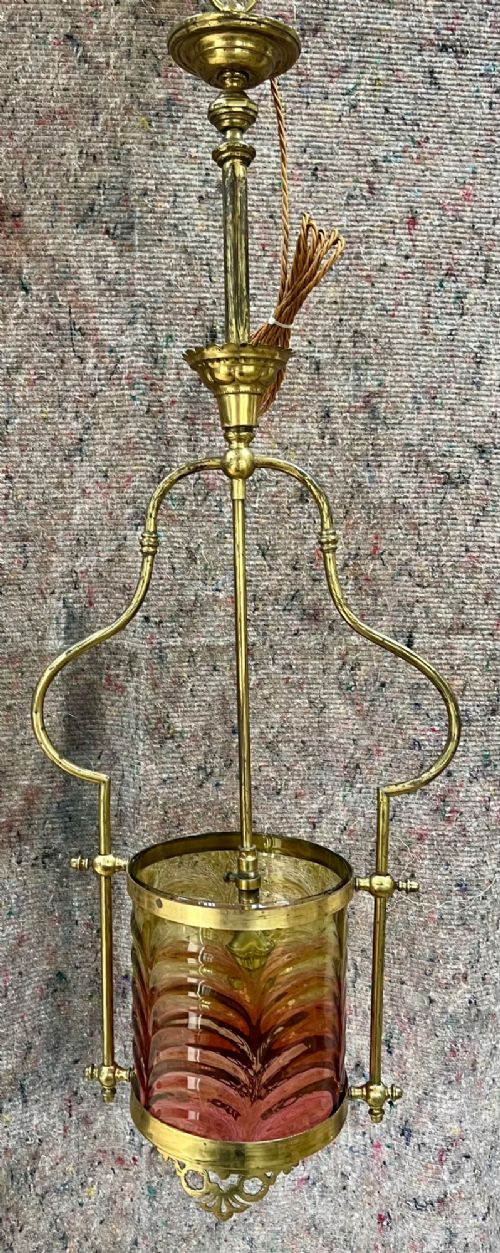
Glass components range from plain panes to leaded stained glass and etched convex glass panels. Craftsmen also employed specialised techniques like hand blowing thick bullseye glass to diffuse light effectively within small entrance halls.
Materials recorded across the selection feature leaded stained glass, moonstone glass, and heavy gilded bronze frameworks.
Quality differences across the range
The distinction between standard utility lighting and superior items rests in the weight of the metal frame and the intricacy of the casting. Heavy bronze and well chased brass signify greater workshop investment than thin pressed metal.
Glazing quality dictates much of the visual appeal, separating simple flat glass from bevelled, etched, or heavily textured hand blown panels. Original gilding and integrated architectural hardware further elevate a piece above standard domestic lighting.
The Vintage Hall Pendant Glossary
- Hall lantern
- A hanging ceiling light enclosed in glass panels, traditionally used to illuminate entrance lobbies and corridors. These fixtures often feature metal frames of brass, iron, or bronze.
- Convex glass
- Curved glass panels that project outward from the lantern frame to disperse illumination more widely. This type of glass is frequently found on French hanging fixtures.
- Bullseye glass
- Thick, round glass formed with a central circular distortion left by the glassblowing pontil rod. It adds texture and diffuses light in older lanterns.
- Leaded glass
- Individual pieces of glass joined together by narrow strips of lead came to form patterned window panels. This technique appears in Arts and Crafts and Victorian porch lanterns.
- Gilt bronze
- Bronze metal treated with a thin layer of gold or gold coloured alloy to produce a rich metallic surface finish. It is common in decorative French lighting pieces.
Vintage Hall Pendant: Frequently Asked Questions
How do I hang a heavy hall pendant safely?
Suspension requires attaching the fixture to a ceiling joist using an appropriate metal hook or mounting bracket capable of supporting the weight of the metal and glass.
Heavier bronze or iron lanterns need reinforced ceiling fixings rather than standard plasterboard anchors to ensure secure installation in an entryway.
Were these lanterns originally wired for electricity?
Many early pieces were designed to burn candles or oil before being converted to electricity during later twentieth century updates. Some retain physical evidence of their early fuel sources.
Wiring is typically modernised by professional electricians to meet current safety standards while preserving the antique metal framework.
How do I determine the correct pendant size for my hallway?
Proportion depends on the ceiling height and floor area of the specific corridor or entrance space. A tall hallway accommodates a larger multi light chandelier or drop lantern.
Shorter ceilings require compact single light fixtures or flush hanging lanterns that maintain adequate clearance for passage below.
What is the difference between Arts and Crafts and Victorian styles here?
Arts and Crafts pieces emphasise honest construction, simple brass frames, and hand worked materials often associated with designers like Voysey. They reject excessive ornamentation in favour of utility.
Victorian and Edwardian pieces lean toward heavier decorative castings, complex glass etching, and formal French or Gothic revival aesthetic influences.