



Vintage Haberdashery Box
These vintage haberdashery box items are practical storage pieces and commercial display cases that bring period craftsmanship into modern homes.
Vintage Haberdashery Box
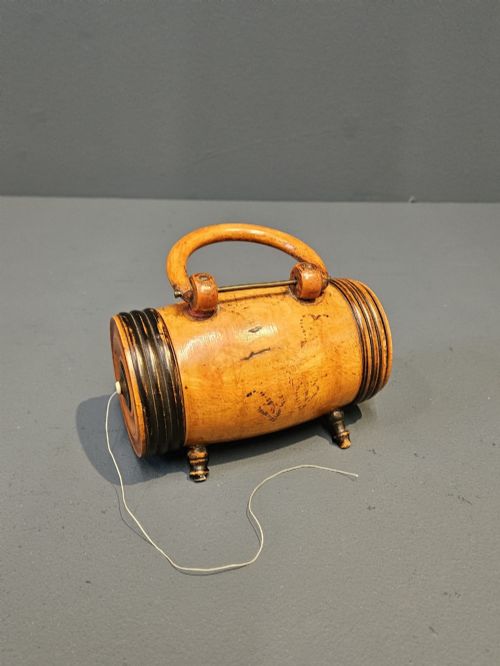
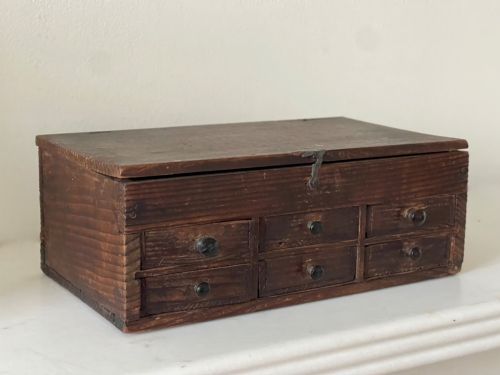
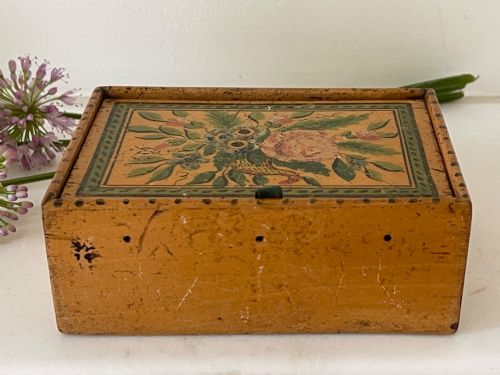
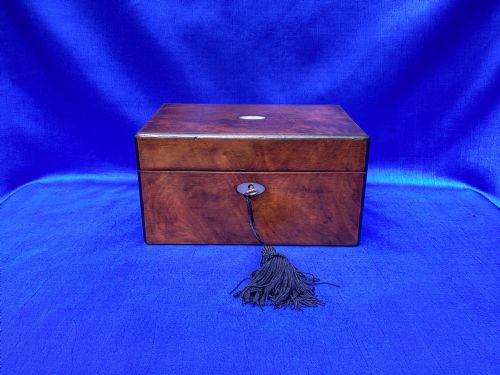
A vintage haberdashery box encompasses small storage cabinets, sewing boxes, and countertop display cases originating from the Georgian, Victorian, Edwardian, and 1920s periods. Buyers seeking these items typically find wooden desktop containers, fitted sewing chests, and glass shop display units designed for organising small goods.
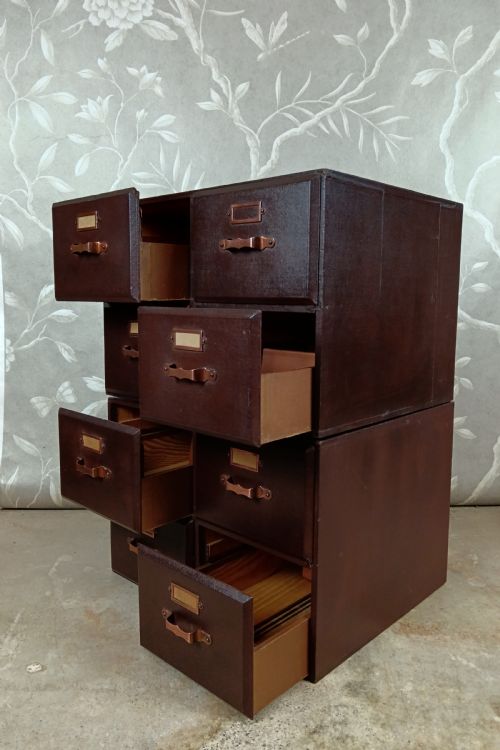
The selection ranges from domestic workboxes featuring intricate Tunbridge Ware to commercial shop cabinets and seed chests built for trade use. Oak, mahogany, and pine form the primary structure of these containers, often complemented by glass panels and brass hardware.
Domestic sewing accessories and specialised storage items reflect the personal craft habits of the nineteenth and early twentieth centuries. Meanwhile, commercial display cases illustrate the retail methods of past eras through tiered drawers and glazed fronts.
How they were made
Cabinet makers utilised dense hardwoods such as mahogany, rosewood, and oak to construct the frames and drawers of these storage pieces. Joinery techniques relied on precise dovetailing and fitted compartments to withstand daily domestic or retail handling.
Glass panels were integrated into countertop display cabinets to protect merchandise while maintaining visibility for customers. Brass handles, hinges, and sterling silver mounts added both structural reinforcement and decorative detail to the finished pieces.
Vintage Haberdashery Box Retail Price Guide 2026
Typical asking prices for vintage haberdashery box among the pieces listed under this phrase on Sellingantiques today, from the lower quarter to the upper quarter. They describe what is for sale here now, not the wider market.
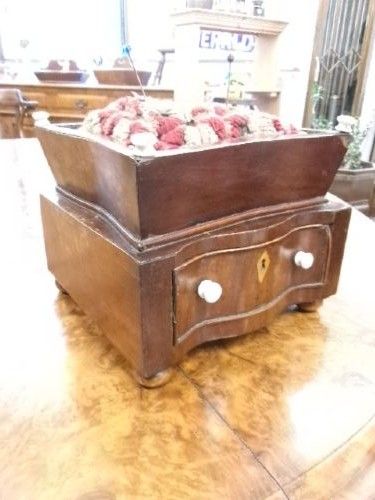
Object forms range from domestic pincushion workboxes and sewing tables to commercial apothecary and sweet shop display cabinets.
What varies in quality
The refinement of the internal fittings and the complexity of decorative techniques dictate the tier of a piece. Elaborate surface decoration, such as Tunbridge Ware mosaic work, elevates domestic workboxes above standard utility containers.
Commercial cabinets depend on the integrity of their original glazing, hardwood framing, and surviving maker branding. Pieces retaining their fitted interior trays or original glass display shelves demonstrate higher grade manufacture.
Ermen & Roby·Artificer's Guild·Cadbury's
The Vintage Haberdashery Box Glossary
- Tunbridge Ware
- A type of decorative woodwork characterised by tiny mosaic tiles formed from naturally coloured woods to create pictorial patterns. This technique was frequently applied to Victorian and Georgian sewing boxes.
- Countertop Display Cabinet
- A glazed shop fitting designed to sit upon a retail counter for customer viewing. These oak or hardwood cabinets often featured sign-written branding for confectionery or cottons.
- Pincushion Workbox
- A small container designed for sewing implements featuring an integrated padded cushion for pins. These examples often incorporate rosewood or mahogany structures.
- Haberdashery Display Case
- A specialised shop case utilised for merchandising sewing cottons and small haberdashery items. Prominent trade examples feature maker names associated with thread manufacturing.
Vintage Haberdashery Box: Frequently Asked Questions
What were haberdashery boxes used for originally?
These containers served both domestic sewing storage and commercial retail display purposes. Households utilised them to organise threads, buttons, and pins.
Commercial establishments relied on glazed countertop cases to merchandise small goods to retail customers.
How do I date a vintage box?
Dating relies on observing construction methods, material choices, and prevailing style characteristics from periods such as the Georgian era or the 1920s. Hardwood selection and dovetailing techniques provide key chronological indicators.
Commercial pieces frequently feature period lettering styles and manufacturer names associated with specific trade eras.
How should I clean wooden storage pieces?
Maintenance requires gentle dusting with a dry lint-free cloth to protect finished wood surfaces and antique brass hardware. Avoid harsh chemical cleaners that can damage historic polishes.
Glass panels on display cabinets benefit from standard glass cleaner applied sparingly to prevent moisture seepage into surrounding wood frames.
Can these boxes hold modern items?
The compartment layouts and shallow drawers suit the organisation of modern jewellery, stationery, and small collectables. Fitted trays keep delicate items separated and secure.
Larger countertop cabinets function effectively as display surfaces for contemporary ornaments within living spaces.