





Wooden Craft Chest
A wooden craft chest brings honest construction and utility into a room, spanning periods from the Victorian era to mid-century modern design.
Wooden Craft Chest
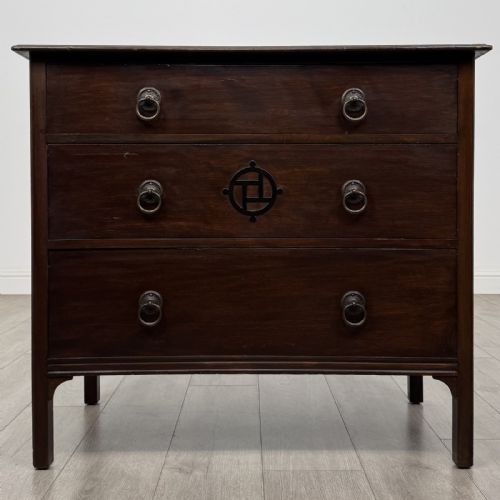
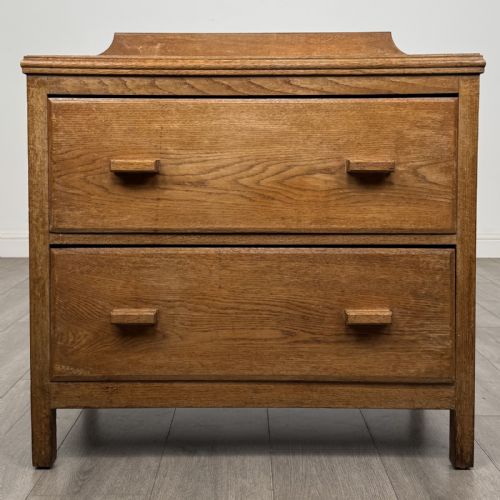
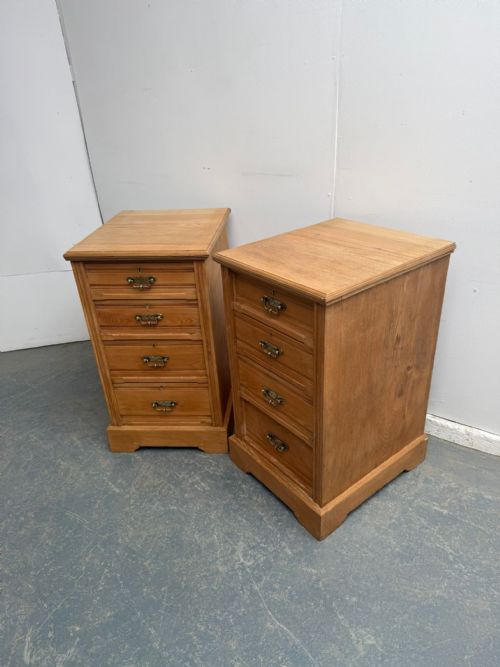
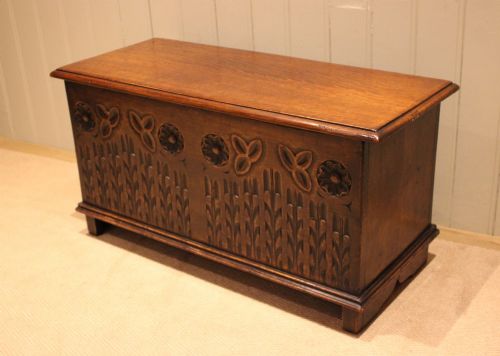
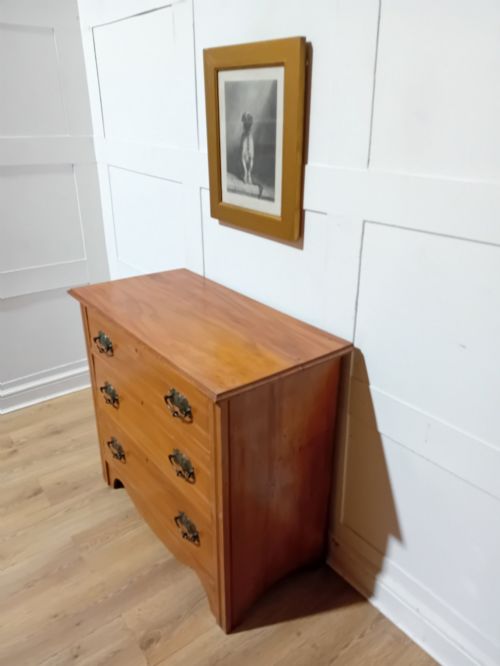
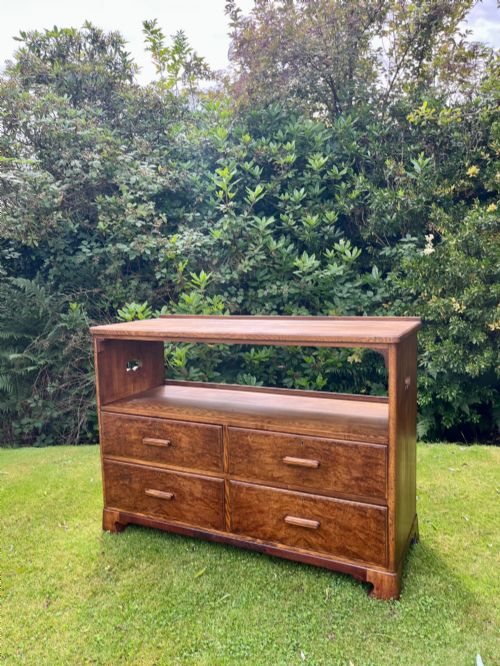
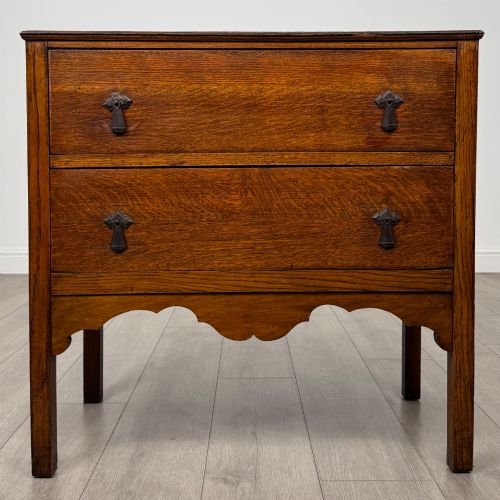
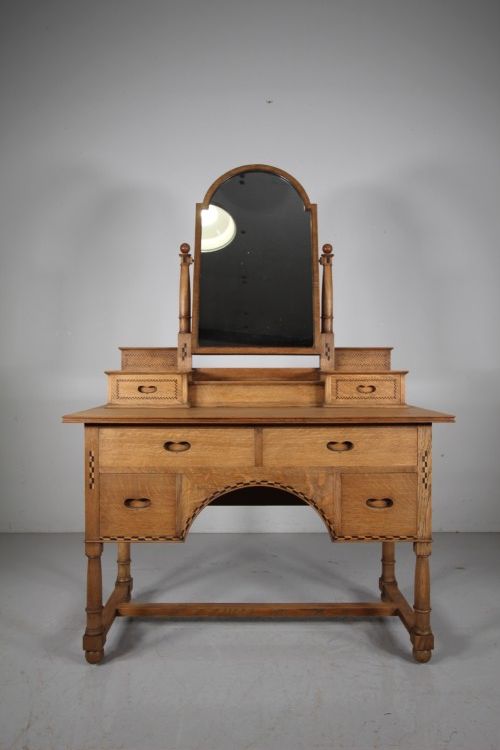
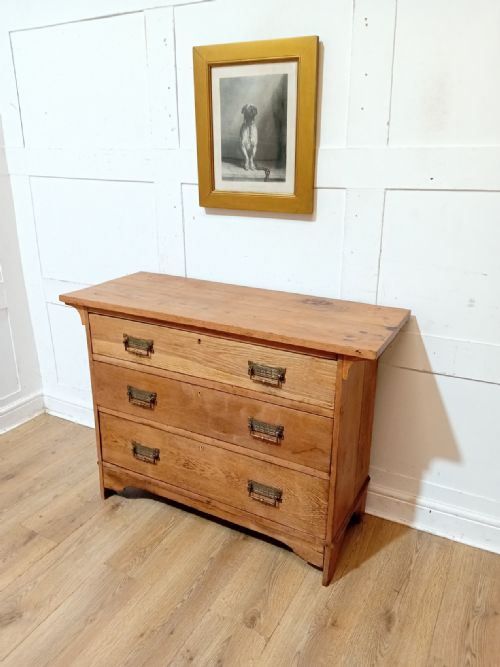
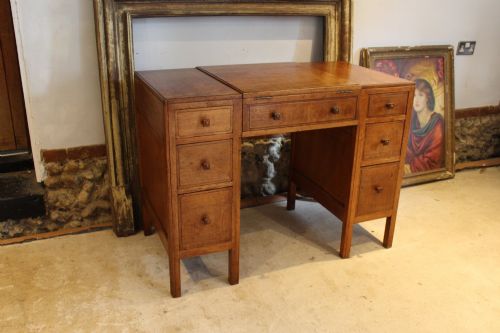
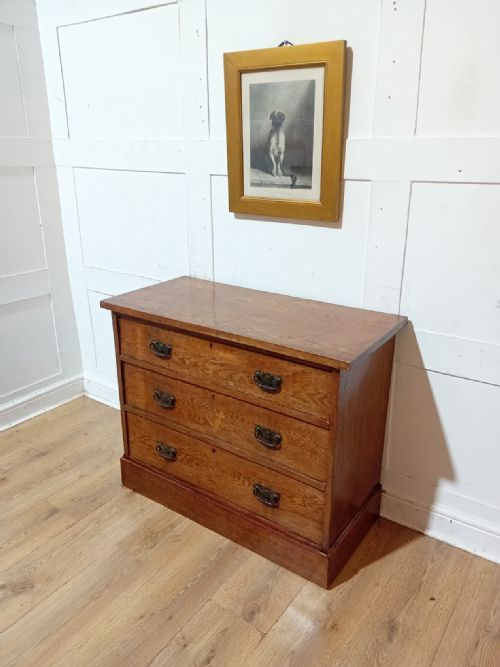
A wooden craft chest encompasses storage furniture built with integrity, ranging from multi-drawer cabinets to solid coffers and dressing chests. When searching for a wooden craft chest, buyers encounter pieces primarily rooted in the Arts and Crafts movement alongside Victorian and Cotswold School traditions.
The selection leans heavily toward oak, ash, and pine storage forms, often featuring exposed joints and simple hardware. These items served practical domestic functions, from bedside organisation to storing sewing supplies and manuscripts.
Originating largely from the late nineteenth and early twentieth centuries, these examples reflect a shift away from factory mass production toward handcrafted utility. The forms vary from tall chests of drawers to low table cabinets and lidded coffers.
Materials and construction
Construction relies upon solid timbers such as oak, ash, satinwood, elm, and pine, selected for durability and natural grain character. Makers utilised brass for handles and hinges, often leaving metalwork unpolished or patinated.
Techniques prioritise visible structural honesty, utilising panelled construction, dovetail joints for drawers, and pegged framing rather than concealed fasteners. Surfaces are typically waxed, limed, or painted, preserving the tactile quality of the wood.
Wooden Craft Chest Retail Price Guide 2026
Typical asking prices for wooden craft chest among the pieces listed under this phrase on Sellingantiques today, from the lower quarter to the upper quarter. They describe what is for sale here now, not the wider market.
Listings feature oak, ash, pine, and satinwood across the Victorian, Edwardian, and mid-century periods.
Distinguishing quality and design
Quality rests upon the selection of timber, such as figured pollard oak or solid satin walnut, paired with thoughtful proportions. Workshop attribution elevates a piece, distinguishing standard utility items from documented examples produced by notable makers and regional schools.
Execution of detail separates simpler vernacular items from superior creations. Refined surface treatments like liming or hand-waxing, alongside original brass or copper hardware, indicate a higher grade of craftsmanship.
Harris Lebus·Whytock and Reid·Heal and Sons·Jack Grimble·Arthur Simpson
The Wooden Craft Chest Glossary
- Coffer
- A heavy lidded chest traditionally used for storage, often constructed with panelled oak sides and pegged joints.
- Limed oak
- A wood finishing technique that leaves a white pigment in the open grain, popularised during the early twentieth century.
- Cotswold School
- A regional design movement focusing on handcrafted furniture with simple, robust forms and vernacular traditions.
- Dovetail
- A joinery technique interlocking wedge-shaped fingers, used primarily to secure drawer corners with lasting strength.
- Collectors cabinet
- A specialist small-scale storage unit fitted with multiple shallow drawers for organising specimens or small objects.
Wooden Craft Chest: Frequently Asked Questions
What is an Arts and Crafts chest?
An Arts and Crafts chest is a piece of storage furniture prioritising natural wood grain, visible joinery, and functional design over ornate decoration.
These pieces emerged from a movement valuing traditional craftsmanship and honest construction, typically executed in solid oak, ash, or pine.
How do I date a wooden craft chest?
Dating relies on examining construction methods, timber choices, and stylistic cues such as hardware and surface finishes. Pieces from the late nineteenth and early twentieth centuries often feature hand-cut dovetails and specific movement characteristics like limed oak or Gothic revival details.
Makers' stamps, labels, or documented workshop styles also provide reliable chronological markers for identification.
Where were these chests used?
These chests served various domestic roles throughout the home, functioning as bedroom storage, bedside cabinets, or hallway coffers for linens.
Smaller table cabinets and filing units were designed for studies or workshops to organise papers, sewing equipment, or collections.
How should I care for waxed wood?
Waxed wooden surfaces require occasional gentle cleaning with a soft cloth and the application of a quality beeswax to nourish the timber. Avoid placing these pieces in direct sunlight or near heat sources to prevent the wood from drying out or splitting.