
Vintage Gold Vanity
Vintage gold vanity items span gilded mirrors, brass dressing trays and precious metal cases that bring reflective glamour to a dressing space.
Vintage Gold Vanity
When you search for vintage gold vanity, you encounter a selection of objects designed for personal grooming and dressing rooms, predominantly comprising mirrors, trays, stools and scent bottles. The pieces date from the nineteenth century through the art deco decades, capturing periods such as the Victorian, Edwardian and Regency eras.
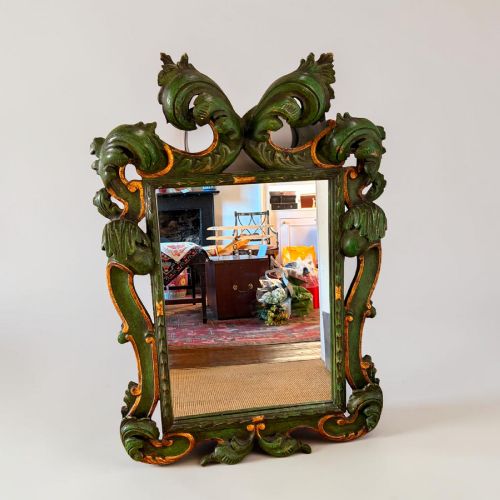
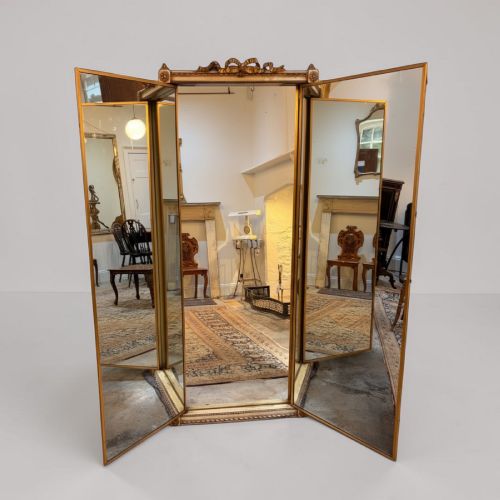
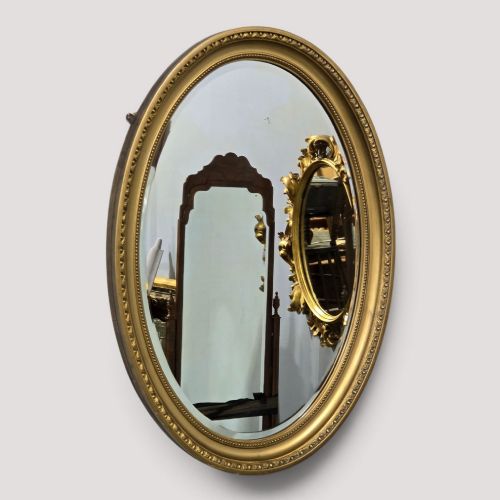
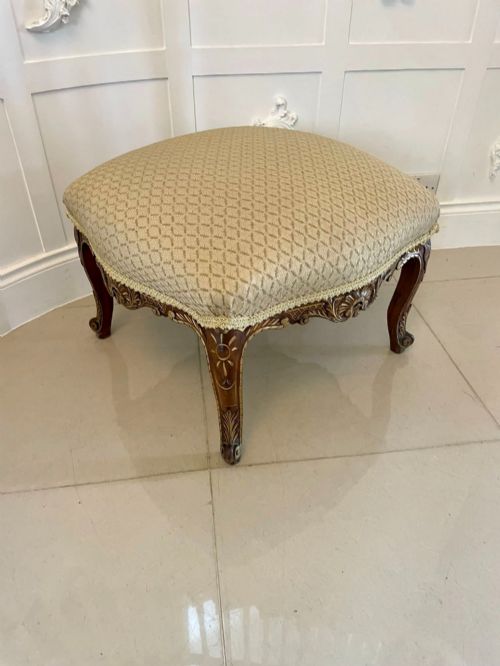
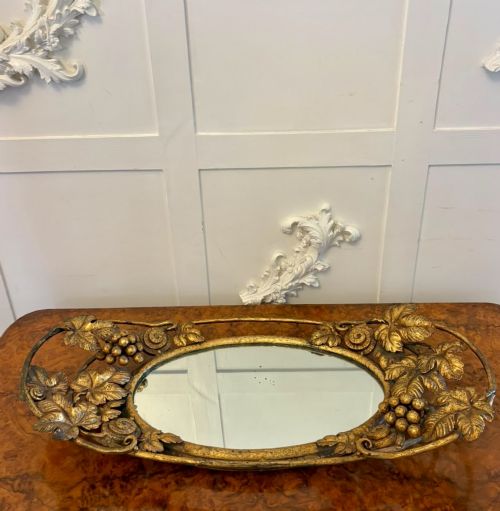
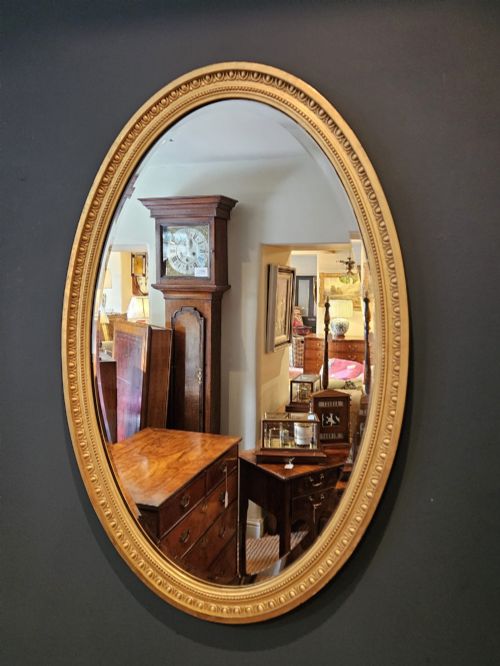
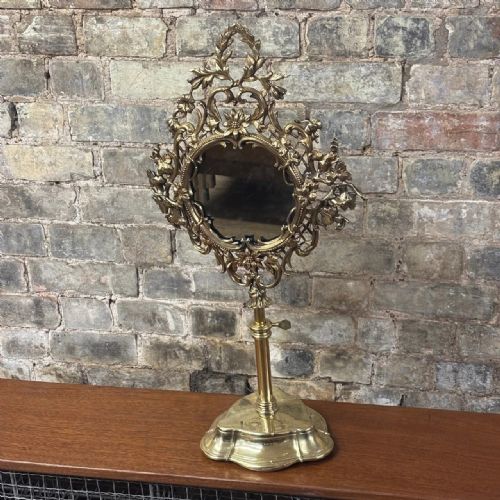
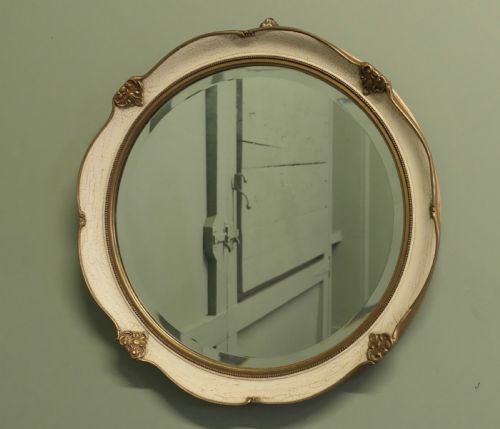
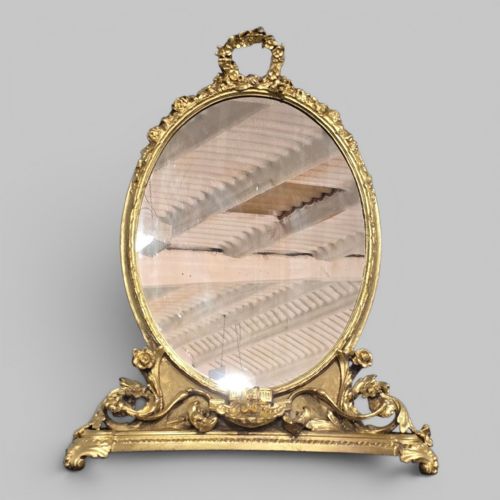
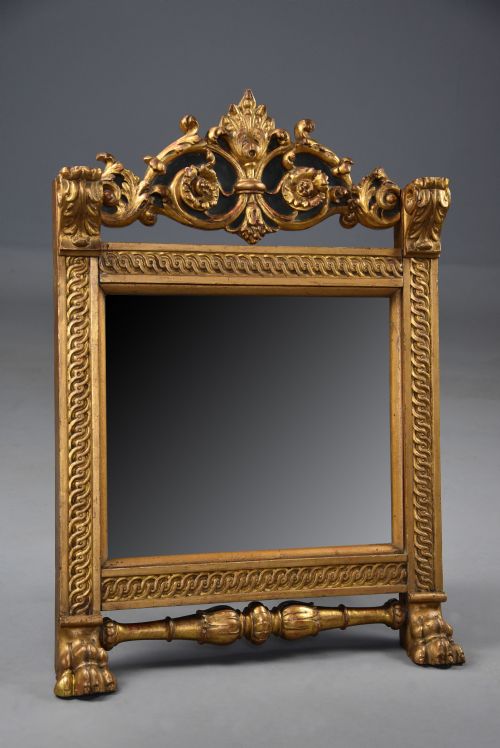
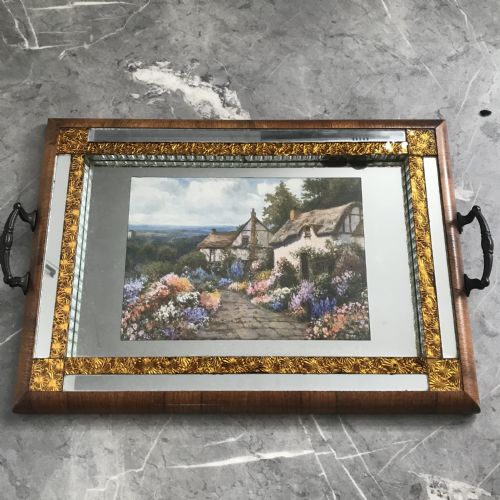
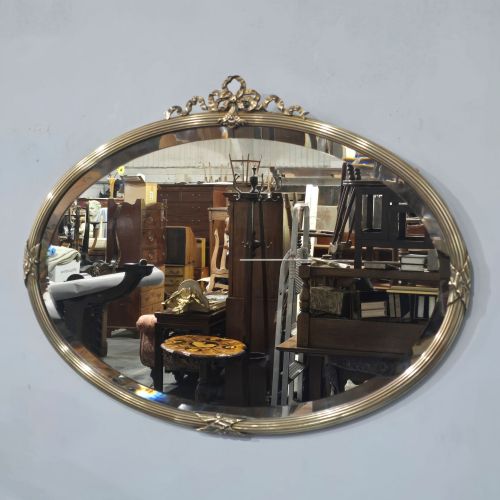
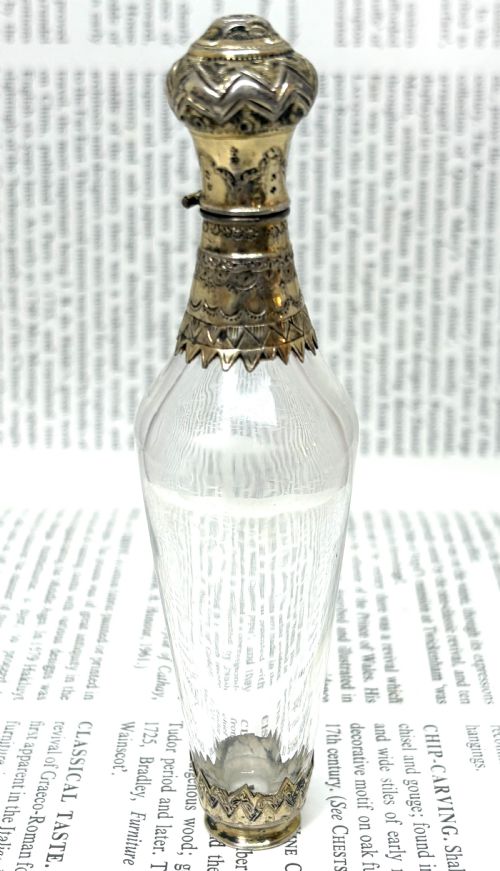
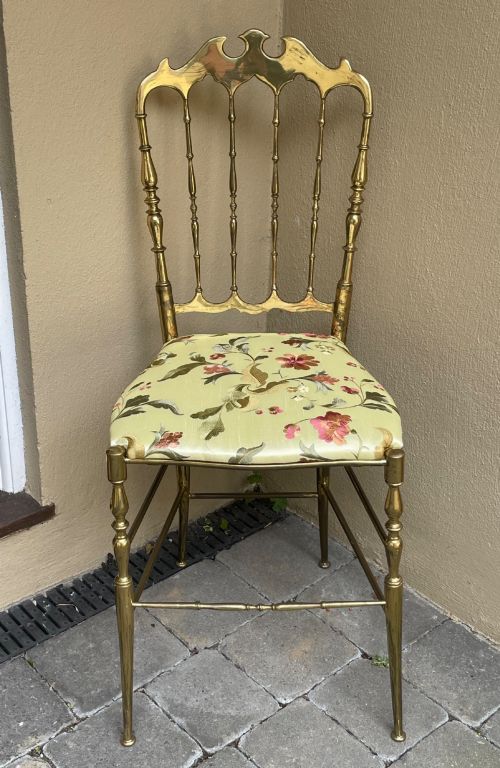
Mirrors form the largest group, appearing as wall-hanging, table-standing or dressing table variants framed in gilded wood, brass, gesso and gilt metal. Alongside these, buyers find occasional seating like stools and ottomans upholstered for dressing tables, alongside small receptacles such as silver gilt boxes, compacts and perfume flasks.
Materials and construction
The physical construction relies heavily on traditional metalworking and wood-carving techniques, utilising brass, cast or pressed metal, and carved timber finished with gold leaf or giltwood. Gesso surfaces provide the intricate relief ornament found on many period mirror frames, whilst walnut and ebonised wood underpin structural elements in trays and furniture.
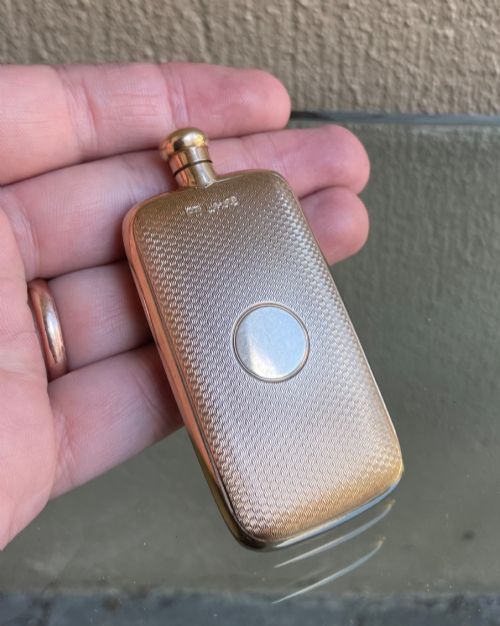
Precious metal items incorporate solid gold, silver gilt and rose gold, often housing detailed enamelling or mirrored glass panels. These materials combine to create surfaces that reflect candlelight and daylight, depending on whether the object originates from a French rococo revival workshop or an art deco studio.
Listings feature items from the Victorian, Edwardian and Art Deco periods, utilising materials including walnut, brass, glass and gold leaf.
Distinguishing quality
Quality reveals itself in the crispness of the cast or carved detail, particularly where gesso foliage, brass cherubs or rococo scrollwork meet the frame or body. Superior pieces exhibit depth and hand-finished refinement in their gilding rather than flat, uniform modern coatings.
The integrity of the original mirrored plate, the weight of the solid brass or precious metal, and the stability of joinery in stools and trays further separate standard production from finer examples.
The Vintage Gold Vanity Glossary
- Giltwood
- Timber that has been coated with a thin layer of gold leaf or gold powder over a prepared gesso ground. This technique creates a luminous, warm surface common on nineteenth-century mirror frames.
- Gesso
- A plaster-like mixture applied to wood surfaces and carved into relief ornament before gilding. It allows for intricate floral and scroll designs.
- Repoussé
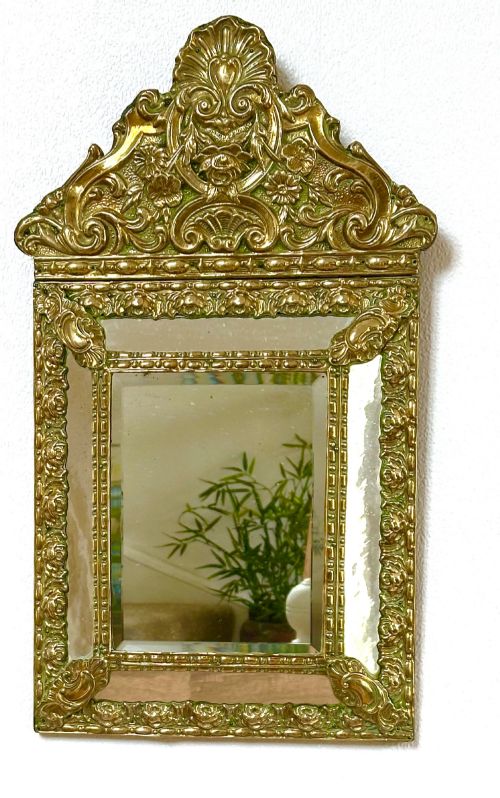
- A metalworking technique where the metal is hammered from the reverse side to form a raised design on the front. Pressed brass elements on mirrors and trays often utilise this method.
- Reliquary
- A container for holy relics, sometimes adapted in decorative mirror frames featuring sacred motifs like a flaming heart. These pieces originate from religious contexts.
- Sovereign case
- A small pocket container designed to hold gold sovereign coins securely. They frequently feature elaborate chased or engraved decoration.
Vintage Gold Vanity: Frequently Asked Questions
What items count as vintage gold vanity?
These pieces include dressing table mirrors, wall-mounted looking glasses, brass serving trays, perfume flasks, compacts and upholstered vanity stools.
Most items date from the nineteenth and early twentieth centuries, finished in giltwood, polished brass or precious metals.
How do I clean a giltwood mirror?
Dust the surface very gently with a soft, dry brush to prevent damage to the delicate gold leaf or gesso relief ornament.
Avoid liquid cleaners, water and chemical solvents entirely, as moisture strips historic gilding from the wooden substrate.
Are these vanity items solid gold?
Most items utilise base metals like brass or timber substrates covered in gold leaf, gilt metal or silver gilt rather than being solid gold.
Precious exceptions like compacts, boxes and scent bottles occasionally incorporate higher gold carats, which are typically hallmarked.
How do I date a brass vanity mirror?
Examine the casting quality, the construction screws, and the condition of the mirror plate behind the glass.
Victorian and Edwardian pieces often display heavier cast brass frames with original bevelled or distorted glass plates.
Where should I place a vanity mirror?
Position table mirrors on dressing chests or sideboards where they can reflect natural light and illuminate the room.
Wall mirrors suit hallways, boudoirs and overmantles, functioning both as decorative focal points and practical looking glasses.