


Diamond Gold Box
A diamond gold box represents an exceptional fusion of precious metal and gemstones, sought after for its refined craftsmanship and enduring utility.
Diamond Gold Box
When searching for a diamond gold box, buyers encounter various forms ranging from antique snuff boxes and cigarette cases to modern trinket containers and fitted presentation cases. These items combine the warmth of yellow or rose gold with the brilliance of set diamonds, often originating from periods such as the Georgian, Victorian, Edwardian, and Art Deco eras.
The selections available include both utilitarian containers designed for tobacco or personal items and decorative pieces created to hold small valuables. Many of these items retain their original fitted boxes, adding historical context to the gold and diamond work housed within.
Materials and construction
Construction relies heavily on solid golds of various purities, including 9ct, 14ct, 15ct, and 18ct yellow, white, and rose gold, frequently paired with platinum for secure stone settings. Silvers and additional gemstones such as pearls, rubies, sapphires, and emeralds often accompany the diamonds.
Goldsmiths utilised techniques like filigree work, fine chasing, and precise stone setting to integrate brilliant-cut or rose-cut diamonds into the box lids and bodies. The integration of structural metals like platinum allowed for delicate claw and flush settings that maximised light return from the diamonds.
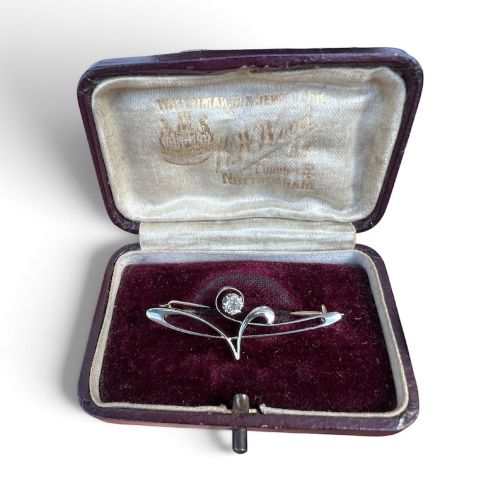
Several items survive with their original fitted boxes intact, proving that past owners were just as keen on packaging as modern collectors.
Assessing quality
Quality in these pieces rests upon the precision of the metalwork and the integrity of the gemstone settings. Superior examples display crisp chasing, secure stone mountings, and well-balanced proportions that respect the aesthetic standards of their period of origin.
The distinction between standard production and exceptional examples lies in the maker's execution of fine details, such as hinges that operate smoothly and closures that shut with a secure click. The presence of original maker marks, proper hallmarks, and surviving fitted presentation cases further elevates the standing of an individual piece.
Van Cleef Arpels·Cartier
The Diamond Gold Box Glossary
- Rose cut
- An antique diamond cut featuring a flat base and a domed crown with triangular facets. This style was widely utilised during the Georgian and Victorian periods.
- Brilliant cut
- A modern diamond cut with numerous facets designed to maximise light return and brilliance. It appears frequently in Edwardian and mid-century pieces.
- Hallmark
- An official stamp applied to precious metals indicating purity and origin. These marks help verify the material composition and manufacturing location.
- Filigree
- Ornamental work consisting of fine wire soldered together in delicate patterns. It is commonly found on intricate gold and white gold mounts.
- Snuff box
- A small, hinged container designed to hold powdered tobacco. These objects often feature rich exterior decoration including precious metals and gemstones.
Diamond Gold Box: Frequently Asked Questions
What is a diamond gold box used for?
These boxes served practical purposes in daily life, such as holding snuff, cigarettes, or small personal trinkets. Owners carried or displayed them as status symbols reflecting wealth and taste.
Today, collectors utilise them as decorative objects, vanity table accessories, or secure repositories for small items of jewellery.
How do I care for my gold and diamond box?
Clean the gold and diamonds gently using warm soapy water and a soft brush to remove accumulated dust from the settings. Avoid harsh chemicals that might harm softer accompanying gemstones like pearls.
Store the item in its original fitted box or a soft pouch to prevent scratches on the polished gold surfaces and delicate hinges.
How can I tell the period of a box?
Examine the cut of the diamonds and the overall design style, such as the flowing lines of Art Nouveau or the geometric symmetry of Art Deco. Georgian and Victorian pieces often feature heavy chased gold and rose-cut stones.
Check for hallmarks or maker marks stamped on the interior metal surfaces, which provide definitive dating evidence and assay office origins.
Are these boxes always made of solid gold?
The listings show variations in gold purity ranging from 9ct up to 18ct, alongside platinum and silver components used for structural strength and contrast. Different eras favoured different alloy ratios for durability and colour.
Examining the hallmarks confirms the exact purity of the gold utilised in the construction of the box lid and body.