



Vintage Gold Photo Locket
A vintage gold photo locket carries personal portraits close to the heart, offering miniature artistry in precious metal for everyday wear.
Vintage Gold Photo Locket
When you search for a vintage gold photo locket, you encounter small hinged pendants designed to hold miniature pictures. These pieces span periods from the Georgian era through to the mid-twentieth century.
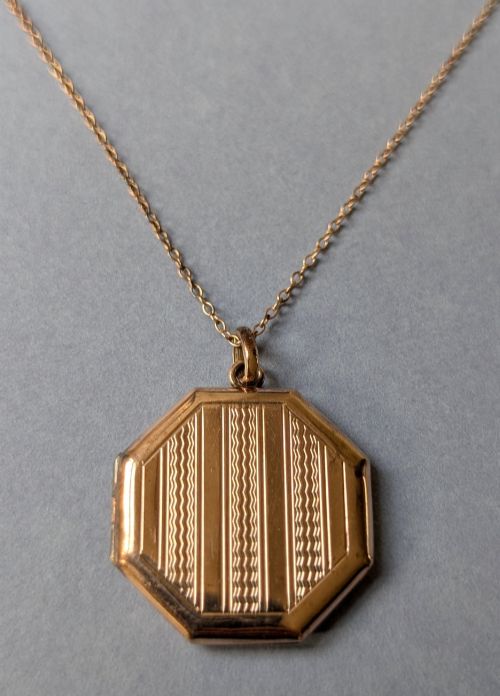
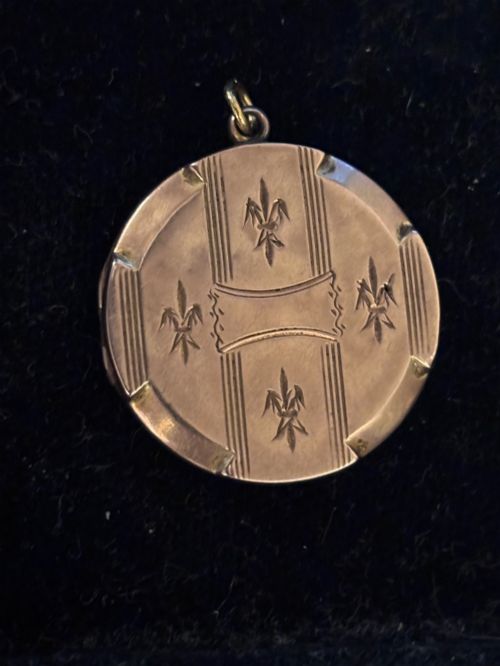
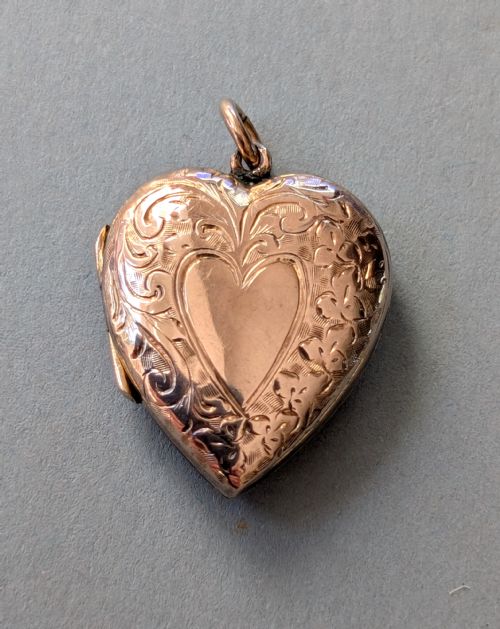
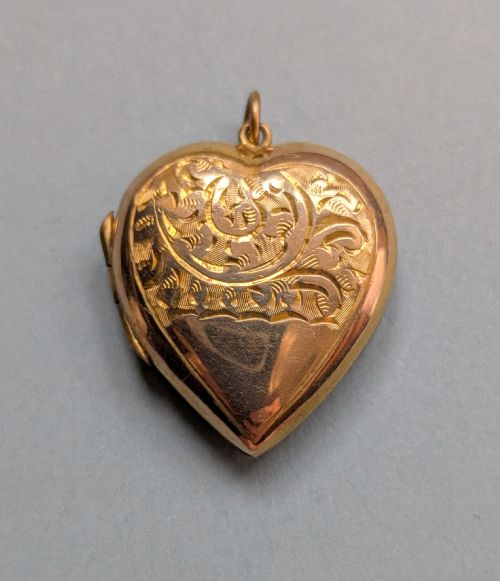
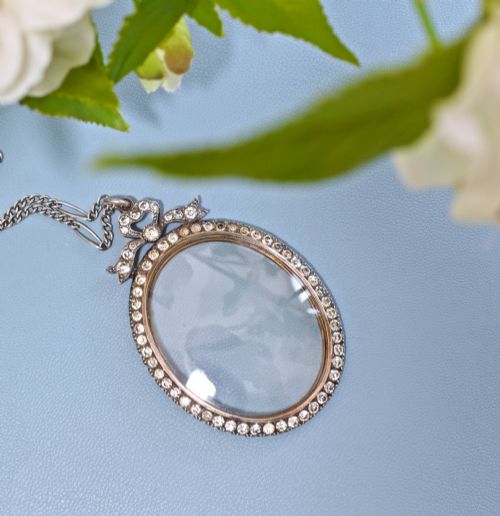
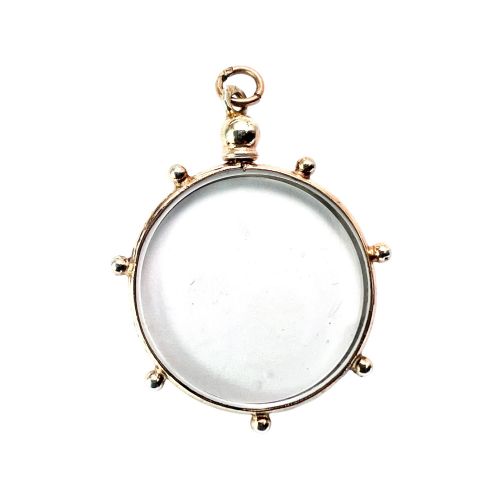
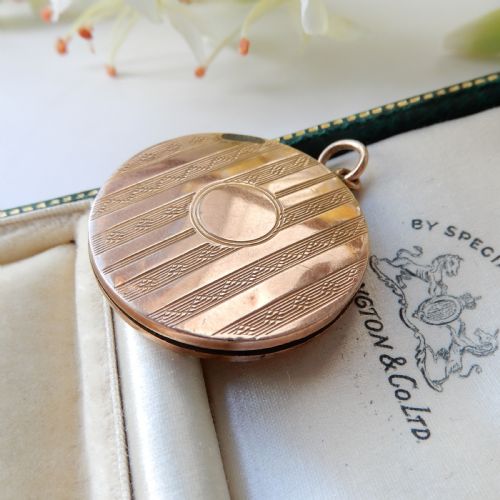
The selections on this page feature heart shapes, circular designs, and book-style formats. Many examples originate from the Edwardian period and incorporate engraved surface details.
Mourning pieces and family memory containers appear alongside standard photographic holders. Collectors frequently meet items designated as back and front constructions alongside solid gold pieces.
Materials and construction
Goldsmiths utilised nine-carat and eighteen-carat yellow and rose gold for these cases. Back and front variations combined solid gold rims with reinforced internal plates.
Glass panels protect photographs in specific transparent locket designs. Gemstones such as diamonds, sapphires, emeralds, rubies, turquoise, and pearls augment select ornamental covers.
Engraving, chasing, and paste embellishments decorate the outer surfaces. Hinges and internal frames secure the photographs safely within the casing.
Differentiating quality
The purity of the gold and the weight of the metal establish the baseline quality of an object. Solid metal construction contrasts with layered components.
Precision in the hand-engraving and the complexity of floral or geometric motifs distinguish finer examples. The inclusion of genuine gemstones or old-cut diamonds elevates the standard of a piece.
The integrity of the internal hinge, the snap of the closure, and the presence of original glass inserts determine the preservation level of the article.
B & F·Gallia
The Vintage Gold Photo Locket Glossary
- Back and front
- A method of construction where the outer bezels are solid gold while the central plates utilise a base metal core. This technique provided the appearance of solid gold with reduced weight and cost.
- Mourning locket
- A piece created to remember a deceased person, often containing hair work, miniature paintings, or photographic portraits. These items frequently date from the Georgian and Victorian eras.
- Puff heart
- A three-dimensional heart-shaped pendant with rounded convex faces on both sides. This swollen form maximises internal space for photographs.
- Paste
- Hand-cut lead glass used as a gemstone substitute in antique jewellery. Craftsmen faceted these glass stones to imitate diamonds and coloured gems.
- Watch fob
- A short chain or pendant formerly attached to a pocket watch. Many pieces in this category adapted watch movement cases to hold personal photographs instead.
Vintage Gold Photo Locket: Frequently Asked Questions
How do you open a stubborn locket?
Many designs rely on a tiny thumbpiece or a side hinge that releases with gentle pressure from a fingernail. Avoid using metal tools that might scratch the soft gold surface.
Examine the seam to locate the opening point before applying force. Older hinges sometimes stiffen over decades and benefit from professional cleaning.
What is a back and front locket?
This terminology describes a specific manufacturing technique used to produce lightweight jewellery. The outer rims consist of solid gold while inner partitions use alternative metals.
This method kept items affordable during the Victorian and Edwardian periods while maintaining a precious exterior.
How do you insert a photo?
Open the case to reveal the interior metal frame and thin retaining ring. Trim your portrait paper to match the exact interior dimensions of the aperture.
Slide the photograph beneath the transparent cover or secure it behind the metal bezel. Original pieces often retain their tiny paper frames for precise measurements.
Are these pieces solid gold?
The listings include both solid gold constructions and back and front variations. Hallmarks and stamps on the bail or rim indicate the specific gold carat, such as nine-carat or eighteen-carat.
Rolled gold and gold on silver examples also appear within the selection. Inspect the maker marks and descriptions to confirm the material composition.