


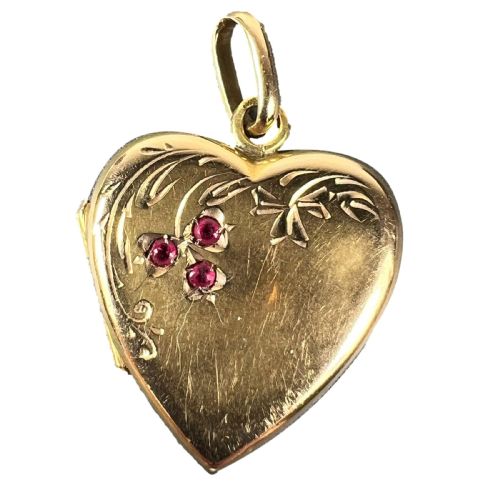


French Gold Locket
A french gold locket is a cherished piece of wearable history, prized for intricate metalwork and intimate design.
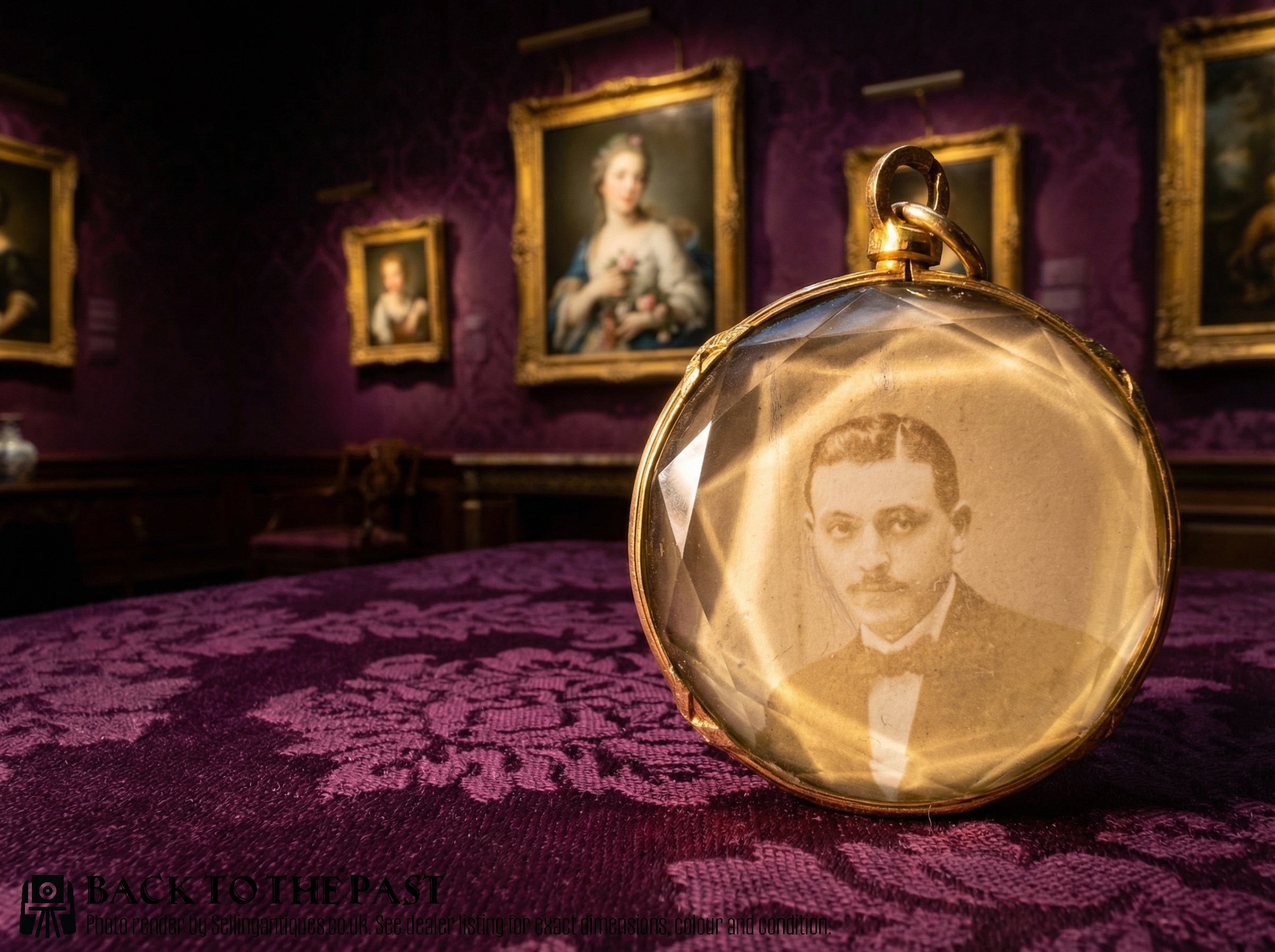
French Gold Locket
Makers utilised various precious stones and artisanal techniques to adorn these small keepsakes. Double photo variants and glazed compartments designed for holding personal mementos appear frequently.
How They Were Made
The foundation of these pieces rests on high carat yellow and rose gold, often designated as eighteen karat. Goldsmiths shaped this metal into puffy hearts, shields, and sunburst frames.
Enamelling techniques such as plique a jour add translucent colour to the metal surfaces. Artisans set pearls, diamonds, rubies, sapphires, and turquoise directly into the gold mountings.
Miniature paintings and faceted glass panels provide alternative focal points within the gold borders. Rose cut diamonds and seed pearls frequently highlight floral and fleur de lis motifs.
Listings span multiple eras including Victorian, Edwardian, and the nineteen thirties, using eighteen carat gold alongside enamel, pearls, and diamonds.
What Varies in Quality
The standard of execution in the chasing and engraving dictates the visual distinction of a piece. Finer examples display crisp botanical details like roses, leaves, and wreaths carved with precision.
The integration of gemstones and enamel alters the character and complexity of the design. Pieces featuring matched natural sapphires, rubies, or painted miniatures represent higher tiers of craftsmanship.
The structural integrity of hinges and photo compartments reflects the original maker's skill. Well preserved enamel work and secure gemstone settings elevate the standing of an individual locket.
The French Gold Locket Glossary
- Plique a jour
- An enamelling technique where enamel is applied in cells without a backing, resembling miniature stained glass. This lets light shine through the translucent coloured areas.
- Belle Epoque
- A period of elegance and optimism spanning the late nineteenth century and the early twentieth century. Jewellery from this time often incorporates diamonds and platinum or high carat gold.
- Rose cut
- A vintage diamond cut featuring a flat base and a domed crown with triangular facets. This style produces a soft, understated sparkle compared to modern cuts.
- Seed pearl
- A very small, naturally occurring pearl often used in tight clusters or borders. These delicate pearls add a subtle lustre to Victorian and Edwardian gold work.
- Momento locket
- A hinged pendant designed to hold a photograph, lock of hair, or small keepsake. These pieces served as personal memorials or tokens of affection.
French Gold Locket: Frequently Asked Questions
How do I date my locket?
Dating involves examining the stylistic clues, such as the flowing organic lines of Art Nouveau or the formal symmetry of Victorian pieces.
The specific combination of materials, gemstone cuts, and motifs like floral wreaths or sunbursts also points toward particular eras like the Edwardian period.
What gems are used in them?
Maker workshops frequently set diamonds, rubies, sapphires, and turquoise into the gold frames. Seed pearls and painted miniatures also appear regularly as decorative accents.
Enamel work, including plique a jour, provides vibrant colour alongside these precious and semi-precious stones.
How were they worn originally?
People wore these lockets suspended from chains as pendants or attached to chatelaines and ribbons as decorative medals. They functioned as both personal ornaments and private keepsakes close to the heart.
The double photo and memo variants allowed wearers to keep images of loved ones hidden inside.