




Vintage Gold Photo Frame
These vintage gold photo frame pieces bring period warmth to a room, offering genuine metals and intricate mouldings that modern reproductions simply cannot replicate.
Vintage Gold Photo Frame
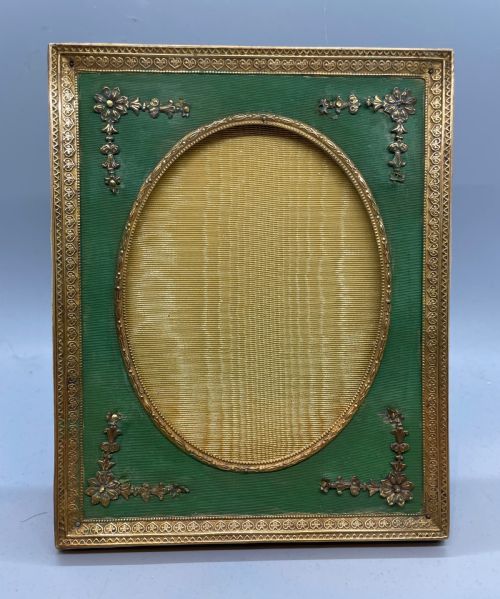
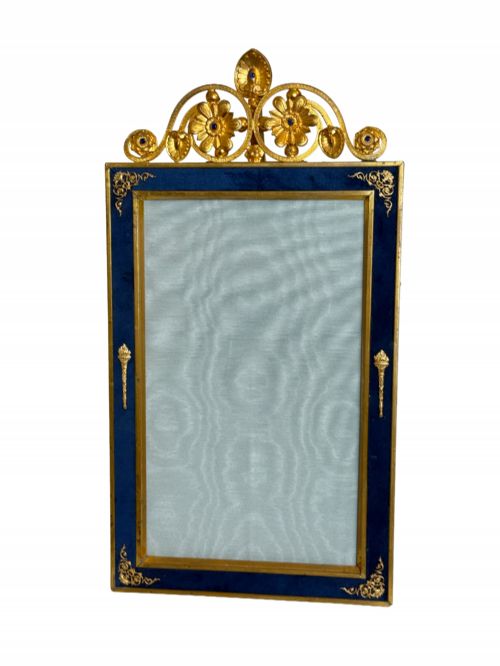
When searching for a vintage gold photo frame, buyers encounter a diverse selection of framing options spanning the Victorian, Edwardian, and Art Nouveau periods, alongside French Empire and Art Deco designs. These pieces range from substantial gilt bronze and ormolu table frames to delicate gesso mouldings and brass work.
Most items date from the late nineteenth century through to the 1930s, reflecting the craftsmanship of eras when display items received meticulous artisanal attention. Buyers primarily encounter cast metals, wooden cores finished with gesso and gold leaf, and hinged double or multi-fold configurations.
How they were made
The construction of these items relies heavily on cast metals such as gilt bronze, ormolu, and brass, which provide both structural integrity and a substantial weight. Artisans shaped these metals through casting and chasing, often highlighting details with applied gilding or polished surfaces.
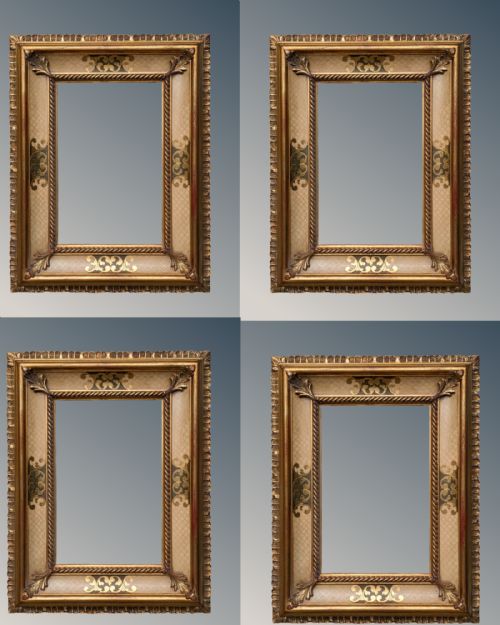
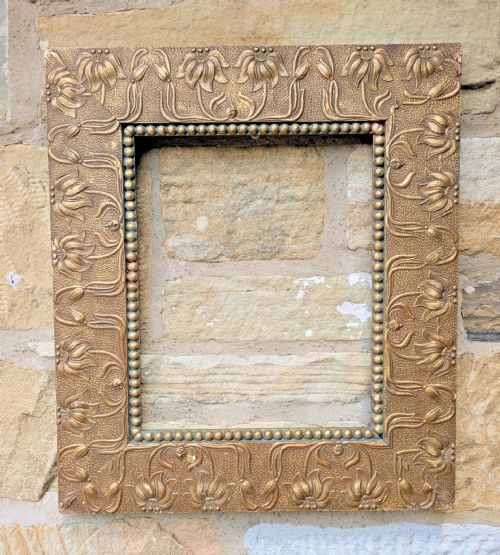
Frames constructed from wood or paper utilise gesso to build up intricate relief patterns before the application of gold leaf. This combination of a rigid substrate and a fine surface layer allows for ornate scrolls, floral motifs, and classical revival styling.
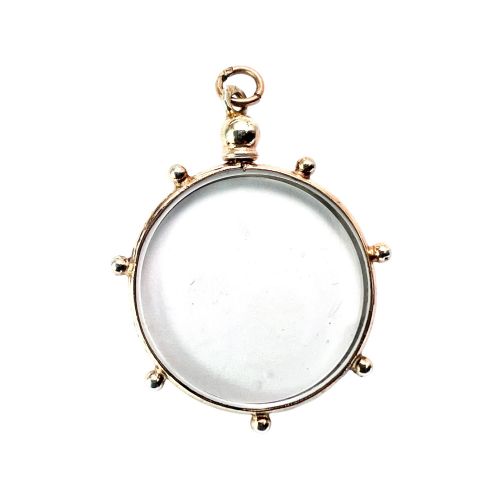
Interiors and protective elements incorporate glass panes and silk linings, while smaller locket variants employ gold on silver and screw fittings to secure miniature portraits. Structural joining often relies on traditional pinned corners, screw mechanisms, and hinged struts for table support.
Napoleon Bonaparte's personal symbol of industriousness appears frequently in the collection, immortalised as tiny gilded bees buzzing across French bronze frames.
What varies in quality
The fineness of the chasing and the depth of the metalwork set superior cast bronze and ormolu pieces apart from simpler brass stampings. Heavier gauges of metal and crisp, sharply defined casting details indicate superior workshop output.
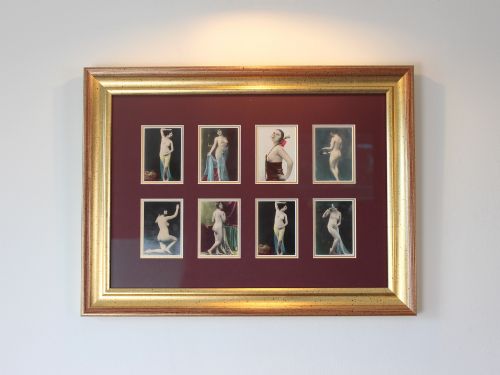
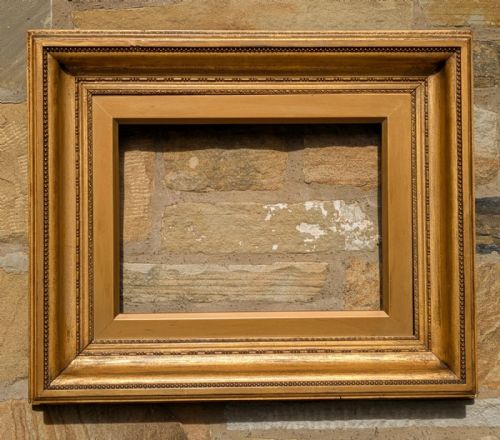
On gesso and wooden frames, the preservation of the original gold leaf and the integrity of the moulded relief define the piece's aesthetic success. Examples that retain their original glass, backings, and functional folding struts hold greater integrity than those with replaced components.
Boin Taburet·Julian Mandel
The Vintage Gold Photo Frame Glossary
- Ormolu
- A gilded bronze technique used extensively in French decorative metalwork during the nineteenth century. It provides a rich, warm golden surface finish that resists tarnish.
- Gesso
- A plaster-like mixture applied to wood bases to create a smooth surface for gilding and relief moulding. It allows for highly detailed decorative borders.
- Gilt bronze
- An alloy of copper and tin coated with a layer of gold. This material combines durability with a lustrous metallic appearance.
- Crystoleum
- A method of applying hand-tinted photographs or prints to glass and then rendering them transparent with oil before backing. This technique creates a luminous, three-dimensional photographic image popular in the Edwardian era.
- Locket pendant
- A small hinged case designed to hold a miniature portrait or keepsake, worn around the neck. These often incorporate precious metals and glass covers.
Vintage Gold Photo Frame: Frequently Asked Questions
How do I date a gold photo frame?
Dating relies on identifying stylistic markers such as Victorian heavy casting, Edwardian lightness, or Art Nouveau fluid floral motifs. Construction techniques like the type of screw fittings, easel backs, and corner joints also point to specific manufacturing decades.
Material composition further aids dating, as nineteenth-century pieces frequently utilise heavy gilt bronze or hand-applied gesso, whereas later items incorporate different alloy standards and assembly methods.
Are these frames made of solid gold?
Frames described as gold are typically manufactured from base metals like bronze, brass, or silver that have been gilded with gold leaf or ormolu. Items specifically noted as yellow gold, such as certain lockets, utilise solid precious metal.
Gilt finishes provide the visual warmth of gold while keeping the structural weight and cost practical for decorative items and picture frames.
How should I clean an antique gilt frame?
Maintenance requires only gentle dusting with a soft, dry brush to prevent the accumulation of dirt within the intricate gesso or metal reliefs. Moisture and chemical cleaning agents must be avoided to protect the delicate gold leaf and historical surface patinas.
Glass elements within the frame can be cleaned using standard glass cleaner applied to a cloth rather than sprayed directly onto the surrounding metal or wood.
What is the difference between ormolu and brass?
Ormolu refers specifically to gilded bronze created through a mercury gilding process or similar historic application, resulting in a deep, lustrous golden finish. Brass is an alloy of copper and zinc used for its bright metallic appearance without necessarily possessing a gold surface layer.
Antique ormolu pieces generally display finer hand-chased details and greater heft compared to standard mass-produced brass frames.