


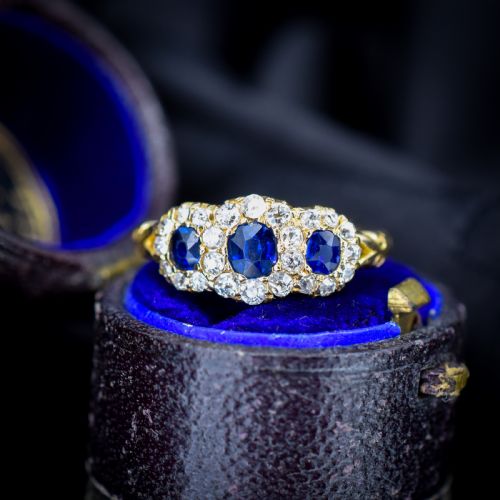
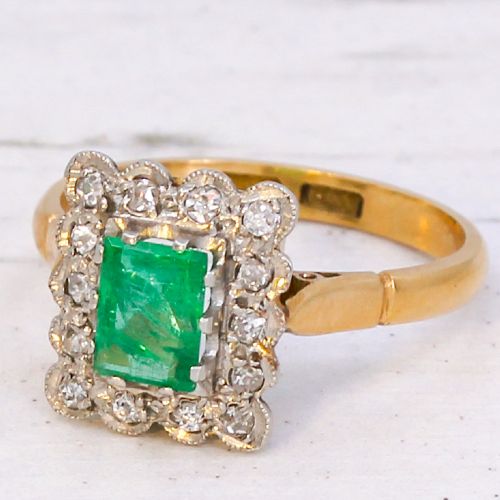
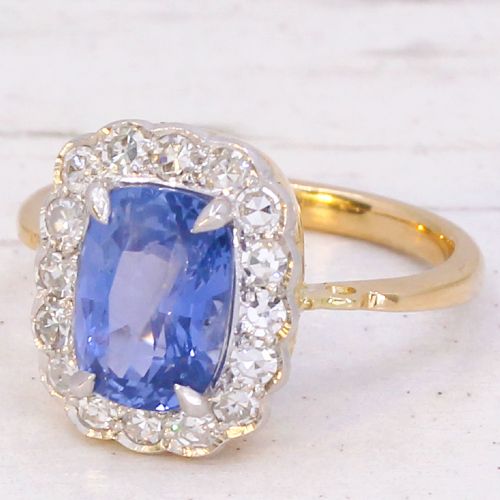
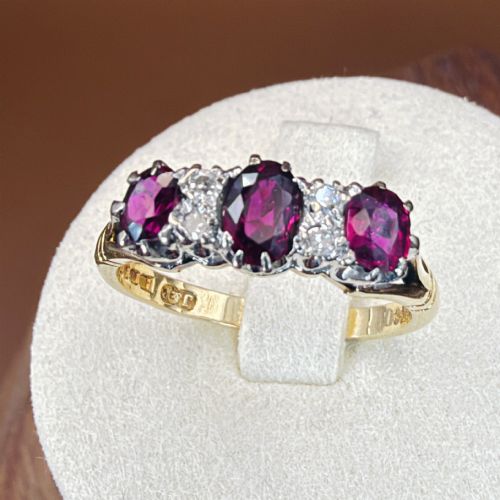
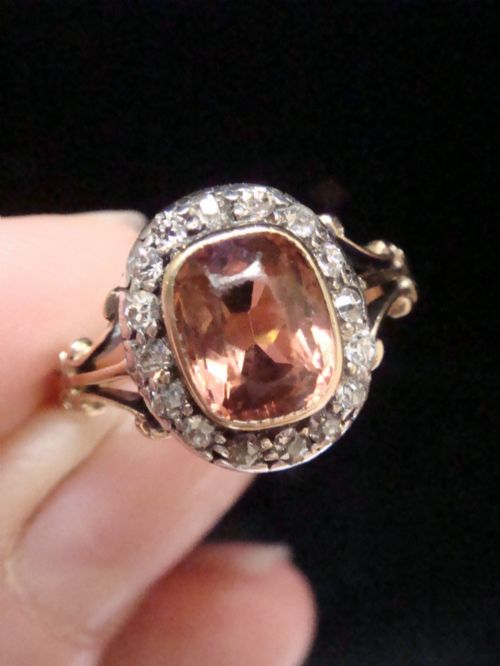
Vintage Gold Gemstone Ring
A vintage gold gemstone ring brings together period metals and colourful stones from eras including the Victorian, Edwardian and mid-century years.
Vintage Gold Gemstone Ring
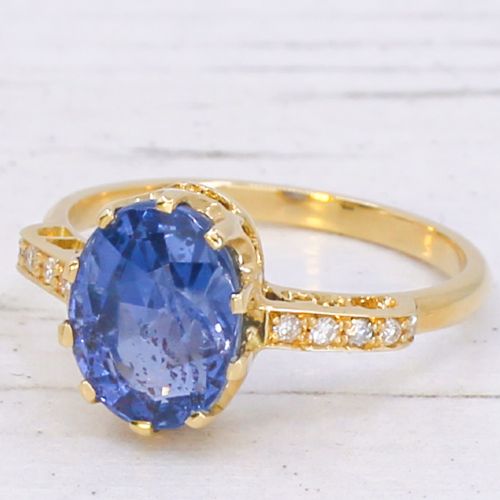
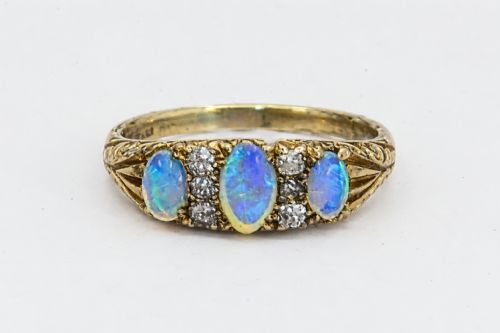
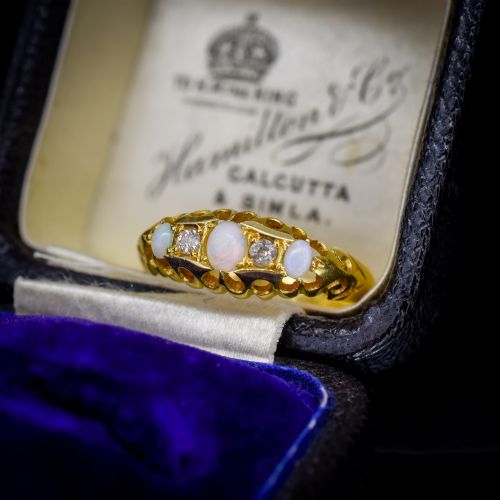
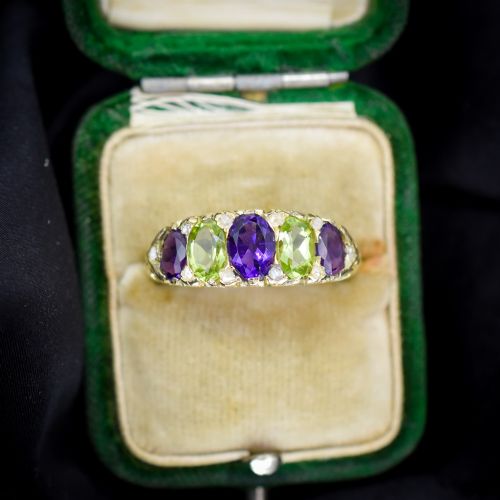
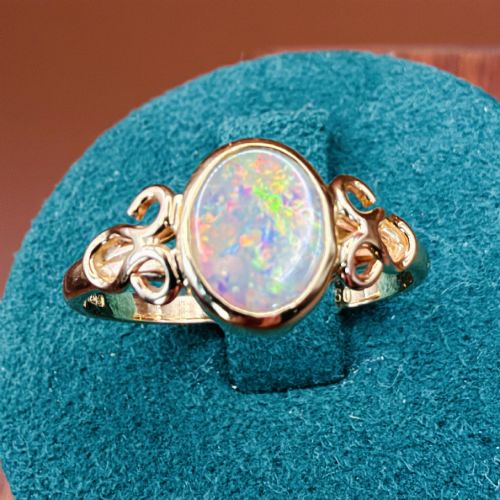
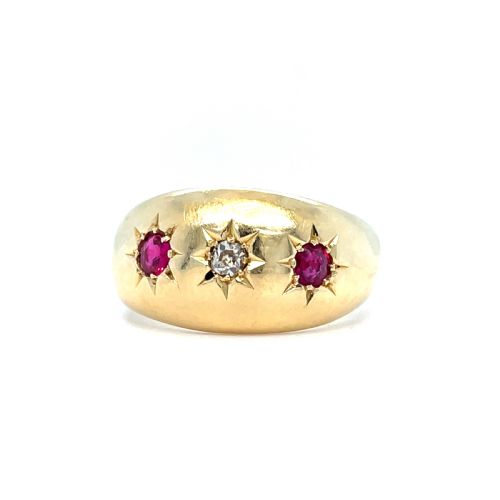
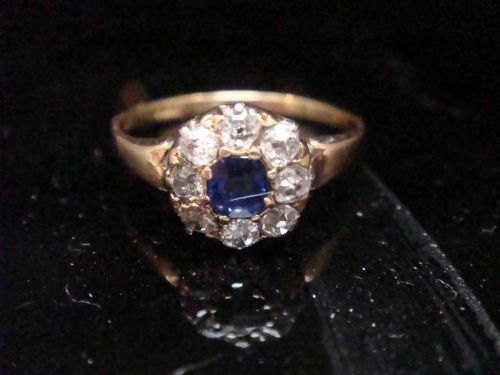
The versions most commonly met on this page combine yellow gold with stones like ruby, sapphire, opal, diamond and emerald. Forms range from delicate daisy clusters to substantial navette and solitaire designs.
Originating from periods spanning the nineteenth century to the 1970s, these rings display diverse regional hallmarks and construction methods. The surviving pieces record a rich tradition of fine jewellery manufacture.
Materials and construction
Goldsmiths utilised 18ct yellow gold, 18ct white gold, and occasionally platinum or rose gold to form the bands and settings. Gemstones such as rubies, sapphires, opals and diamonds were secured using claw, bezel or flush mountings.
Traditional techniques involve hand-cut old mine or old European diamonds paired with heat-treated or unheated coloured gemstones. Master artisans constructed cluster, trilogy and navette configurations by hand, integrating intricate gallery work.
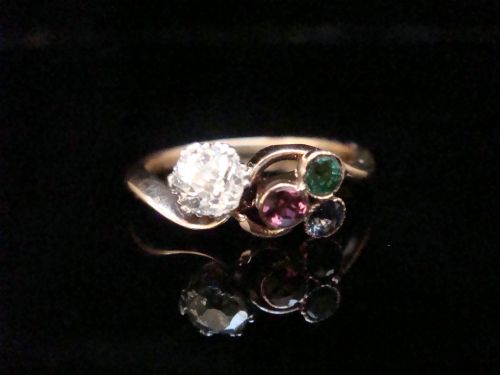
Some antique rings hide secret messages spelled out in gemstone acronyms.
Evaluating the standard of a piece
The calibre of a ring depends upon the saturation and clarity of the central gemstone, alongside the integrity of the gold setting. Pieces with unheated sapphires or natural opals display superior optical properties compared to standard commercial stones.
Hand-finished details, such as precise claw work and well-preserved hallmarks, distinguish finer examples from standard production. The weight of the gold band and the absence of distortion in the setting contribute significantly to the overall standard.
The Vintage Gold Gemstone Ring Glossary
- Boat ring
- A ring configuration featuring a curved, navette-like setting reminiscent of a boat hull. This design typically houses a central cluster of stones flanked by smaller gems.
- Cluster ring
- A setting style where a central gemstone is surrounded by a halo of smaller stones, usually diamonds. This arrangement maximises the visual impact and sparkle of the piece.
- Old cut
- A diamond facet style hand-cut before modern machinery, characterised by a smaller table, higher crown and open culet. These stones exhibit a soft, candlelit glow.
- Navette
- A boat-shaped gemstone setting that tapers to points at both ends. The term translates from French as little ship.
- Trilogy ring
- A ring featuring three principal gemstones set in a row, often symbolising the past, present and future. These stones are commonly graduated in size or matched uniformly.
Vintage Gold Gemstone Ring: Frequently Asked Questions
How should I clean my ring?
Clean your gold gemstone ring using warm soapy water and a soft brush, taking care with softer stones like opal or pearl. Avoid harsh chemical dips that can damage vulnerable gems or weaken older metal settings.
Allow the piece to dry naturally on a soft cloth before wearing it again. Regular gentle maintenance preserves the lustre of both the gold and the stones.
Can these rings be resized safely?
Most gold rings can be altered by a skilled jeweller, depending on the construction of the band and the placement of side stones. Solid gold shanks present straightforward adjustments, whereas intricate gallery work requires specialist attention.
Consult a professional to determine whether the specific shank thickness and stone settings permit safe modification without compromising structural integrity.
How do I identify the period?
Dating relies upon examining hallmarks, stylistic motifs, stone cuts and manufacturing techniques used in the piece. Edwardian items often feature delicate platinum-topped gold work, whilst Victorian examples frequently employ heavier yellow gold bands.
Maker's marks, date letters and stylistic clues within the gallery provide concrete evidence for accurate chronological placement.
Are untreated gemstones common?
Naturally untreated coloured gemstones appear in specific antique and vintage pieces, authenticated by accompanying laboratory reports where applicable. Sapphires and rubies from traditional origins sometimes survive without thermal enhancement.
Documentation helps verify the natural status of the stones, distinguishing them from standard heat-treated varieties found in later manufacturing.