
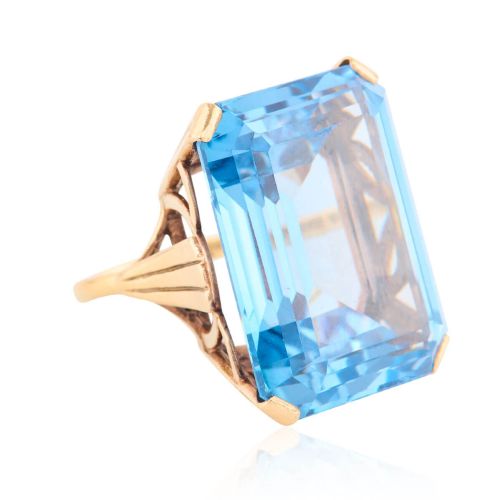
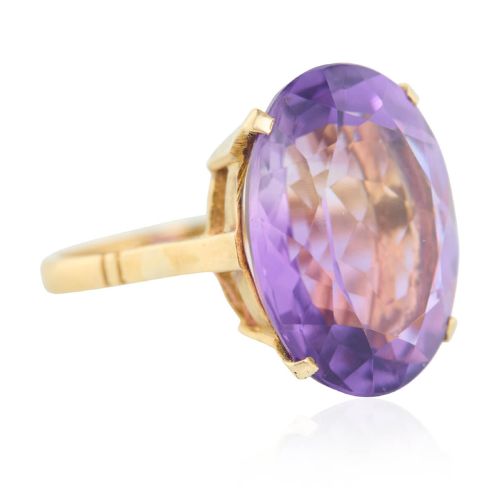
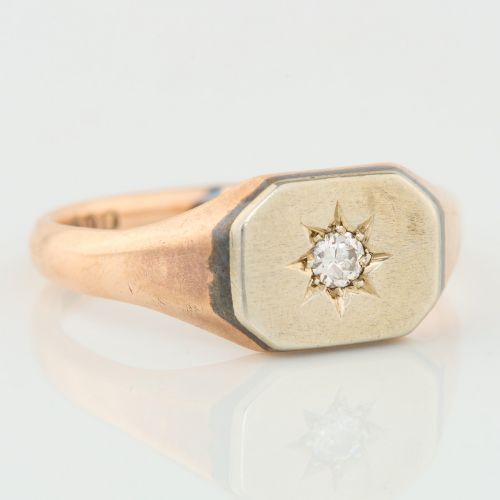
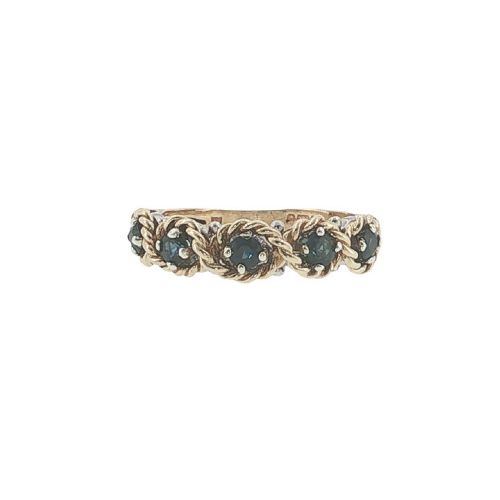
Vintage 9ct Yellow Gold Ring
A vintage 9ct yellow gold ring offers accessible precious metal weight paired with enduring gemstone and band designs.
Vintage 9ct Yellow Gold Ring
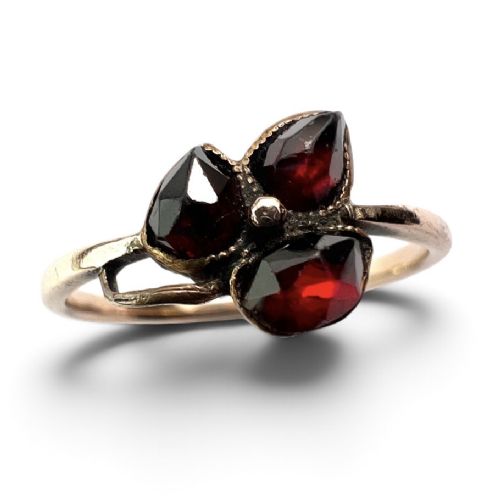
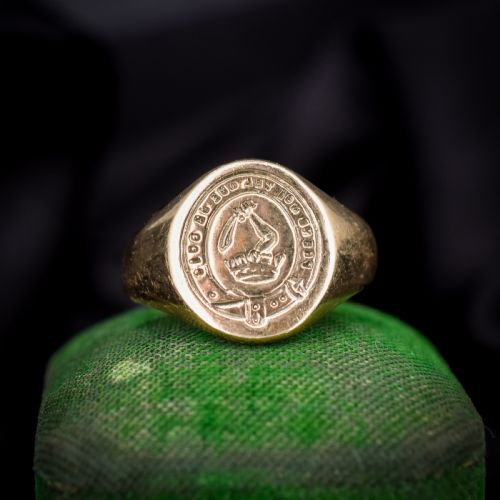
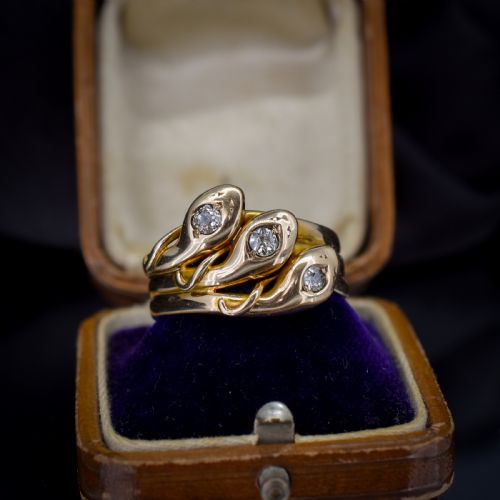
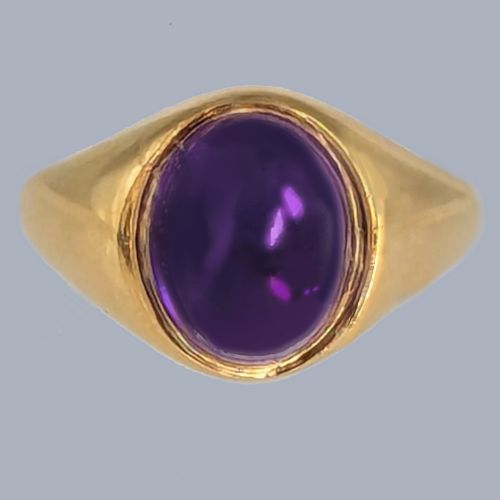
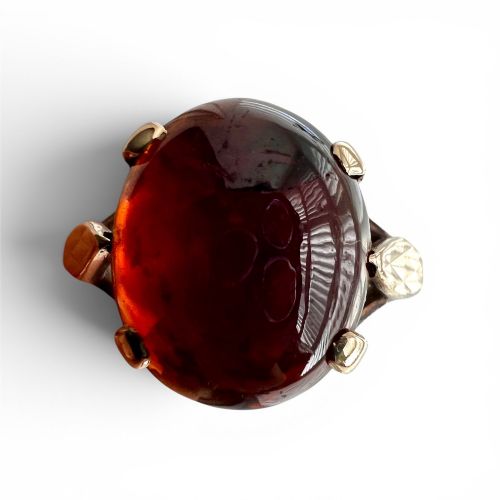
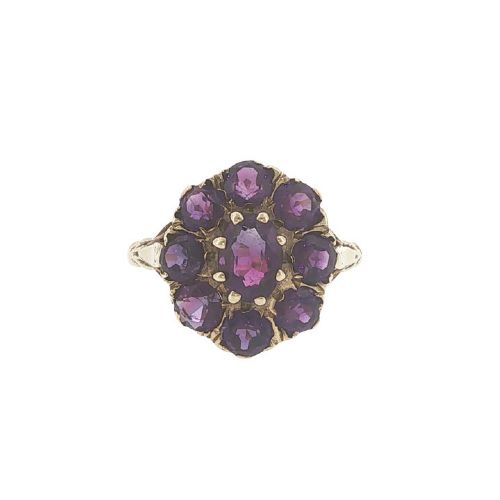
When searching for a vintage 9ct yellow gold ring, you encounter finger jewellery spanning from the Victorian era through the mid-twentieth century and into the 1970s. The selection ranges from plain stacking bands and engraved signet rings to substantial cluster settings holding amethysts, garnets, diamonds, and opals.
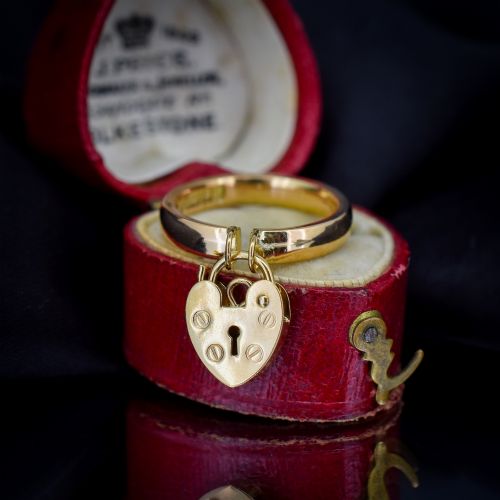
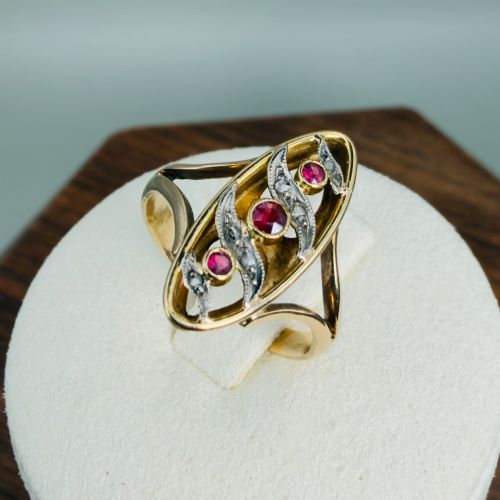
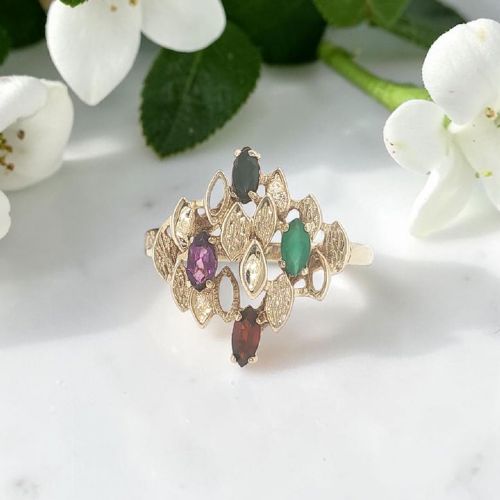
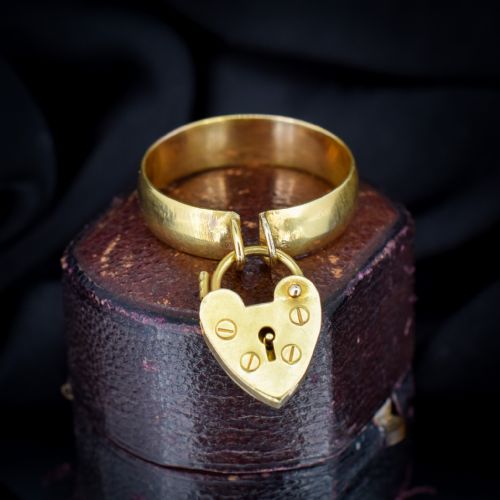
You are most likely to meet mid-century examples from the 1950s and 1960s alongside Edwardian and earlier nineteenth-century survivals. These pieces frequently incorporate stones like sapphires, emeralds, and paste, sometimes taking specific forms such as heart padlock drops or navette cluster styles.
While primarily consisting of rings, the category occasionally encompasses related items sharing the same metal standard and period aesthetic. The core remains finger ornaments designed for daily wear or cocktail display, rooted in British hallmarking traditions.
How they were made
Goldsmiths utilised nine-carat yellow gold for the structural bands, combining the precious metal with alloy metals to achieve durability suitable for everyday adornment. This gold standard provided a warm, traditional yellow hue that underpins both simple wedding bands and elaborate cluster mounts.
Gemstones including diamonds, amethysts, garnets, opals, and sapphires were secured via claw settings, bezel mounts, and flush settings into the gold framework. Individual pieces exhibit hand-carved details, engraved shoulders, and cast signet faces, often accompanied by official assay office hallmarks indicating the year of production.
Several vintage options feature secret heart padlock drops designed to dangle playfully from the main finger band.
What varies in quality
The distinction between tiers rests upon the substance of the gold shank and the caliber of the set gemstones. Heavier, substantial bands with crisp hallmarks and well-matched, sizable stones represent the upper echelon of these items.
Design complexity and structural integrity also dictate worth, distinguishing mass-produced commercial items from finely articulated Edwardian or Victorian pieces with hand-finished engraving and secure stone settings.
The Vintage 9ct Yellow Gold Ring Glossary
- Hallmark
- An official stamp applied to precious metal items indicating the purity, maker, and assay office. British items commonly feature leopard heads or anchors alongside date letters.
- Cabochon
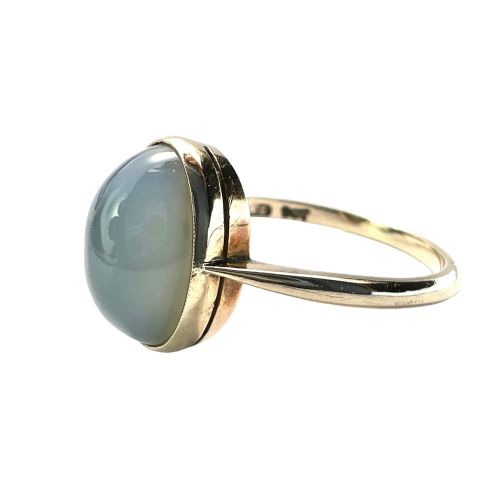
- A gemstone shaped and polished with a smooth, rounded dome rather than faceted edges. This cut is frequently seen on amethysts, garnets, and chalcedony.
- Navette
- A boat-shaped gemstone setting featuring pointed ends that extend along the finger. This style appeared prominently in Victorian and Edwardian jewellery.
- Signet ring
- A solid-headed ring traditionally engraved with a crest, initials, or decorative motifs like intaglios. These often utilise flat-topped stones such as black onyx.
- Cluster ring
- A setting arrangement featuring a central gemstone encircled by a ring of smaller accent stones. Diamonds and pearls frequently surround coloured centre stones in this format.
Vintage 9ct Yellow Gold Ring: Frequently Asked Questions
How do I care for my ring?
Clean your nine-carat gold and gemstone jewellery gently using warm soapy water and a soft brush. Avoid harsh chemical dips, particularly if the piece contains softer stones like opals or pearls.
Store separate from other items to prevent scratching the gold shank or chipping gemstone facets during storage.
Can these rings be resized?
Most gold bands can be adjusted by a qualified jeweler to fit different finger sizes. The feasibility depends on the band thickness and whether engravings or side stones run entirely around the circumference.
Solid signet rings and plain stacking bands typically offer straightforward adjustment without disrupting the main design.
What do the hallmarks tell me?
British hallmarking stamps provide specific evidence regarding the metal purity, the assay office that tested the piece, and the exact year of manufacture. A nine-carat standard mark usually appears alongside symbols designating the town of assay.
Matching these stamps against official dating charts allows you to pinpoint the era of production accurately.
Are these suitable for daily wear?
Nine-carat gold offers increased durability compared to higher karat alloys due to the higher proportion of strengthening metals. This makes the metal resilient enough for regular daily use on the hand.
Consider the hardness of any set gemstones, however, as softer minerals require more cautious handling during active tasks.