


Vintage Gold Accent Lamp
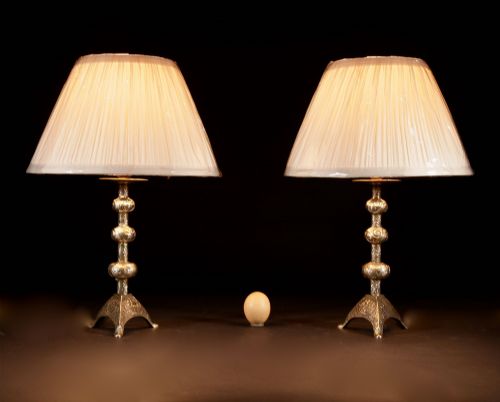
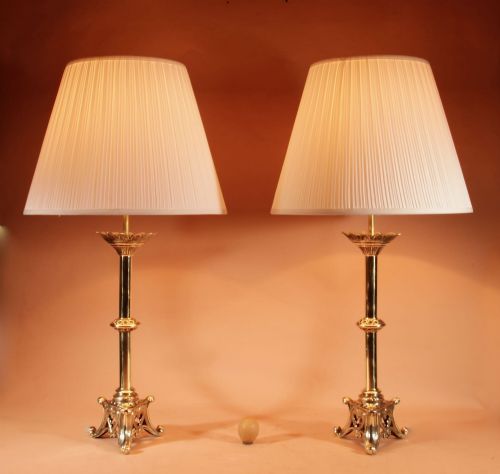
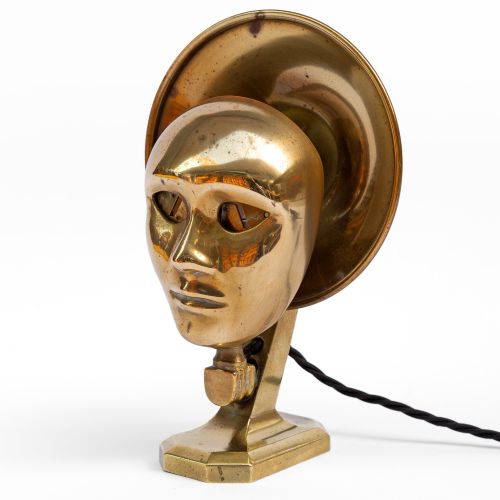
These vintage gold accent lamp pieces bring warm metallic lustre and period character to interiors, ranging from petite nineteenth-century castings to striking art deco designs.
Vintage Gold Accent Lamp
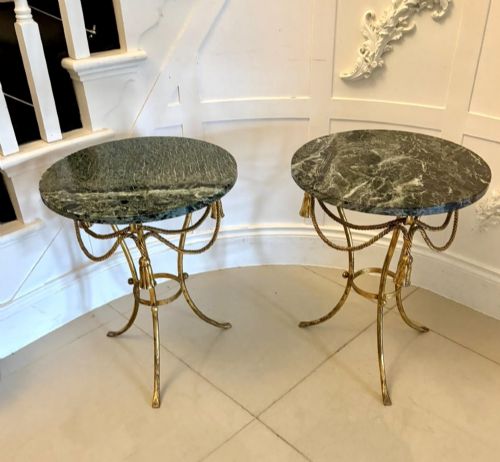
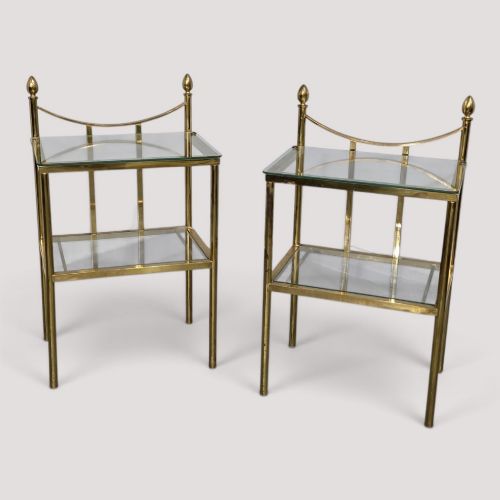
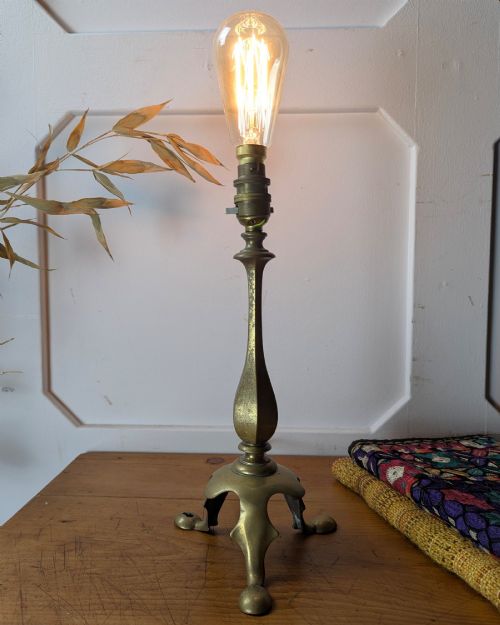
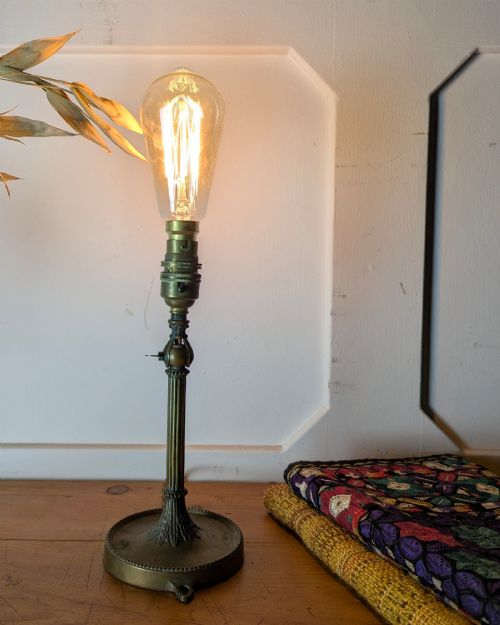
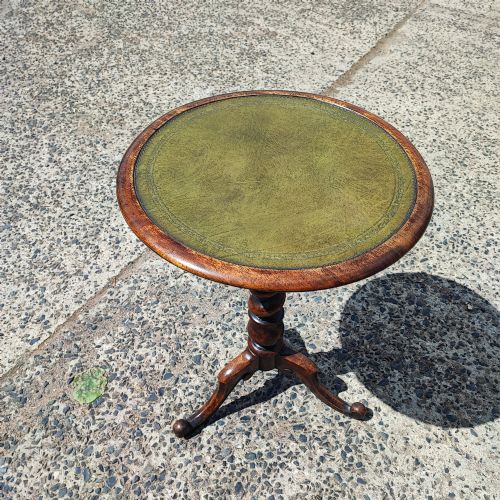
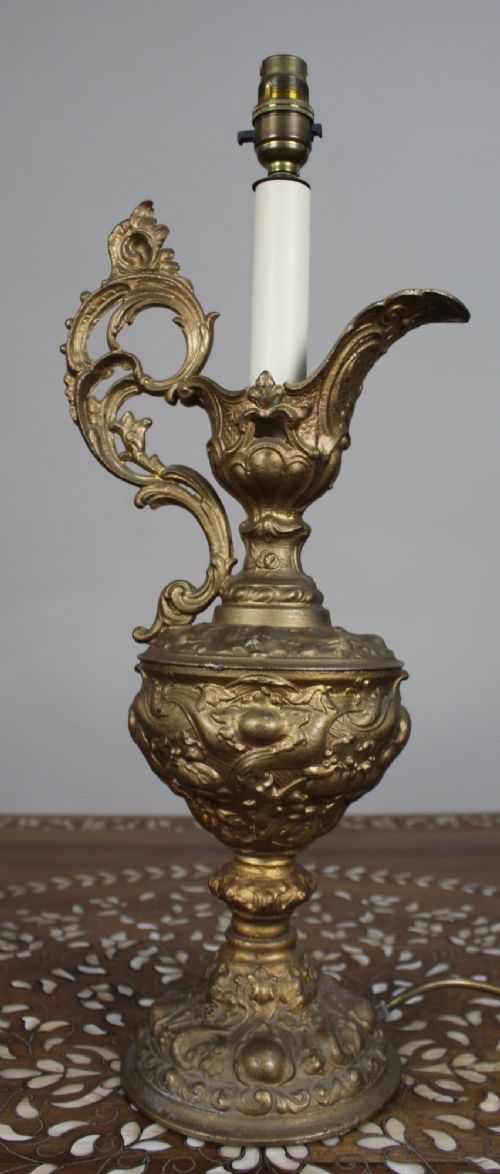
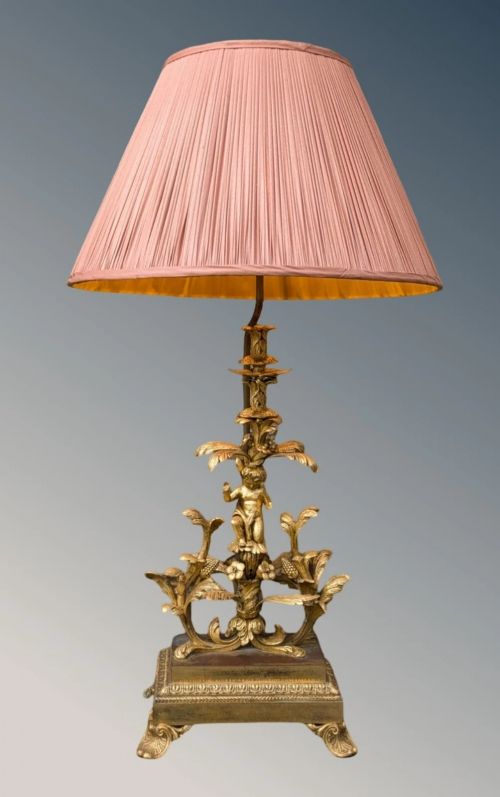
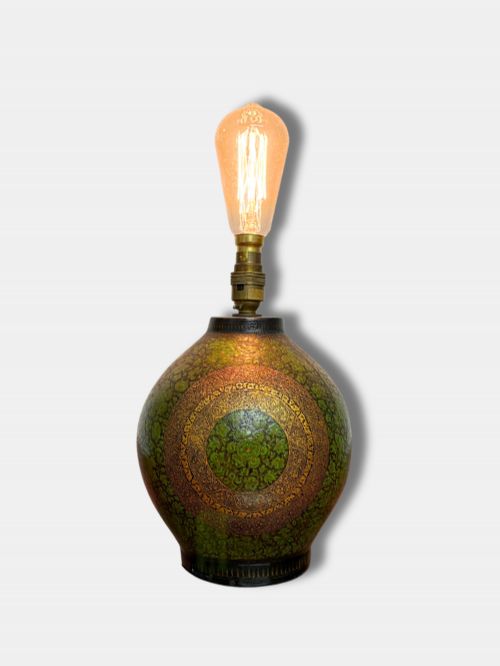
A vintage gold accent lamp selection encompasses table lamps, wall lamps, and occasional or side tables integrated with lighting, spanning periods from the mid nineteenth century through the 1930s. Buyers searching for a vintage gold accent lamp will encounter numerous French and Italian examples, alongside English, Kashmiri, and Japanese Satsuma pieces.
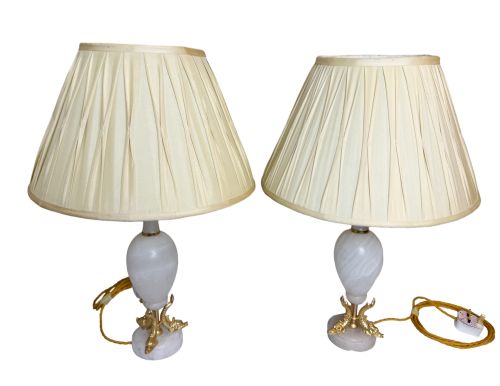
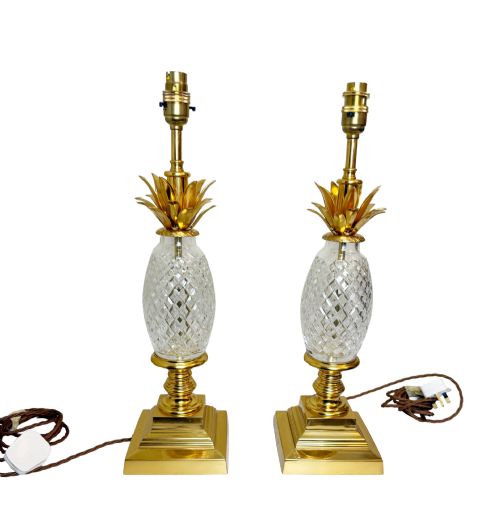
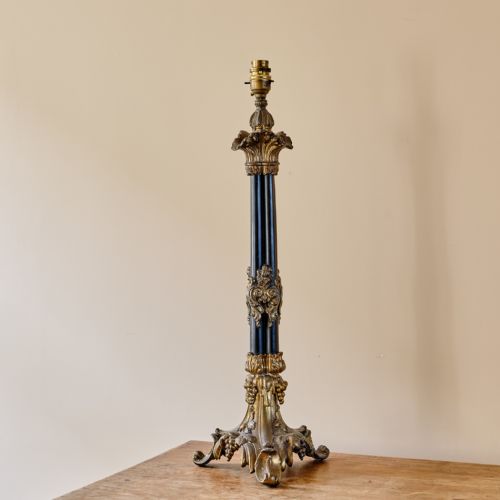
The forms vary considerably, from classical columns and urns to figural cherubs, pineapple motifs, and geometric art deco silhouettes. Many items pair gilt bronze, brass, or ormolu with contrasting materials such as marble, onyx, crystal, and glass.
Table lamps dominate the selection, appearing either as single statement pieces or matched pairs suited for sideboards, desks, and side tables.
How they were made
The construction relies heavily on metalworking techniques, particularly fine casting and ormolu work in brass and gilt bronze. Artisans combined cast metal components with turned wood, carved giltwood, porcelain, and natural stone bases.
Surface decoration involved gilding, hand painting, lacquer, and intricate carving, reflecting styles from neoclassical and rococo revivals to art nouveau and art deco.
Design influences range from French neoclassical and rococo revival to art deco and Kashmiri craftsmanship.
What varies in quality
Quality rests upon the crispness of the metal casting and the depth of the original gilding or patination. Finer pieces display sharply defined ornamentation, substantial weight, and harmonious proportions between the base and decorative elements.
The integration of secondary materials, such as unblemished marble, clear crystal, or hand-painted porcelain, distinguishes standard production from exceptional examples of the period.
The Vintage Gold Accent Lamp Glossary
- Ormolu
- Gilt brass or bronze applied to furniture and decorative objects. This technique was widely employed by nineteenth-century French makers to create rich metallic highlights.
- Verde marble
- A dark green ornamental stone often featuring white veining. It frequently forms the heavy plinths and bases of late nineteenth and early twentieth-century lamps.
- Baluster
- A moulded column or shaft with a swelling lower portion. Hexagonal baluster forms appear frequently in twentieth-century brass lighting.
- Chinoiserie
- European decorative style reflecting Chinese artistic traditions. Pieces in this idiom often feature painted lacquerwork and distinct oriental motifs.
- Gilt bronze
- Copper alloy coated with a thin layer of gold. It provides durable and lustrous enrichment for classical and revivalist decorative items.
Vintage Gold Accent Lamp: Frequently Asked Questions
How do I identify a nineteenth-century lamp?
Nineteenth-century examples typically show heavier metal casting, traditional assembly methods like threaded rods, and patination consistent with age. Look for stylistic cues from neoclassical, rococo revival, or Victorian designs.
Material choices also guide dating, as combinations of ormolu, hand-carved wood, and genuine marble bases frequently indicate nineteenth or early twentieth-century manufacture.
Are these lamps usually wired for modern use?
Many vintage pieces have been rewired at various stages to comply with modern electrical standards. It is common to find older wiring replaced to ensure safe daily operation.
Buyers should inspect the internal wiring upon acquisition and consult a qualified electrician if rewiring or conversion to local plug standards is necessary.
What is the difference between ormolu and gilt brass?
Ormolu specifically denotes finely chased and gilt bronze, a technique perfected by French metalworkers. Gilt brass is a lighter, often less costly alternative utilising similar surface finishing.
Both materials yield a rich golden appearance, though ormolu generally exhibits superior weight and sharper detail in the cast ornamentation.
How should I clean a gilded lamp base?
Dusting gently with a dry, soft microfibre cloth is the safest routine maintenance for gilded and patinated surfaces. Avoid chemical cleaners, abrasives, and excessive moisture, which can strip thin gold layers.
For intricate crevices on cast bronze or brass, a very soft dry artist brush helps remove accumulated dust without harming the finish.