
Vintage Globe
A vintage globe carries the geography of a past century on paper, glass, or brass.
Vintage Globe
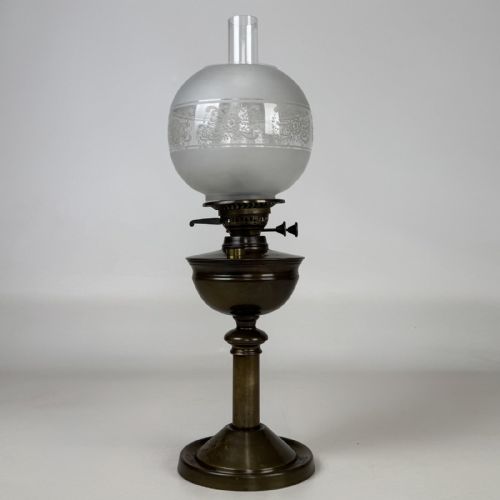
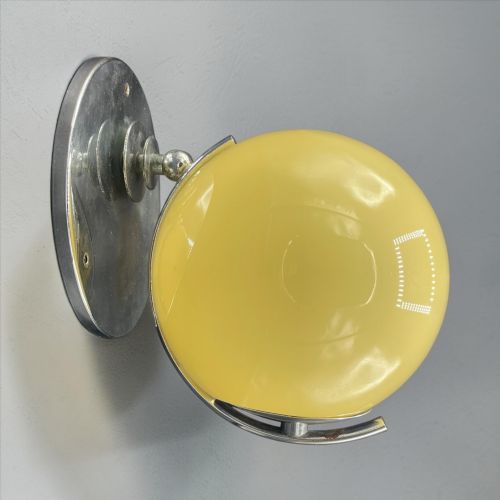
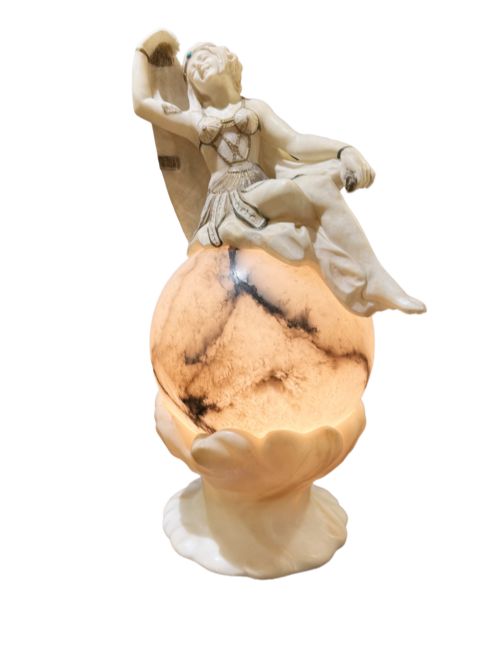
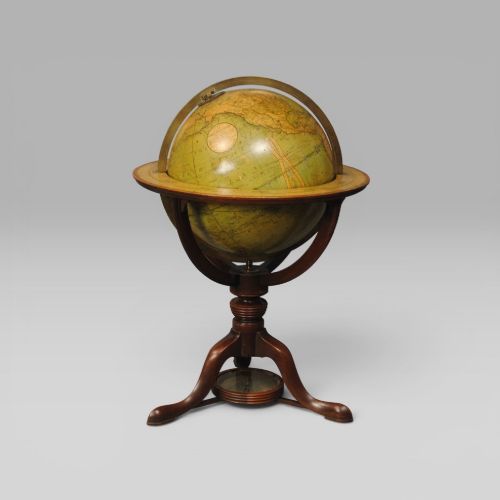
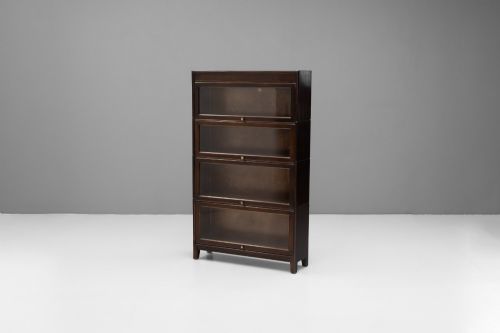
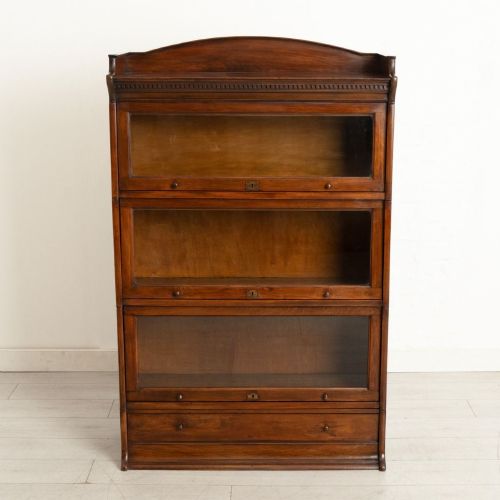
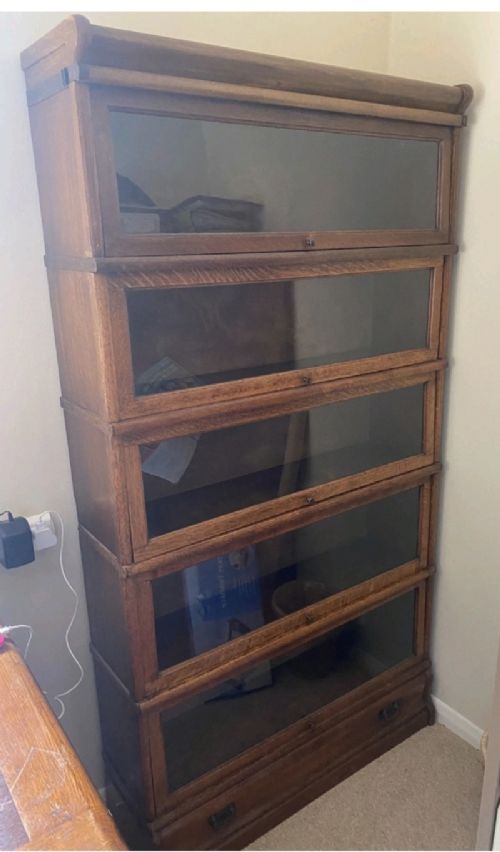
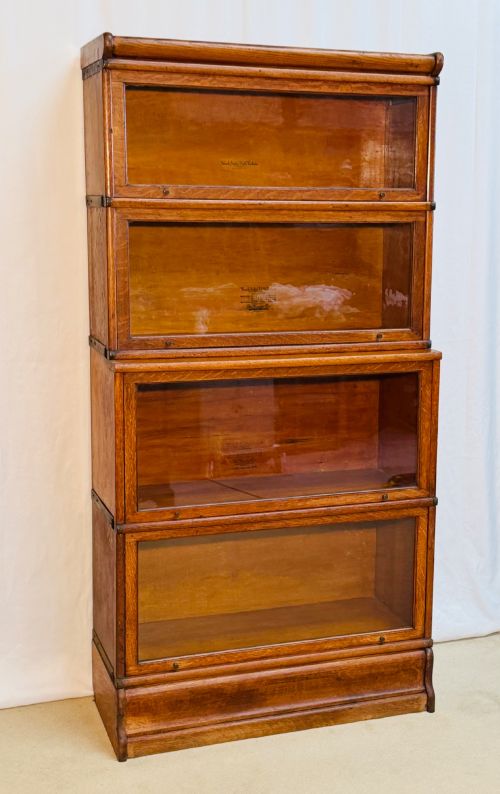
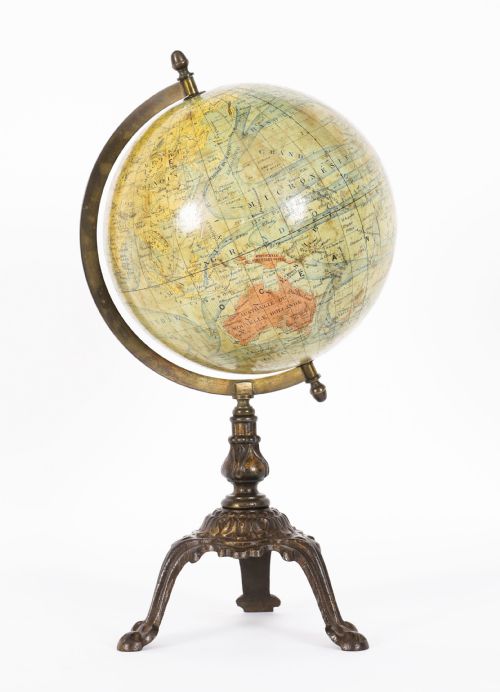
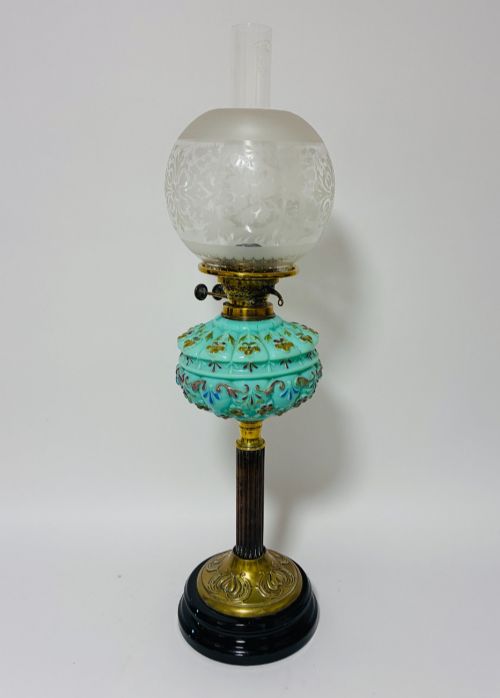
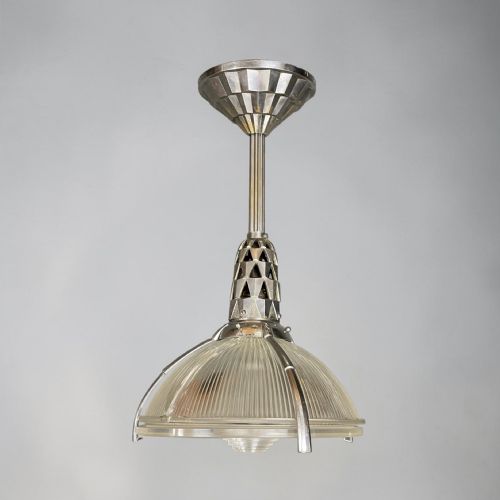
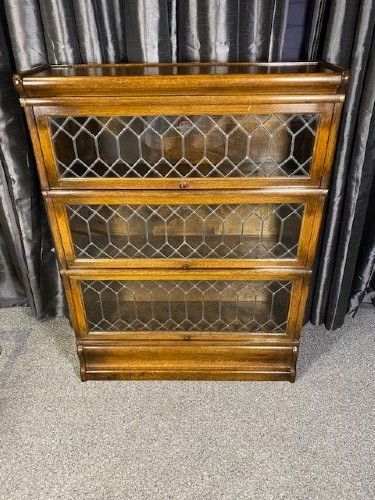
A vintage globe search encounters terrestrial spheres alongside sectional barrister bookcases and hanging glass shades sharing similar names. The terrestrial globe on a walnut foot or wooden base remains the central form within these pieces.
Makers stamp cartography onto paper gores applied to plaster spheres, reflecting political borders of the nineteenth and twentieth centuries. These pieces span Victorian, Edwardian, and Art Deco periods, encompassing both educational models and decorative spheres.
The selection includes desk globes, standing globes, and armillary spheres. Each iteration preserves geographical nomenclature that shifts according to its specific decade of production.
Materials and Construction
Paper gores are printed in segments and carefully pasted onto hollow spheres made of plaster or papier-mâché. This technique requires precise alignment to ensure the map coordinates meet cleanly at the poles.
Mountings utilise brass, walnut, and mahogany for stands, meridians, and footings. Wood is turned and polished, while metals are cast or turned to support the weight of the rotating sphere.
Markers of Quality
Quality rests in the legibility of the cartography and the precision of the paper gores meeting along the latitude and longitude lines. Clear, detailed typography printed by established cartographic firms distinguishes superior educational and decorative spheres.
The integrity of the mounting materials separates standard examples from finer works. Solid walnut or mahogany bases and heavy brass meridians provide stability and longevity that lighter, plated metals and softwood do not match.
Cary London·Lebegue And Cie·Phillips·Bacon·Parkes And Hadley
The Vintage Globe Glossary
- Gore
- A tapering strip of printed paper map designed to be pasted onto a sphere. Multiple gores cover the globe from pole to pole.
- Armillary sphere
- A model of objects in the celestial sphere consisting of rings centred on the sun or earth. It demonstrates planetary movement.
- Cartography
- The science and art of making maps. On these pieces, it dictates the historical boundaries and placenames depicted.
Vintage Globe: Frequently Asked Questions
How do I date a globe?
Examine the political boundaries, country names, and colonial territories printed on the paper gores. Major historical shifts like the First World War alter borders and provide a baseline era for manufacture.
Typography styles and the materials used for the base or meridian offer additional clues. Victorian and Edwardian mounts differ significantly from Art Deco and mid-century designs.
Are these globes accurate?
Historical globes reflect the geographical knowledge and political geography of their specific printing year. Boundaries shift and countries are renamed as time progresses.
Collectors prize this exact inaccuracy because it records a precise moment in history. They serve as historical documents rather than modern navigational tools.
What is an armillary sphere?
An armillary sphere is a skeleton sphere of metal rings representing lines of celestial longitude and latitude. It tracks the movement of stars and the sun around the earth.
These pieces were used historically for astronomical instruction and decorative display. They sit on heavy stands made of brass, wood, or stone.