




Vintage Glazed Side Cabinet
A vintage glazed side cabinet brings warmth and glass-fronted display space to a room, drawing the eye to curated collections behind timber frames.
Vintage Glazed Side Cabinet
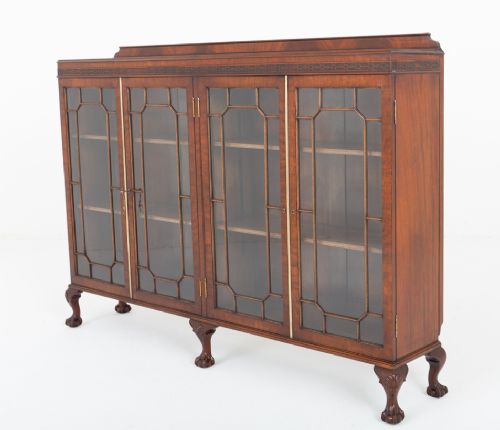
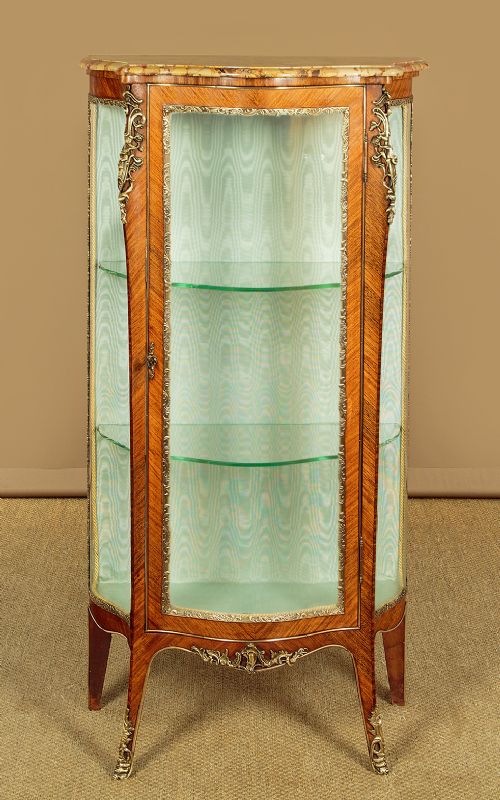
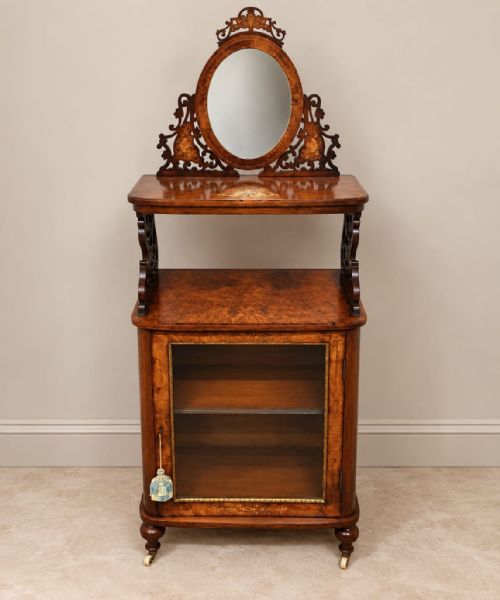
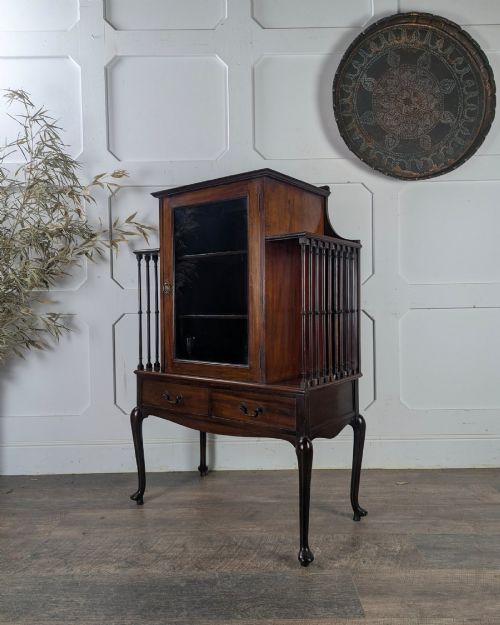
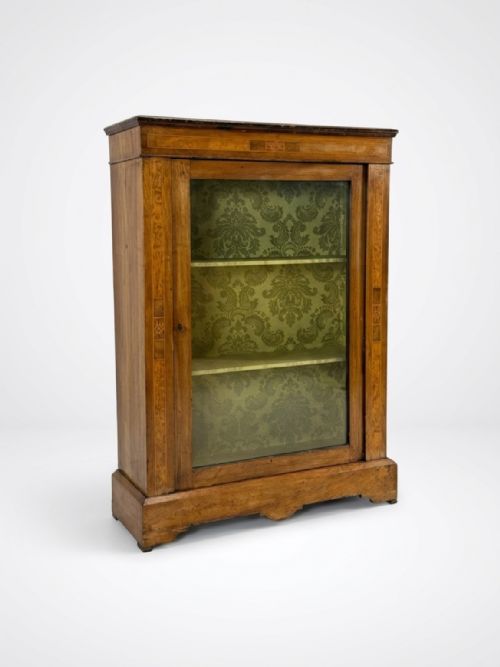
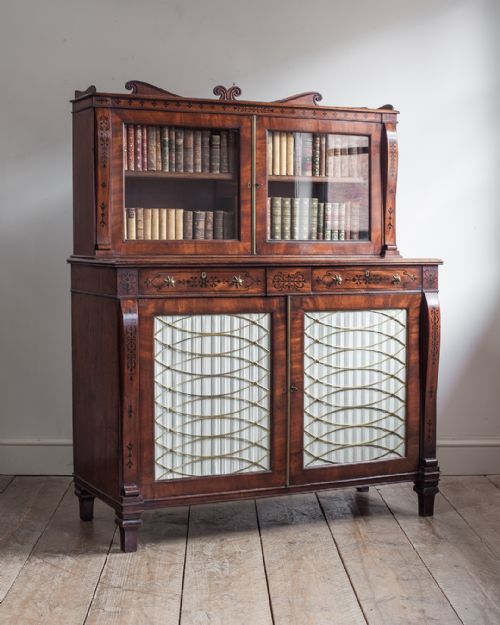
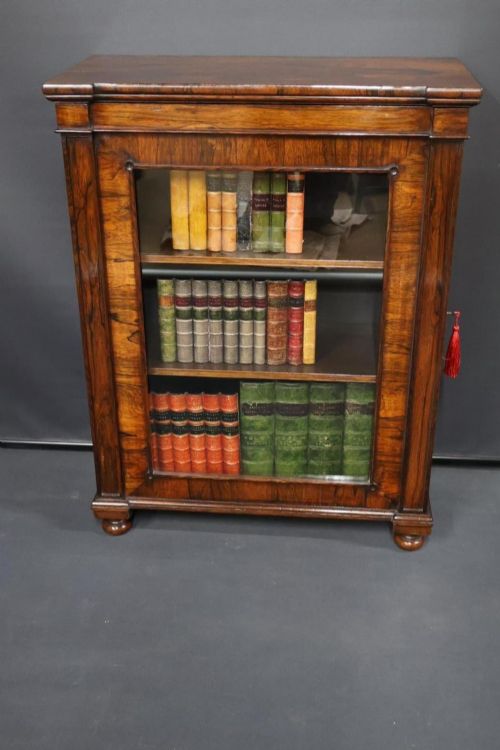
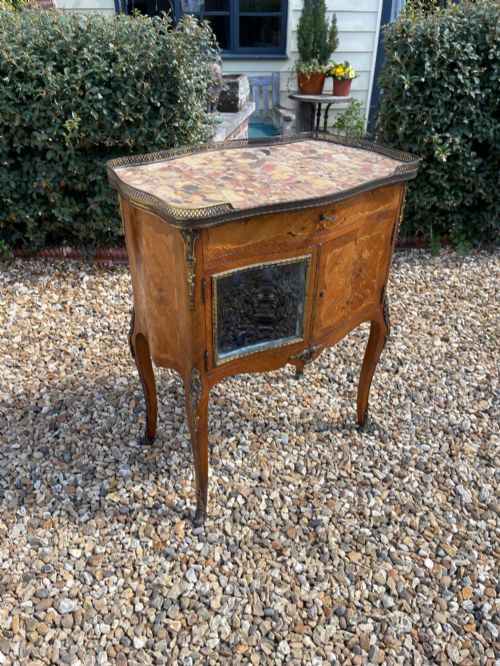
When searching for a vintage glazed side cabinet, buyers encounter timber storage furniture fitted with glass doors or panels designed to protect and exhibit objects. These pieces range from compact music cabinets and low pier units to larger breakfront bookcases and display cupboards.
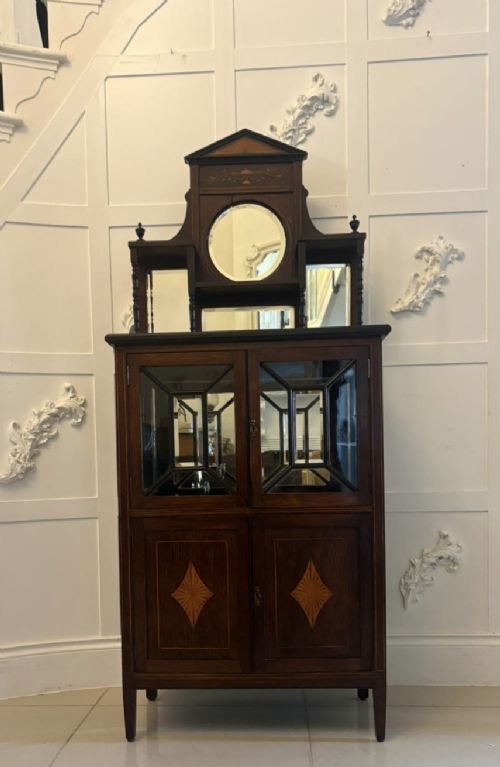
The selections span several eras, with Edwardian and Victorian examples appearing frequently alongside early twentieth-century designs. Mahogany and walnut provide the primary timber foundations, often embellished with satinwood inlay or brass hardware.
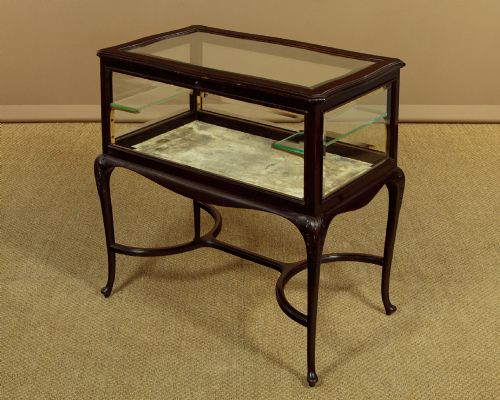
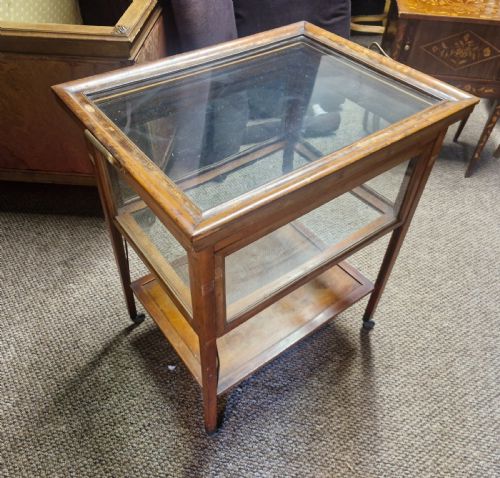
Forms vary from narrow cabinets intended for corner placement to low sideboards and tables with glazed display compartments. Many retain original fabric linings inside the shelving area to cushion delicate items.
How they were made
Cabinet makers utilised dense hardwoods such as mahogany, walnut, and burr walnut, applying fine veneers over secondary woods to achieve figured grain patterns. Inlay work in satinwood and boxwood frequently accents the timber surfaces on Edwardian and Victorian pieces.
Glass panels were secured within rebated timber frames, sometimes supported by brass fittings and lockable doors. Interior surfaces often featured fabric or velvet linings, while structural elements relied on traditional joinery methods appropriate to each period.
Listings feature timbers including mahogany, walnut, burr walnut, satinwood, oak, yew, and rosewood across multiple decorative styles.
What varies in quality
The refinement of timber selection largely distinguishes the standard of these cabinets, particularly where matched burr walnut or detailed marquetry inlay is employed. Superior examples show deliberate attention to grain alignment across doors and panels.
Hardware execution and structural joinery also indicate grade. Finely cast brass mounts, original glass panes, and well-fitted internal shelving reflect greater craftsmanship than simpler utility pieces.
Edwards and Roberts
The Vintage Glazed Side Cabinet Glossary
- Vitrine
- A glass display cabinet intended for porcelain and small valuables. These pieces often feature glazed sides as well as front doors.
- Pier cabinet
- A low cabinet designed to fit against the wall space between windows. They typically feature a single glazed door and flat top.
- Bijouterie table
- A glass-topped display table used for small ornaments and jewellery. The glazed upper section lifts or opens to allow access.
- Marquetry
- Decorative veneer work forming pictorial or geometric patterns. Makers used contrasting woods like satinwood and boxwood to create these motifs.
- Breakfront
- A piece of furniture where the central section projects forward from the side sections. This layout adds depth and architectural presence.
Vintage Glazed Side Cabinet: Frequently Asked Questions
What fits inside a vintage glazed side cabinet?
These cabinets suit books, ceramics, glassware, and small ornaments where dust protection is desired. The internal shelves organise collections while keeping them visible from the room.
Shallower pier units work well for compact displays, whereas breakfront bookcases accommodate larger volumes and mixed decorative objects.
How do I identify an Edwardian glazed cabinet?
Edwardian pieces often feature lighter mahogany timbers combined with satinwood stringing and delicate inlay work. The proportions tend to feel slender and refined compared to heavier Victorian counterparts.
Mirror backs and inlaid panels frequently appear within this period, reflecting light through the upper glazed sections.
Where should I place a side cabinet at home?
A side cabinet fits neatly into dining rooms, living spaces, or hallways against blank wall expanses. Their shallow depth allows them to sit comfortably without dominating floor space.
Positioning them away from direct sunlight protects both the timber finish and any fabric linings inside the display area.