



Vintage Glass Tray Mirror
These vintage glass tray mirror pieces bring old glamour to a dressing table or cocktail hour, combining functional surface with decorative reflection.
Vintage Glass Tray Mirror
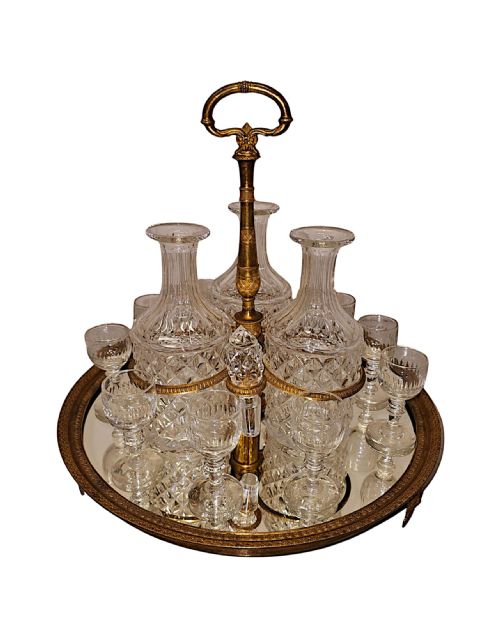
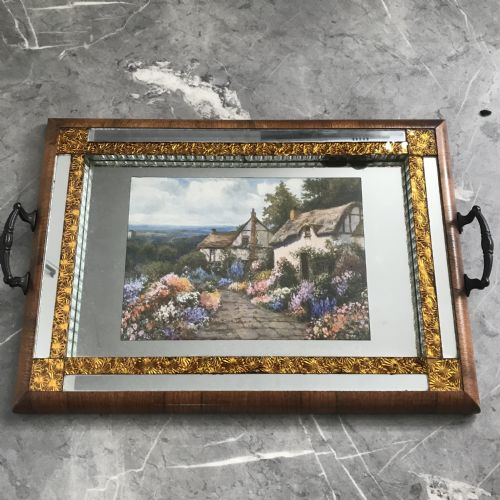
A vintage glass tray mirror combines a flat reflective plate with handles, frames, or raised edges designed for serving drinks or displaying small items. When you search for a vintage glass tray mirror, you encounter pieces intended for practical use on a sideboard or as a decorative plateau.
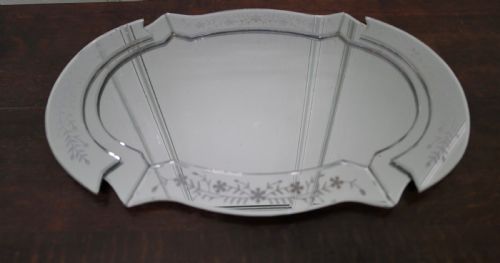
The selections span the early twentieth century, showing strong Art Deco, Venetian, and Edwardian influences. Forms range from dedicated drinks trays and wine servers to jeweller's mirror plateaus and small octagonal display stands.
How They Were Made
Maker methods combine mirror glass and plate glass with structural surrounds of metal, brass, chrome, copper, or silver plating. Artisans often applied surface decoration through etching or cutting directly into the glass plate.
Wooden elements incorporate walnut veneer or solid wood bases to support the mirror plate. Handles in contrasting metals or wood are secured to the edges to form functional serving pieces.
Vintage Glass Tray Mirror Retail Price Guide 2026
Typical asking prices for vintage glass tray mirror among the pieces listed under this phrase on Sellingantiques today, from the lower quarter to the upper quarter. They describe what is for sale here now, not the wider market.
A jeweller's plateau mirror once displayed pocket watches and rings rather than pouring martinis.
What Varies in Quality
Quality rests in the crispness of the etching and the complexity of the glass cutting. Pieces featuring detailed Venetian motifs or clean Art Deco geometric lines show superior design ambition.
The integration of materials dictates the standard of the object, such as sturdy metal plating, substantial wooden framing like walnut veneer, and securely fitted handles.
The Vintage Glass Tray Mirror Glossary
- Art Deco
- A design style from the early twentieth century characterised by sleek geometric lines and stylised motifs. It dominates many of these mid-period mirrors and trays.
- Venetian
- A style originating from Italy involving ornate glasswork, often featuring delicate cut details and shaped edges. These pieces showcase traditional Italian craftsmanship.
- Mirror Plateau
- A mirrored display base originally used as a tablescape centrepiece for silver or glassware. They elevate small objects by reflecting them from below.
- Walnut Veneer
- A thin layer of walnut wood applied over a base material to provide a decorative grain surface. It appears on the backing or framing of several trays.
Vintage Glass Tray Mirror: Frequently Asked Questions
How were these mirror trays used?
These items served primarily as drinks trays for cocktail glasses and wine bottles, or as display surfaces on dressing tables. Jeweller's plateaus sat on counters to showcase small valuable goods.
Their reflective surfaces added light and a sense of space to table settings and displays during the early twentieth century.
What periods do these pieces come from?
The available pieces date from the Edwardian era through the nineteen-thirties. The nineteen-twenties and thirties bring distinct Art Deco and Venetian styles.
Earlier pieces from nineteen ten often show simpler Edwardian aesthetics before the geometric shift of the later decades.
What materials make up these trays?
Construction relies on mirror glass and plate glass combined with supporting structures of metal, brass, chrome, and copper. Some incorporate wooden bases or walnut veneer surrounds.
Handles and decorative borders utilise these mixed media to provide both structural rigidity and visual contrast.
How do I care for a vintage mirror tray?
Keep the reflective glass clean using a soft cloth and mild glass cleaner, avoiding harsh abrasives that could damage silvering or metal plating. Take care around etched or cut areas to prevent moisture trapping.
Protect wooden or veneered undersides from prolonged liquid exposure by using coasters or mats where appropriate.