





Vintage Glass Pot
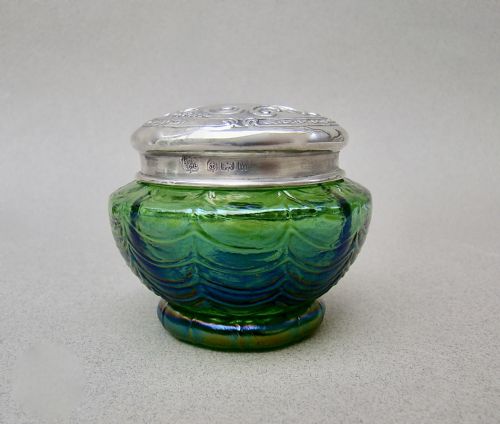
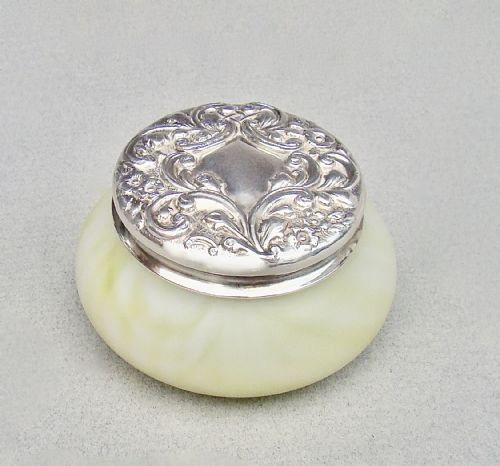
A vintage glass pot brings practical elegance to a dressing table or dining surface, combining utilitarian glass with decorative metal mounts.
Vintage Glass Pot
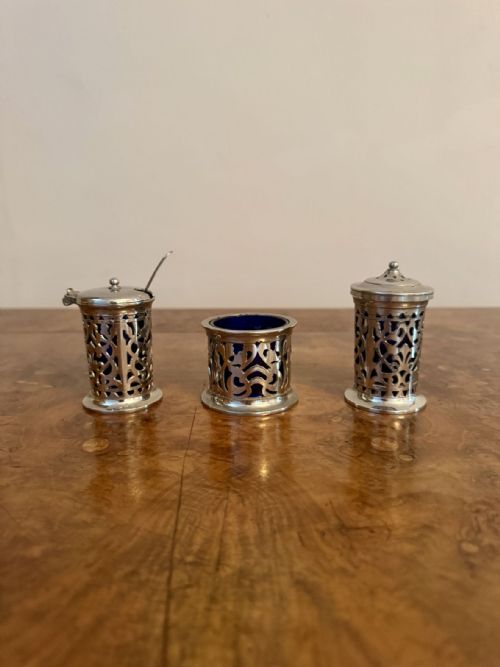
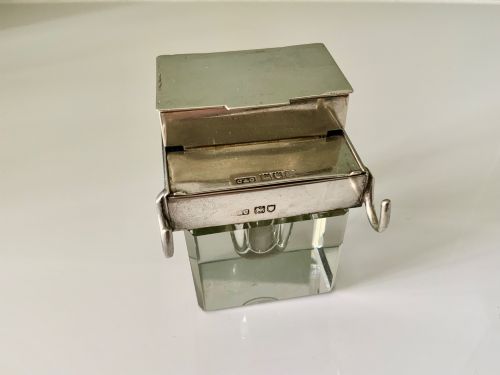
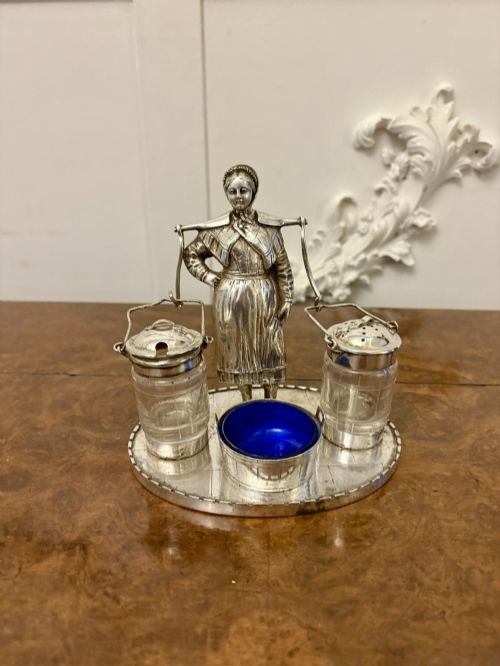
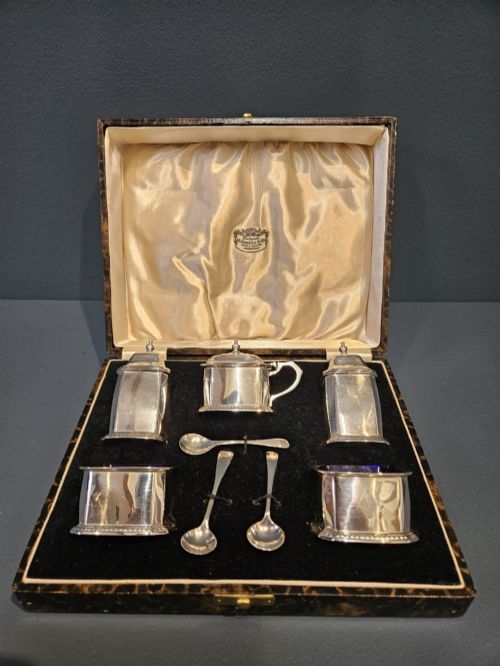
When searching for a vintage glass pot, buyers encounter a diverse selection of small domestic vessels originating from periods spanning the nineteenth century through the mid-twentieth century. The most frequent examples on this page take the form of dressing table jars, trinket boxes, inkwells, and condiment containers designed for everyday utility.
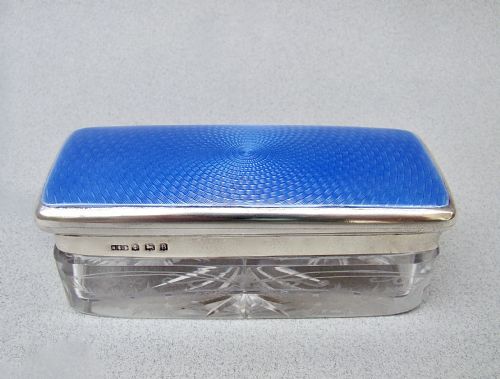
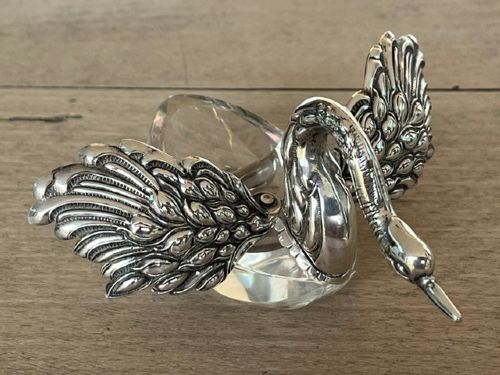
These pieces frequently incorporate metal elements such as sterling silver, silver plate, brass, and enamel alongside various glass formations. Examples range from Edwardian cruet sets and Victorian cranberry glass bowls to Art Deco dresser boxes with guilloche enamel lids.
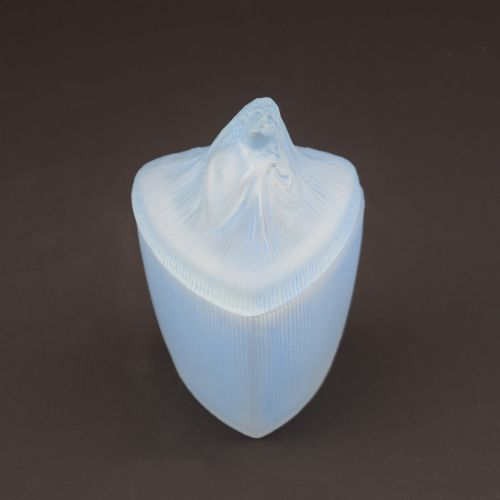
Production origins extend across British workshops, particularly in Birmingham, alongside continental output including notable pieces by makers such as Rene Lalique. Functionally, these vessels served personal grooming, writing desks, and dining table service.
Materials and Technique
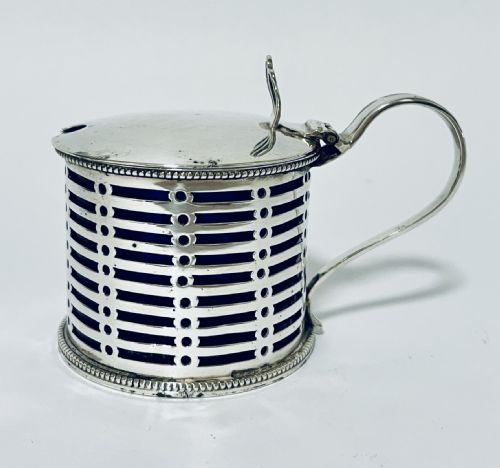
The construction of these pots relies on the pairing of moulded or cut glass containers with fitted metal mounts, lids, and collars. Silversmiths utilised sterling silver and silver plate to create secure closures, hinged lids, and decorative rims that often bear Birmingham hallmarks.
Surface decoration frequently involves coloured glass varieties such as cranberry, satin, and amethyst glass, alongside applied techniques like cut glass faceting and vitreous guilloche enamel. Specialist makers employed moulding, pressing, and acid staining to achieve frosted and tinted visual effects on the glass bodies.
Vintage Glass Pot Retail Price Guide 2026
Typical asking prices for vintage glass pot among the pieces listed under this phrase on Sellingantiques today, from the lower quarter to the upper quarter. They describe what is for sale here now, not the wider market.
The selection spans pieces produced across the nineteenth, Edwardian, Art Deco, and mid-twentieth-century eras.
Assessing Craftsmanship
Quality in these vessels is determined by the weight and clarity of the glass body, alongside the precision of the metalwork mounts. Superior examples display crisp cutting, unblemished enamel work, and heavy-gauge silver components that fit the glass container precisely.
The reputation of the silversmith or glasshouse significantly influences the standing of a piece. Finer items exhibit intricate detailing on hinges and clasps, intact enamelling without loss, and maker marks that denote reputable manufacturing origins.
A. J. Pepper & Co·Henry Clifford Davis·A. Bromet & Co·Rene Lalique·Hukin and Heath·Hasset & Harper
The Vintage Glass Pot Glossary
- Guilloche enamel
- A decorative technique involving precise mechanical engraving beneath translucent coloured enamel layers. This method creates repeating geometric patterns visible beneath the coloured glass-like coating on metal lids.
- Cruet set
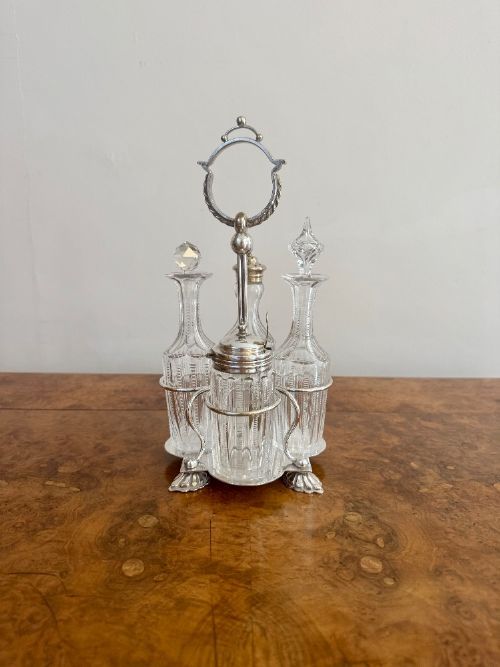
- A matched collection of small glass containers designed to hold condiments such as mustard, oil, vinegar, and pepper for table service. These sets usually sit within a metal frame or stand.
- Cranberry glass
- A rich red-pink transparent glass created by adding gold chloride to the molten glass batch. It appears frequently in Victorian and Edwardian tableware and decorative bowls.
- Match striker
- A heavy glass or ceramic container with a textured striking surface designed for igniting safety matches. Victorian and Edwardian examples often feature silver collars.
- Hallmark
- An official stamp applied by an assay office indicating the purity of precious metal and the year of manufacture. British pieces commonly show town marks like the Birmingham anchor.
Vintage Glass Pot: Frequently Asked Questions
What were glass pots used for historically?
These vessels served diverse domestic functions, ranging from holding cosmetics and trinkets on dressing tables to containing ink for writing or condiments at the dining table.
Their specific forms dictated their placement within the home, with smaller lidded jars kept in bedchambers and cruet sets utilised during formal meals.
How do I identify the date of a silver-lidded glass pot?
Dating relies primarily on the assay office hallmarks stamped onto the sterling silver or silver plate mounts. These marks typically include a maker's mark, a standard purity mark, and a date letter corresponding to a specific year of testing.
Stylistic indicators such as Edwardian floral motifs or Art Deco geometric enamel work also assist in determining the era of manufacture.
How should I clean glass pots with metal mounts?
Maintenance requires gentle cleaning methods that protect both the glass and the delicate metal or enamel components. Warm soapy water and a soft cloth suffice for the glass, avoiding harsh abrasives on silver plates and enamels.
Care must be taken to keep moisture away from glued joints or paper linings often found inside vintage trinket boxes and dresser jars.