
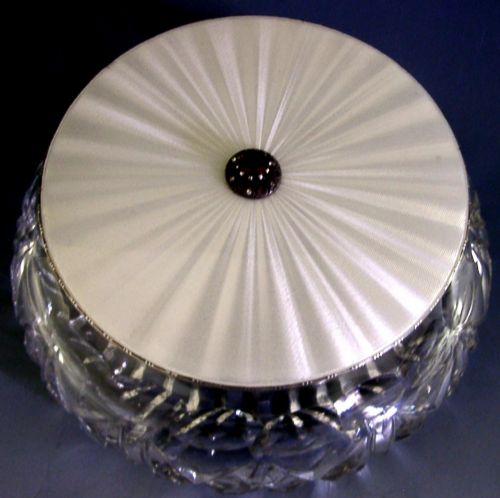


Vintage Glass Lidded Pot
These vintage glass lidded pots are small lidded containers combining glass bodies with precious metal mounts, prized on dressing tables and desks.
Vintage Glass Lidded Pot
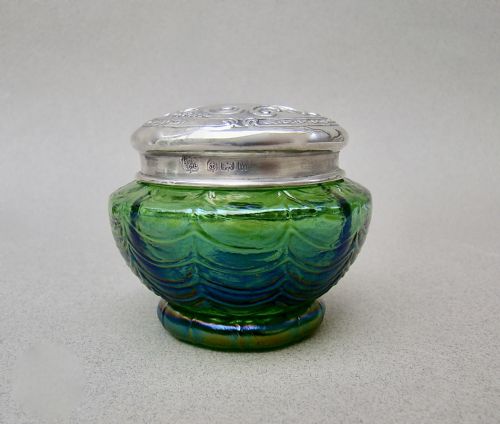
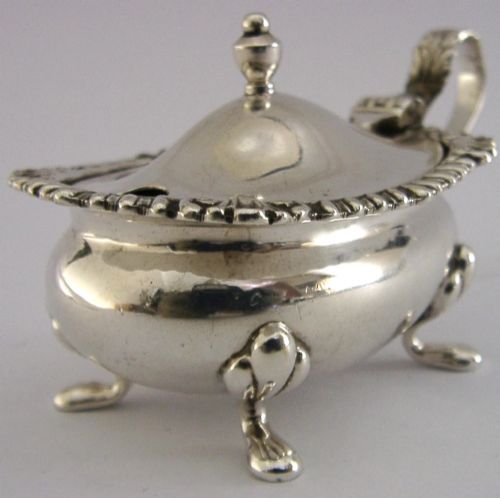
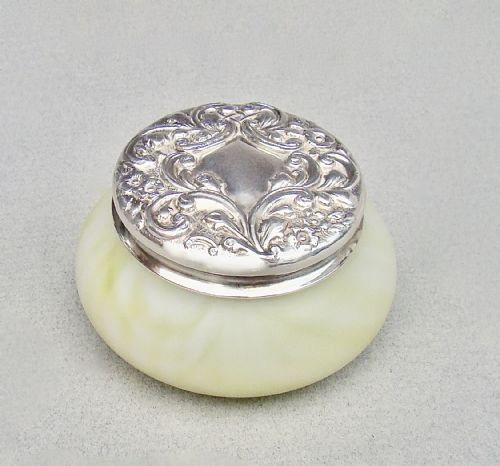
A vintage glass lidded pot covers a range of small domestic vessels, most commonly seen here as trinket boxes, vanity jars, inkwells, and preserve pots. You will frequently encounter Edwardian and Art Deco examples alongside Victorian and mid-century pieces, spanning the nineteenth and twentieth centuries.
The objects serve diverse functions from dressing table storage to dining table service, utilising fitted lids made of sterling silver, silver plate, or brass. Many pieces integrate coloured glass such as cranberry, satin, amethyst, or blue liners alongside clear lead crystal.
Judging Quality
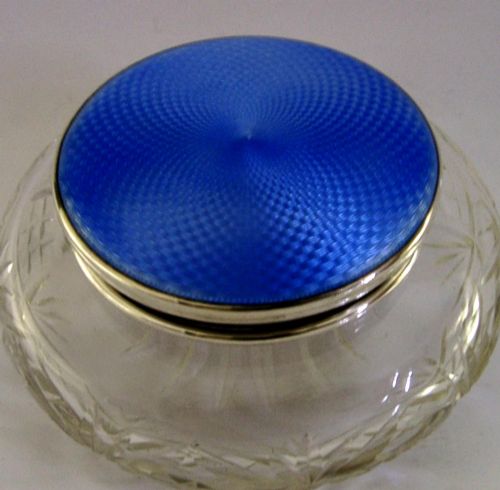
Quality rests in the weight and clarity of the glass body, distinguishing deep hand-cutting and rich coloured glass from simpler moulded wares. Crisp facet cuts and substantial lead crystal indicate superior manufacture.
The standard of the metalwork equally defines the piece, seen in thick sterling silver mounts, secure hinged or lift-off lids, and intricate detailing such as guilloche enamel or tortoiseshell inserts.
Listings feature items spanning the Georgian era through to the mid-twentieth century, dominated by Edwardian and Art Deco designs.
A. J. Pepper & Co·A. Bromet & Co·Asprey & Co·Walker & Hall·Baccarat
The Vintage Glass Lidded Pot Glossary
- Trinket box
- A small lidded container designed for holding jewellery or small personal accessories on a dressing table. These typically feature hinged silver lids mounted onto cut or coloured glass bodies.
- Lead crystal
- A type of glass incorporating lead oxide to increase brilliance, weight, and clarity. It allows for deep, sharp facet cutting.
- Sterling silver
- An alloy of silver containing 92.5 percent pure silver and 7.5 percent other metals, usually copper. It forms the primary metal for mounts and lids on better quality pieces.
- Cranberry glass
- A red or pink transparent glass coloured by the addition of gold chloride to the molten batch. It gained popularity during the Victorian and Edwardian periods.
- Hallmark
- An official stamp applied to precious metals indicating the standard of purity, the assay office, and the year of testing. British silver items frequently carry these marks on the lid rim or mount.
Vintage Glass Lidded Pot: Frequently Asked Questions
What were glass lidded pots used for?
These vessels served myriad domestic purposes across dressing rooms, writing desks, and dining tables. They held cosmetics, pins, ink, preserves, or mustard depending on their specific internal fittings and size.
Over time their domestic roles shifted, but their utility as decorative storage on surfaces remained consistent throughout the nineteenth and twentieth centuries.
How do I date a silver mounted glass pot?
The most reliable dating method involves reading the hallmarks stamped onto the silver lid or mount. These marks indicate the assay office and the exact year of testing.
Stylistic cues such as Art Deco geometric lines or Edwardian floral motifs also help narrow down the decade of production when hallmarks are rubbed.
How should I clean glass and silver pots?
Clean the glass body using warm soapy water and a soft cloth, avoiding abrasive pads that might scratch the surface. Take care to keep moisture away from any paper labels or glued liners.
Polish the silver mounts gently with a specialised silver cloth while avoiding contact between polish and the glass or enamel sections.