

Vintage Glass Globe Lamp
A vintage glass globe lamp brings a warm, diffused glow and sculptural form to a room, drawing the eye with its spherical shade.
Vintage Glass Globe Lamp
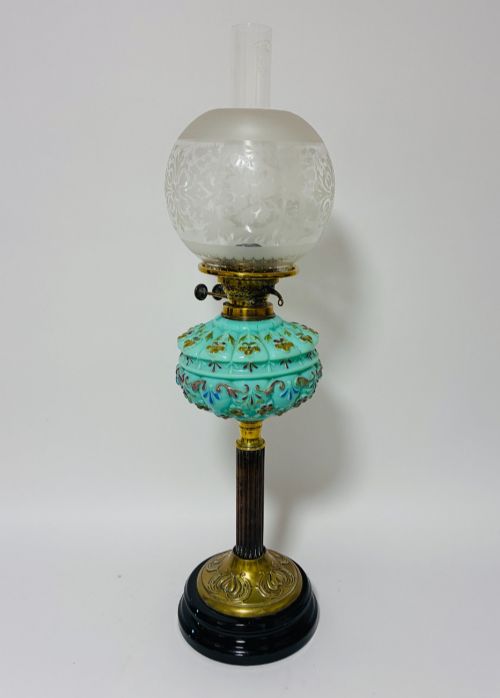
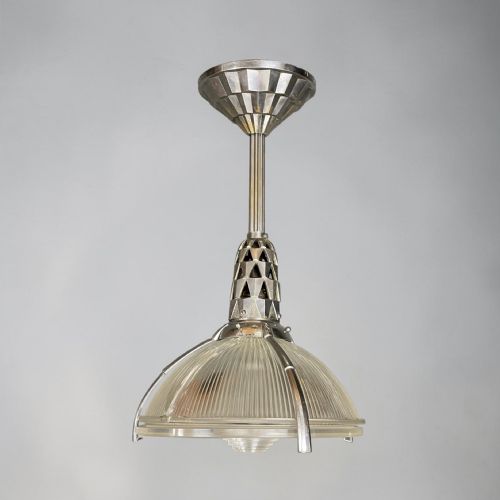
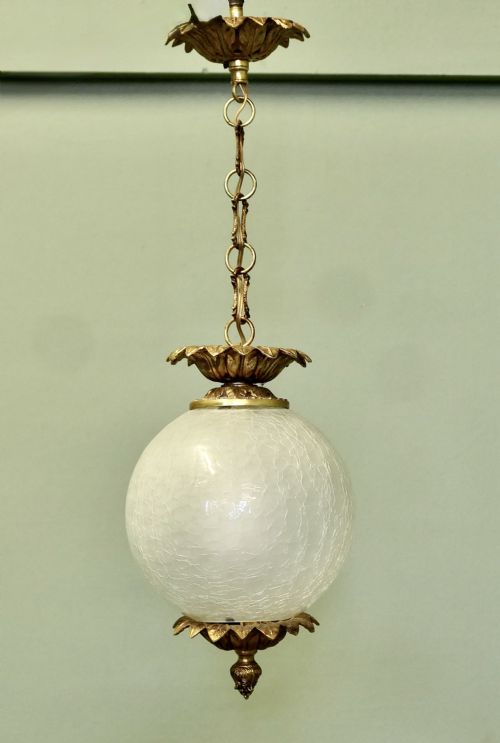
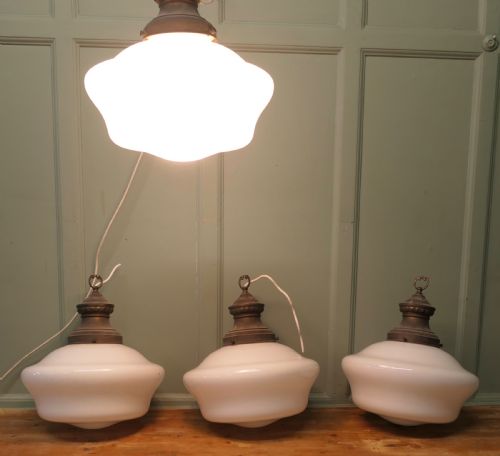
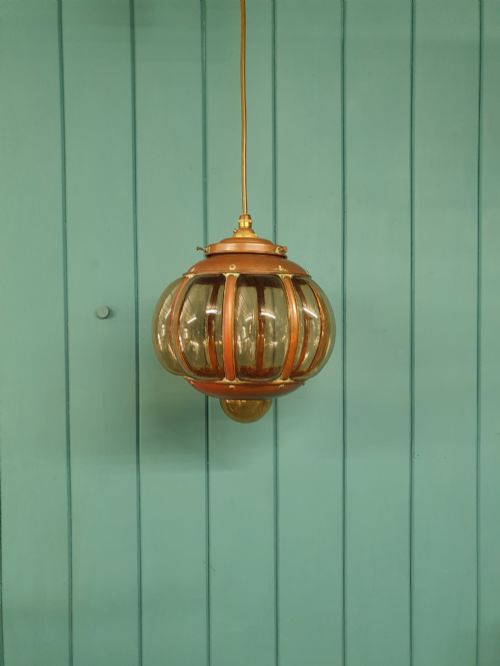
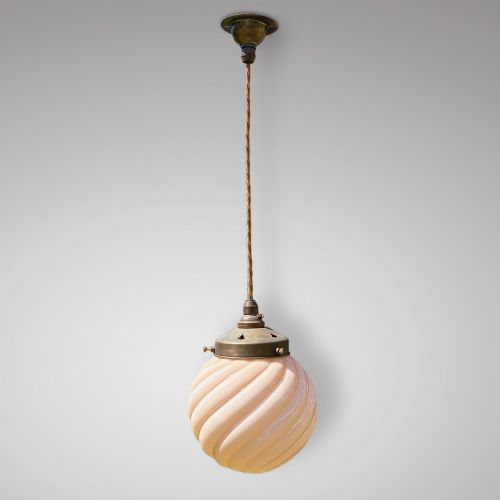
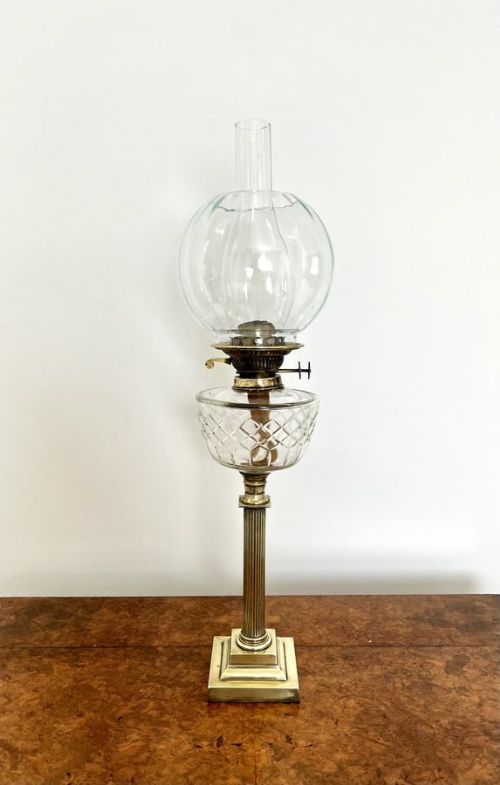
When you search for a vintage glass globe lamp, you are looking at lighting fixtures spanning from the Victorian era through the Art Deco period and mid-century modern designs. These pieces range from hanging pendant lights and ceiling fixtures to table lamps and oil lamps featuring spherical glass shades.
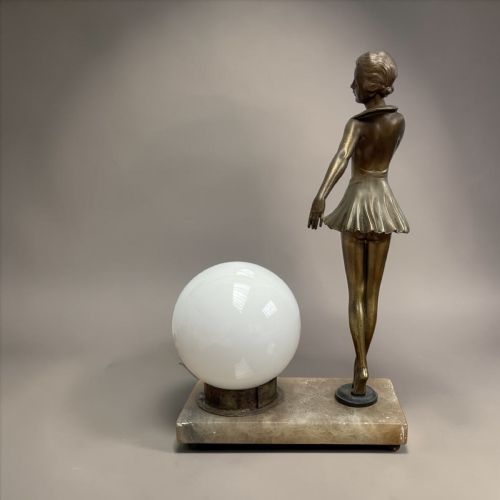
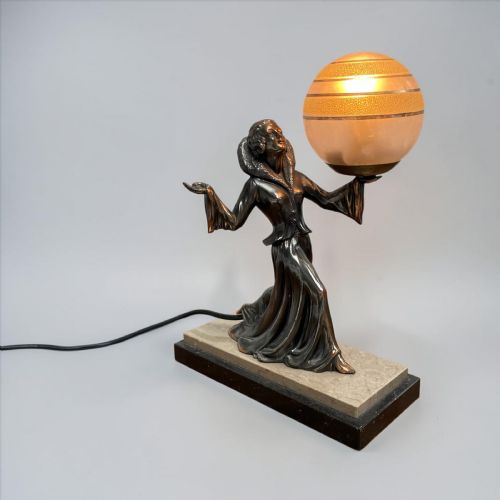
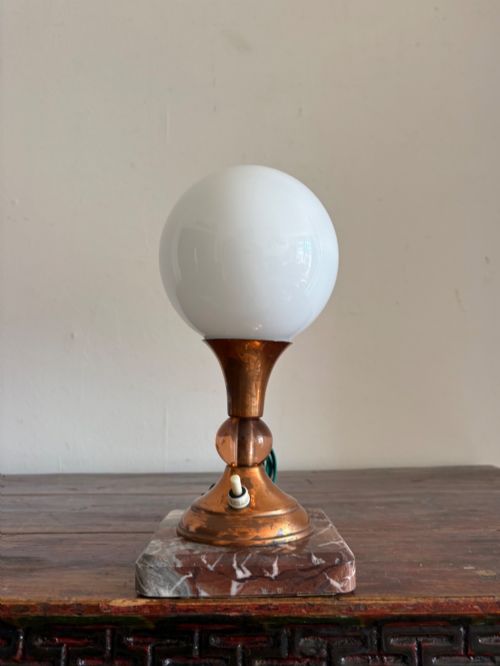
On this page, you are most likely to meet pieces originating from the Victorian, Edwardian, and 1920s or 1930s Art Deco periods. These items frequently combine glass components with bases or mounts made of brass, marble, copper, or ceramic.
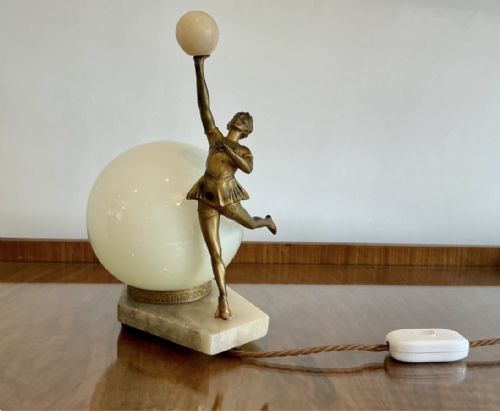
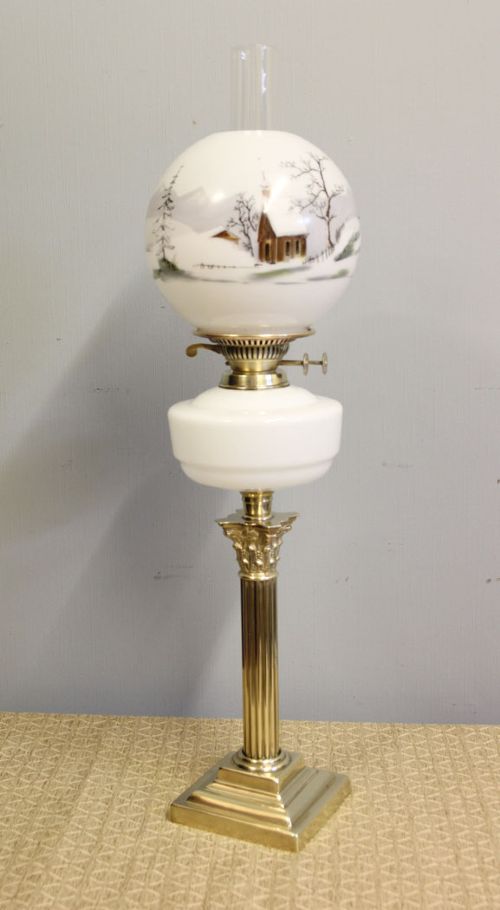
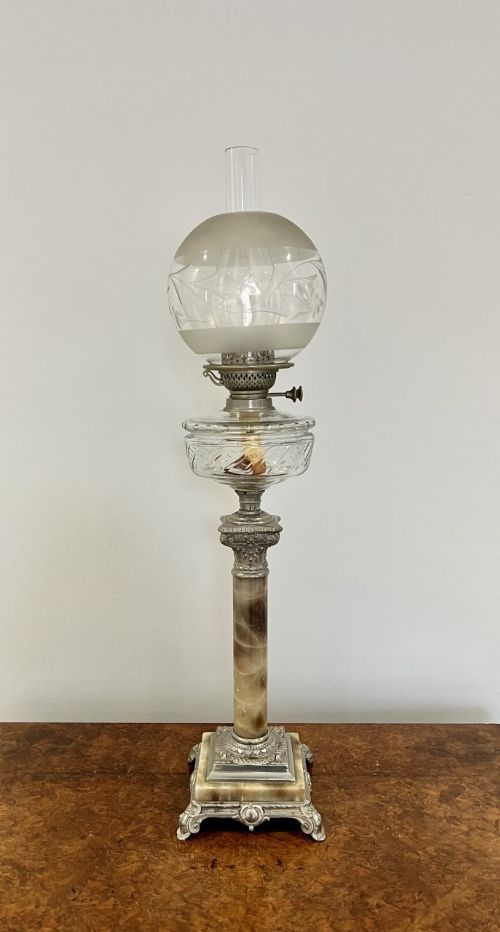
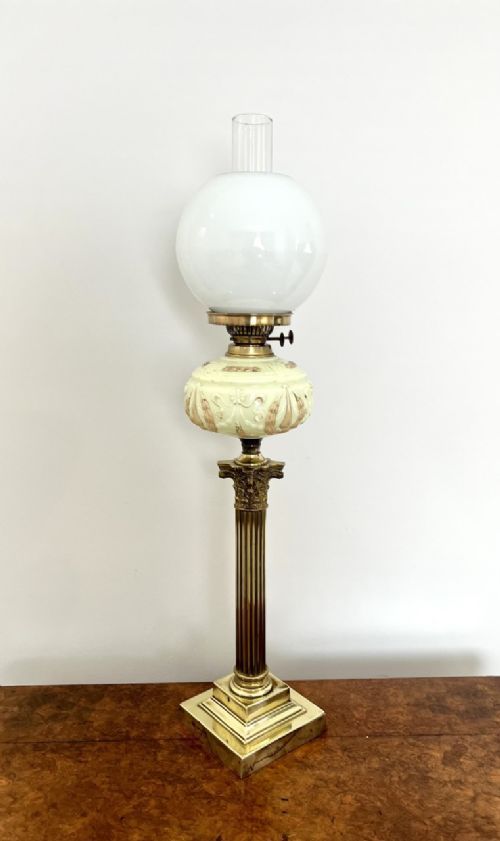
The forms vary from simple opaque or opaline globes mounted on industrial or nautical pendants to elaborate figural table lamps featuring lady figures or Corinthian columns. Each variation reflects the prevailing design ethos of its specific decade of manufacture.
How they were made
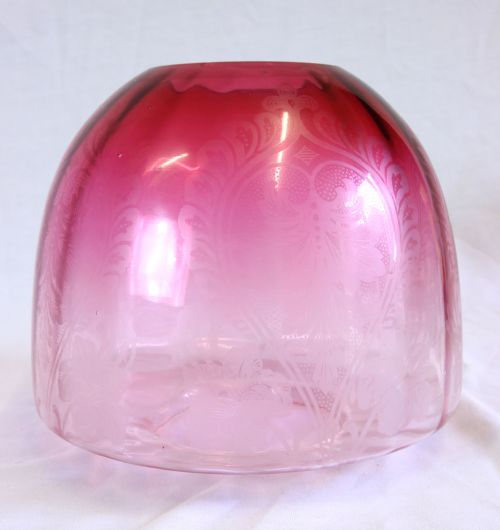
Makers utilised various types of glass, including opaline, frosted, cranberry, smoked, and moonstone glass, often blown or moulded into spherical globe shapes. These shades were paired with structural elements fashioned from brass, copper, chrome, spelter, and cast marble.
Manufacturing techniques combined traditional glassblowing with metal casting and turning. Mounts and collars were secured to the glass globes using brass rings, and oil lamps incorporated ceramic fonts alongside metal reservoirs.
Materials recorded across the inventory include opaline glass, cranberry glass, brass, marble, copper, chrome, and spelter.
What varies in quality
The weight and thickness of the glass globe set the baseline for quality, alongside the depth and clarity of any etched or coloured surface patterns. Heavier, uniform glass without bubbles or distortion marks the better examples.
The refinement of the metalwork distinguishes finer pieces, particularly in cast brass components, detailed spelter figures, or solid marble bases. Maker signatures, where present, and the integration of the hardware to the glass shade further separate standard items from superior ones.
Hinks of Birmingham·Émile-Jacques Ruhlmann
The Vintage Glass Globe Lamp Glossary
- Opaline glass
- A milky, semi-translucent glass that diffuses light softly and was widely used for Victorian and Art Deco globes. It often appears in white or pastel shades.
- Font
- The oil reservoir of a lamp, typically positioned beneath the burner and above the base. In period pieces, fonts are frequently made of coloured glass, ceramic, or brass.
- Torchiere
- An uplighter floor lamp or table lamp that directs light towards the ceiling. These frequently utilise prominent glass globes or shades.
- Spelter
- A zinc alloy commonly used as a substitute for bronze in decorative figures and lamp bases during the Art Deco period. It is usually plated or painted to resemble other metals.
Vintage Glass Globe Lamp: Frequently Asked Questions
How do I date a vintage glass globe lamp?
Dating relies on identifying the stylistic markers of periods such as Victorian, Edwardian, or Art Deco, alongside the materials used. Brass components, marble bases, and specific glass colours like cranberry or opaline offer strong chronological clues.
Examining the construction methods of the fitter rings and any maker marks or structural patents provides further precision. Comparing the form against documented designs from the nineteenth and twentieth centuries confirms the era.
Were these lamps originally electric or oil?
Many early pieces designed around the Victorian and Edwardian eras started as oil lamps before being converted to electricity later. Art Deco and later twentieth-century examples were predominantly manufactured for electrical use from the outset.
Conversions often retain original brass burners and fonts adapted to house lamp holders and wiring. Original oil components can sometimes be identified by wick mechanisms and unperforated fuel reservoirs.
How should I clean a glass globe shade?
Clean the glass globe by removing it from the fixture and washing it gently in warm, soapy water using a mild detergent. Avoid harsh abrasives, especially on frosted, etched, or painted surfaces.
Metal mounts and brass bases require separate polishing with appropriate non-abrasive cleaners to prevent residue transfer onto the glass. Ensure all parts are completely dry before reassembly.
Can I replace a broken glass globe?
Replacing a damaged shade requires matching the fitter size, diameter, and glass type to the original mounting hardware. Antique replacement globes must be sourced carefully to ensure period accuracy and correct proportions.
Measure the gallery opening where the shade seats into the brass ring before searching for a replacement. Variations in nineteenth and twentieth-century measurements mean exact compatibility is essential.