
Vintage Glass Dishes
Vintage glass dishes bring table service and dressing tables alive with cut crystal, opalescent tones, and silver mounts.
Vintage Glass Dishes
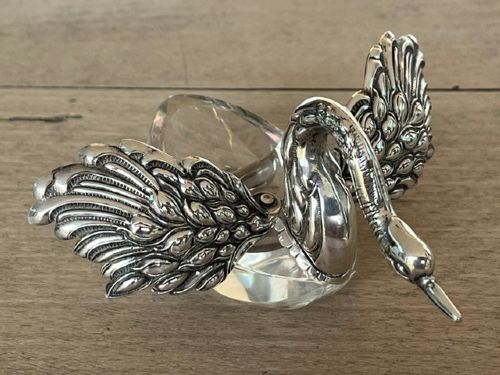
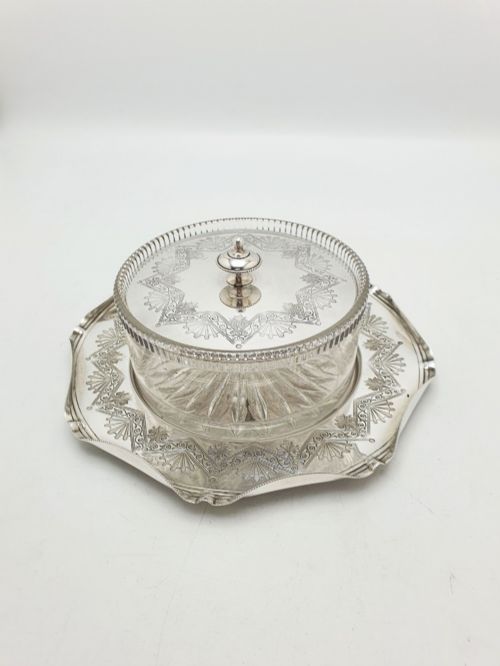
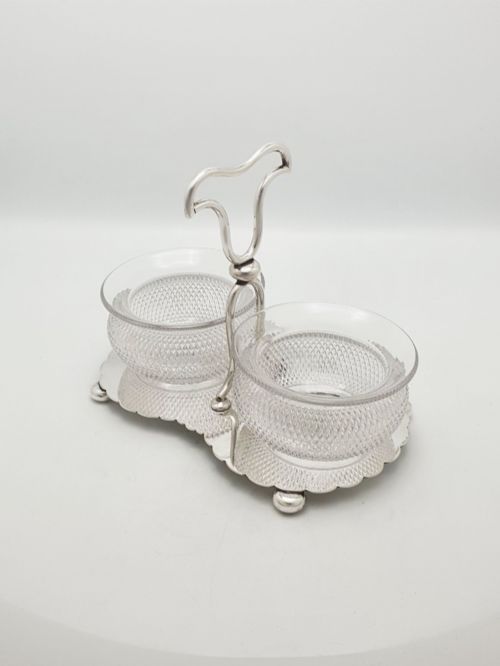
Vintage glass dishes encompass everything from decorative bowls and trinket boxes to butter dishes and salt cellars spanning the Victorian era through the mid-twentieth century. Collectors searching for vintage glass dishes will encounter tableware and vanity pieces produced in England, France, and Bohemia. These objects serve both practical storage and decorative display roles on dining tables and sideboards.
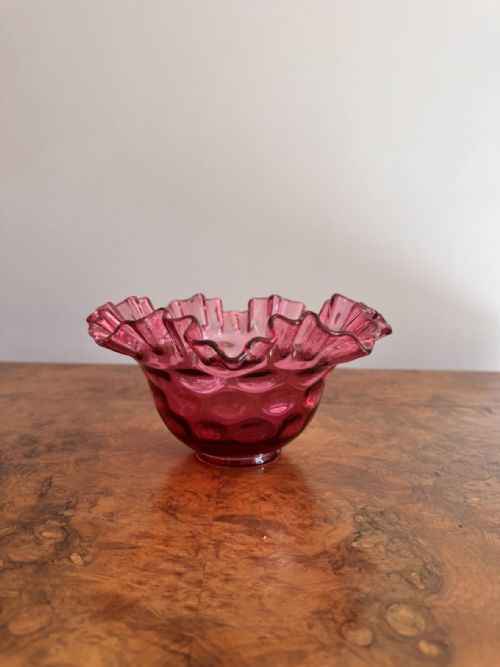
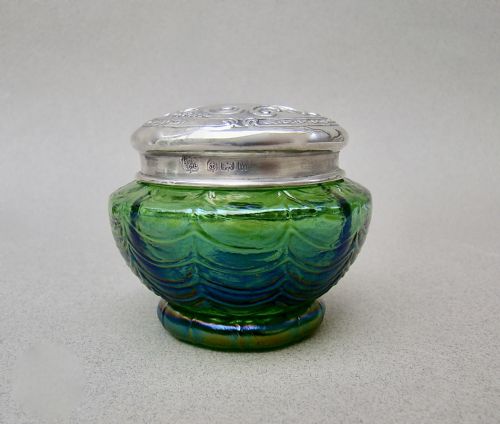
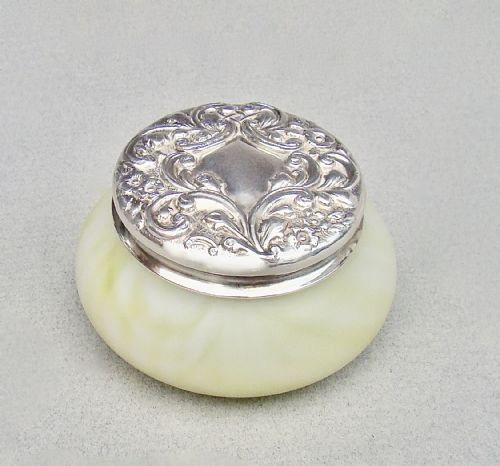
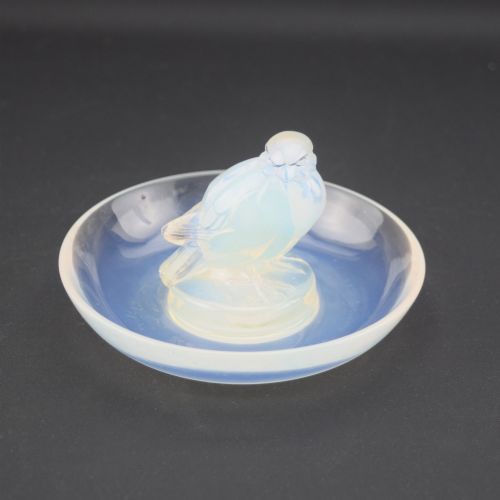
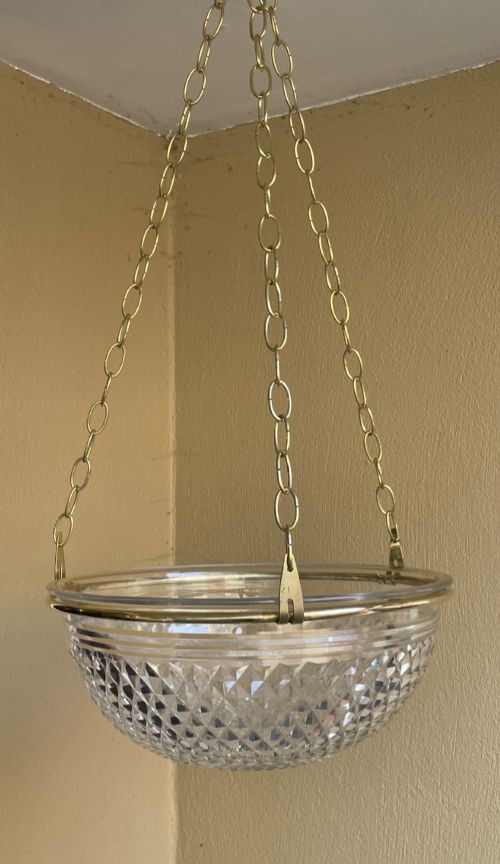
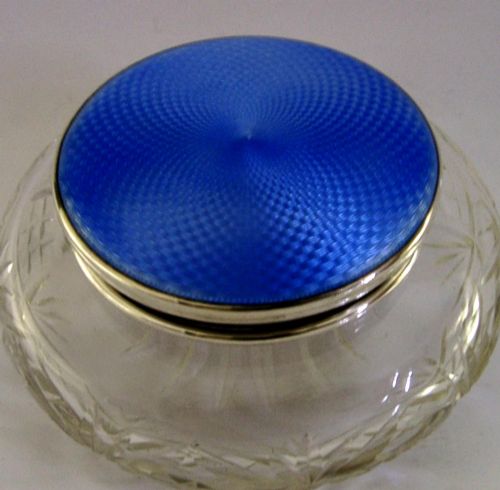
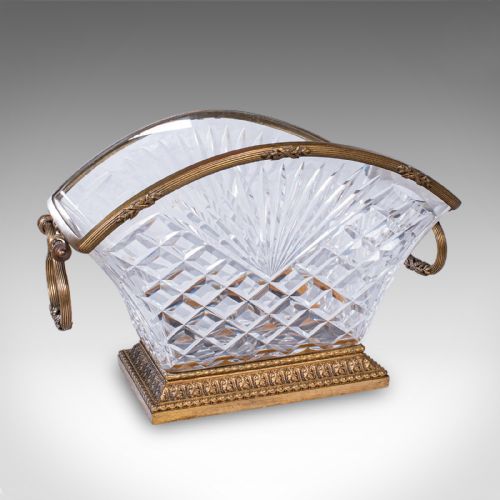
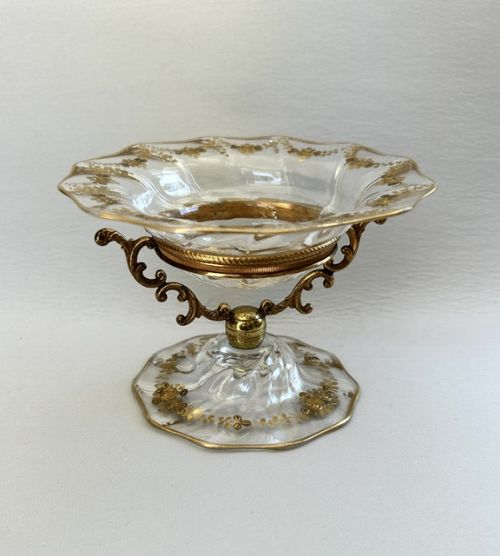
The selection ranges from heavy cut crystal centrepieces and pressed opalescent bowls to delicate cranberry glass containers fitted with sterling silver or silver plate lids. Pieces often combine glass with metal mounts, brass frames, or enamel details, reflecting the changing aesthetic tastes from the nineteenth century into the Art Deco period.
How they were made
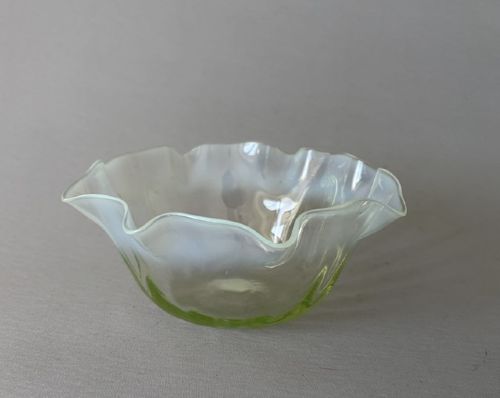
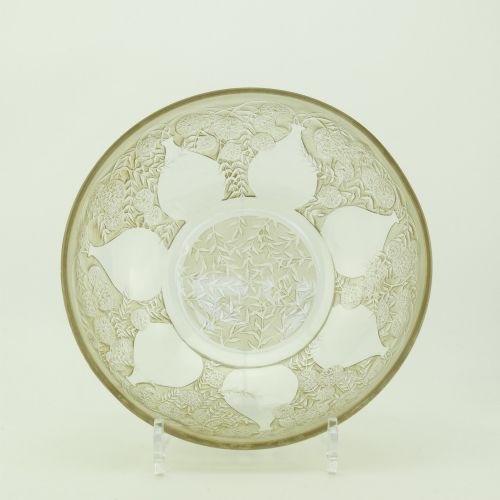
Makers shaped the vessels using traditional glassblowing, pressing, and cutting techniques, often utilising lead crystal, opalescent glass, or coloured glass such as cranberry and cobalt. Skilled artisans executed deep geometric cuts or moulded intricate botanical and figural reliefs into the body of the glass.
Metalworkers then integrated sterling silver, silver plate, or gilt bronze mounts, creating hinged lids, swing handles, or decorative stands. Workshops finished these pieces with hand-enamelling or ormolu mounts to complement the clarity and colour of the glass body.
Some Victorian jam pots took the very literal form of a ribbed green apple complete with a sterling silver stem.
What varies in quality
Quality rests in the weight and clarity of the glass matrix, the crispness of the wheel-cut facets or moulded relief, and the integrity of any metal mounts. Master glasshouses achieved superior optical purity and heavier substance, while lesser pieces show softer moulded lines or simpler forms.
The integration between the glass vessel and its metal fittings dictates the standard of manufacture. Well-engineered hinges, hallmarked silver lids, and substantial gilt bronze frames elevate the piece above standard domestic tablewares.
Whitefriars·Rene Lalique·A. J. Pepper & Co·A. Bromet & Co·Hukin and Heath·G Vallon·Daum France·WMF
The Vintage Glass Dishes Glossary
- Opalescent glass
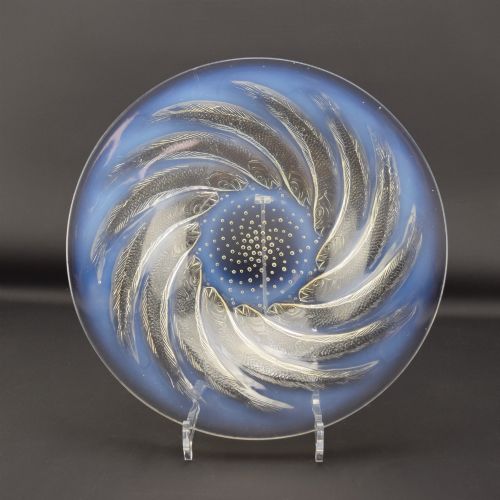
- A type of glass that displays milky, milky-blue, or fire-like colour effects when viewed in transmitted and reflected light. It was widely utilised by French and English makers during the late nineteenth and early twentieth centuries.
- Plafonnier
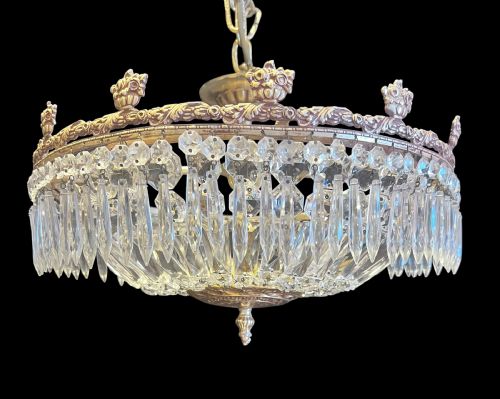
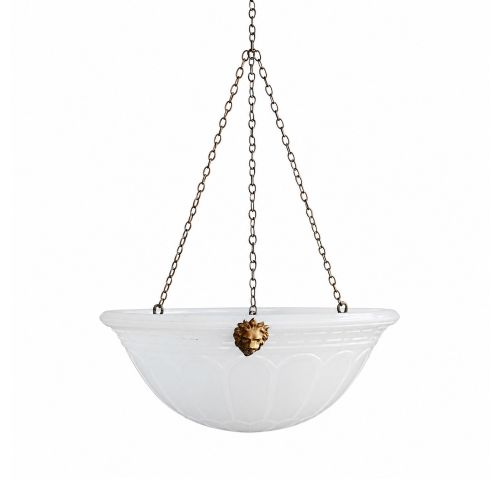
- A ceiling light fixture comprising a bowl-shaped glass shade suspended by metal chains or mounted directly to the ceiling. These fixtures often feature moulded or frosted glass designs typical of the 1920s and 1930s.
- Ormolu
- Finely ground high-carat gold cast and chased onto a bronze base, used extensively as decorative mounts for nineteenth-century and early twentieth-century glass bowls and centrepieces.
- Vaseline glass
- A transparent yellowish-green glass containing uranium dioxide that glows bright green under ultraviolet light. It appears frequently in Victorian and Edwardian decorative tablewares.
Vintage Glass Dishes: Frequently Asked Questions
How do I clean vintage glass dishes?
Wash the glass gently in lukewarm water using mild detergent and a soft cloth. Avoid abrasive sponges or harsh chemicals that can scratch the surface or damage applied metal mounts.
Dry thoroughly with a lint-free cloth to maintain clarity. If the piece includes silver or gilt bronze elements, keep moisture away from the metal joins.
How do I date a glass dish?
Examine the style of the glass cutting, the colour palette, and any associated metal hallmarks. Victorian pieces often lean towards heavy cut crystal and cranberry glass, while 1920s and 1930s items favour Art Deco geometries and opalescent moulding.
Silver mounts frequently carry assay office marks and date letters that pinpoint the exact year of manufacture. Maker signatures moulded into the glass provide further chronological evidence.
What is the difference between crystal and glass?
Crystal contains lead oxide, which increases the weight, refractive index, and acoustic resonance of the material. This composition allows artisans to cut deeper, sharper facets that catch the light more intensely than standard glass.
Standard glass lacks lead content and tends to be lighter in hand. Both materials appear across the historical periods represented on this page.