




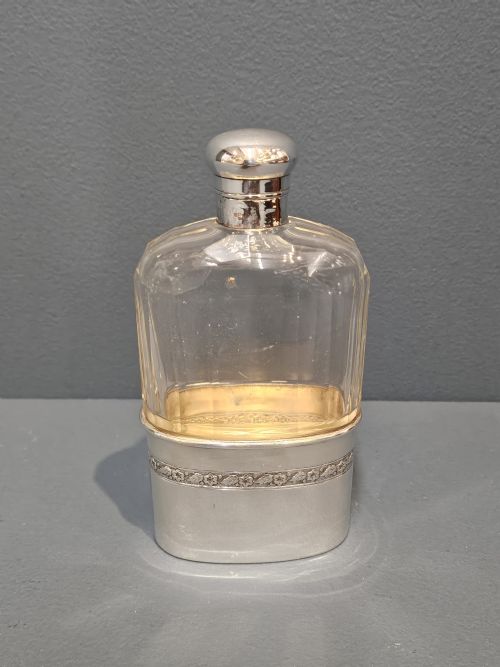


Vintage Glass Cup
When you handle a vintage glass cup, you hold a piece of drinking history spanning from Georgian dining rooms to Art Deco bars.
Vintage Glass Cup
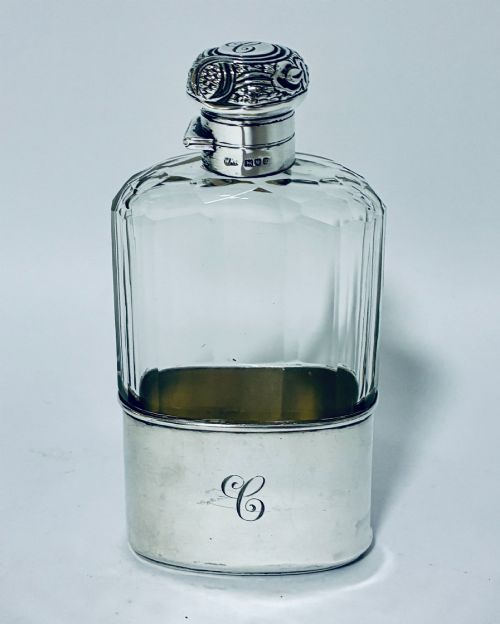
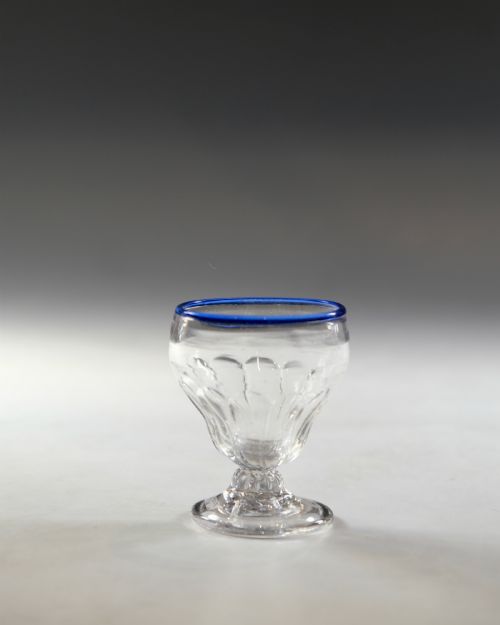
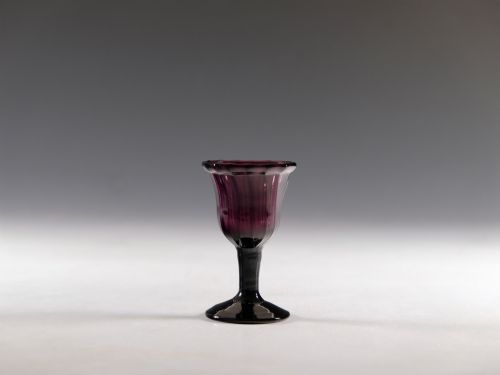
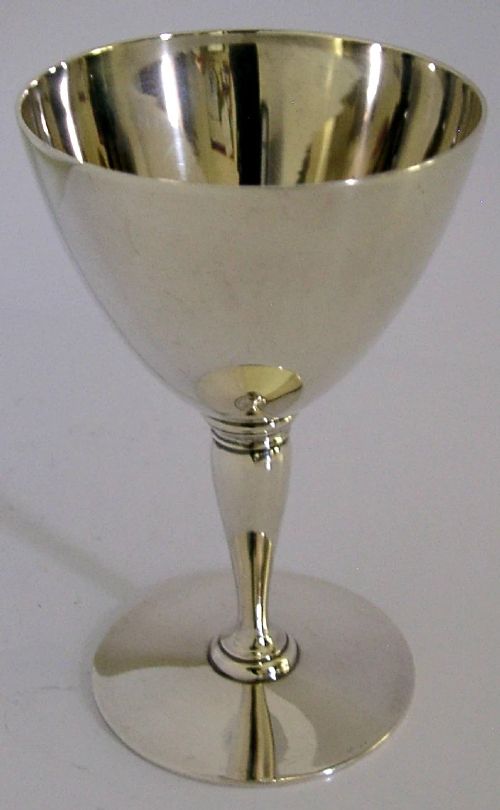
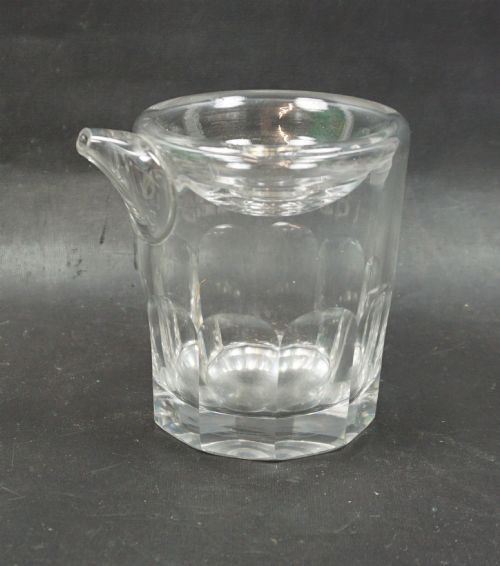
A vintage glass cup covers a wide range of drinking vessels, stretching from early Georgian egg cups and custard cups to Edwardian cordial glasses and Art Deco barware. Buyers searching this phrase encounter both standalone table pieces and fitted drinking components from travel sets.
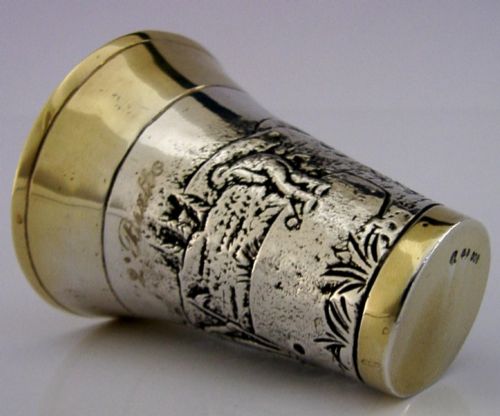
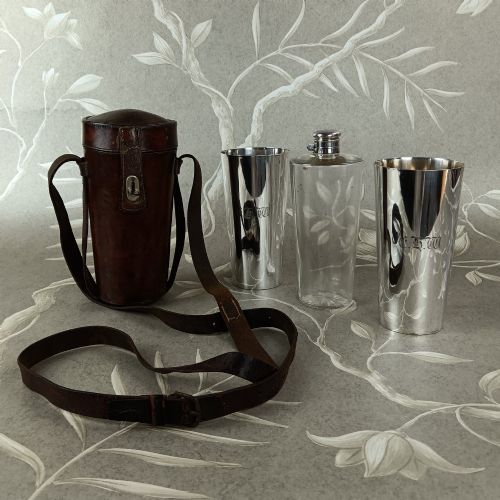
The selections span multiple centuries, incorporating fragile wine glasses, sturdy beakers, and specialised items like feeding cups and jelly glasses. Many examples combine glass with sterling silver, silver plate, or leather casings.
Vessels originating from the eighteenth century sit alongside twentieth-century creations, reflecting diverse social habits from formal dining to field sports and medical administration.
Materials and construction
Makers utilised clear lead glass, cut glass, and coloured varieties such as cobalt, amber, cranberry, and Bristol green. These materials were frequently shaped through blowing or pressing into moulds.
Vintage Glass Cup Retail Price Guide 2026
Typical asking prices for vintage glass cup among the pieces listed under this phrase on Sellingantiques today, from the lower quarter to the upper quarter. They describe what is for sale here now, not the wider market.
Materials represented across the selection include cobalt glass, lead glass, crystal, sterling silver, and crocodile-style leather.
Judging the work
Quality rests in the clarity of the glass, the depth of any cut or engraved decoration, and the precision with which metal mounts fit the glass body. Thicker utility vessels contrast with finely blown display pieces.
The integrity of secondary materials, such as tight stitching on leather sleeves and crisp hallmarking on silver components, distinguishes standard utility items from luxury commissions.
Tiffany and Co·James Dixon and Sons·John Millikin·Asprey London·Elkington
The Vintage Glass Cup Glossary
- Custard cup
- A small vessel designed for serving rich egg-based custards or creams during dessert courses. These pieces often feature handles and stable, footed bases.
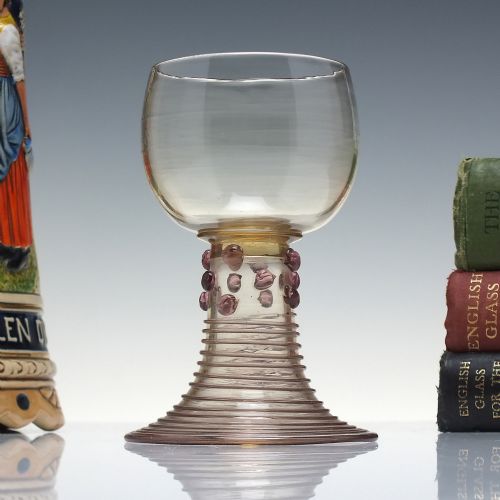
- Roemer
- A traditional Germanic or Central European wine glass featuring a large bowl set on a cylindrical stem decorated with applied prunts. These examples often utilise coloured glass such as amber or green.
- Wrythened
- A decorative spiral pattern twisted into the body of the glass while hot. This technique creates subtle diagonal ribs across the surface.
- Bonnet glass
- A tall, fluted sweetmeat glass popular during the eighteenth century. They take their name from their fancied resemblance to contemporary headwear.
- Prunt
- A small applied blob of molten glass melted onto the stem or base of a vessel to improve grip and decoration.
Vintage Glass Cup: Frequently Asked Questions
How do I use a vintage glass cup safely?
Most antique glass requires gentle hand washing in warm water rather than dishwasher cleaning to protect delicate surfaces, engravings, and silver mounts.
For drinking, ensure any metal components or fitted leather sleeves are securely attached or removed where appropriate before service.
Were these cups used for daily dining?
Many smaller vessels served specific dining functions such as holding custards, jellies, or cordials during formal multi-course meals.
Other forms, like hip flasks and beakers, served outdoor pursuits, travel, and social gatherings.
How do I date a glass cup accurately?
Dating relies upon stylistic markers, pontil marks on the base, manufacturing techniques, and any accompanying silver hallmarks.
Silver mounts often bear assay office marks and date letters that provide a precise year of manufacture.