

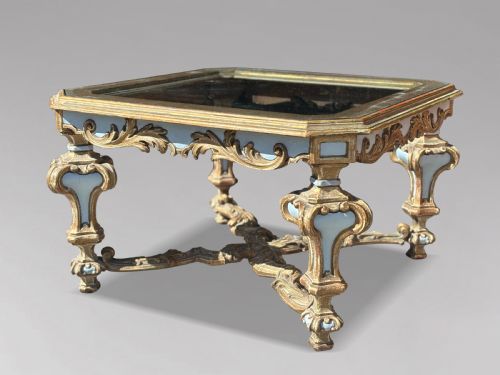


Vintage Glass Centre Table
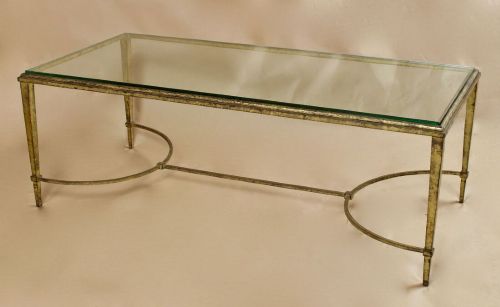
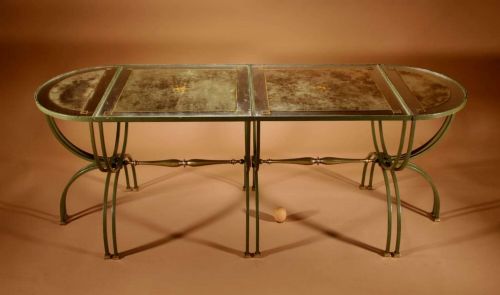
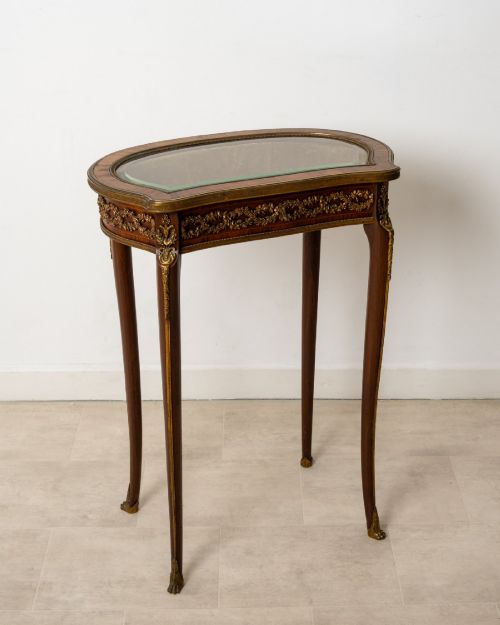
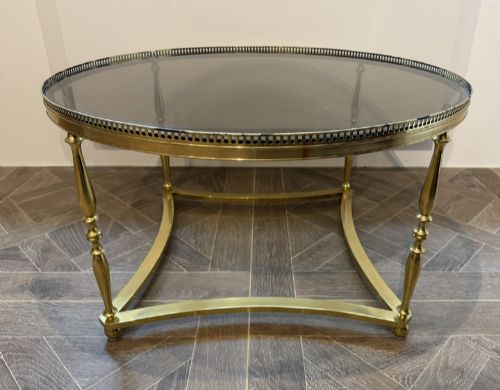
A vintage glass centre table anchors a room with reflective surface and period line, bringing light into the middle of the floor.
Vintage Glass Centre Table
When you search for a vintage glass centre table, you enter a field defined by low occasional surfaces and decorative display pieces spanning the nineteenth and twentieth centuries. These tables serve as functional furniture and decorative centrepieces, placed centrally to draw the eye and reflect surrounding light.
The pieces grouped under this heading encompass distinct forms ranging from low coffee tables to formal centre tables and display centrepieces. You are likely to encounter low coffee tables alongside surface-mounted centrepieces, drawing on design vocabularies from the Victorian era up to the interwar period.
Origins stretch across European workshops, taking in English domestic output, French neoclassical design, and Italian baroque revival forms. Makers and manufacturers utilised specific regional aesthetics, combining timber frames with inset glass tops or mirrored surfaces.
How they were made
Makers built the structural frames of these tables using dense timbers such as walnut, burr walnut, bleached pine, birds eye maple, and rosewood, often pairing them with carved gesso or painted finishes. Metalwork elements in brass and silver plate added structural support and decorative contrast to the timber carcasses.
Glass top insertion required precise joinery to bed transparent, smoked, cut, or silvered glass securely into woodenrebates or metal mounts. Artisans combined traditional cabinetmaking with specialised glass cutting and silvering techniques to achieve reflective, durable surfaces.
Vintage Glass Centre Table Retail Price Guide 2026
Typical asking prices for vintage glass centre table among the pieces listed under this phrase on Sellingantiques today, from the lower quarter to the upper quarter. They describe what is for sale here now, not the wider market.
Listings feature coffee tables and centrepieces spanning the nineteenth century, eighteen-nineties, and nineteen-twenties through to nineteen-thirty.
What varies in quality
The distinction between ordinary and exceptional examples rests upon the selection of timber veneers and the precision of the frame carving. Richly figured grains like burr walnut or birds eye maple paired with hand-cut or silvered glass elevate a piece above simpler pine or brass constructions.
Proportion and decorative restraint dictate the visual success of the piece, where harmonious revival styling or clean modernist lines demonstrate superior design ambition. Structural integrity in the jointing and the quality of the original metal plating determine the lasting standard of the manufacture.
The Vintage Glass Centre Table Glossary
- Art Deco
- A design style from the nineteen-twenties and thirties characterised by geometric lines, streamlined forms, and stylised ornamentation. It favoured sleek materials like birds eye maple, rosewood, and silvered glass.
- Silver Plate
- A thin layer of silver applied to a base metal substrate, commonly brass or copper, to provide a lustrous metallic finish. It was frequently utilised on decorative centrepieces and table mounts during the nineteenth and twentieth centuries.
- Smoked Glass
- Glass treated to have a darkened, translucent appearance, popularised during the twentieth century for occasional and coffee tables. It softened reflected light while retaining a modern polished surface.
- Gesso
- A plaster-like mixture applied to wood frames to create a smooth surface for gilding or painting. Elaborate revival styles employed gesso to render crisp sculptural relief details.
- Burr Walnut
- A highly prized timber veneer sourced from the growth excrescences of walnut trees, yielding intricate swirling grain patterns. It defined high-status cabinetmaking across Victorian and early twentieth-century domestic furniture.
Vintage Glass Centre Table: Frequently Asked Questions
What is a vintage glass centre table used for?
These tables function primarily as central focal points in reception rooms and parlours, providing a flat surface for entertaining essentials, books, or decorative objects. Their reflective glass tops serve to bounce natural light around the room, enhancing the perceived space.
Beyond functional utility, many examples act as sculptural statements that embody the design ethos of periods such as Art Deco or Victorian revivalism. They anchor seating arrangements while introducing distinct material textures like brass, silver plate, and figured wood.
How do I date a glass centre table?
Dating relies on identifying the stylistic markers of the frame, such as the geometric symmetry of nineteen-thirties Art Deco or the heavy carving of Victorian and baroque revival pieces. Timber choices also provide clues, as exotic veneers like birds eye maple point toward the interwar decades.
Examining the underside, construction joints, and the method of glass edge finishing offers further chronological evidence. Machine-bevelling and specific plate glass thicknesses align with industrial advancements of the late nineteenth and early twentieth centuries.
How should I care for a vintage glass top?
Maintenance requires gentle cleaning with non-abrasive glass cleaners applied to a cloth rather than sprayed directly onto the surface, preventing liquid seepage into timber or metal frames. Soft cloths protect both antique silver plate and polished wooden surrounds from accidental scratching.
Placing tables away from direct, prolonged sunlight protects sensitive timbers like rosewood and walnut from fading or drying out. Using coasters and felt pads beneath heavy display items safeguards vulnerable glass inserts from sudden impact.
What distinguishes Art Deco tables?
Art Deco tables are characterised by clean architectural lines, symmetrical compositions, and an embrace of modern industrial materials combined with luxurious woods. Pieces from this era often feature silvered or smoked glass inserts paired with bleached walnut or exotic maple.
Unlike heavily ornamented nineteenth-century revival styles, Art Deco design prioritises streamlined silhouettes and smooth, unblemished surfaces. The decorative focus shifts from applied carving to the natural grain patterns of the timber and the reflective quality of the glass.