



Vintage Glass Case
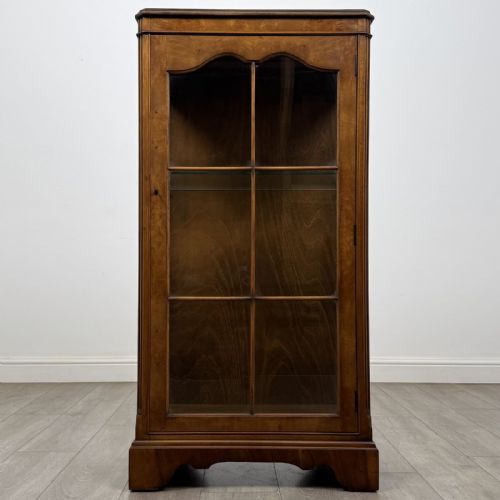
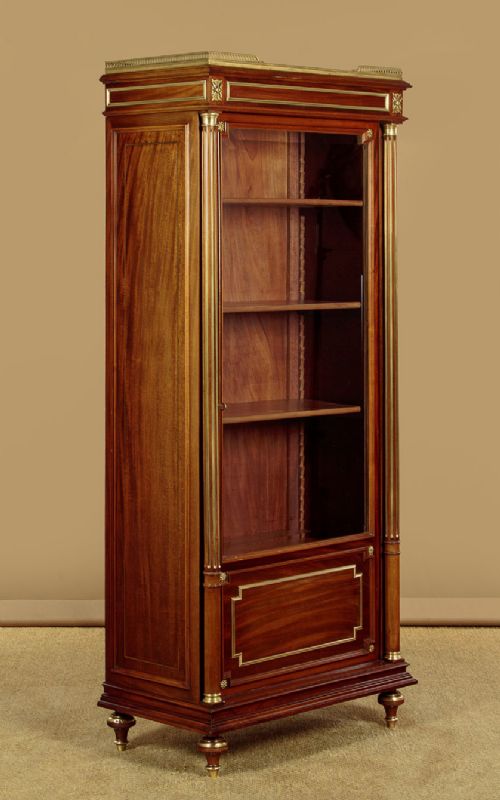
A vintage glass case displays prized possessions securely while offering a clear view from every angle.
Vintage Glass Case
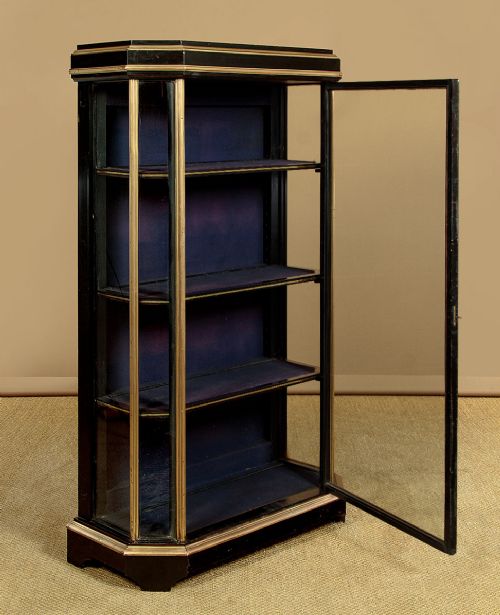
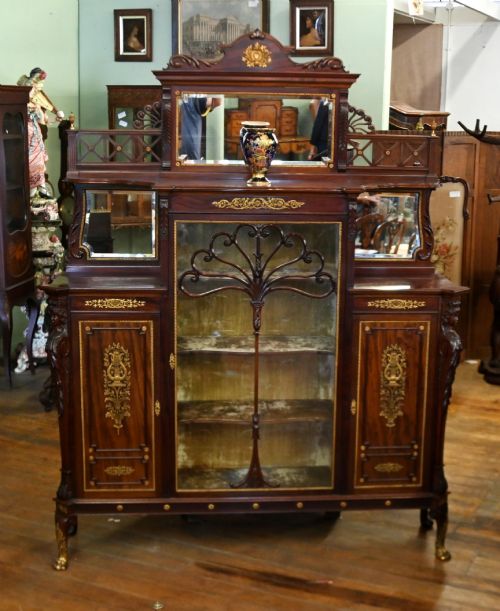
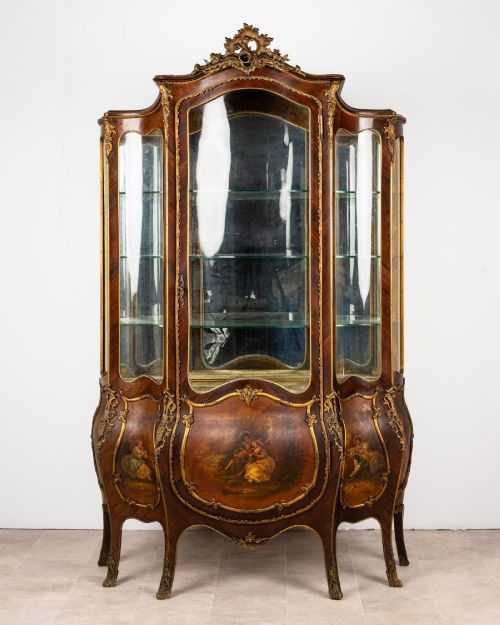
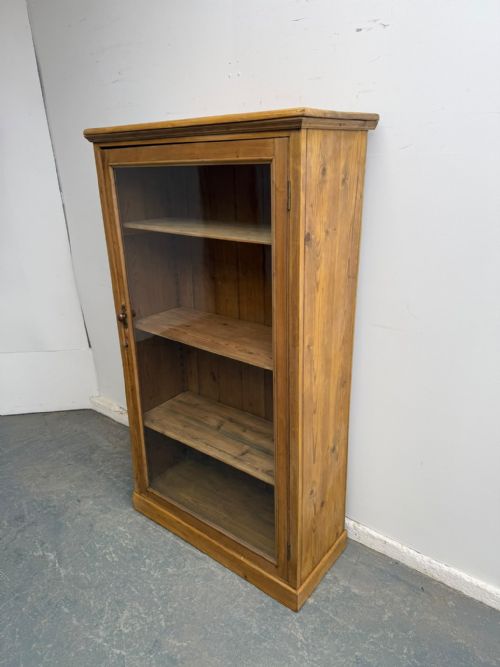
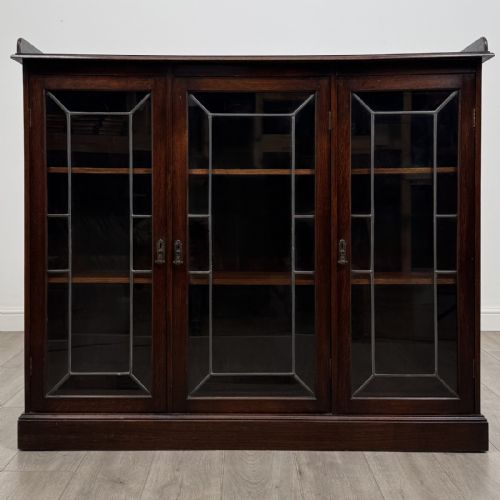
A vintage glass case encompasses a wide variety of glazed furniture and specialist enclosures found on this page. These pieces range from towering mahogany and oak display cabinets to compact countertop vitrines and specialised taxidermy enclosures.
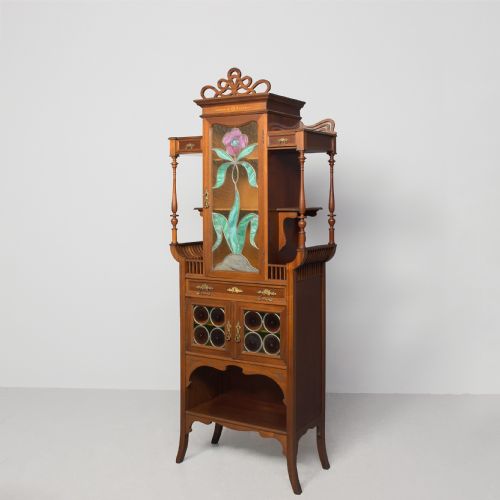
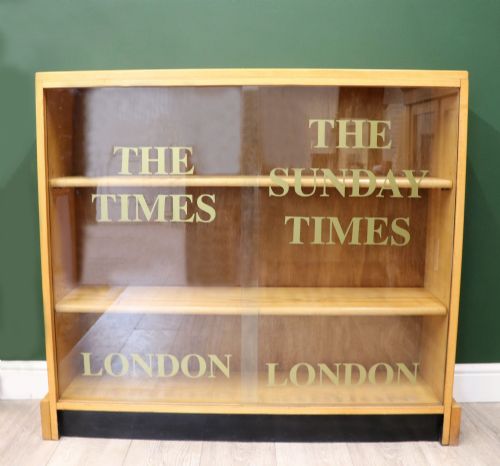
Buyers seeking this phrase most frequently encounter Edwardian and Victorian display cabinets alongside Art Deco bookcases and specialised containers. Materials span solid woods and veneered surfaces fitted with transparent panels to protect contents from dust.
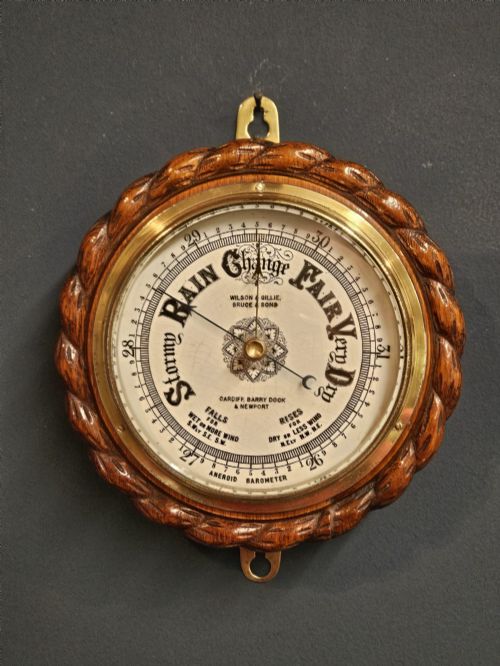
The functional scope extends from domestic china cabinets and shop display units to scientific barographs and preserved specimens. Each iteration serves the dual purpose of containment and visual exhibition within a room.
How they were made
Construction relies heavily on traditional cabinet-making timbers including mahogany, oak, walnut, and satinwood, frequently enhanced by decorative veneer work and inlaid details. Structural integrity depends on sturdy framing designed to support heavy glazed doors and glass shelving.
Glazing techniques involve securing glass panes within wooden rebates or brass mounts, while specialised enclosures incorporate fabric linings, marble tops, or ormolu mounts. Makers utilised tongue-and-groove joints, dovetailing, and carved elements to finish the exterior frames of these cases.
Vintage Glass Case Retail Price Guide 2026
Typical asking prices for vintage glass case among the pieces listed under this phrase on Sellingantiques today, from the lower quarter to the upper quarter. They describe what is for sale here now, not the wider market.
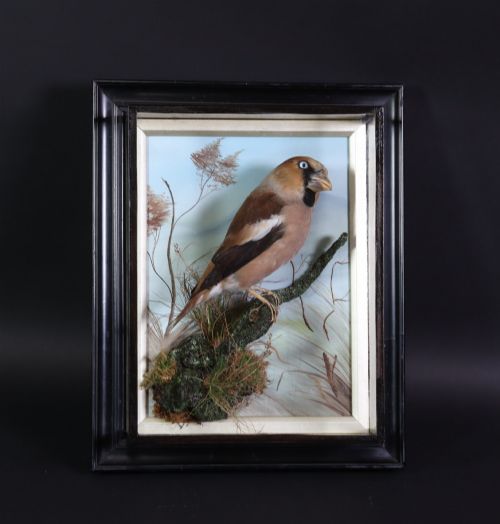
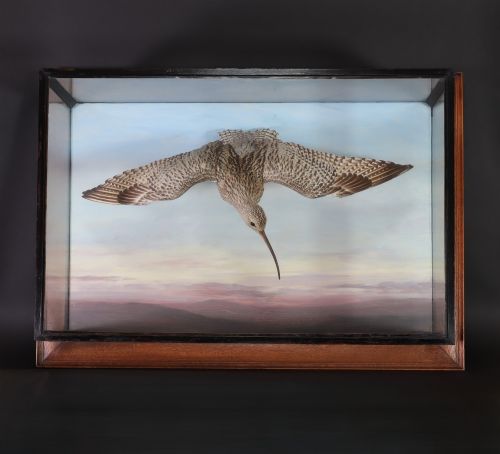
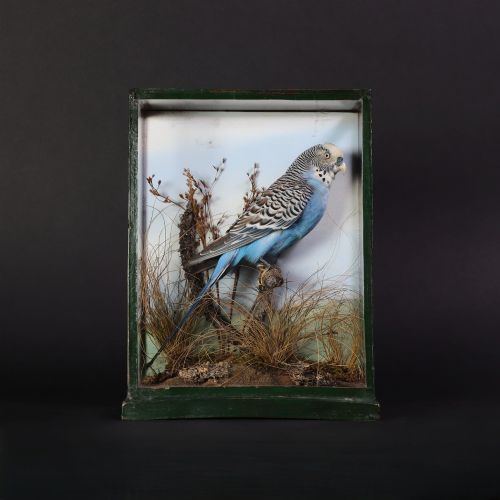
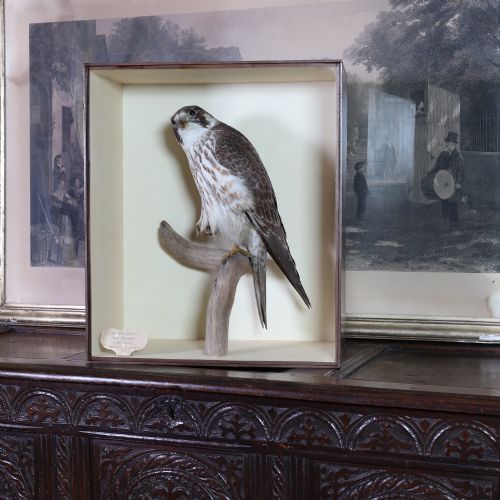
Preserved aquatic life and feathered creatures gaze outward through pristine glass, frozen mid-pose by Victorian taxidermists.
What varies in quality
Quality separates along the lines of timber selection, joinery precision, and the sophistication of decorative embellishments. Superior examples employ highly figured veneers, intricate satinwood inlay, or hand-carved motifs rather than plain, utilitarian surfaces.
The refinement of the hardware, the clarity and thickness of the original glass panels, and the balance of proportions distinguish exceptional pieces from standard production. Higher-grade cabinets maintain original mounts, working locks, and harmonious proportions that reflect the aesthetic standards of their period.
Raine of Carlisle·Cullingford of Durham·Little and Co·James Dixon and Sons·T. E. Gunn
The Vintage Glass Case Glossary
- Vitrine
- A glass-panelled cabinet designed specifically for displaying fine objects, porcelain, or curiosities. These pieces often feature glazed sides to maximise light penetration.
- Sheraton Revival
- A late nineteenth and early twentieth century style drawing inspiration from the lighter, neoclassical furniture designs of Thomas Sheraton. Pieces typically incorporate satinwood inlay and refined proportions.
- Ormolu
- Gilt bronze mounts applied as decorative ornaments to furniture corners, feet, or cornices. This technique adds metallic contrast to rich timber surfaces.
- Barograph
- A self-recording aneroid barometer that charts atmospheric pressure onto a rotating paper drum housed beneath a glass cover. These scientific instruments combine mechanical movement with protective display housing.
- Inlay
- A decorative technique where pieces of contrasting wood, shell, or metal are inserted into recessed cavities flush with the surrounding surface.
Vintage Glass Case: Frequently Asked Questions
How do I clean a vintage glass case?
Use a soft, lint-free cloth and a mild glass cleaner sprayed onto the cloth rather than directly onto the glass, preventing liquid seepage into wooden frames. Clean wooden surfaces with a suitable wax, avoiding silicone-based polishes that can damage older finishes over time.
Inspect the joints periodically to ensure dust does not accumulate in hard-to-reach crevices. Gentle maintenance preserves both the transparency of the glass and the integrity of the surrounding timber.
Can these cabinets support heavy items?
Load capacity depends entirely on the construction of the shelves and the structural support of the frame. Solid oak and mahogany frameworks generally handle heavier china and books, whereas delicate satinwood or wall-mounted vitrines suit lighter decorative objects.
Verify the condition of shelf supports and internal brackets before loading the case. Distributing weight evenly prevents sagging and protects the antique joinery from undue stress.
How do I date a glass display case?
Examine the timber species, construction methods, and stylistic cues such as Edwardian inlay or Art Deco geometric lines. Secondary woods at the back and interior drawer construction often reveal the manufacturing era more accurately than exterior styling alone.
Hardware styles, including hinges, key escutcheons, and locks, provide further chronological markers. Comparing these details against documented period furniture helps narrow down the decade of origin.
Where should I place a glass case at home?
Position cases away from direct sunlight to prevent timber fading and the degradation of interior fabrics or preserved contents. Stable ambient temperatures protect antique glues and prevent wood from warping in fluctuating humidity.
Ensure the floor surface is level so the doors hang true and latch correctly without straining the frame. Placing the piece in a low-traffic area also minimises accidental knocks to the glass panels.