

Vintage Glass and Silver
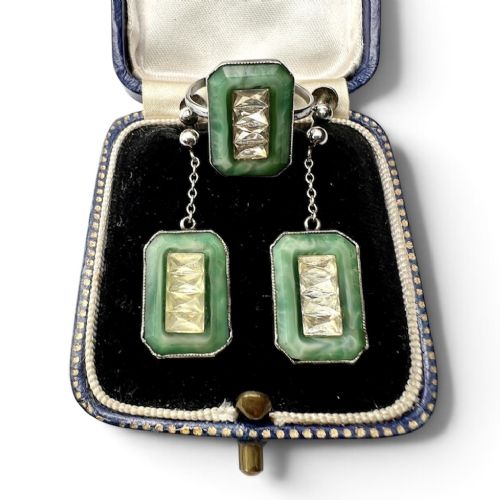
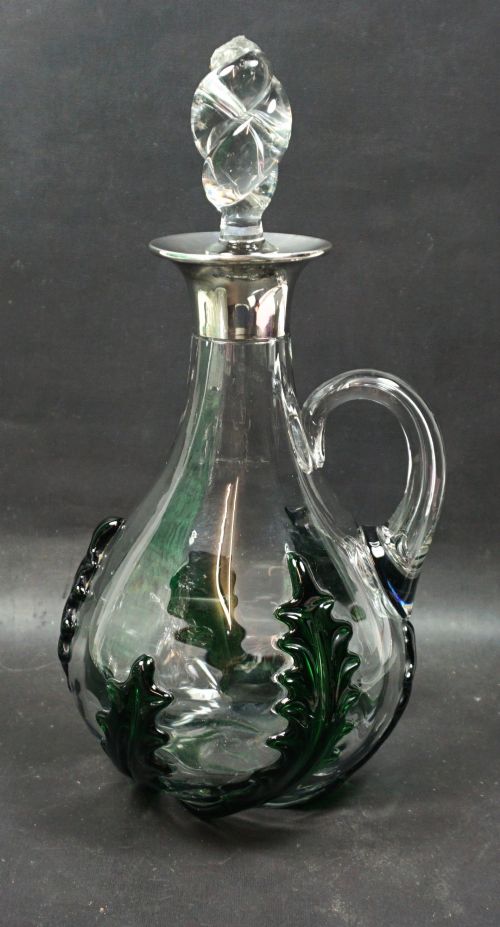
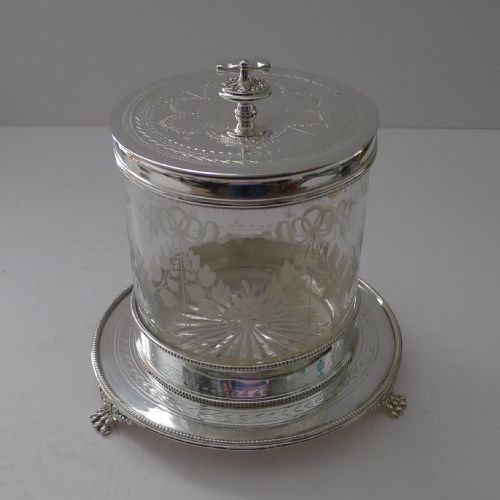
Vintage glass and silver combinations bring together brilliant refraction and precious metal mounts across periods from the Victorian era to the mid-century.
Vintage Glass and Silver
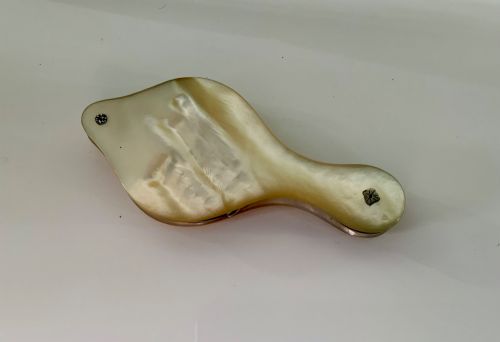
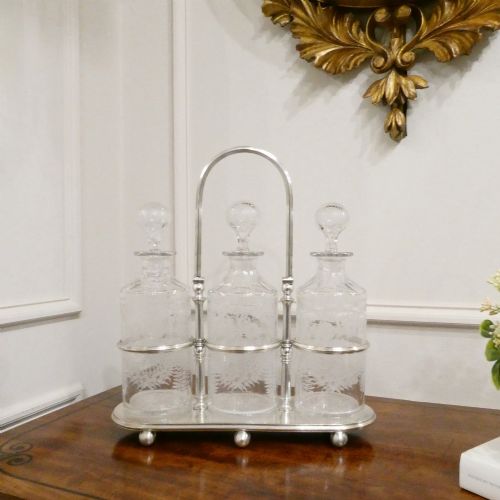
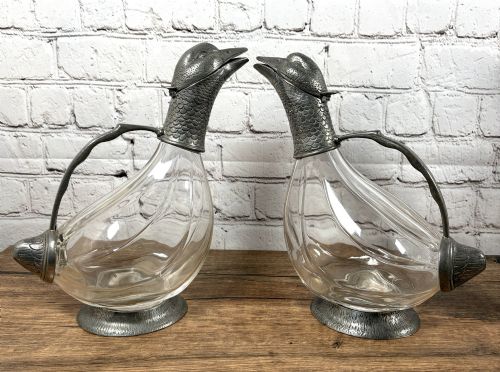
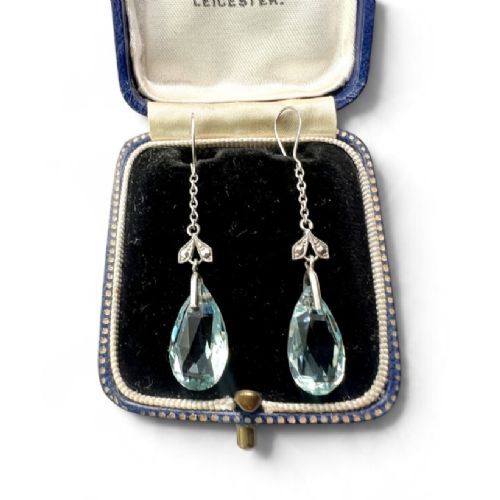
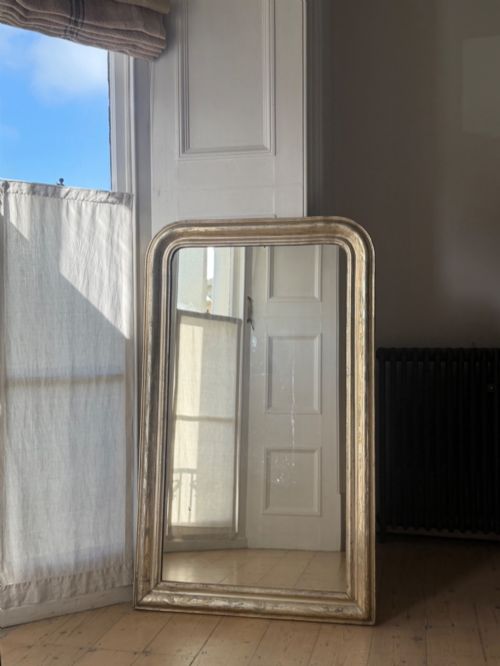
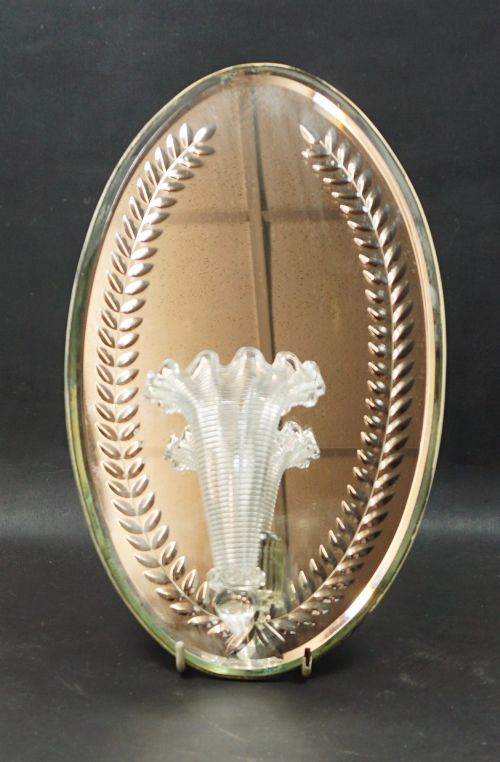
Vintage glass and silver items span practical table accessories, lighting, and dressing table objects that combine vitreous bodies with metallic mounts. Buyers seeking these pieces will find functional barware, scent bottles, and cruet sets alongside decorative mirrors and lighting fixtures.
The objects originate from diverse periods including the Edwardian era, the 1920s, and the 1930s Art Deco movement. Tableware and desk accessories dominate the forms, frequently pairing cut glass or crystal with sterling silver or silver plate.
Materials and construction
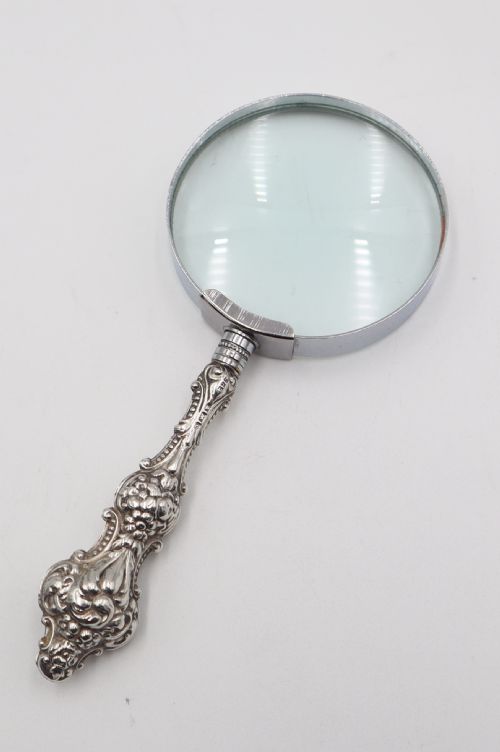
Glass components rely on traditional moulding, cutting, or enamel painting techniques to create textured or coloured surfaces. Metal mounts utilise sterling silver, solid 800 silver, or silver plate shaped to fit collars, lids, and handles.
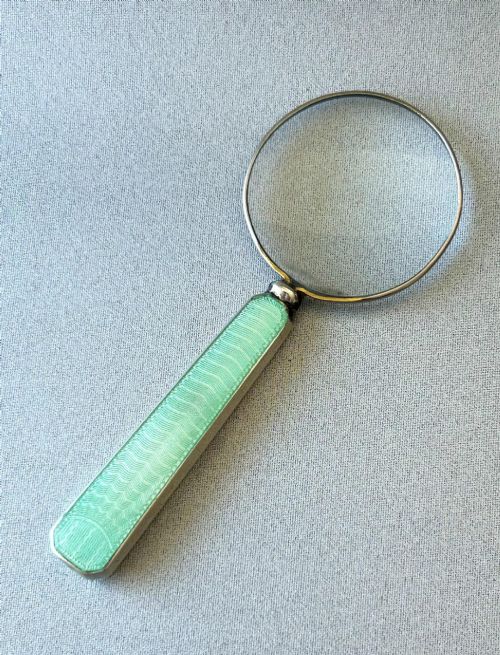
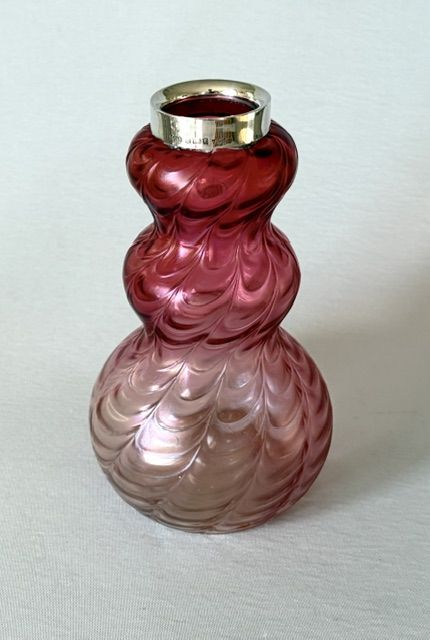
Makers secure metal collars and mounts to glass bodies using specialised adhesives or mechanical fittings designed to withstand regular use. Enamel work and guilloche decoration often add surface colour to the silver components.
Vintage Glass and Silver Retail Price Guide 2026
Typical asking prices for vintage glass and silver among the pieces listed under this phrase on Sellingantiques today, from the lower quarter to the upper quarter. They describe what is for sale here now, not the wider market.
Current listings feature items from the 1880s through the 1960s, combining cut glass, crystal, and sterling silver.
Determinants of quality
Quality rests upon the crispness of the glass cutting, the clarity of the crystal, and the weight of the silver mounts. Heavier gauge silver and deeply faceted glass denote superior production standards.
Maker marks and hallmarks provide provenance and confirm metal purity, while intact enamel and undamaged glass surfaces elevate the overall standard of preservation.
A. J. Pepper & Co·Goldsmith & Silversmith's·Henry Clifford Davis·Hermes, Paris·Tiffany & Co
The Vintage Glass and Silver Glossary
- Sterling silver
- An alloy containing 92.5 percent silver by mass, widely used for mounts and tableware. Hallmarks often verify this standard.
- Silver plate
- A base metal coated with a thin layer of silver. This technique provided an accessible alternative to solid silver.
- Guilloche enamel
- A decorative technique where enamel is applied over engine-turned metal. It creates repeating geometric patterns beneath translucent colour.
- Cut glass
- Glass shaped and patterned by abrasive wheels. The process produces sharp facets that refract light.
- Tantalus
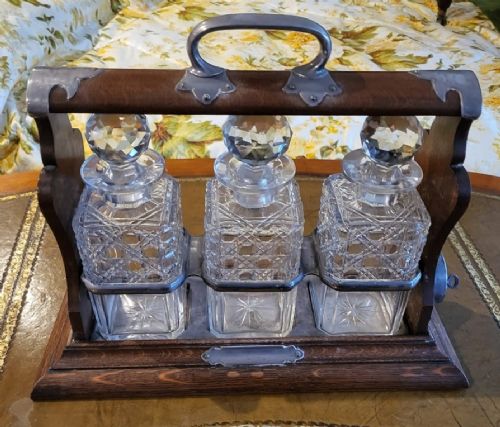
- A locking wooden frame holding decanters visible yet secured. It prevents access without a key.
Vintage Glass and Silver: Frequently Asked Questions
What periods are common for these items?
The pieces span the Victorian, Edwardian, and Art Deco periods, extending into the mid-century era. Each era brings distinct design motifs to the metalwork and glass.
Victorian and Edwardian items often feature ornate floral or scroll patterns, while 1920s and 1930s examples favour geometric lines.
Are these items suitable for daily use?
Many items, such as decanters, barware, and cruet sets, were designed for practical service. Careful handling ensures they remain functional in modern settings.
Pieces with delicate enamel work or antique glass liners require gentler treatment than solid metal items.
How do I identify a silver plate from solid silver?
Hallmarks indicate solid sterling silver, showing symbols such as a lion passant for British manufacture. Silver plate typically lacks these official assay marks.
Wear over time can also reveal the base metal beneath a plated surface.