



Vintage Gilt Pier Mirror
A vintage gilt pier mirror brings architectural presence to a room, designed originally to hang on the narrow wall between tall windows.
Vintage Gilt Pier Mirror
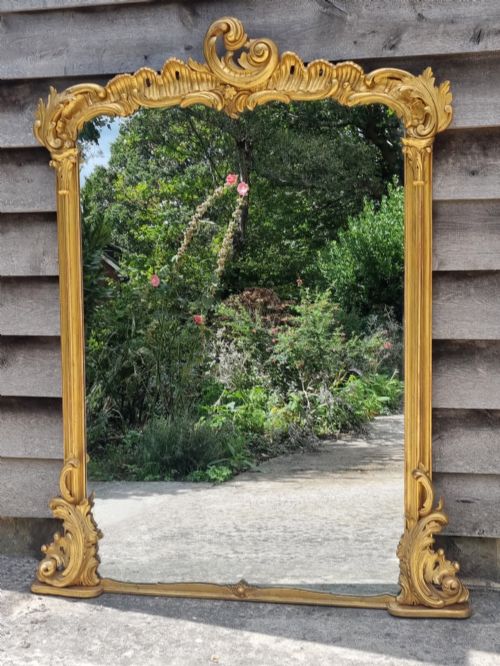
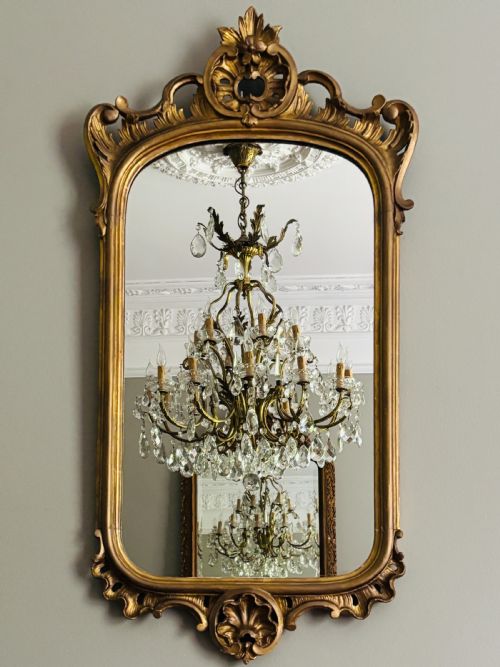
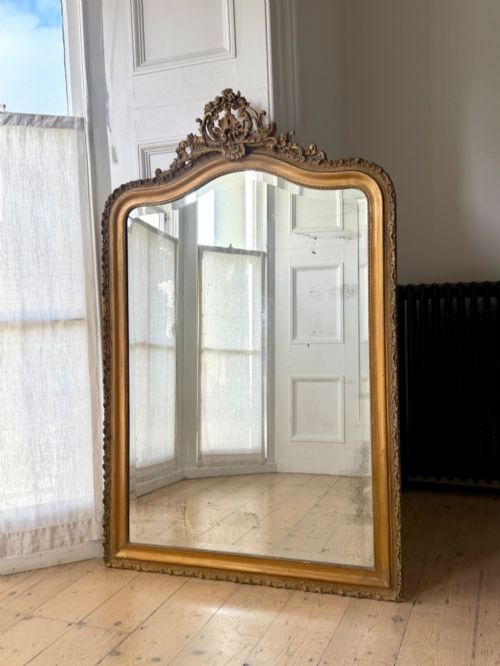
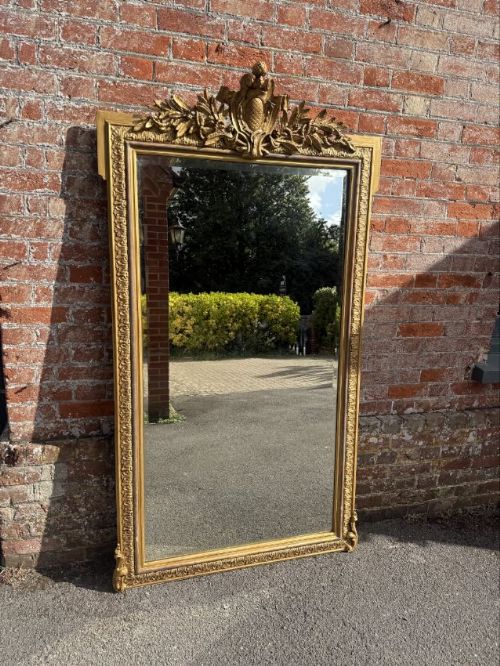
A vintage gilt pier mirror represents a specific lineage of tall wall-hanging glasses, frequently paired historically with console tables to bounce daylight around a reception room. When searching for a vintage gilt pier mirror, buyers encounter numerous nineteenth-century French examples alongside eighteenth-century Georgian and Edwardian interpretations.
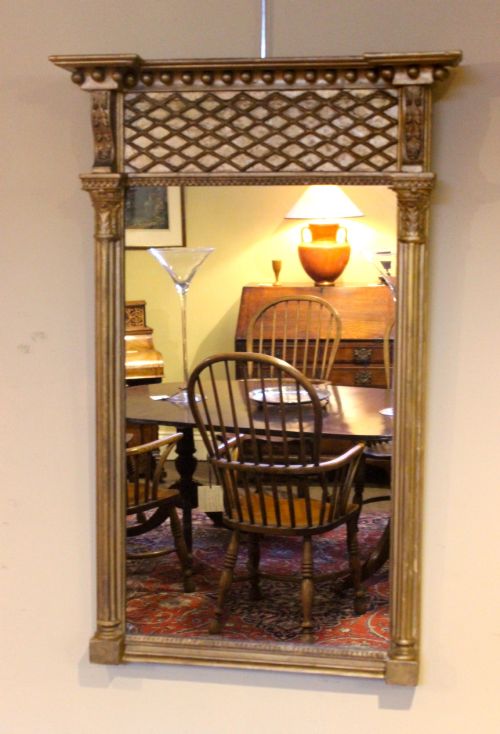
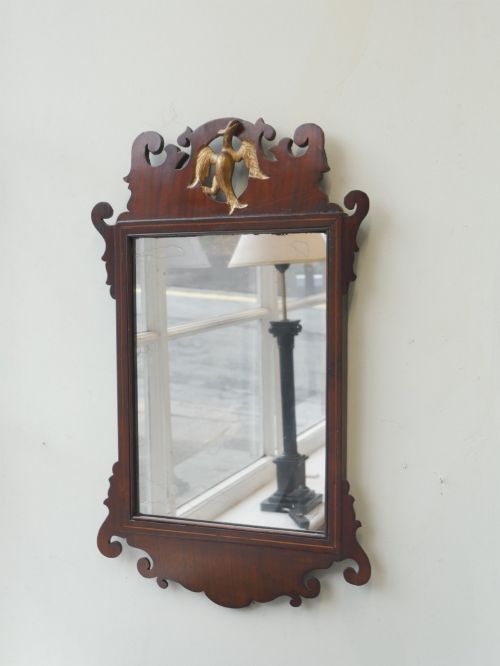
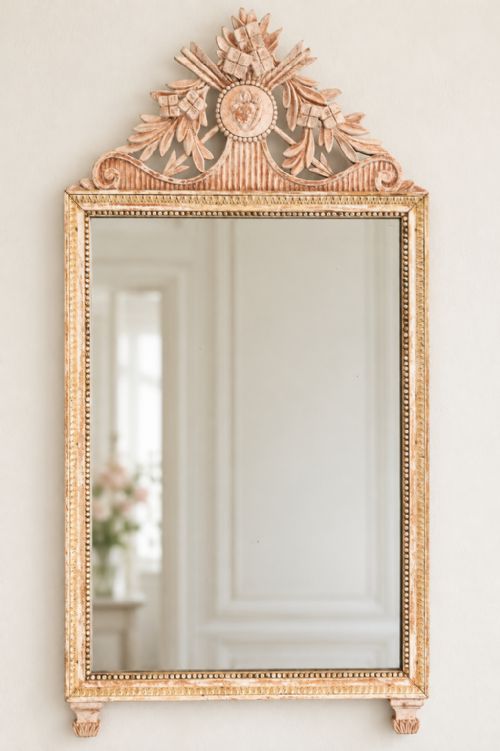
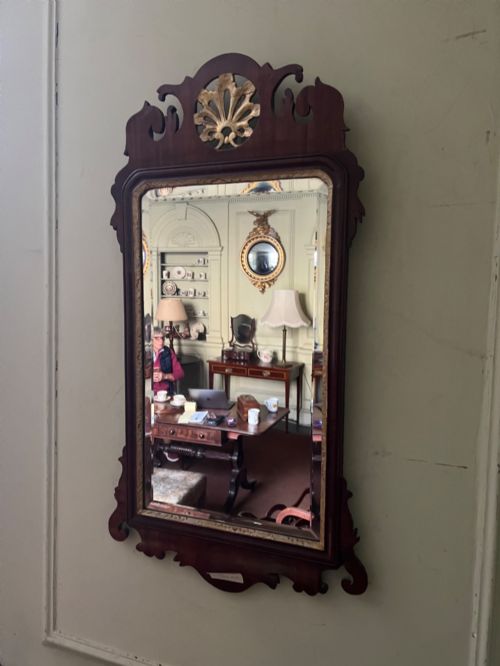
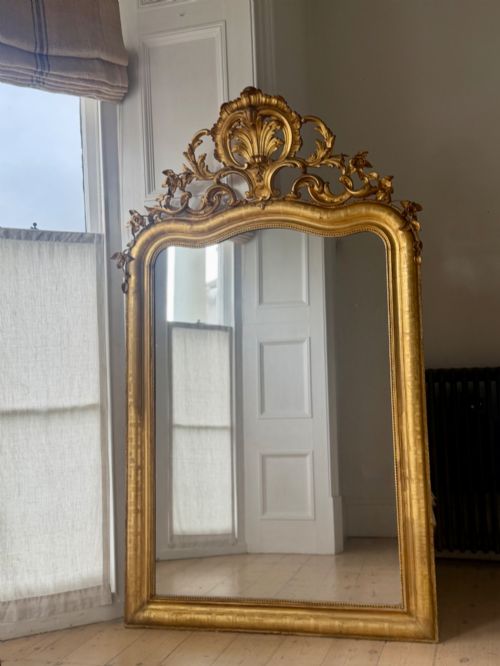
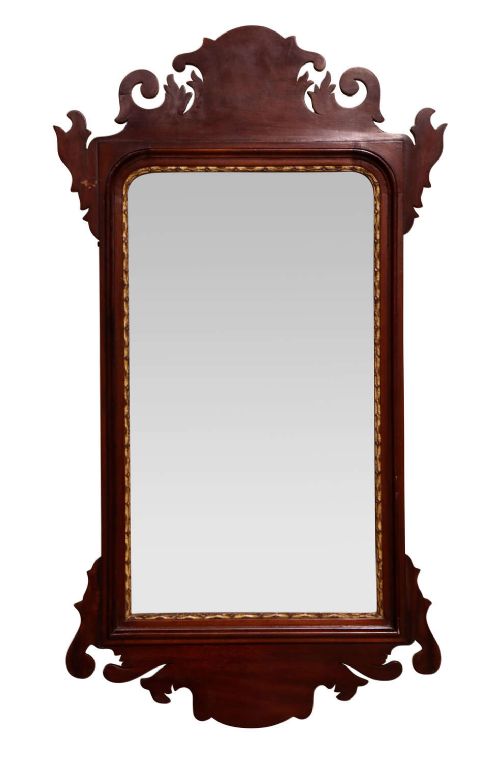
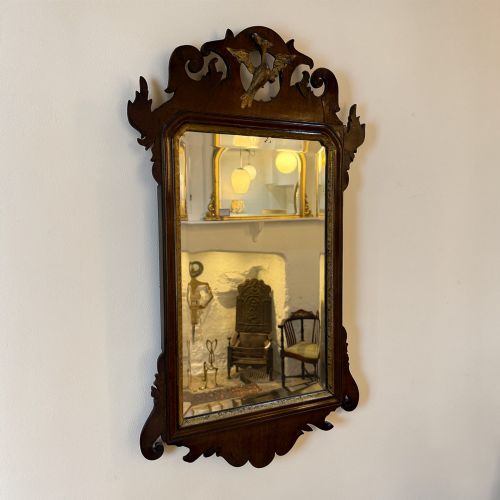
The surviving forms span grand proportions suitable for high-ceilinged drawing rooms down to smaller fretwork pieces in mahogany and parcel gilt. Many examples adopt French Rococo Revival or Louis XV idioms, featuring shaped tops and elaborate carved crests designed to draw the eye upwards.
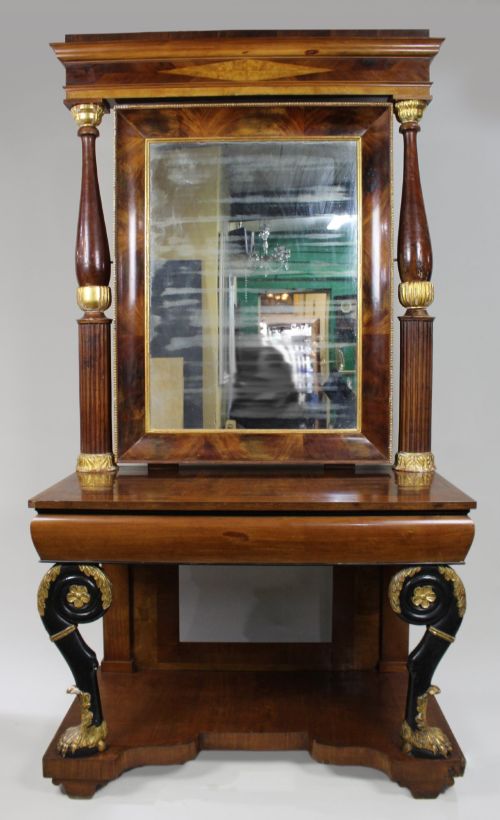
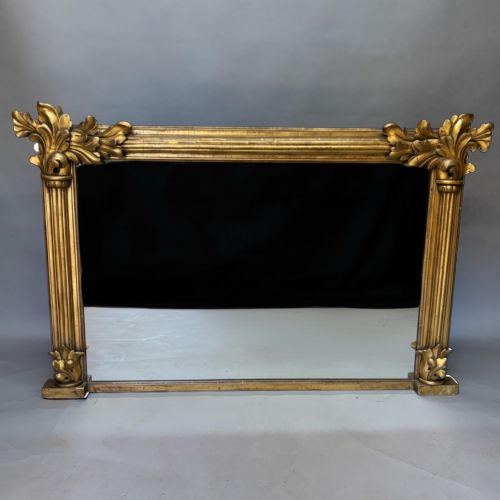
Beyond purely decorative wall mirrors, the selection includes specialised trumeau panels and matching console tables that retain their original architectural context. The materials shift between heavy carved giltwood, gesso over wood, and painted finishes accented with gilding.
How they were made
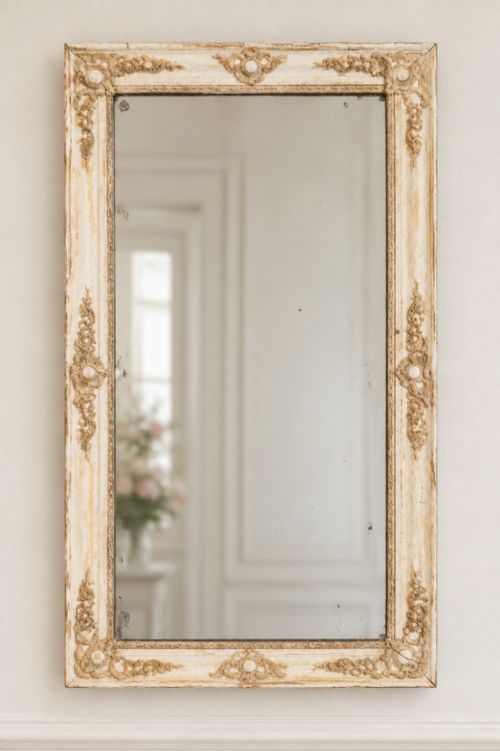
Carvers shaped soft woods like pine or mahogany before applying coats of gesso, a plaster-like mixture that received intricate hand-carved details and mouldings. Artisans then applied gold leaf or liquid gold paint over the prepared surfaces, burnishing selected areas to create contrast.
Early glass plates relied on mercury backing techniques or early bevelling methods, producing characteristic distortions and depth compared to modern float glass. Frames often utilised mortise and tenon joinery for structural stability, supporting the considerable weight of the mirror plate.
Vintage Gilt Pier Mirror Retail Price Guide 2026
Typical asking prices for vintage gilt pier mirror among the pieces listed under this phrase on Sellingantiques today, from the lower quarter to the upper quarter. They describe what is for sale here now, not the wider market.
Materials recorded across the selection include giltwood, gesso, mercury glass, mahogany, and painted wood.
What varies in quality
The crispness of the hand-carving separates routine joinery from superior craftsmanship, particularly in the depth and undercut relief of foliate scrolls and crests. Original gilding surfaces that retain their warm, aged patina without heavy overpainting demonstrate better preservation.
The integrity of the glass plate matters greatly, with surviving mercury or early bevelled mirror plates offering a softer reflection than later replacements. Structural soundness in the underlying wooden frame ensures the piece can support its own weight safely on a wall.
The Vintage Gilt Pier Mirror Glossary
- Pier glass
- A tall mirror specifically proportioned to hang on the narrow pier of wall space between two windows. It often sat directly above a matching console table.
- Gesso
- A fine plaster mixture applied to wood frames to provide a smooth, mouldable surface for carving and subsequent gilding. Artisans built up layers before impressing or carving decorative motifs.
- Parcel-gilt
- Woodwork finished with selective gilding on carved highlights, leaving areas of natural wood or painted surfaces exposed. Mahogany and walnut pieces frequently utilised this technique.
- Trumeau
- An interior architectural panel containing a painted scene or mirror, designed to fit into wall panelling above a mantelpiece or between windows. French examples often incorporate pastoral scenes beneath the glass.
- Fretwork
- Openwork patterns created by piercing thin wood with a fretsaw, popular in Georgian and Chippendale style frames. This technique produced light, geometric or scrolling borders.
Vintage Gilt Pier Mirror: Frequently Asked Questions
Where should a pier mirror hang?
Historically, pier mirrors hung on the narrow wall between two windows, positioned directly above a low console table to maximise natural light in a room. Today, they work effectively in entrance halls, living rooms, or above mantelpieces where height can be emphasised.
Because many examples possess substantial proportions, secure wall fixings into solid masonry or studwork are essential for safety. Placing them opposite a window will continue their original function of brightening darker corners.
How do I identify a French Rococo mirror?
French Rococo mirrors are characterised by asymmetrical scrollwork, C-scrolls, floral motifs, and organic, shell-like cartouches. The frames often feature curved, flowing lines that avoid rigid symmetry.
Many examples from this tradition also include shaped crests and heavily carved shoulders, reflecting the decorative tastes of the Louis XV period.
What is mercury glass?
Mercury glass refers to antique mirror plates produced by pouring a tin and mercury amalgam behind the glass sheet. This process created a deep, mottled reflection with characteristic dark spots and soft distortion.
While modern mirrors provide a clinical reflection, genuine mercury glass offers a warmer, atmospheric quality valued by collectors.
Are these mirrors heavy?
Yes, traditional giltwood and gesso mirrors are considerably heavier than modern decorative alternatives due to the dense wooden frames and thick glass plates. The combination of solid wood, layered gesso, and heavy glass requires robust hanging hardware.
Professional installation using appropriate wall anchors is strongly recommended to support the weight securely.