
Vintage Gilt Light Fitting
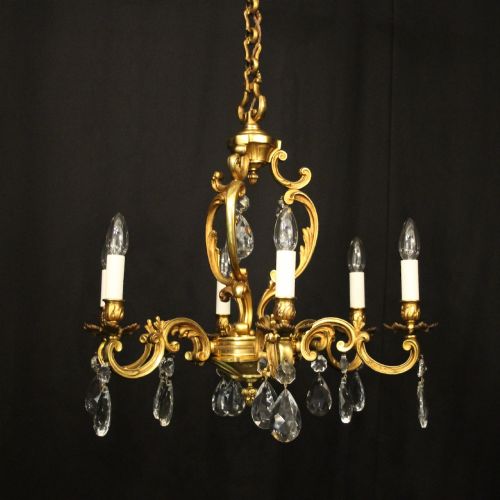
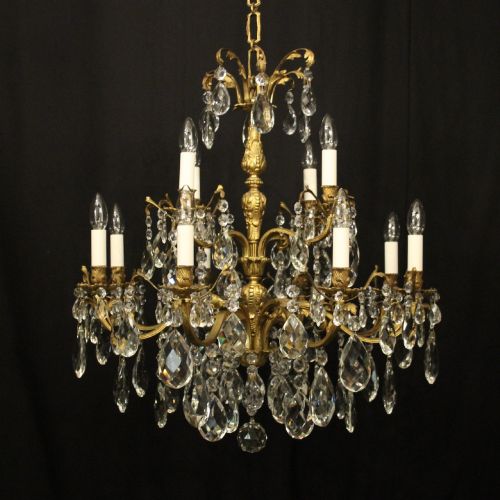
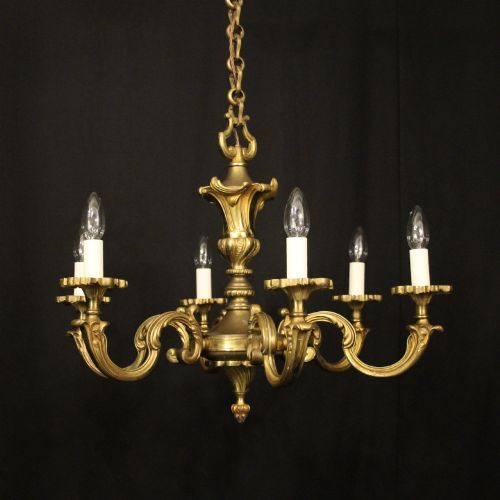
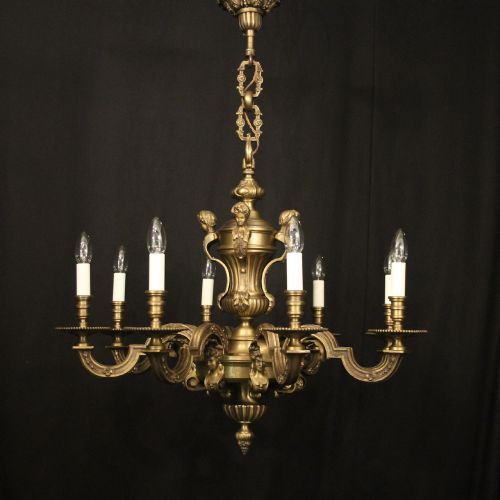
A vintage gilt light fitting brings warmth and theatrical shadow to a room through gilded metalwork and suspended crystal drops.
Vintage Gilt Light Fitting
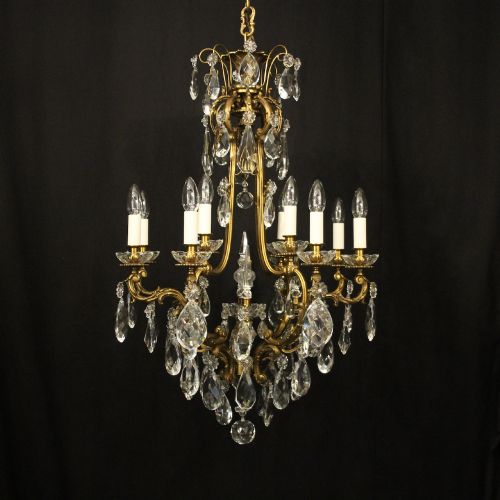
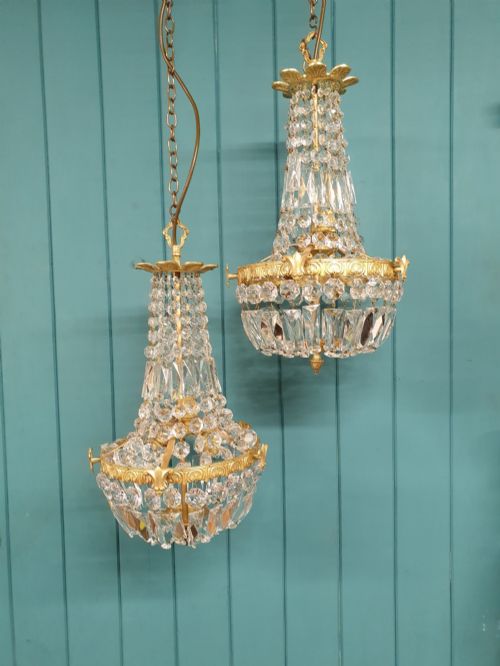
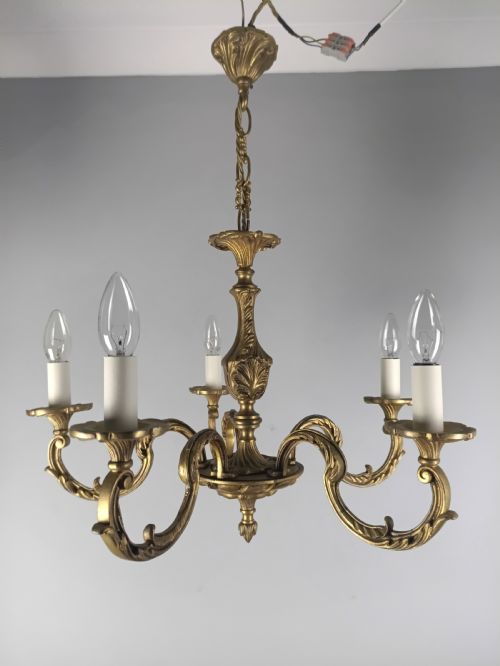
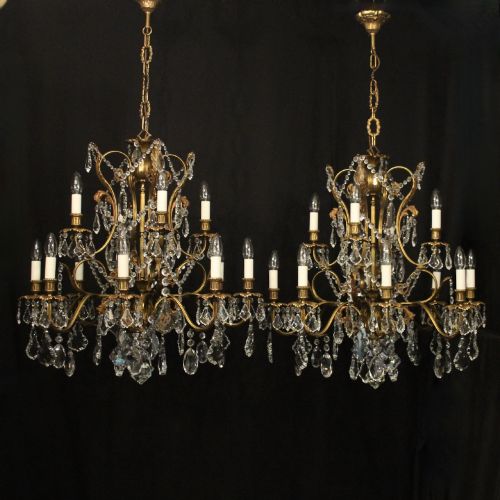
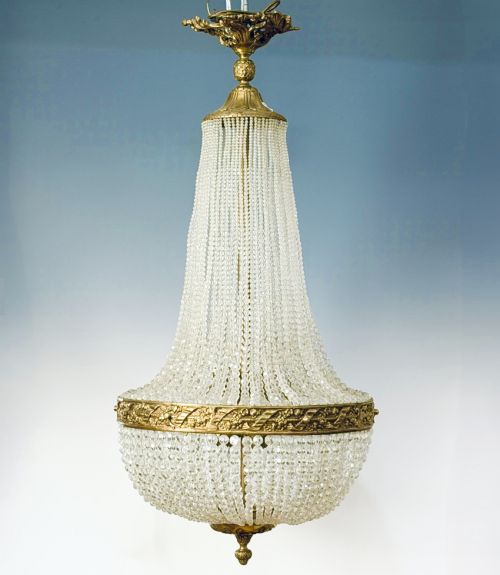
A vintage gilt light fitting encompasses multi-armed chandeliers, hall lanterns, wall lights, and table lamps originating primarily from French and Italian workshops. The selections span the nineteenth century through the nineteen-thirties, covering Edwardian and period styles such as Empire, Neoclassical, and Rococo Revival.
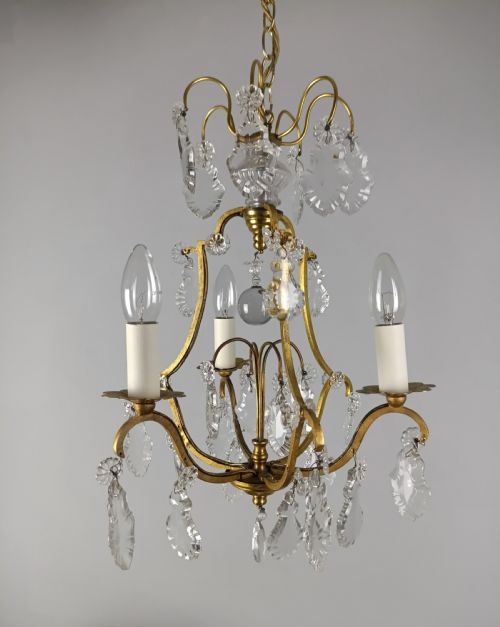
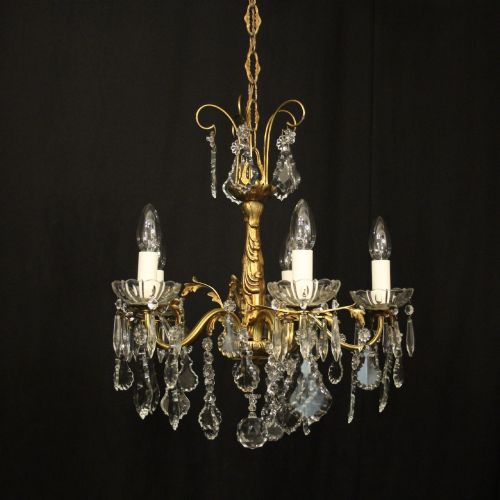
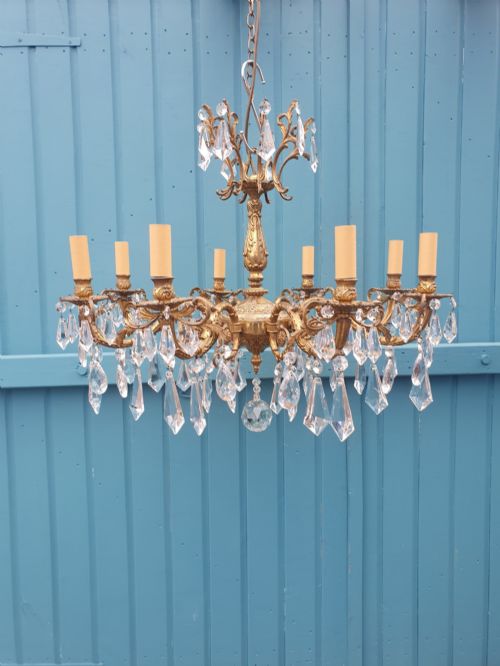
Chandeliers dominate the inventory, ranging from compact three-arm fixtures to substantial multi-light configurations hung with crystal prisms and drops. Buyers regularly encounter wall lights and table lamps constructed alongside these ceiling fittings, utilising matching brass, bronze, and gilt metal components.
Materials and Technique
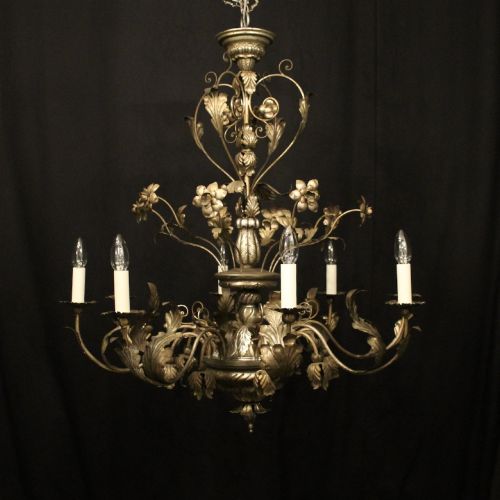
The construction relies heavily on cast bronze, brass, spelter, and gesso applied over carved wood, treated with surface gilding or silver-gilding. Metal armature forms the structural skeleton that supports arms, branches, and lanterns.
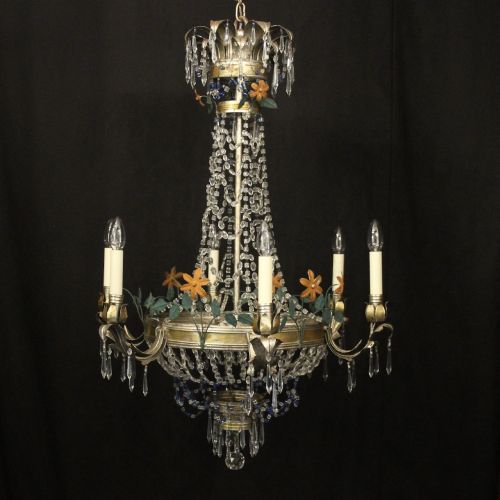
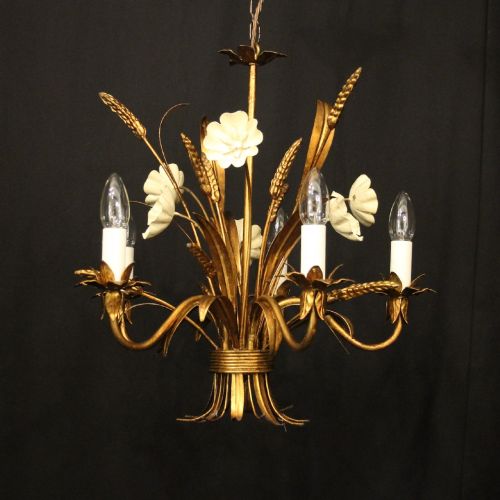
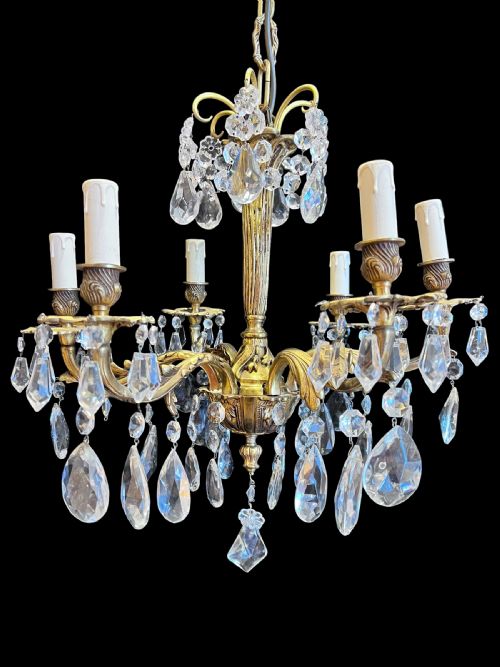
Cut glass, crystal prisms, porcelain flowers, and tolewear elements are wired or pinned directly to the metal frame. Coloured crystals, amber teardrops, and coffin prisms often accent the primary illumination points.
The inventory records French and Italian origins predominantly, spanning styles from Neoclassical and Empire to Baroque and Rococo Revival across the nineteenth and twentieth centuries.
Distinguishing Merit
Quality rests in the crispness of the metal casting, the depth of the original gilding, and the integrity of the glass elements. Heavier bronze and brass foundations hold fine chased detail that lighter stamped metals lack.
The sophistication of the glass drops and prisms dictates visual success. Hand-cut crystal facets and integrated porcelain or ceramic floral additions elevate the overall presence of the fixture.
G.E.C
The Vintage Gilt Light Fitting Glossary
- Gilt bronze
- An alloy treated with a layer of gold leaf or mercury gilding. This technique provides a durable, warm metallic sheen across the body of the light fitting.
- Crystal drops
- Cut glass pendants suspended from the arms or crown of a chandelier. They refract light outward to illuminate the surrounding space.
- Tolewear
- Painted sheet metal shaped into decorative foliage or floral components. It often introduces colour and organic form to French light fixtures.
- Hall lantern
- An enclosed ceiling light designed for transitional spaces and hallways. These fittings frequently use bevelled glass panels held within a gilded metal frame.
- Coffin prisms
- Elongated, flat-cut glass drops common in early twentieth-century lighting. Their geometric cut produces distinct light reflections.
Vintage Gilt Light Fitting: Frequently Asked Questions
How do I clean a vintage gilt light fitting?
Dust the metalwork gently with a soft brush to protect the delicate gilt surface. Remove glass drops individually for washing in warm soapy water before drying thoroughly.
Avoid harsh chemical cleaners that strip historical gilding from bronze or brass components. Regular maintenance preserves the original finish of the metal.
Can these chandeliers be rewired for modern ceilings?
Most antique fittings accept modern electrical wiring through their central channels. Qualified electricians can adapt older brass and bronze arms safely.
Ensure the hanging weight is supported adequately by ceiling joists rather than plaster alone. Professional installation protects the structural integrity of heavier multi-light chandeliers.
What distinguishes French Empire style from Rococo Revival?
Empire style relies on symmetrical neoclassical motifs, laurel wreaths, and restrained geometric lines. The silhouette remains structured and formal.
Rococo Revival introduces asymmetrical curves, scrolling foliage, and exuberant ornamentation. These pieces favour naturalistic asymmetry over strict classical balance.
How do I date a gilt light fitting?
Examine the casting quality, fastening screws, and wiring channels for period indicators. Nineteenth-century pieces often display hand-chased bronze work and heavier structural components.
Twentieth-century examples incorporate distinct prism cuts and standardised electrical fittings. Comparing stylistic markers like tolewear flowers helps narrow the production era.