


Vintage Gilt Box
A vintage gilt box brings centuries of refined storage to a room, offering small-scale elegance in brass, ormolu, and silver gilt.
Vintage Gilt Box
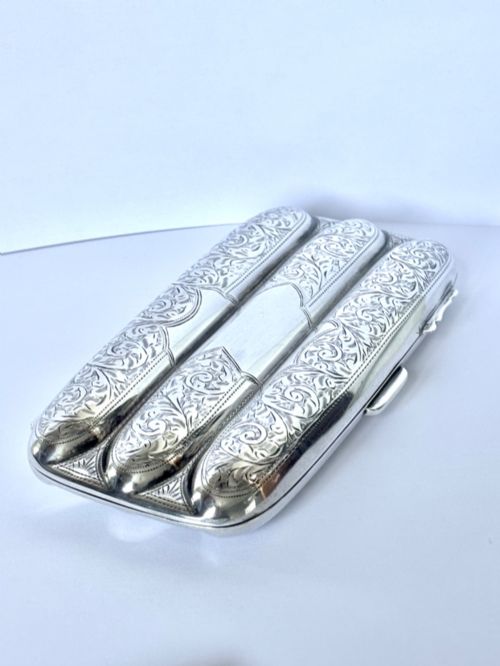
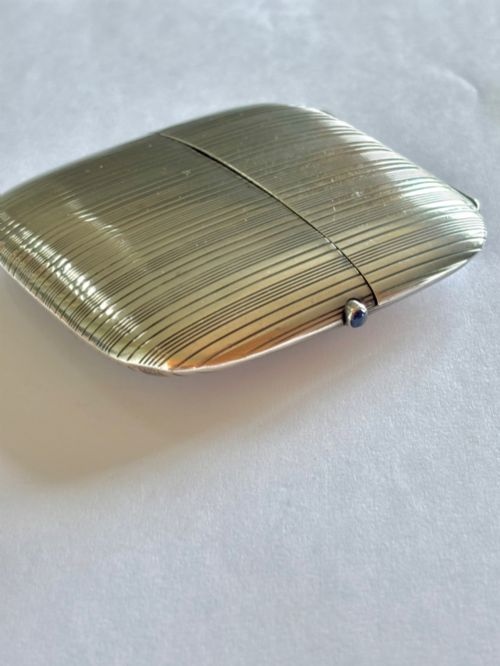
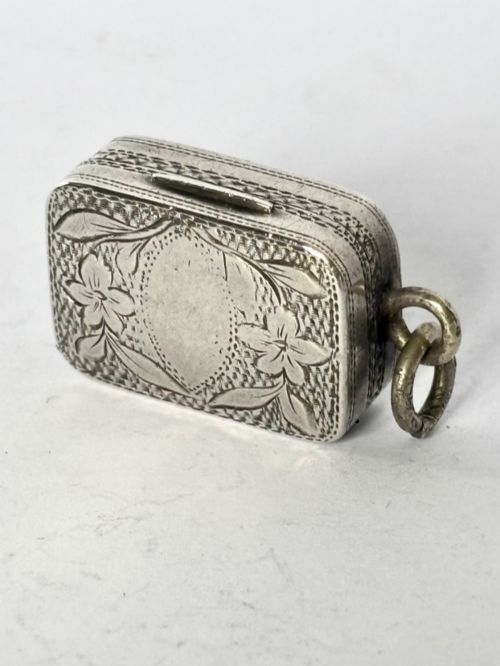
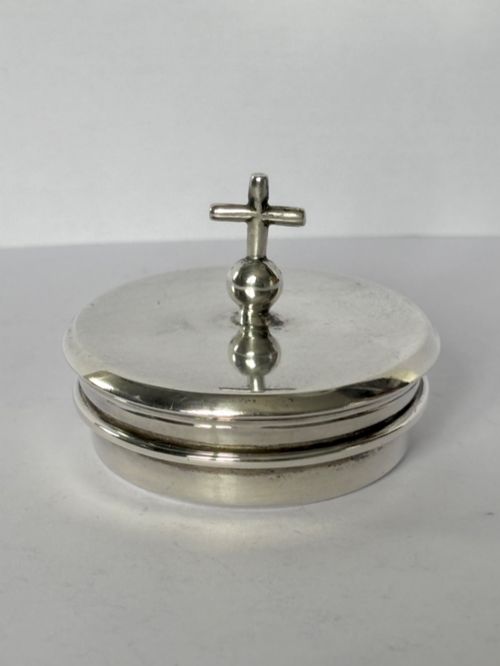
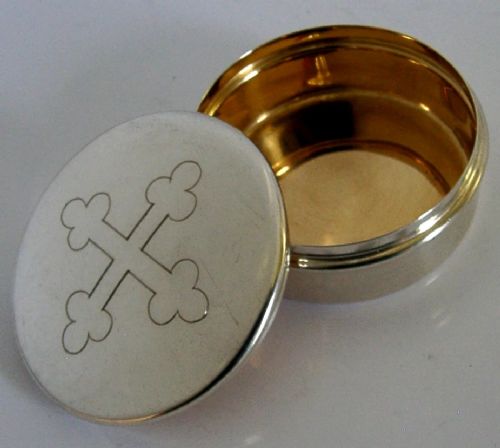
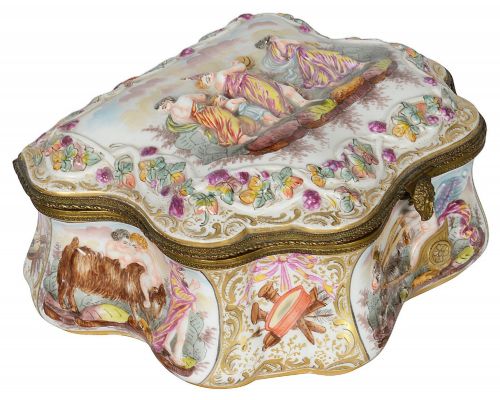
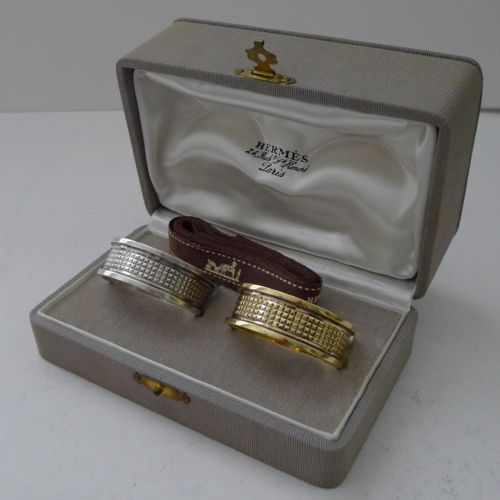
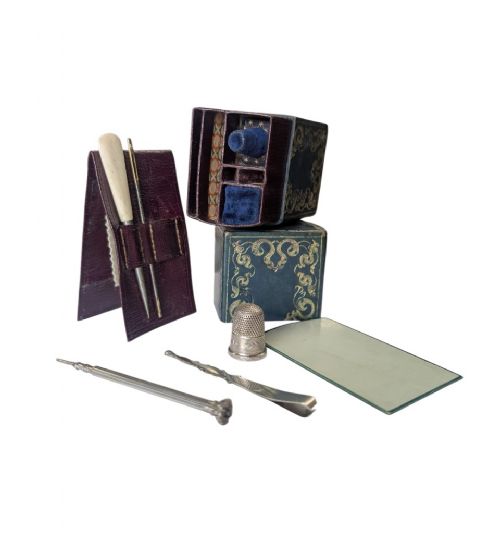
A vintage gilt box encompasses everything from Georgian snuff boxes and Victorian trinket cases to Art Deco cigarette card holders. These containers served varied domestic purposes, holding everything from sewing accessories to personal documents.
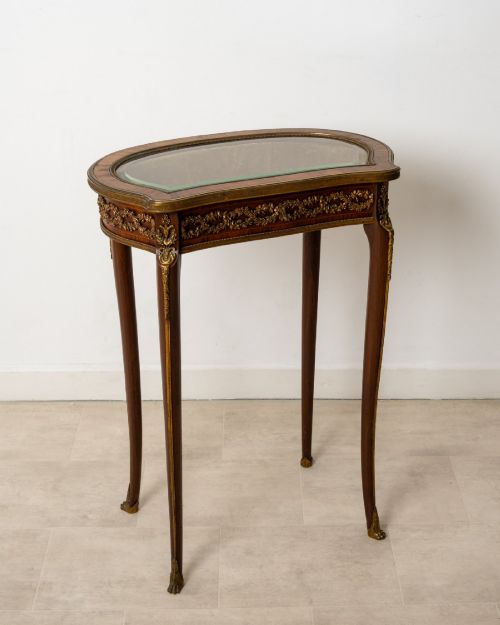
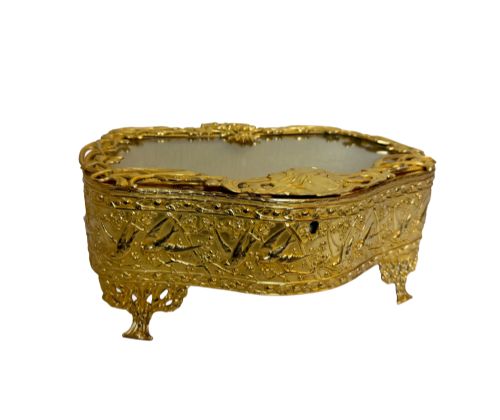
Pieces on this page span the eighteenth through the mid-twentieth centuries, reflecting French, English, and Continental manufacture. Common forms include hinged caskets, glass displays, and leather-bound faux book boxes designed for desks and dressing tables.
How they were made
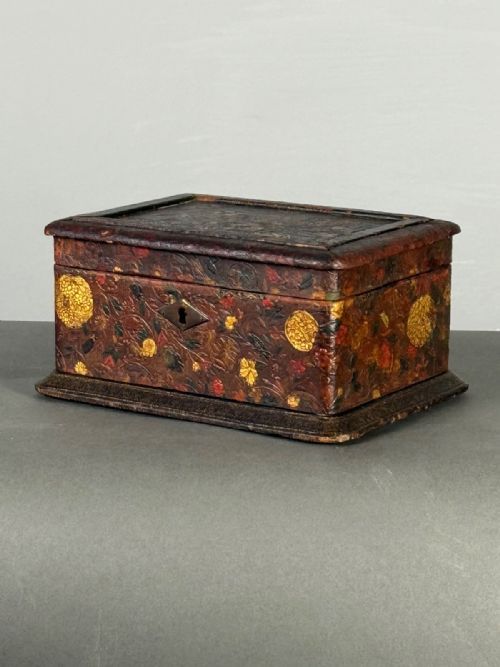
Construction relies on a foundation of wood, brass, glass, or porcelain, finished with surface gilding, gold leaf, or silver gilt. Makers utilised techniques such as casting ormolu mounts, chasing silver, and applying polychrome lacquer.
Many examples combine materials, pairing crystal glass with bronze frames, or lining leather-covered wooden cores with velvet and silk. Metalwork often displays engine turning, niello, or enamel inset decoration.
Vintage Gilt Box Retail Price Guide 2026
Typical asking prices for vintage gilt box among the pieces listed under this phrase on Sellingantiques today, from the lower quarter to the upper quarter. They describe what is for sale here now, not the wider market.
Listings feature periods spanning from the Georgian era through Victorian, Edwardian, and Art Deco up to the 1950s.
What varies in quality
The standard of a gilt box rests on the crispness of its metal casting, the weight of its silver or bronze, and the precision of its hinges and closures. Hand-chased detailing and intact fire gilding separate superior workshops from mass production.
Interior linings and secondary woods also reveal grade. High-tier pieces retain original silk or velvet interiors, undamaged glass panels, and well-fitted locking mechanisms signed by recognised makers.
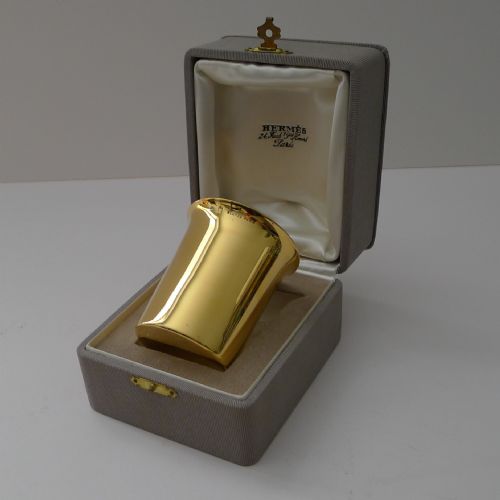
Hermes Paris·Susse Freres Paris·Samuel Pemberton·Sampson Mordan·F Osbourne And Co·Karl Griesbaum·David Andersen·Marson And Jones·Huntley And Palmers
The Vintage Gilt Box Glossary
- Ormolu
- A finely ground high-carat gold powder applied to a bronze base, creating a rich golden surface finish that resists tarnish. This technique flourished in nineteenth-century French ateliers.
- Vermeil
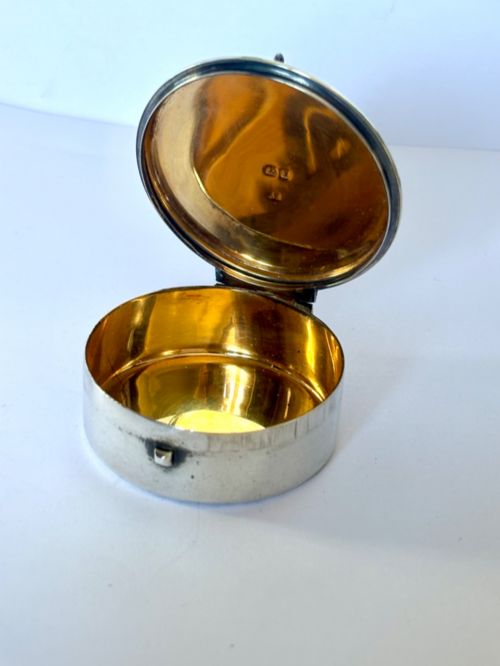
- Sterling silver coated with a heavy layer of gold, providing the durability of silver beneath a warm golden sheen. It appears frequently on twentieth-century boxes and tableware.
- Snuff box
- A small pocket-sized container originally intended for holding powdered tobacco. They typically feature tight-fitting hinged lids to preserve the contents.
- Cartonnier
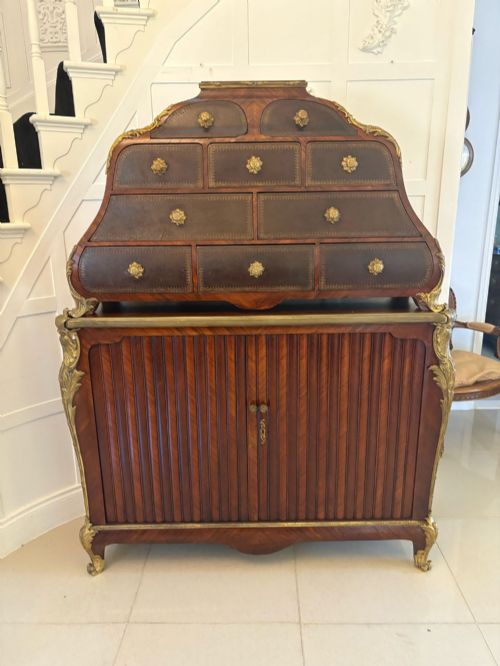
- A decorative cabinet designed to hold papers, documents, or letters, often ornamented with ormolu mounts and exotic wood veneers. These pieces sat upon large writing desks.
- Engine turned
- A geometric pattern mechanically engraved into a metal surface using a lathe. This finish catches the light and deters everyday scratching.
Vintage Gilt Box: Frequently Asked Questions
How do I clean a gilt box?
Dust surfaces gently with a soft, dry cloth to protect delicate gold leaf and ormolu finishes from abrasion. Avoid chemical dips or commercial polishes that strip away historical gilding.
For glass panels or interior velvet, use a very lightly dampened brush to lift trapped dirt without wetting the wood or leather structure.
What were these boxes originally used for?
Small containers served distinct daily functions in past centuries, from carrying scented tobacco and snuff to housing sewing needles and calling cards. Larger caskets secured jewellery, keepsakes, or writing instruments on household dressing tables.
Desk accessories helped organise correspondence, while faux book boxes concealed games boards or private ledgers on library shelves.
How can I tell the period?
Examine construction methods, hinge types, and decorative styles to determine age. Georgian pieces often display hand-beaten silver marks, whereas Victorian and Edwardian examples utilise machine casting and factory-stamped mounts.
Design motifs also offer clues, moving from Rococo Revival scrolls through Art Nouveau curves to clean Art Deco geometric lines.
Are these boxes suitable for daily use?
Sturdy brass and leather examples handle modern storage duties easily, holding jewellery, keys, or small desk supplies. Vintage hinges and delicate glass lids require gentle handling during everyday opening.
Keep antique items out of direct sunlight and away from damp areas to preserve original silk linings and wood veneers.