


Vintage Gilded Frame
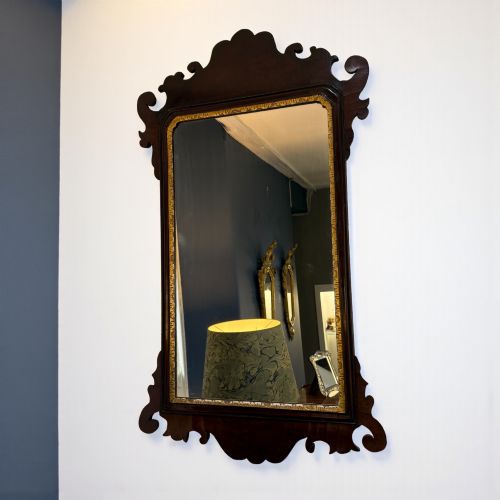
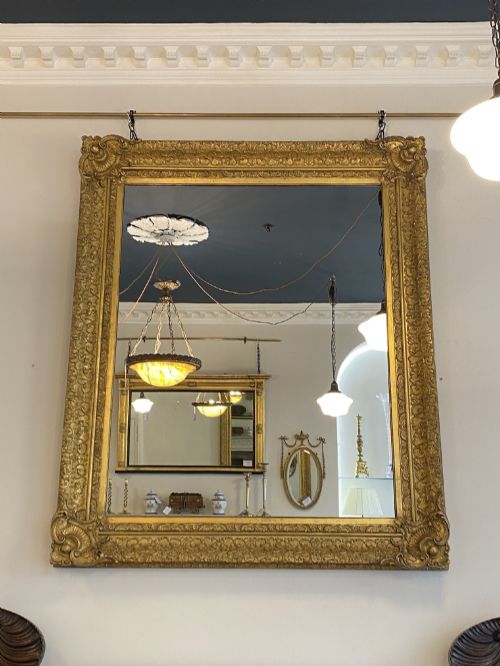
A vintage gilded frame brings warmth and historic craftsmanship to any room, housing centuries of mirrors, oil paintings, and prints.
Vintage Gilded Frame
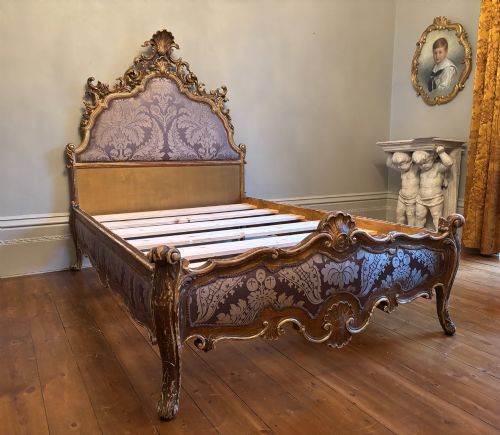
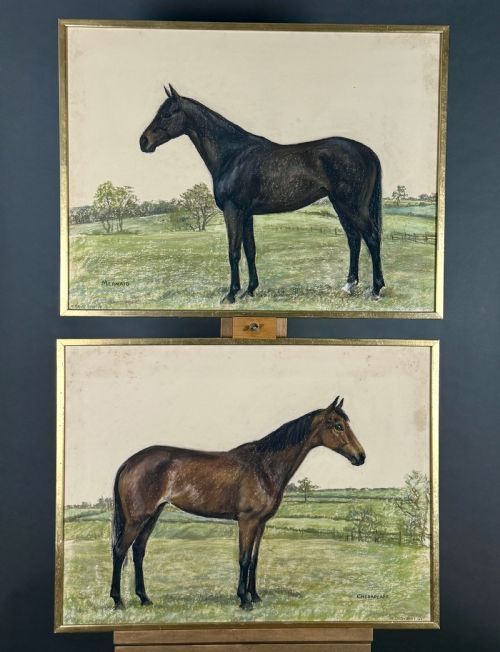
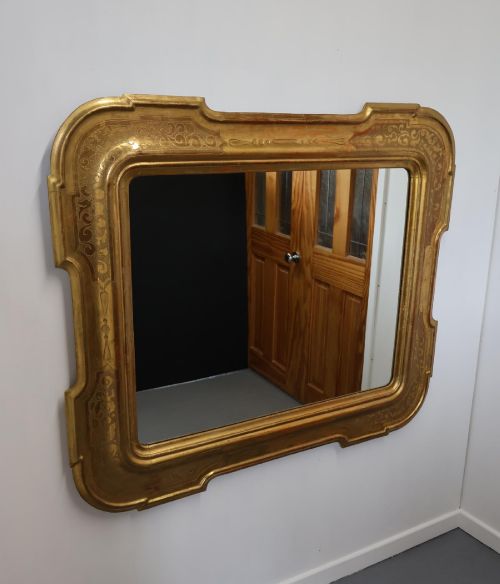
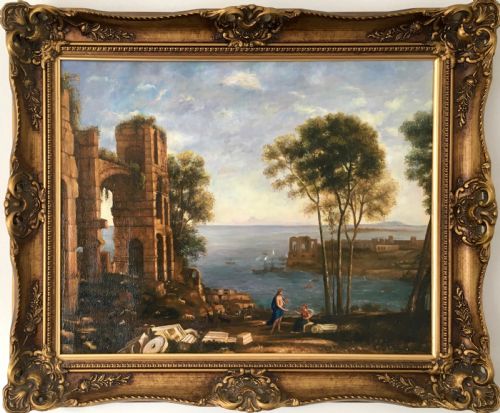
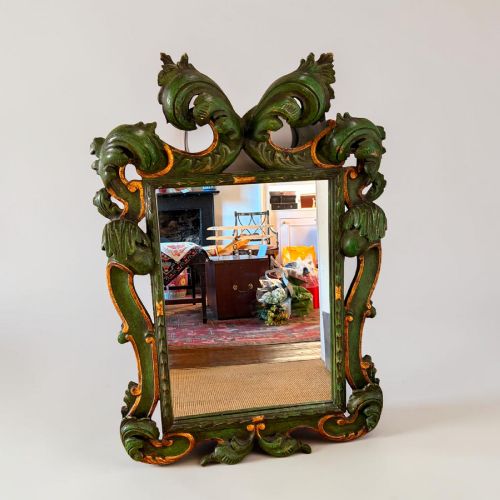
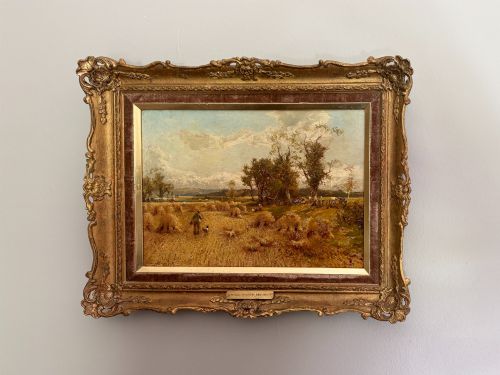
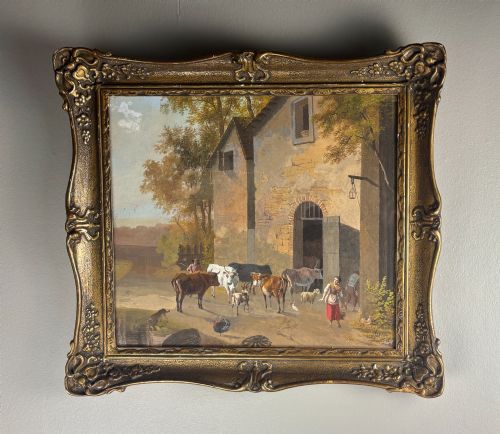
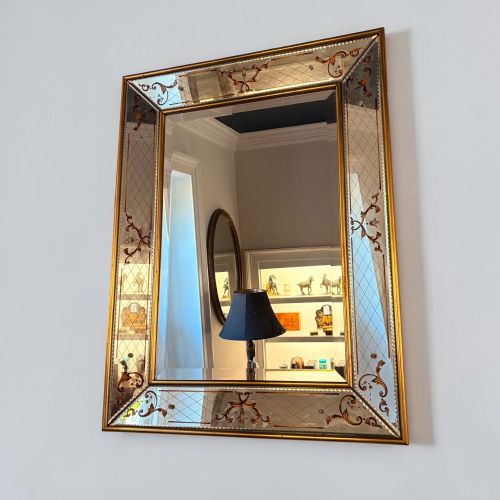
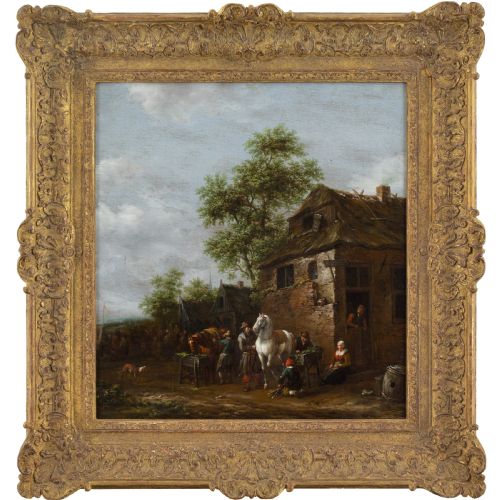
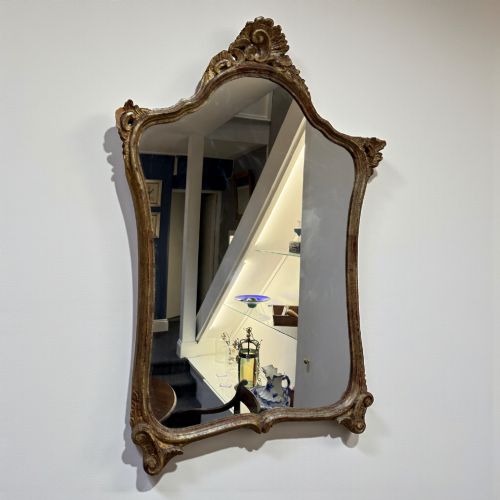
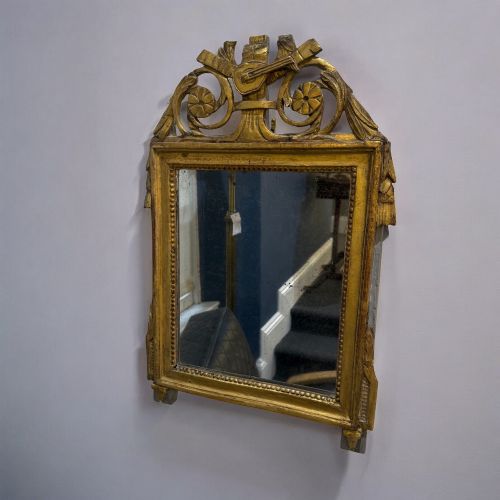
A vintage gilded frame surrounds mirrors, oil paintings, watercolours, and portrait prints produced across the eighteenth, nineteenth, and early twentieth centuries. These pieces encompass decorative wall mirrors, oil on canvas artworks, and framed prints from English, French, and Italian origins.
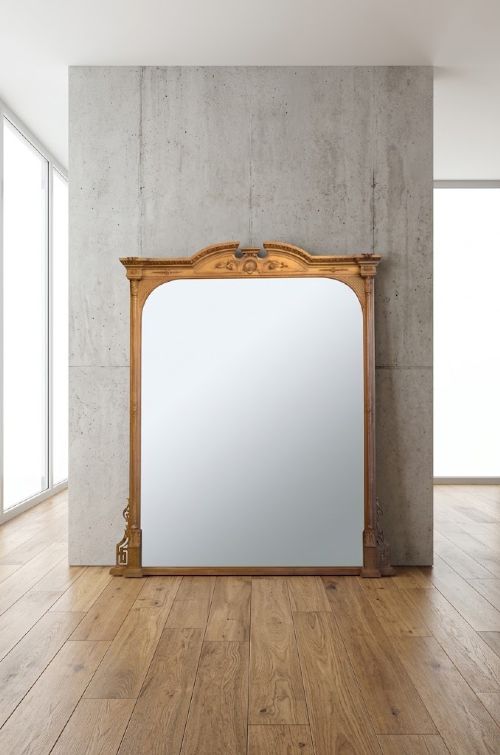
The most common versions encountered here are nineteenth-century wall mirrors and overmantles, featuring carved woodwork and ornate decoration. Alongside these, buyers find period oil paintings and watercolours enclosed in their original gilt housings.
Styles range from Rococo Revival and Louis Philippe to Florentine and Edwardian designs, reflecting the shifting aesthetic tastes of their respective periods.
How They Were Made
Wood serves as the foundational substrate for these objects, utilising carved timber such as walnut, alongside applied gesso to build up intricate relief ornaments. Artisans shaped these wooden bases through traditional carpentry before applying decorative surface layers.
Gilding involved the application of gold leaf or gilt finish over the prepared gesso and wood ground, often complemented by glass mirror plates or canvas stretched for oil paintings.
What Varies in Quality
The depth and crispness of the hand-carved ornamentation separate standard mouldings from superior examples, where every scroll and floral motif retains sharp definition. Finer pieces demonstrate skilful manipulation of gesso and wood beneath the gold leaf.
The preservation of the original gilding and the character of the glass or artwork contained within dictate the overall standard. Original mercury glass plates with natural foxing hold greater historical integrity than later replacements.
Georges de La Tour·Emily Eyres·Dumini Leopoldo·Clifford Hanney·James Watson·Sir Joshua Reynolds·Sir William Nicholson·Alfred Fontville de Breanski Jr·EJ Letheren·Edward Mills·Augusto Alberici·Gabriel Mathieu
The Vintage Gilded Frame Glossary
- Gesso
- A plaster-like mixture applied to wood frames to create a smooth surface for carving and gilding. This material allows artisans to mould complex relief designs before the application of gold leaf.
- Giltwood
- Timber that has been coated with gold leaf or a gold-coloured finish. It provides the characteristic metallic sheen seen on historic mirror and picture frames.
- Louis Philippe
- A nineteenth-century French architectural and furniture style known for simple, elegant curves and rounded top corners on mirrors. It balances decorative appeal with restrained proportions.
- Overmantle
- A large mirror or painting specifically designed to hang above a fireplace mantel. These substantial pieces frequently act as focal points within period interiors.
- Mercury glass
- A type of double-walled silvered glass manufactured in the nineteenth century, known for developing characteristic mottled spots or foxing over time.
Vintage Gilded Frame: Frequently Asked Questions
How do I hang a heavy vintage gilded frame?
Substantial frames require secure wall anchors fixed directly into masonry or wooden studs to support their considerable weight safely.
Professional mirror plates or heavy-duty D-rings screwed into the wooden chassis provide the necessary stability for hanging.
Are these frames supplied with original glass?
Many period mirrors retain their original glass plates, often identifiable by subtle imperfections and age-related foxing.
Some pieces feature replacement plates fitted during their long history to maintain clarity and usability.
How should I clean a gilded frame?
Dust the carved surfaces gently with a soft, dry brush to prevent accumulation without disturbing the delicate gold leaf.
Avoid liquid cleaners, chemical solvents, and water, as moisture strips the historic gesso and gilding.
Can I change the artwork inside the frame?
Historic frames are typically constructed to fit their specific original artwork or mirror plate precisely.
Altering the contents risks damaging the antique rebate structure and the integrity of the surrounding wood and gesso.