




Vintage German Porcelain Figures
These vintage german porcelain figures span delicate eighteenth-century manufactory groups and robust twentieth-century animal studies, offering collectors a rich variety of hand-painted forms.
Vintage German Porcelain Figures
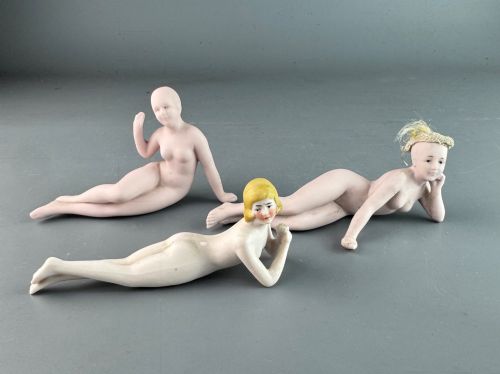
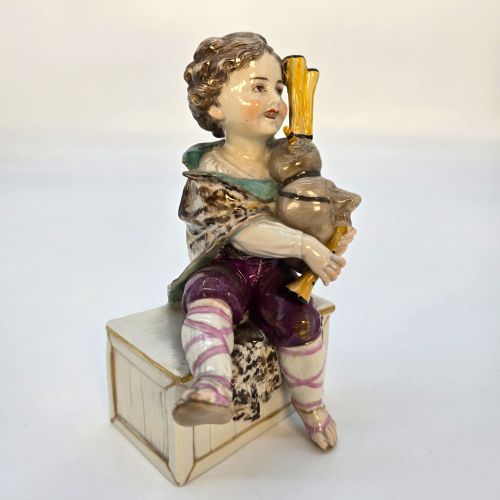
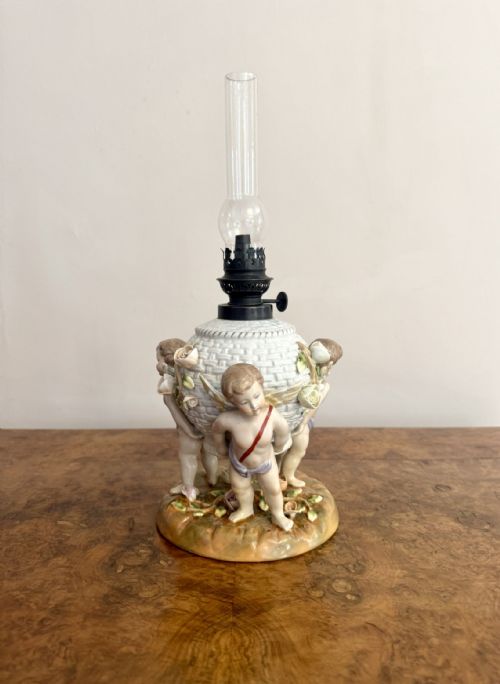
Vintage german porcelain figures encompass a wide range of sculptural objects, from nineteenth-century bisque piano babies and Rococo revival candlesticks to eighteenth-century hard-paste porcelain figures of street traders and lovers. You will encounter table lamps, figural groups, and individual sculptures originating from historic manufactories across Germany.
The selections on this page bridge multiple eras, stretching from eighteenth-century Meissen and Ludwigsburg pieces through Victorian and Edwardian works up to Art Deco dancers and animal models from the early twentieth century. These items served both decorative and functional roles in period interiors, appearing as mantel ornaments, candelabra, and oil lamps.
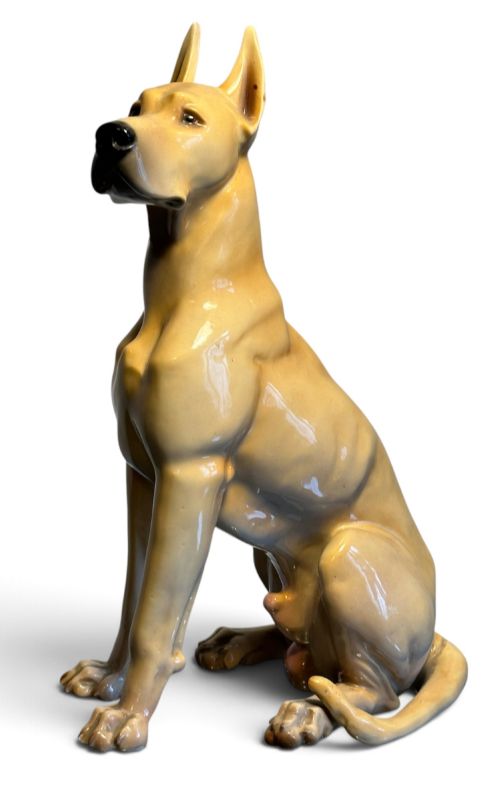
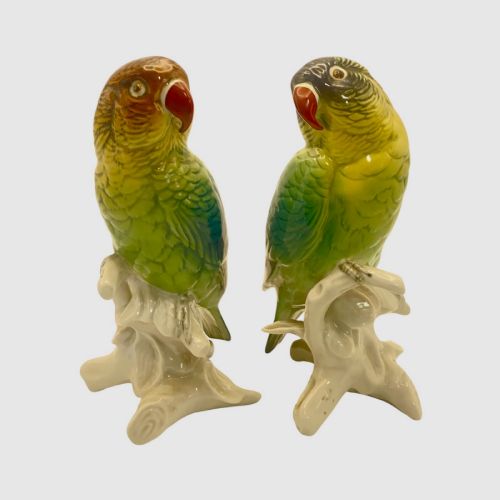
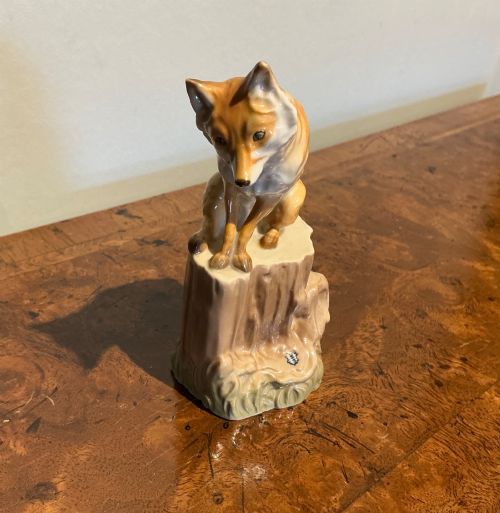
Moulded figures and hand-painted subjects dominate the range, depicting human characters such as musicians, harvesters, and dancers alongside birds, dogs, and exotic animals. The variety reflects the shifting styles of European ceramics, moving from ornate nineteenth-century revivals toward streamlined twentieth-century modernism.
Materials and manufacture
These pieces utilise hard-paste porcelain, bisque porcelain, and ceramic bodies, frequently decorated with hand-applied glaze, enamel, and gold leaf. Manufacturers shaped the raw materials into detailed moulds before firing at high temperatures to achieve durable vitrified bodies.
Artisans applied polychrome enamels and gilding by hand after the initial firing, often utilising lace details or applied floral elements to enhance the visual texture of the figures. Biscuit porcelain received no glaze, leaving a matte, marble-like surface that highlighted the fine modelling of facial expressions and drapery.
Vintage German Porcelain Figures Retail Price Guide 2026
Typical asking prices for vintage german porcelain figures among the pieces listed under this phrase on Sellingantiques today, from the lower quarter to the upper quarter. They describe what is for sale here now, not the wider market.
Materials represented across these German pieces include glazed hard-paste porcelain, matte bisque porcelain, enamel, gold leaf, and ceramic bodies.
Assessing quality
The reputation of the manufactory and the skill of the individual decorator dictate the distinction between standard production items and exceptional works. Heavier gilding, careful burnishing, and subtle colour shading separate finer sculptural groups from simpler commercial output.
Karl Ens·Nymphenburg·Meissen·Sitzendorf·Volkstedt Rudolstadt Factory·Rosenthal·C. G. Schierholz·KPM·Ernst Bohne Söhne·Ludwigsburg·Dressel Kister und Cie·Helena Wolfsohn·Carl Thieme
The Vintage German Porcelain Figures Glossary
- Hard-paste porcelain
- A durable ceramic composition fired at very high temperatures, composed of kaolin and petuntse. This material forms the sturdy base for many historic European figures.
- Bisque porcelain
- Unglazed porcelain fired to a matte finish that resembles marble. It allows fine sculptural details to remain crisp and unmasked by glossy coatings.
- Marcolini Period
- The era of Meissen production overseen by Count Camillo Marcolini between 1774 and 1814. Pieces from this time often bear specific factory marks associated with the period.
- Fairing
- A small, humorous or topical porcelain ornament traditionally sold at nineteenth-century British fairs. These items frequently depict domestic scenes or contemporary social commentary.
- Blanc-de-Chine
- A term describing white porcelain lacking polychrome enamels. It focuses attention entirely on the purity of the glaze and the quality of the sculptural form.
Vintage German Porcelain Figures: Frequently Asked Questions
How do I identify eighteenth-century Meissen figures?
Eighteenth-century Meissen figures typically display underglaze blue crossed swords marks on the base, alongside impressed numbers or model ciphers. The modelling exhibits a sculptural lightness characteristic of the period, often featuring naturalistic Rococo scrollwork bases.
Closer inspection of the paste reveals a slightly granular texture beneath the glaze, differing from the whiter, more uniform bodies of later nineteenth-century reproductions.
What are piano babies?
Piano babies are large bisque porcelain figures of infants and toddlers produced during the Victorian and Edwardian eras. They were originally designed to sit on the draped covers of upright pianos in fashionable parlours.
These pieces are usually unglazed or partially glazed, capturing playful or sleepy poses, and were manufactured in large quantities across Germany for export to Britain and America.
Are all German porcelain figures marked?
Many German porcelain figures bear factory stamps, impressed numbers, or painted symbols on the underside or rear of the base. However, smaller manufactories and earlier workshops sometimes relied on paper labels that have long since worn away.
The absence of a visible mark does not preclude age or quality, as stylistic traits and paste characteristics often provide sufficient evidence for attribution.
How should I clean antique porcelain figures?
Antique porcelain figures require gentle cleaning with a soft, dry brush to remove dust from crevices and delicate applied elements like lace or flowers. Avoid submerging pieces in water, particularly those with enamel decorations or cold-painted highlights that might lift.
If washing is necessary, use lukewarm water with mild soap on glazed surfaces only, ensuring the object dries completely before returning it to display.